Rebel TMC MPs walk into delimitation vote with a split identity


A member keeps both seat and voting rights until a disqualification order is actually passed by the Speaker. Photograph: (X)
Twenty Lok Sabha members belong to the TMC on paper but are with NDA in spirit. When Parliament reconvenes on November 30, the law says they can still vote. A Lok Sabha official said the rebels are still listed as TMC MPs since the merger application is still pending before Speaker Om Birla.
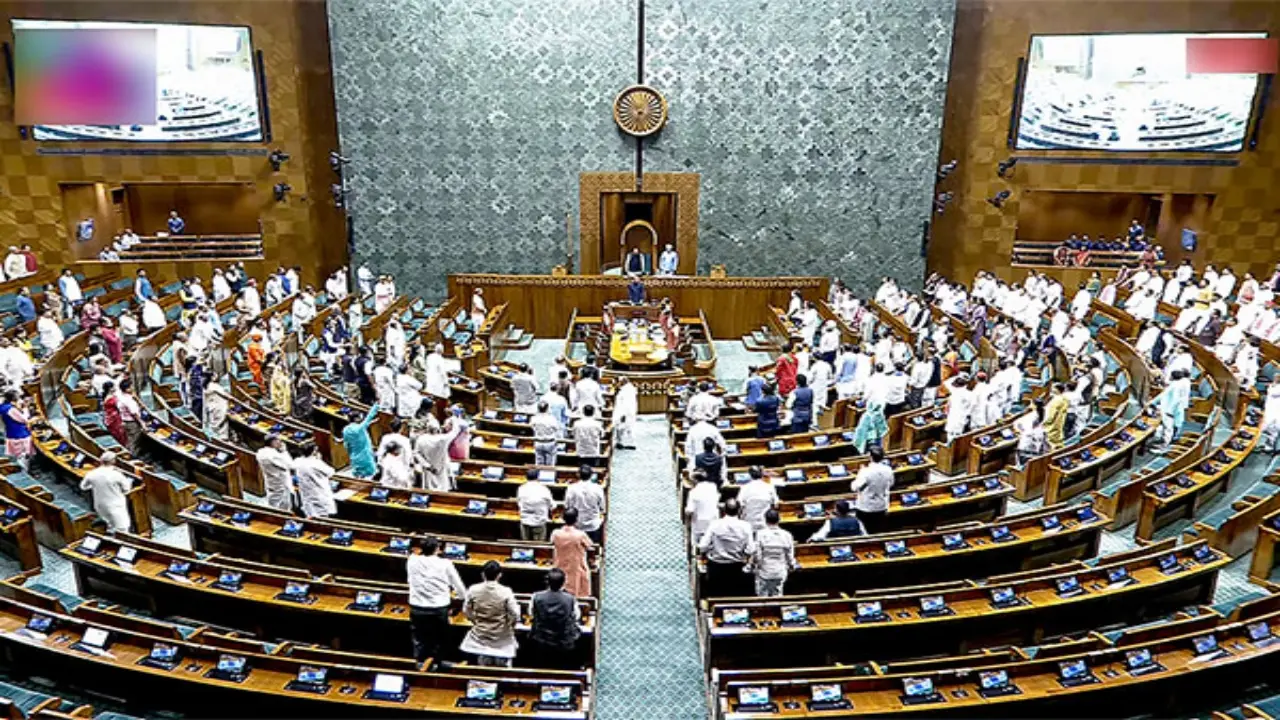
When Parliament convenes for its special sitting on November 30 to take up a constitutional amendment on delimitation and women's reservation, 20 MPs will occupy a strange position: elected as Trinamool Congress members, claiming to belong to another party, and recognised as neither by the one authority that matters.
The group broke away in June after the TMC lost the West Bengal Assembly election and announced a merger with the little-known Nationalist Citizens Party of India (NCPI), which backs the BJP-led NDA. Their stance on the Bill is not in doubt. "We are with the NDA. We support the delimitation bill," a senior leader of the group said, asking not to be named.
Which party do the records show?
For now, TMC. A senior Lok Sabha official said the rebels continue to be listed as TMC MPs because the merger application is still pending before Speaker Om Birla. Until he rules, the NCPI label has no official standing in the House.
Can they vote?
Yes. Under the Tenth Schedule, the Speaker decides defection cases, and a member keeps both seat and voting rights until a disqualification order is actually passed. Pending petitions suspend nothing. Even if the Speaker later disqualifies them, votes cast in the interim would not automatically be undone.
Trending Stories


TMC Lok Sabha leader Abhishek Banerjee has petitioned for their disqualification, arguing they voluntarily gave up party membership. The rebels counter that theirs was a lawful merger, which the law protects, and filed individual replies to the Speaker on November 24. The Supreme Court has asked the Speaker to decide expeditiously but has set no firm deadline, leaving timing largely in his hands.
Why the Speaker's clock matters
The arithmetic is unforgiving. A constitutional amendment needs two-thirds of members present and voting. In April, an earlier attempt failed, with 298 votes in favour against the 352 required, when 528 members were present. The NDA then had 293 members in the 543-seat House. It was the first time since 2011, when the Lokpal Bill fell, that a constitutional amendment failed in the Lok Sabha. The government subsequently withdrew two linked bills, one providing for delimitation on the latest available census, effectively 2011, and another extending the changes to Union Territories.
Twenty additional votes narrow that gap considerably, as do some Shiv Sena realignments. But the NDA may still need support from parties outside its fold, such as the DMK, depending on attendance and the Bill's final wording.
Two timelines, one vote
If Birla rules before the vote, the picture changes. Disqualification would remove 20 votes; acceptance of the merger would formalise them as NCPI members and strengthen their protection. If he waits, they vote as TMC members, in defiance of the party they were elected on.
Either way, the Speaker's eventual decision will shape more than this one vote. It will determine whether the group gains lasting recognition as a parliamentary party, or whether the November 30 session is remembered as the day 20 MPs voted on borrowed credentials.