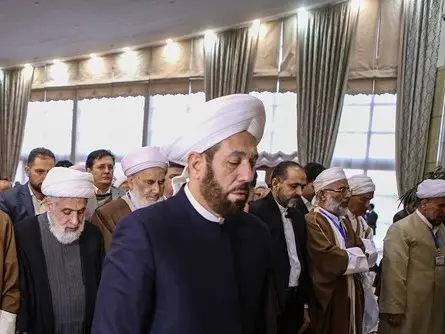
Who is "barrel bomb mufti" Ahmad Badreddin Hassoun, sentenced to prison for life for justifying Assad regime atrocities?

&imwidth=600&imheight=450&format=webp&quality=medium "Who is \"barrel bomb mufti\" Ahmad Badreddin Hassoun, sentenced to prison for life for justifying Assad regime atrocities?")
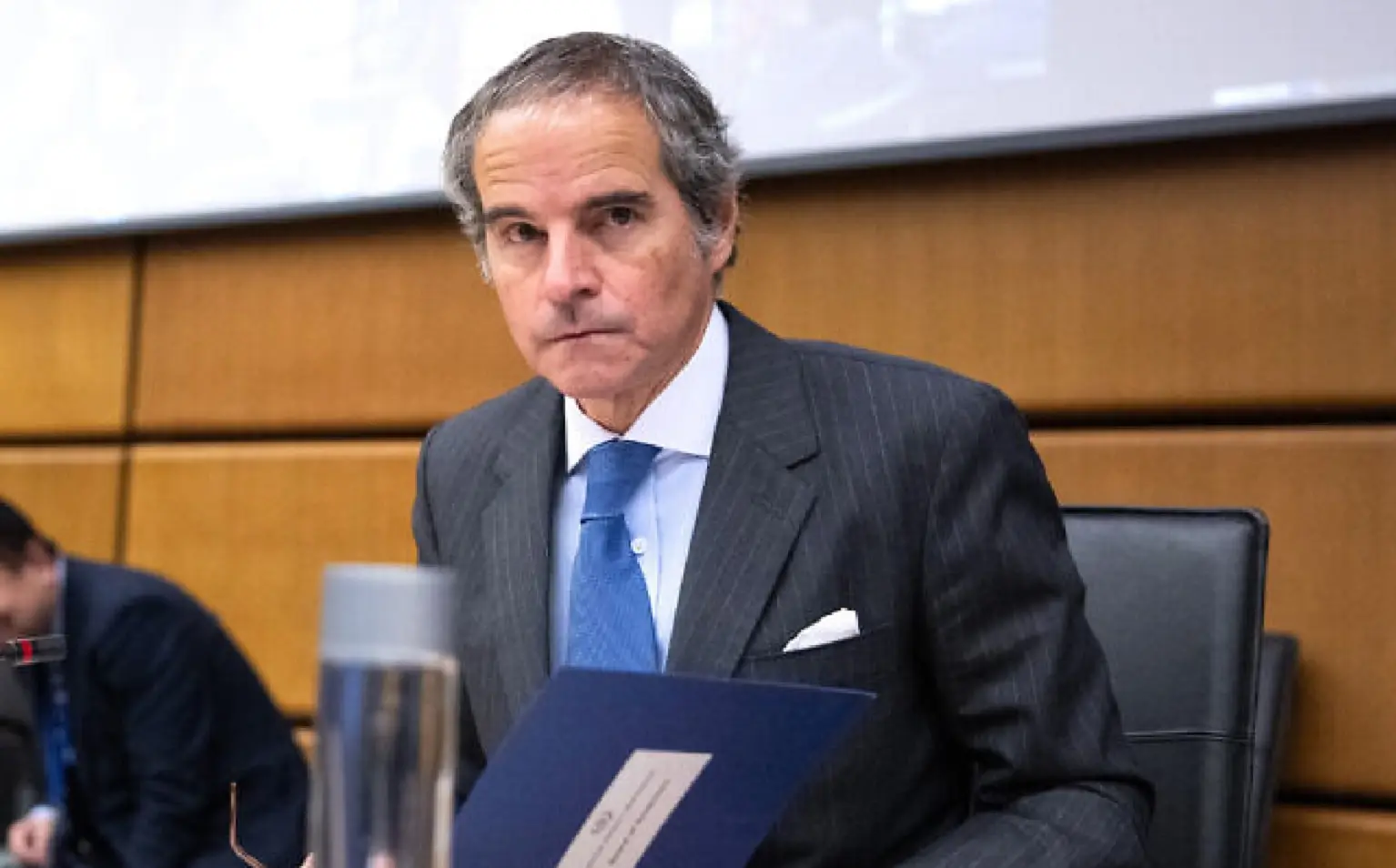
A file pic of Ahmad Badreddin Hassoun Photograph: (Others)
A Syrian court sentenced former Grand Mufti Ahmad Badreddin Hassoun, known as the “barrel bomb mufti”, to life imprisonment. He was accused of inciting violence and justifying killings under Bashar al-Assad
Ahmad Badreddin Hassoun, the infamous Syrian cleric known as the ‘barrel bomb mufti’, who justified atrocities committed under former ruler Bashar al-Assad, was on Monday (Aug 24) sentenced to life imprisonment by a court in Damascus. Prosecutors had sought the death penalty in a trial that began on 25 June under Judge Fakhr al-Din al-Aryan. The jailing of the mufti came just weeks after Assad was sentenced to death in absentia for his actions while in power.
Syria’s post-Assad transitional justice process
The case is one of many being pursued to deliver justice to victims of the former regime.
The Fourth Criminal Court in Damascus found the former grand mufti guilty of inciting violence and civil war. He was charged with justifying killings under the Assad regime and abusing his office, as well as alleged involvement in war crimes and crimes against humanity. His assets were ordered to be confiscated for the benefit of the public treasury.
The barrel bomb mufti of Syria
Trending Stories
&imwidth=280&imheight=210&format=webp&quality=medium)
&imwidth=280&imheight=210&format=webp&quality=medium)
&imwidth=280&imheight=210&format=webp&quality=medium)
&imwidth=280&imheight=210&format=webp&quality=medium)
&imwidth=280&imheight=210&format=webp&quality=medium)
&imwidth=280&imheight=210&format=webp&quality=medium)
&imwidth=280&imheight=210&format=webp&quality=medium)
&imwidth=280&imheight=210&format=webp&quality=medium)
&imwidth=280&imheight=210&format=webp&quality=medium)
&imwidth=280&imheight=210&format=webp&quality=medium)
&imwidth=280&imheight=210&format=webp&quality=medium)
&imwidth=280&imheight=210&format=webp&quality=medium)
&imwidth=280&imheight=210&format=webp&quality=medium)
&imwidth=280&imheight=210&format=webp&quality=medium)
&imwidth=280&imheight=210&format=webp&quality=medium)
&imwidth=280&imheight=210&format=webp&quality=medium)
&imwidth=280&imheight=210&format=webp&quality=medium)
&imwidth=280&imheight=210&format=webp&quality=medium)
&imwidth=280&imheight=210&format=webp&quality=medium)
&imwidth=280&imheight=210&format=webp&quality=medium)
&imwidth=280&imheight=210&format=webp&quality=medium)
&im=FitAndFill=(700,400)&imwidth=280&imheight=210&format=webp&quality=medium)
&imwidth=280&imheight=210&format=webp&quality=medium)
&im=FitAndFill=(700,400)&imwidth=280&imheight=210&format=webp&quality=medium)
&imwidth=280&imheight=210&format=webp&quality=medium)
&im=FitAndFill=(700,400)&imwidth=280&imheight=210&format=webp&quality=medium)
&imwidth=280&imheight=210&format=webp&quality=medium)
&imwidth=280&imheight=210&format=webp&quality=medium)
&imwidth=280&imheight=210&format=webp&quality=medium)
&imwidth=280&imheight=210&format=webp&quality=medium)
&imwidth=280&imheight=210&format=webp&quality=medium)
&imwidth=280&imheight=210&format=webp&quality=medium)
&imwidth=280&imheight=210&format=webp&quality=medium)
&imwidth=280&imheight=210&format=webp&quality=medium)
&imwidth=280&imheight=210&format=webp&quality=medium)
&imwidth=280&imheight=210&format=webp&quality=medium)
&imwidth=280&imheight=210&format=webp&quality=medium)
Hassoun was Syria’s grand mufti from 2005 until 2021. The cleric, who was born in Aleppo around 1949, acted as one of the Assad regime’s most prominent religious defenders after the 2011 uprising, which led to a nearly 14-year civil war.
Hassoun portrayed the protests as a foreign-backed terrorist conspiracy. He used his Friday sermons, public appearances and fatwas to lend religious and political legitimacy to the Assad regime’s brutal crackdowns.
He was nicknamed the “barrel bomb mufti” or the “mufti of the barrels” because he justified as “liberation” the regime’s indiscriminate aerial bombing of civilian areas with explosive-laden barrels. He also issued threats, saying at one point that Syria would train suicide bombers to attack European countries if they intervened.
He was accused of authorising executions of detainees, including at the notorious Sednaya Prison.
His influence waned after 2018, when authority over religious affairs shifted.
The grand mufti post was later abolished under Assad in 2021, before being restored after the regime’s fall in 2024.
Hassoun was held when trying to flee Syria
Following Assad’s ouster by opposition forces led by Ahmed al-Sharaa, then the leader of Hay’at Tahrir al-Sham (HTS), in December 2024, Hassoun went into hiding. HTS was the main force in the rebel offensive that toppled Assad’s government and seized Damascus on 8 December 2024.
Hassoun was detained at Damascus International Airport in March 2025 while trying to flee the country.
The trial of the former mufti was viewed in Syria as a significant step towards holding senior civilian and religious figures accountable for the Syrian war, which killed hundreds of thousands of people and displaced millions.