&imwidth=800&imheight=600&format=webp&quality=medium "Bashar al-Assad sentenced to death in absentia: Fall of a dictator")
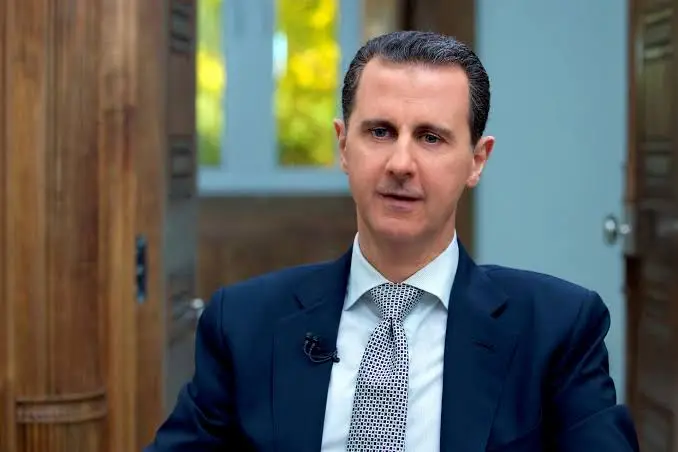
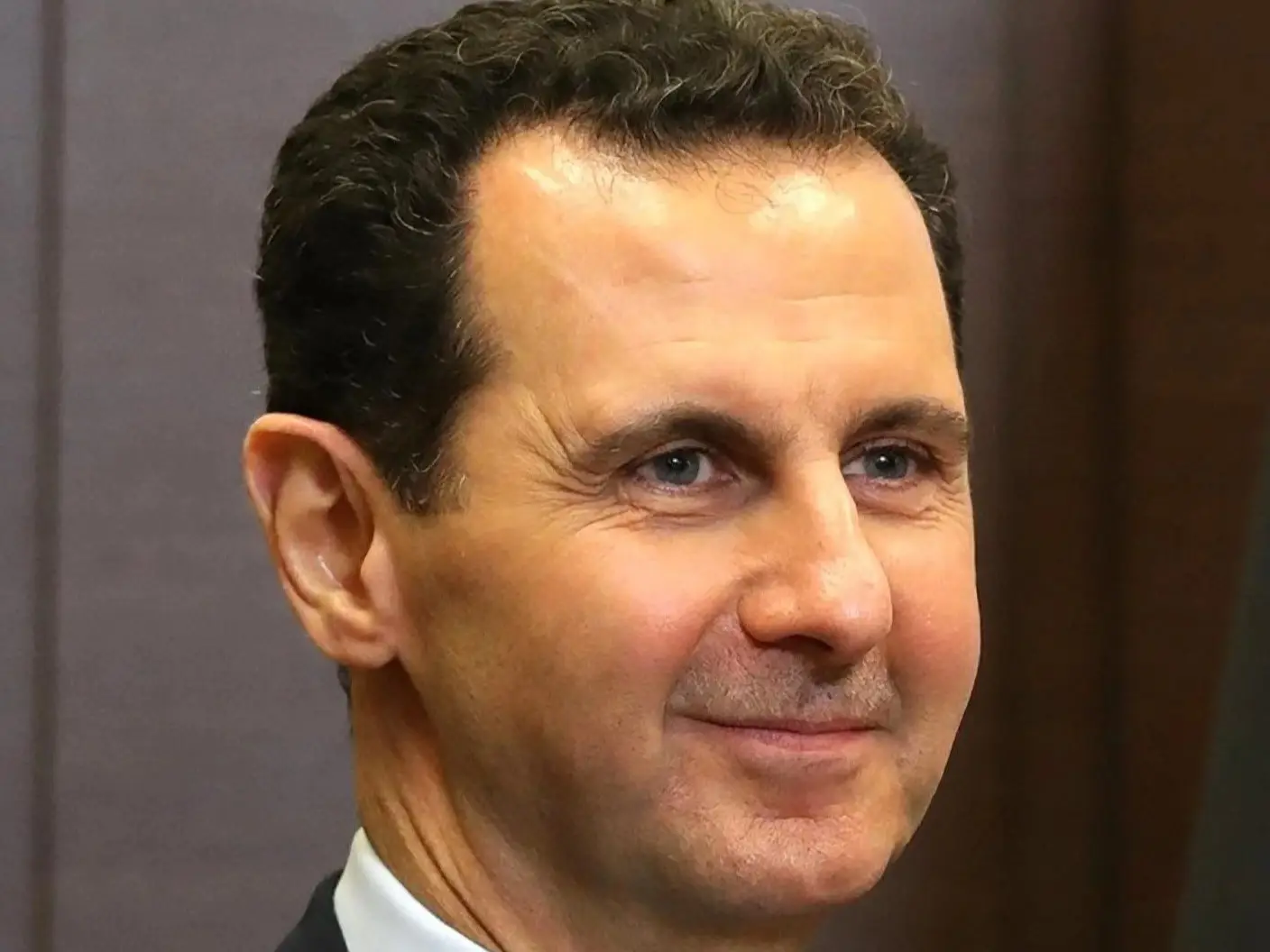
On Tuesday (Aug 11), a Damascus court sentenced former Syrian president Bashar al-Assad to death in absentia for premeditated killings, torture, arbitrary arrests and crimes against humanity committed during the Syrian civil war, including the killing of children. His brother Maher al-Assad and former security official Atef Najib were also sentenced to death. Assad, along with members of his family and close aides, has been living in exile in Russia since 2024, after his government was overthrown. Here is the story of how a reluctant leader born into the powerful ruling family of Syria became its president and ruler, suppressed the Arab Spring uprising for years, before finally giving in.
Bashar al-Assad was born into privilege
Born in Damascus in 1965 as the second son of Syria's long-term ruler Hafez al-Assad, the future ruler was not initially cut out for the role. Bashar al-Assad's elder brother Bassel al-Assad was expected to succeed their father. Bashar, meanwhile, studied medicine at Damascus University and trained as an ophthalmologist. He later travelled to London for further medical training.

A car accident that changed everything: How Bashar became Syria's president
Everything changed in January 1994, when Bassel died in a car accident and Bashar was called back to Syria from UK. He joined military training and was groomed as his father's successor.
Trending Stories
)
Mushtaq Khan dies at 56: When Welcome actor opened up about his salary for iconic role Ballu
)
US Supreme Court backs Trump administration's use of SAVE database to check voter citizenship
)
Heart of the Beast review: Brad Pitt leads a gripping tale of survival and loyalty
)
Outrage erupts after 3-year-old is married to 60-year-old man in Pakistan, link to her sister's murder being probed
)
Pakistan deploys over 20,000 security personnel as PTI vows march for Imran Khan's release
)
Asian Games: Shooting spree continues as India win silver in women’s 50m rifle 3P team event
)
‘Not just a local tragedy’: Nepal PM Shah warns UN of growing climate threat, says Nepal floods were 'a warning to the world'
)
OpenAI AI Agents hacked 4 websites before Hugging Face, researchers reveal
)
Pentagon quietly adds 37 wounded troops to Iran war tally without explaining when or how
)
Asian Games 2026: India women’s kabaddi team edge Iran 37-34 to clinch 3rd gold medal
)
Saudi Arabia still harbours intent to develop nuclear weapons, reveals US intelligence: Report
&im=FitAndFill=(700,400))
New Friday OTT releases (September 25, 2026): Don’t Be Shy, Hunkkaar: The Roar, Mango Pachcha- 6 movies and TV shows on Netflix, Prime Video and more
)
Yemen's war escalates: Saudi-backed leader calls for general mobilisation against the Houthis
)
‘Attack on Mecca a red line for Pakistan’: Shehbaz Sharif warns Houthis at UN
)
Tesla is preparing something big for Optimus: new Gen 3 models surface in app
)
Bias or safety concerns? Bengaluru CEO says firm will not hire men from UP, Bihar, Rajasthan, MP. Here's why
)
Did Hitler kill his niece Geli Raubal? Newly found records reopen a 95-year-old mystery
)
Indian diplomat Petal Gahlot raises deteriorating situation in Pakistan-occupied Kashmir in right of reply at UN
)
Nigeria Navy moves to boost oil security, tackle crude theft and infrastructure threats
)
Scientists detect first radio signals directly from faraway planet
)
‘It is all possible’: Putin weighs next steps on Ukraine talks, rules out Europe conflict
)
10,000 gather in support of 87-year-old forcefully evicted from home of 71 years
)
India flags brutal violence in Pak-occupied Jammu Kashmir
)
Trump rejects Iran's 7-day ceasefire proposal as US weighs renewed bombing after midterms: Report
)
Red Sea crisis: Houthis promise not to target European ships; UNSC condemns Saudi attacks
)
Gaza's war turned environmental damage into second crisis
)
Saudi oil exports surge despite Iran war
)
Trump-Xi summit wrap: Big pageantry, Iran talks, few major developments and more meetings planned
)
'Making history': Xi Jinping praises Trump as US-China leaders dine at White House
)
India's UN Envoy slams Pakistan: 'They claim security by day, terrorism by night'
)
Jay-Z rape case: Accuser says allegations were false, never met rapper
)
Myanmar training camp case: US national, 6 Ukrainians allowed to meet their families abroad
)
'FIRST LOOK from inside Noah’s Ark': Researchers share video from inside mysterious mound in Turkey
)
Cindy Crawford’s son Presley Gerber cremated as death probe continues
)
India's insurance regulator overhauls policies
)
WATCH | As Shehbaz Sharif claims Pakistan’s ‘victory’ during 2025 conflict, Indian diplomat R Srinivas laughs at UN
)
‘Goal is to win it’: Virat Kohli confirms 2027 ODI World Cup will be his final tournament for India
)
'A terrorist country is asking me that question?': Jaishankar hits back at Pakistani journalist at UN; flags attacks on commercial shipping
)
US court backs Pentagon's decision to exclude Anthropic over Claude AI restrictions
After close to three decades in power, Hafez al-Assad died in June 2000. At the time, Bashar was only 34, but the Syrian constitution was modified to lower the minimum presidential age so that he could take the top seat. He became president in July 2000.
From Damascus Spring to Arab Spring
The initial days of Bashar's presidency were referred to as the Damascus Spring, with him being described as a young, modernising leader. But soon, his government started cracking down on opposition and dissent, bringing the brief period of political openness to an end. Things came to a head during the Syrian uprising and civil war, which was part of the Arab Spring-inspired protests that spread to Syria in 2011. The protests, which sought political reform, were violently suppressed, leading to one of the longest and bloodiest conflicts in the region. The civil war pitted the Bashar al-Assad regime on one side against various armed opposition groups, Islamist militants, terrorist groups and foreign powers such as the US on the other.
From chemical weapons to malnutrition to displacement: Assad's crackdown
Various investigations claimed that the Assad regime carried out killings, torture, forced disappearances, sieges and attacks on civilian areas to suppress the uprising. Government forces were accused of using chemical weapons against civilians. Hundreds of thousands of people were killed and millions were displaced, while children also died from malnutrition and the collapse of basic services.
Assad fought the longest civil war in recent Middle East history
For nearly 14 years, Assad's regime fought the civil war with the help of Russia and Iran. The two allies helped the Assad regime regain large areas of territory from the rebels. By the late 2010s, Assad appeared to have survived the war politically, even as his country lay in physical and economic ruin.
The fall of the Assad regime and exile
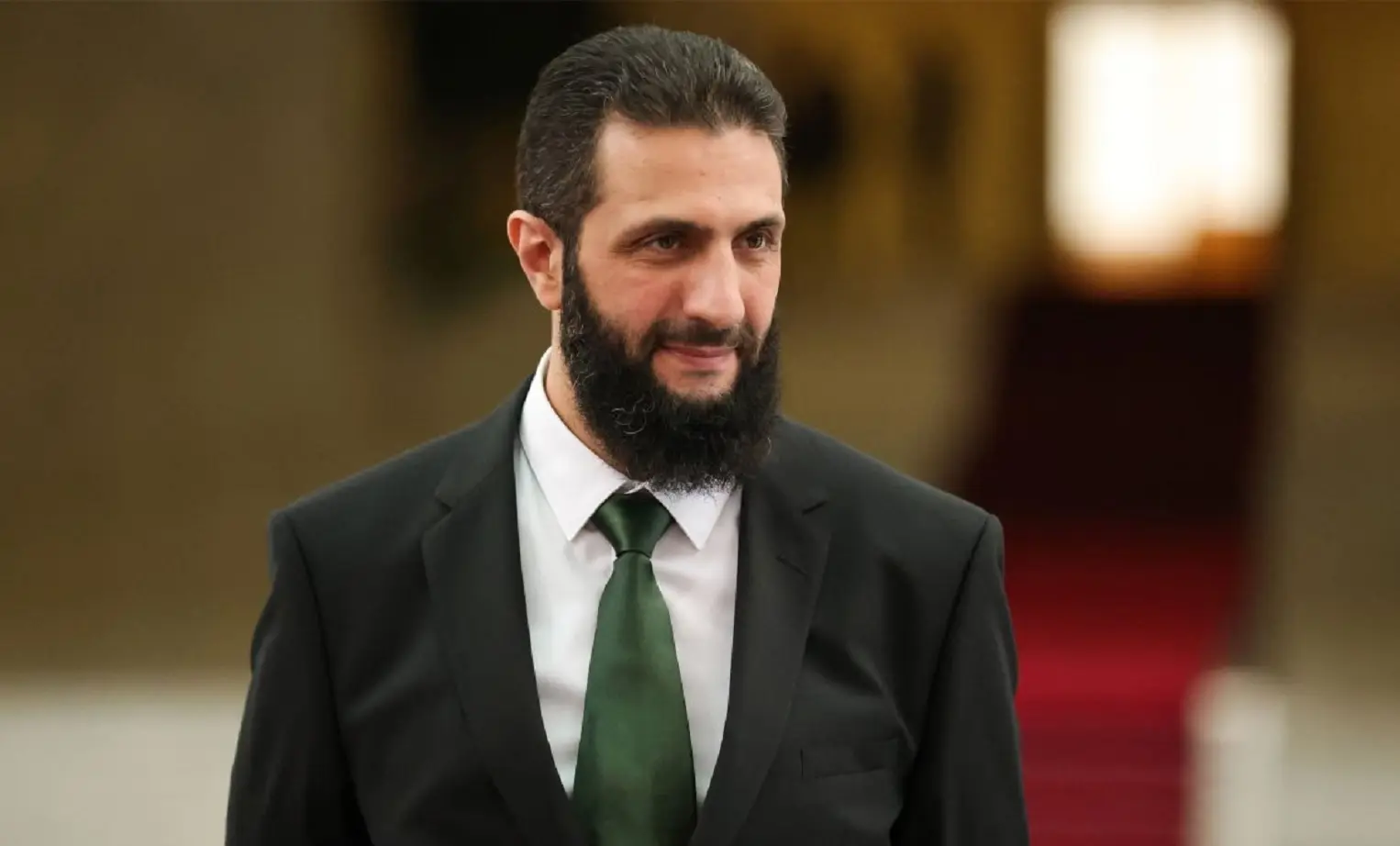
In December 2024, a rebel offensive led by Ahmed al-Sharaa, then the leader of the rebel group Hay'at Tahrir al-Sham or HTS, rapidly captured major Syrian cities. Assad's government — and thereby his family's decades-long rule — collapsed as rebel fighters entered Damascus and seized key government institutions.
Assad fled the country he had ruled with an iron grip and was granted refuge in Russia. His rule, which lasted from 2000 to 2024, ended in ignominy and exile.
The moment of reckoning for Assad
Syrian courts under the government of Ahmed al-Sharaa have been pursuing cases against Assad-era officials and members of his regime. European courts have also prosecuted people accused of abuses under his rule. A Dutch court in June sentenced a former Assad-regime interrogator to 26 years in prison for 19 international crimes, including torture and crimes against humanity, committed in Syria in 2013 and 2014. The defendant had served as an interrogator for the National Defence Forces (NDF), a paramilitary organisation affiliated with the Assad regime.
The death sentence in absentia is the most dramatic judicial reckoning yet for the former Syrian ruler, but it is largely symbolic for now. The sentence cannot be carried out unless Assad is brought under Syrian custody.
He is possibly safe in Russia for now. But his legacy remains inseparable from the destruction wrought by Syria's nearly 14-year civil war and its enormous human cost.