NATO Summit 2026: Which countries could join the alliance next?

&imwidth=600&imheight=450&format=webp&quality=medium "NATO Summit 2026: Which countries could join the alliance next?")
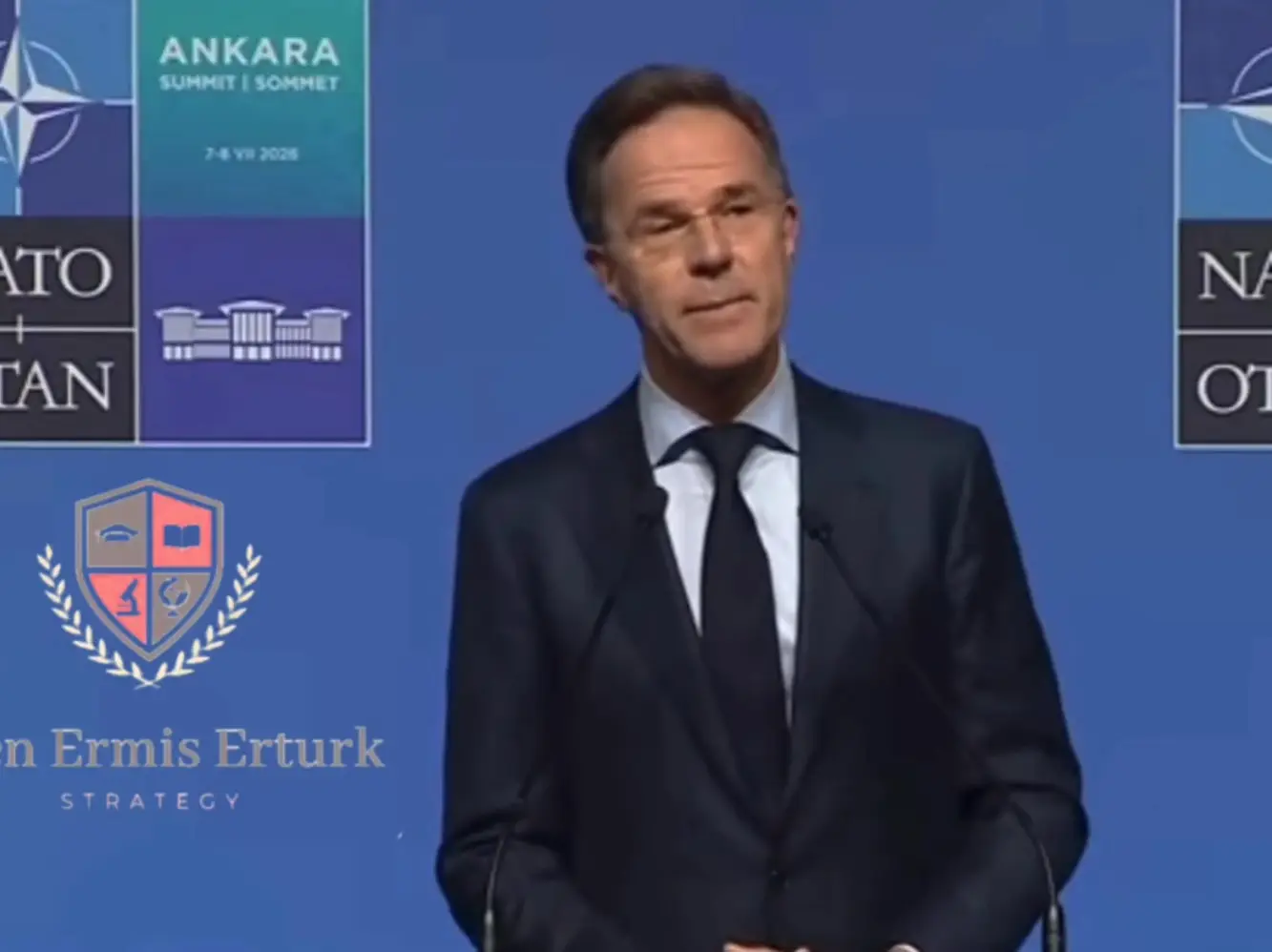
The last NATO expansion happened when Sweden joined in March 2024.q Photograph: (AFP)
Among the current aspirants, Bosnia and Herzegovina, Georgia, and Ukraine are the three officially recognised partner countries seeking NATO membership, but each faces unique political and security challenges that make accession a complex and lengthy process.
As leaders of NATO nations gather for the alliance’s 2026 summit in Turkey’s Ankara, the issue of the expansion of European security crops up inadvertently. The question becomes all the more important in the rapidly altered geopolitical situation amid conflicts and wars. The 32-nation alliance is keen on strengthening collective defence and increasing military spending, as it mulls which countries could join the grouping and bolster military heft.
The last expansion happened when Sweden joined in March 2024, completing a shift in Nordic security following Russia’s full-scale invasion of Ukraine. Since then, NATO is open to let any European democracy that meets political, military, and legal criteria for membership.
Among the current aspirants, Bosnia and Herzegovina, Georgia, and Ukraine are the three officially recognised partner countries seeking NATO membership, but each faces unique political and security challenges that make accession a complex and lengthy process.
Is the Russia factor impeding expansion?
Since Russia’s invasion in 2022, Ukraine has deepened military cooperation with NATO members and continues to get extensive security assistance. However, despite assurances, NATO leaders have stopped short of providing Kyiv a formal timeline for membership as member states argue that admitting a country already engaged in an active war could trigger NATO’s collective defence obligations under Article 5 and dramatically escalate tensions with Russia.
Discussions have hence instead focused on long-term military support, defence modernisation, and closer institutional cooperation.
Trending Stories
&imwidth=280&imheight=210&format=webp&quality=medium)
&imwidth=280&imheight=210&format=webp&quality=medium)
&imwidth=280&imheight=210&format=webp&quality=medium)
&imwidth=280&imheight=210&format=webp&quality=medium)
&imwidth=280&imheight=210&format=webp&quality=medium)
&imwidth=280&imheight=210&format=webp&quality=medium)
&imwidth=280&imheight=210&format=webp&quality=medium)
&imwidth=280&imheight=210&format=webp&quality=medium)
&imwidth=280&imheight=210&format=webp&quality=medium)
&imwidth=280&imheight=210&format=webp&quality=medium)
&imwidth=280&imheight=210&format=webp&quality=medium)
&imwidth=280&imheight=210&format=webp&quality=medium)
&imwidth=280&imheight=210&format=webp&quality=medium)
&imwidth=280&imheight=210&format=webp&quality=medium)
&imwidth=280&imheight=210&format=webp&quality=medium)
&imwidth=280&imheight=210&format=webp&quality=medium)
&imwidth=280&imheight=210&format=webp&quality=medium)
&imwidth=280&imheight=210&format=webp&quality=medium)
&imwidth=280&imheight=210&format=webp&quality=medium)
&imwidth=280&imheight=210&format=webp&quality=medium)
&imwidth=280&imheight=210&format=webp&quality=medium)
&imwidth=280&imheight=210&format=webp&quality=medium)
&imwidth=280&imheight=210&format=webp&quality=medium)
&imwidth=280&imheight=210&format=webp&quality=medium)
&imwidth=280&imheight=210&format=webp&quality=medium)
&imwidth=280&imheight=210&format=webp&quality=medium)
&imwidth=280&imheight=210&format=webp&quality=medium)
&imwidth=280&imheight=210&format=webp&quality=medium)
&imwidth=280&imheight=210&format=webp&quality=medium)
&imwidth=280&imheight=210&format=webp&quality=medium)
&imwidth=280&imheight=210&format=webp&quality=medium)
&imwidth=280&imheight=210&format=webp&quality=medium)
&imwidth=280&imheight=210&format=webp&quality=medium)
&imwidth=280&imheight=210&format=webp&quality=medium)
&im=FitAndFill=(700,400)&imwidth=280&imheight=210&format=webp&quality=medium)
&imwidth=280&imheight=210&format=webp&quality=medium)
&imwidth=280&imheight=210&format=webp&quality=medium)
&imwidth=280&imheight=210&format=webp&quality=medium)
&imwidth=280&imheight=210&format=webp&quality=medium)
Bosnia and Herzegovina made gradual progress through NATO’s Membership Action Plan, but domestic political divisions continue to slow reforms.
Alliance supports sovereignty but baulks in providing accession timeline
Georgia, also keen for NATO membership, has participated extensively in alliance missions and exercises, but its territorial disputes involving the Russian-backed regions of Abkhazia and South Ossetia remain an obstacle. NATO repeatedly reaffirms its support for Georgia’s sovereignty but baulks in providing a clear accession timetable.
However, NATO enlargement is likely to take a back seat this summit as leaders focus on increasing defence spending, expanding defence industrial capacity, strengthening deterrence along the eastern flank, and continuing military assistance for Ukraine. The alliance is also gearing up to tackle new security challenges like cyber threats and Arctic defence.
Analysts believe that NATO will not take in any new member in the immediate future.