Iran Army vows ‘preemptive strikes’ to deter ‘the enemy’ from any aggression

&imwidth=600&imheight=450&format=webp&quality=medium "Iran Army vows ‘preemptive strikes’ to deter ‘the enemy’ from any aggression")
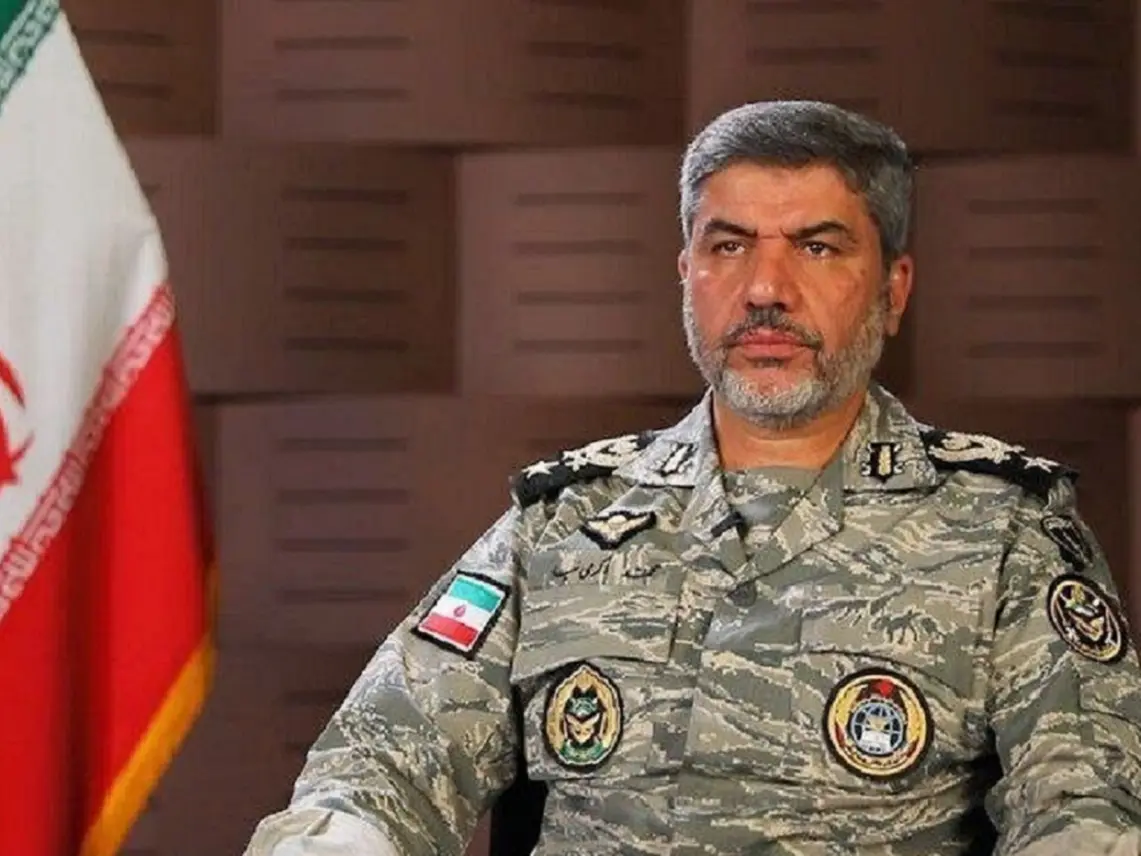
Iranian Army’s spokesman Brigadier-General Mohammad Akraminia Photograph: (X)
Army spokesperson Brigadier-General Mohammad Akraminia said Iran is prepared for a “more crushing, broader, more decisive, and faster” response in the event of an attack, and if necessary, it would carry out preemptive strikes in the future to deter the enemy from any aggression or attack.
Iranian Army’s spokesman Brigadier-General Mohammad Akraminia has said that Iran has carried out “preemptive operations” against the “enemy” before and will do so again if necessary to prevent an attack.
Akraminia told Fars news agency in an interview that the military has continued daily production of “equipment” throughout the war and is prepared to counter any aggression with its “large stockpile of weapons”.
Akraminia said Iran’s military doctrine had shifted in recent months from a defensive to an offensive posture, with the transition progressing rapidly.
“Today, in the war waged by the United States and the Zionist regime, we used this doctrine,” he said. It was part of this approach that a US base in Jordan was targeted with missiles and bases belonging to counter-revolutionary and separatist groups have been repeatedly targeted by Air Force fighter jets, Army drones, IRGC drones and missiles, he added.
Also Read: Iran has lost ‘complete control’ of Hormuz, US able to ‘provide security’ in Middle East, says Rubio
The army spokesperson said Iran is prepared to conduct a “more crushing, broader, more decisive, and faster” response in the event of an attack, and if necessary, Iran would carry out preemptive operations in the future to deter the enemy from any aggression or attack.
He added that the Iranian Army continued producing military equipment on a daily basis throughout the war and is now prepared to confront any aggression, with a large stockpile of weapons, greater experience, and higher personnel morale. “If the enemy attacks again, we will deliver a response that is more crushing, broader, more decisive and faster,” he said.
Hormuz fully controlled by Iran: IRGC Adviser
IRGC adviser Mohammad Reza Naqdi said on Wednesday that the Strait of Hormuz will remain closed until the US accedes to Iran’s demands.
“The Strait of Hormuz is closed, and the armed forces have complete control over it, and this situation will continue until Iran’s legitimate demands are met,” Fars news agency cited him as saying.
Trending Stories
&imwidth=280&imheight=210&format=webp&quality=medium)
&imwidth=280&imheight=210&format=webp&quality=medium)
&imwidth=280&imheight=210&format=webp&quality=medium)
&imwidth=280&imheight=210&format=webp&quality=medium)
&imwidth=280&imheight=210&format=webp&quality=medium)
&imwidth=280&imheight=210&format=webp&quality=medium)
&imwidth=280&imheight=210&format=webp&quality=medium)
&imwidth=280&imheight=210&format=webp&quality=medium)
&imwidth=280&imheight=210&format=webp&quality=medium)
&imwidth=280&imheight=210&format=webp&quality=medium)
&imwidth=280&imheight=210&format=webp&quality=medium)
&imwidth=280&imheight=210&format=webp&quality=medium)
&imwidth=280&imheight=210&format=webp&quality=medium)
&imwidth=280&imheight=210&format=webp&quality=medium)
&imwidth=280&imheight=210&format=webp&quality=medium)
&imwidth=280&imheight=210&format=webp&quality=medium)
&imwidth=280&imheight=210&format=webp&quality=medium)
&imwidth=280&imheight=210&format=webp&quality=medium)
&imwidth=280&imheight=210&format=webp&quality=medium)
&imwidth=280&imheight=210&format=webp&quality=medium)
&imwidth=280&imheight=210&format=webp&quality=medium)
&imwidth=280&imheight=210&format=webp&quality=medium)
&imwidth=280&imheight=210&format=webp&quality=medium)
&imwidth=280&imheight=210&format=webp&quality=medium)
&imwidth=280&imheight=210&format=webp&quality=medium)
&imwidth=280&imheight=210&format=webp&quality=medium)
&imwidth=280&imheight=210&format=webp&quality=medium)
&imwidth=280&imheight=210&format=webp&quality=medium)
&imwidth=280&imheight=210&format=webp&quality=medium)
&imwidth=280&imheight=210&format=webp&quality=medium)
&imwidth=280&imheight=210&format=webp&quality=medium)
&imwidth=280&imheight=210&format=webp&quality=medium)
&imwidth=280&imheight=210&format=webp&quality=medium)
&imwidth=280&imheight=210&format=webp&quality=medium)
&im=FitAndFill=(700,400)&imwidth=280&imheight=210&format=webp&quality=medium)
&imwidth=280&imheight=210&format=webp&quality=medium)
&imwidth=280&imheight=210&format=webp&quality=medium)
&imwidth=280&imheight=210&format=webp&quality=medium)
&imwidth=280&imheight=210&format=webp&quality=medium)
He added the volume of smuggled oil is “very small” with small vessels used to transfer oil onto tankers.
However, maritime experts and trackers say oil exports from the Gulf have resumed significantly in recent weeks despite a surge in attacks on ships around Hormuz.
Maritime intelligence firm Kpler has reported that Gulf oil flows, excluding Iran, recovered to more than 81 per cent of pre-war levels in September, while crude exports from the wider Middle East exceeded pre-war levels on 14 days during last month.
‘Illegal routes in Hormuz to soon be blocked’
Mohammad Reza Naqdi further said that transit routes in the Strait of Hormuz deemed illegal by Iran will soon be completely shut down.
The IRGC adviser said the transit corridors were created by blasting and damaging several of the rocky passages in the strategic waterway and have been used by small boats smuggling oil.
Also Read: Supreme Court agrees to examine plea seeking recall of split verdict on CEC selection law
His comments to the semi-official news agency challenge the narrative that Gulf oil flows through the strait are regaining pre-war levels.
“Soon, a small number of the routes that violators have created by blasting and destroying some of the existing rocky paths in the Strait of Hormuz will be blocked,” Naqdi was quoted as saying.