Fujian: China's most advanced aircraft carrier enters service amid naval race with US. Know its capabilities, features

&imwidth=600&imheight=450&format=webp&quality=medium "Fujian: China's most advanced aircraft carrier enters service amid naval race with US. Know its capabilities, features")
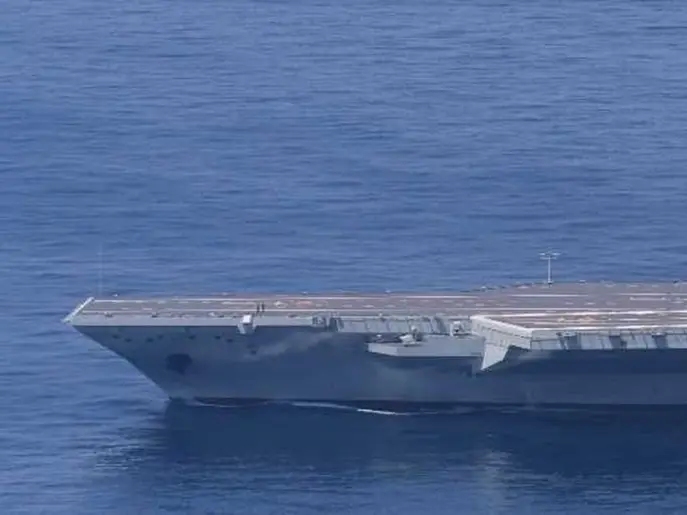
A file picture of a Chinese Fujian class aircraft carrier Photograph: (Others)
China’s new aircraft carrier, the CNS Fujian, has entered into service, making a major leap in its naval power and race with US. Fujian has electromagnetic catapults, boosting its blue-water reach and can challenge US dominance in the Indo-Pacific
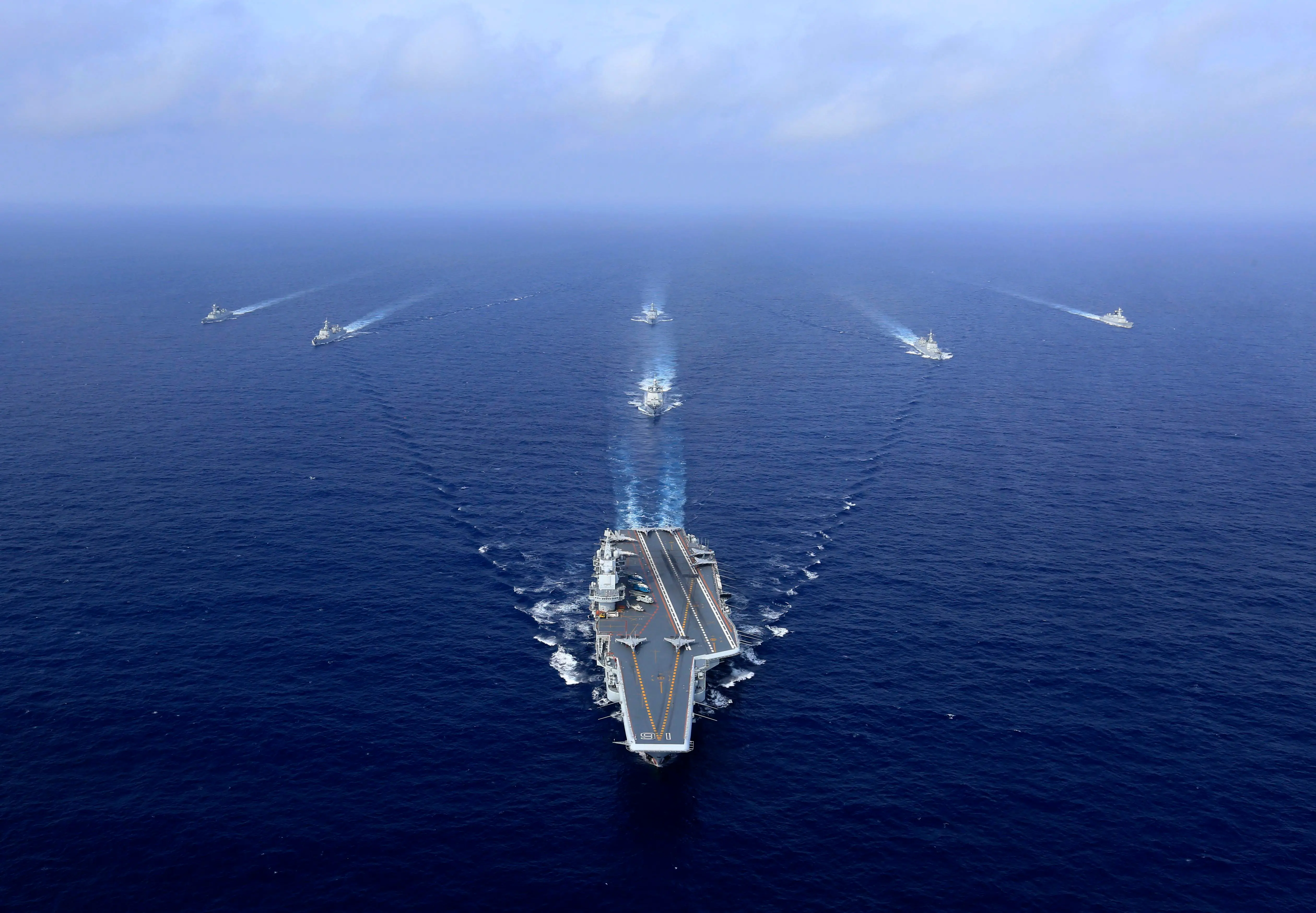
China has officially commissioned its most advanced aircraft carrier, the CNS Fujian, marking a decisive leap in the Asian nation’s race with the United States for blue-water supremacy. President Xi Jinping attended the commissioning ceremony held earlier this week in Hainan Province, according to state media reports on Friday (Nov 7). The Fujian heralds a new “three-carrier era” for the People’s Liberation Army Navy (PLAN), and is being seen as a new chapter in the US–China naval rivalry.
Why the Fujian aircraft carrier is significant
The Fujian, under construction for several years, is the largest warship ever built in Asia and the world’s biggest conventionally powered carrier. Its CATOBAR (Catapult-Assisted Take-Off But Arrested Recovery) system is a first for China, replacing the ski-jump ramps used on its earlier carriers.
Fujian aircraft carrier has fully indigenous design
The Fujian is the PLAN’s third and largest aircraft carrier, and its first to be fully indigenously designed and built. It surpasses both the Liaoning and Shandong carriers in size, sophistication and operational potential, displacing roughly 80,000 to 85,000 tonnes and measuring about 316 metres in length.
Trending Stories
&imwidth=280&imheight=210&format=webp&quality=medium)
&imwidth=280&imheight=210&format=webp&quality=medium)
&imwidth=280&imheight=210&format=webp&quality=medium)
&imwidth=280&imheight=210&format=webp&quality=medium)
&imwidth=280&imheight=210&format=webp&quality=medium)
&imwidth=280&imheight=210&format=webp&quality=medium)
&imwidth=280&imheight=210&format=webp&quality=medium)
&imwidth=280&imheight=210&format=webp&quality=medium)
&imwidth=280&imheight=210&format=webp&quality=medium)
&imwidth=280&imheight=210&format=webp&quality=medium)
&imwidth=280&imheight=210&format=webp&quality=medium)
&imwidth=280&imheight=210&format=webp&quality=medium)
&imwidth=280&imheight=210&format=webp&quality=medium)
&imwidth=280&imheight=210&format=webp&quality=medium)
&imwidth=280&imheight=210&format=webp&quality=medium)
&imwidth=280&imheight=210&format=webp&quality=medium)
&imwidth=280&imheight=210&format=webp&quality=medium)
&im=FitAndFill=(700,400)&imwidth=280&imheight=210&format=webp&quality=medium)
&imwidth=280&imheight=210&format=webp&quality=medium)
&imwidth=280&imheight=210&format=webp&quality=medium)
&imwidth=280&imheight=210&format=webp&quality=medium)
&im=FitAndFill=(700,400)&imwidth=280&imheight=210&format=webp&quality=medium)
&im=FitAndFill=(700,400)&imwidth=280&imheight=210&format=webp&quality=medium)
&imwidth=280&imheight=210&format=webp&quality=medium)
&imwidth=280&imheight=210&format=webp&quality=medium)
&imwidth=280&imheight=210&format=webp&quality=medium)
&imwidth=280&imheight=210&format=webp&quality=medium)
&imwidth=280&imheight=210&format=webp&quality=medium)
&imwidth=280&imheight=210&format=webp&quality=medium)
&imwidth=280&imheight=210&format=webp&quality=medium)
&imwidth=280&imheight=210&format=webp&quality=medium)
&imwidth=280&imheight=210&format=webp&quality=medium)
&imwidth=280&imheight=210&format=webp&quality=medium)
&imwidth=280&imheight=210&format=webp&quality=medium)
&imwidth=280&imheight=210&format=webp&quality=medium)
&imwidth=280&imheight=210&format=webp&quality=medium)
&imwidth=280&imheight=210&format=webp&quality=medium)
Fujian aircraft carrier can launch heavier aircraft
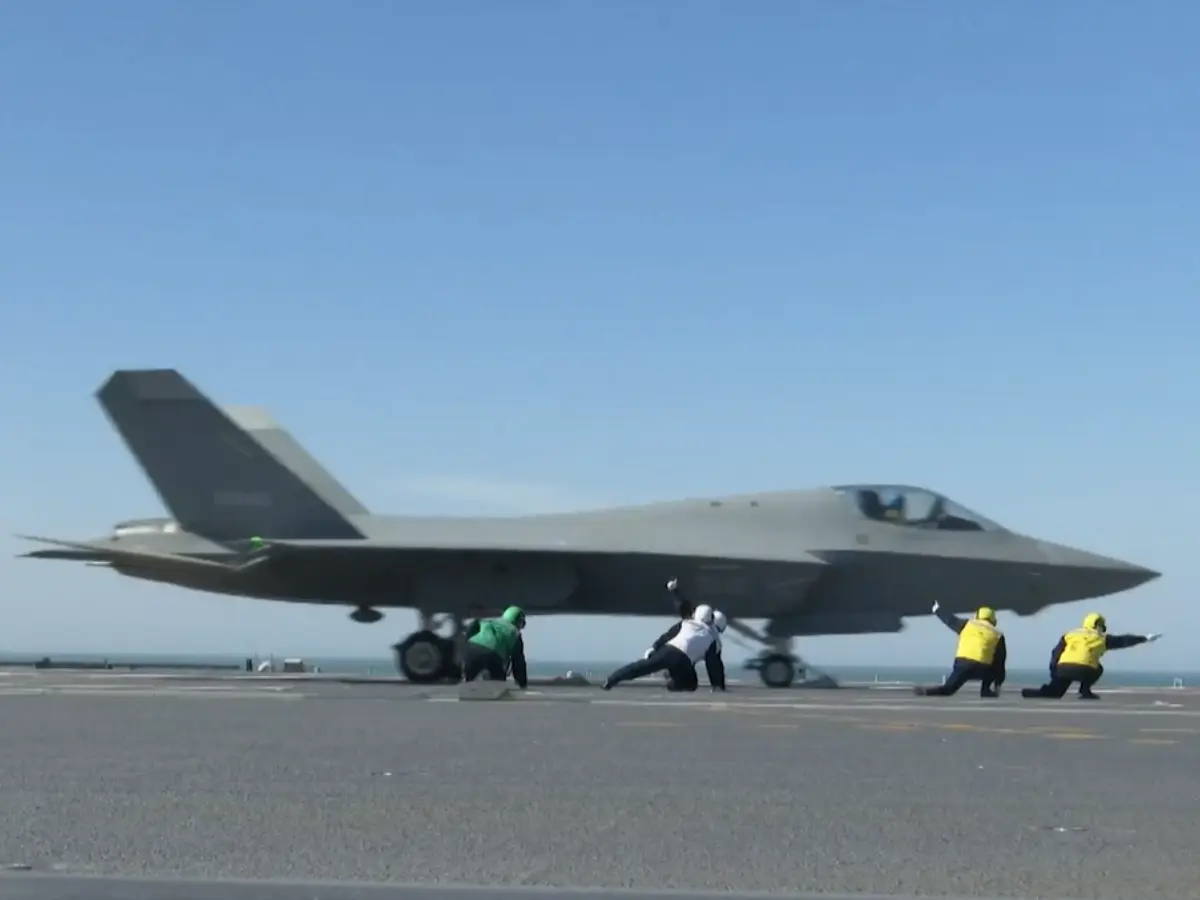
The ship has three electromagnetic catapults, similar in concept to the US Navy’s EMALS system on the Gerald R Ford-class carriers. These catapults allow the Fujian to launch heavier and fully fuelled aircraft, dramatically improving sortie rates and mission flexibility. In September this year, Chinese state television broadcast footage showing successful catapult launches of the J-15T multirole fighter, the stealth J-35, and the KJ-600 airborne early-warning aircraft, demonstrating the carrier’s combat readiness.
Fujian aircraft carrier of China can support 50 aircraft
The Fujian’s flat-deck design and expanded hangar bays allow it to operate more than 50 aircraft, including fighters, early-warning planes, helicopters and drones. For the first time, China can field a true carrier air wing capable of sustained power projection far from its shores.
A major technological step for the Chinese Navy
The Fujian also carries advanced active electronically scanned array (AESA) radars, electronic warfare systems, and HQ-10 short-range surface-to-air missiles for close-in defence, supported by 30 mm close-in weapon system (CIWS) guns. It uses a conventional propulsion system—steam turbines with diesel-electric generators—which limits its endurance compared with America’s nuclear-powered supercarriers. The next Chinese carrier, reportedly the Type 004, is expected to be nuclear-powered, bridging that gap.
Strategic implications of Fujian for South China Sea and West Pacific
The Fujian strengthens China’s ability to project power across the Western Pacific and the South China Sea—waters long dominated by the naval forces of the United States and its allies. It also fits within Beijing’s long-term anti-access and area-denial (A2/AD) strategy, designed to deter or delay American intervention in a Taiwan or South China Sea conflict.
Also read: Big boost: China launches 'most advanced' aircraft carrier called Fujian. Find out why it is special
The US is closely watching Chinese naval modernisation and expansion
For Washington and its allies, the Fujian’s entry into service is the clearest signal yet that China’s naval modernisation is accelerating at a pace unmatched since the Cold War. The US Navy still maintains overwhelming superiority, with 11 nuclear-powered supercarriers and decades of operational experience. Yet, the Fujian’s commissioning shows that China is rapidly closing the technological and capability gaps.
As one defence analyst put it, the Fujian is not merely another bigger carrier, it is a blueprint for China’s global naval ambitions.