Top 7 nations operating the most aircraft carriers in 2025: Where does India stand?

Today, these mobile airbases remain the centrepiece of modern naval power, projecting air dominance, supporting amphibious operations and ensuring maritime security across vast oceans.
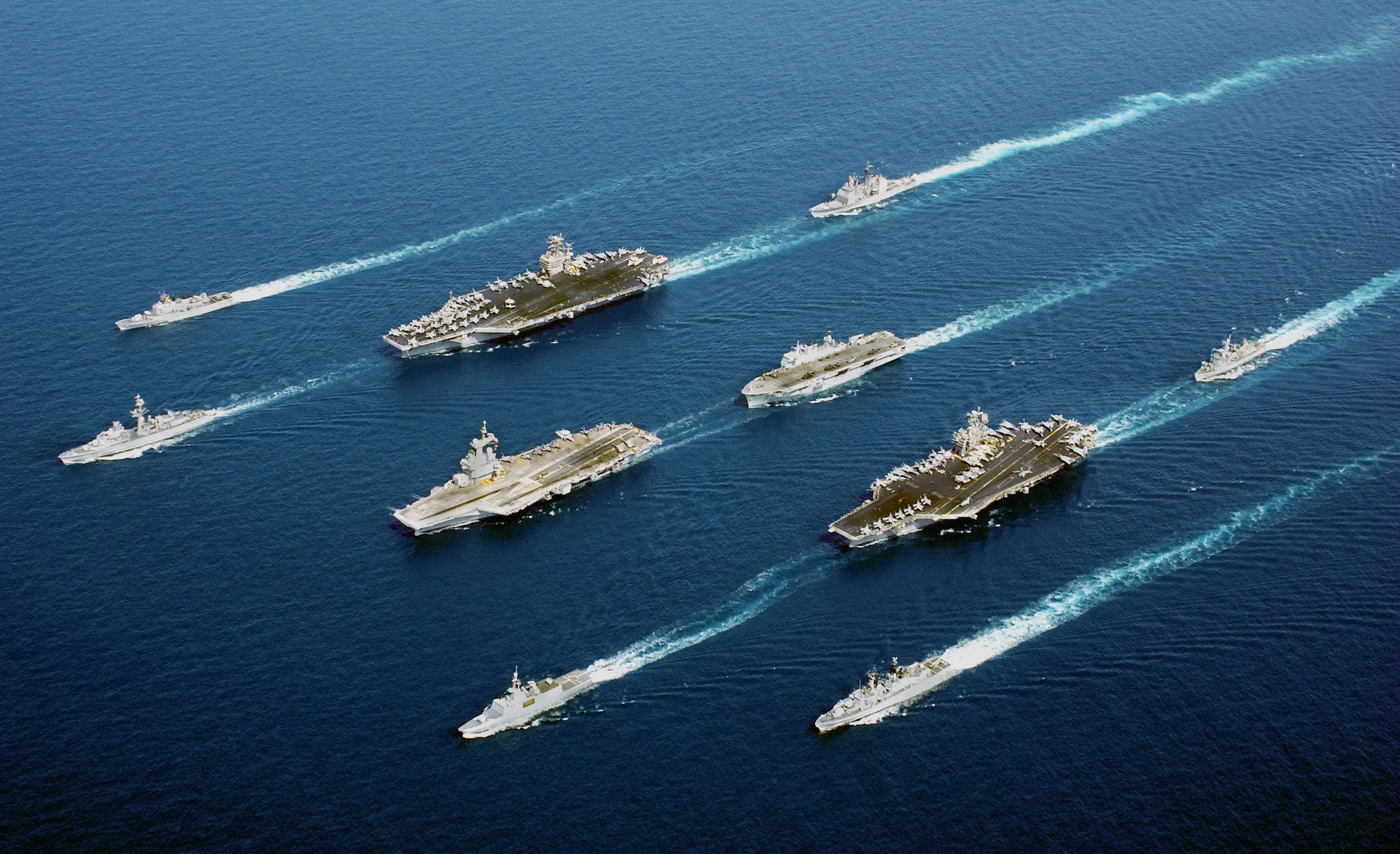
A brief origin and why carriers still matter
The first purpose-built aircraft carriers appeared in the early 20th century, with the British Royal Navy’s HMS Argus (1918) often cited as the first fully capable example. During the Second World War, carriers replaced battleships as the dominant naval platform, allowing aircraft to strike targets hundreds of miles away. Today, these mobile airbases remain the centrepiece of modern naval power, projecting air dominance, supporting amphibious operations and ensuring maritime security across vast oceans. Here's a list of top 7 countries with the most number of aircraft carriers along with helicopter carriers.
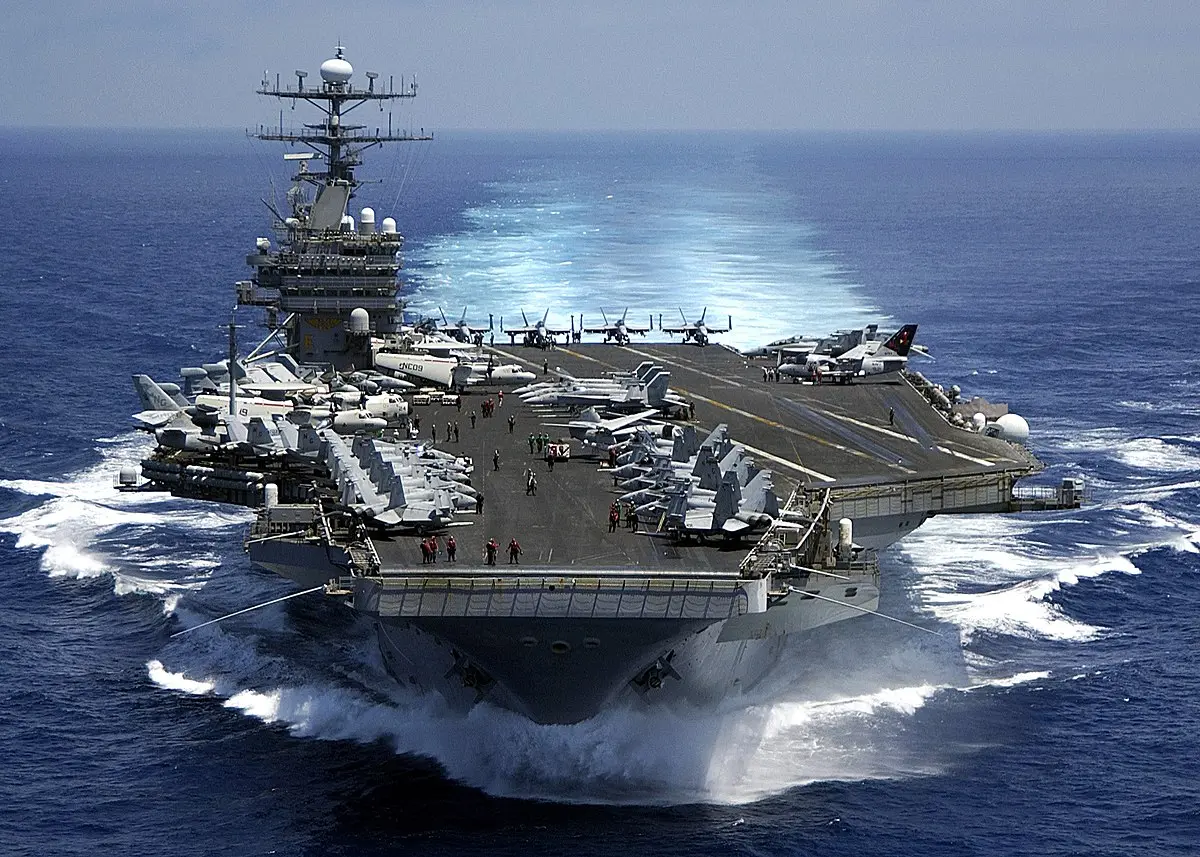
United States
The United States Navy maintains the world’s largest and most sophisticated carrier fleet. It operates eleven nuclear-powered supercarriers from the Nimitz and Gerald R. Ford classes, each displacing over 1,00,000 tonnes and carrying around 75 aircraft. It additionally has 9 helicopter carriers making a total of 20 carriers. In addition, the US has nine amphibious assault ships such as the America and Wasp classes, which can deploy F-35B fighters and helicopters. Altogether, the US Navy’s carrier force provides unmatched global reach and rapid-response capability, forming the backbone of its worldwide strike groups.
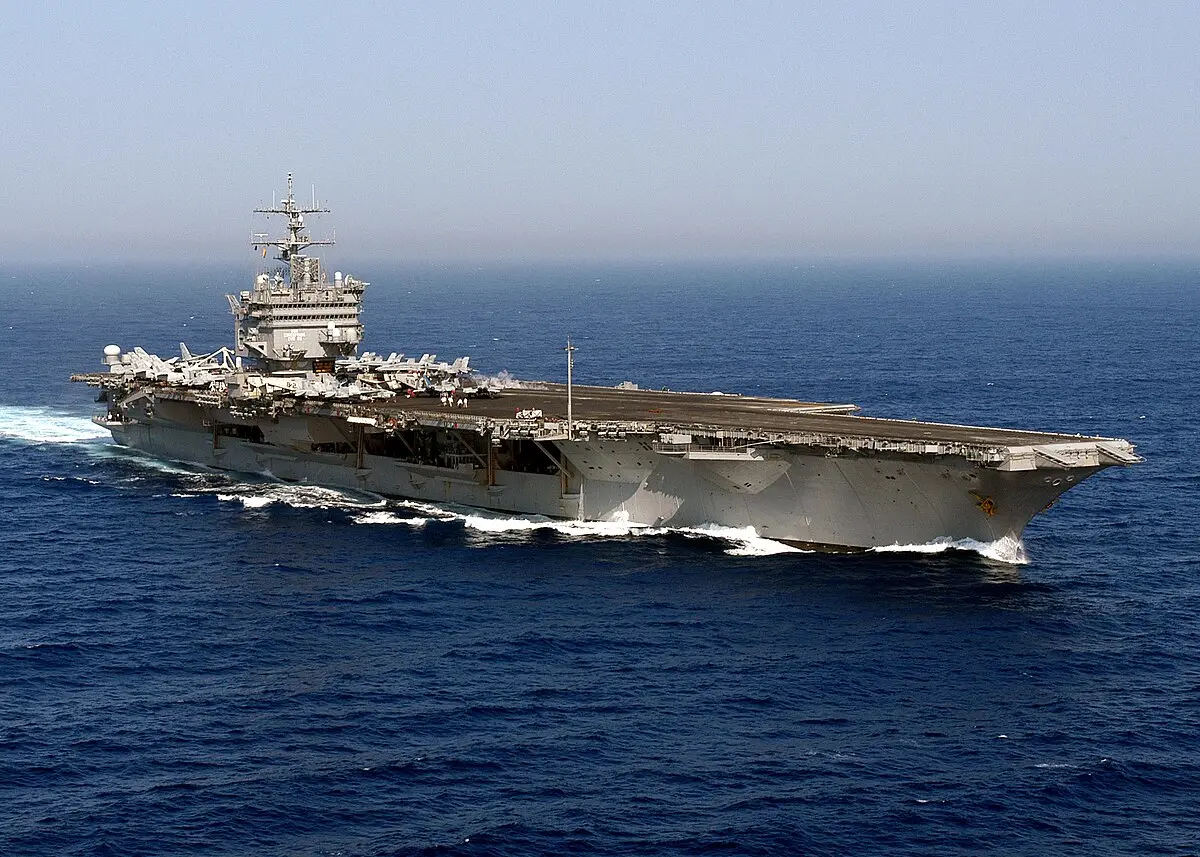
China
China’s People’s Liberation Army Navy (PLAN) has made remarkable progress in carrier development. It has 2 operational aircraft carriers and 3 helicopter carriers. Its first carrier, Liaoning, was a refurbished Soviet vessel, followed by the domestically built Shandong and the new-generation Fujian, which has begun sea trials. The Fujian is equipped with an advanced electromagnetic catapult system, rivalling Western carrier technology. China also operates several large amphibious and helicopter carriers, signalling its ambition to achieve blue-water naval dominance in the Indo-Pacific.
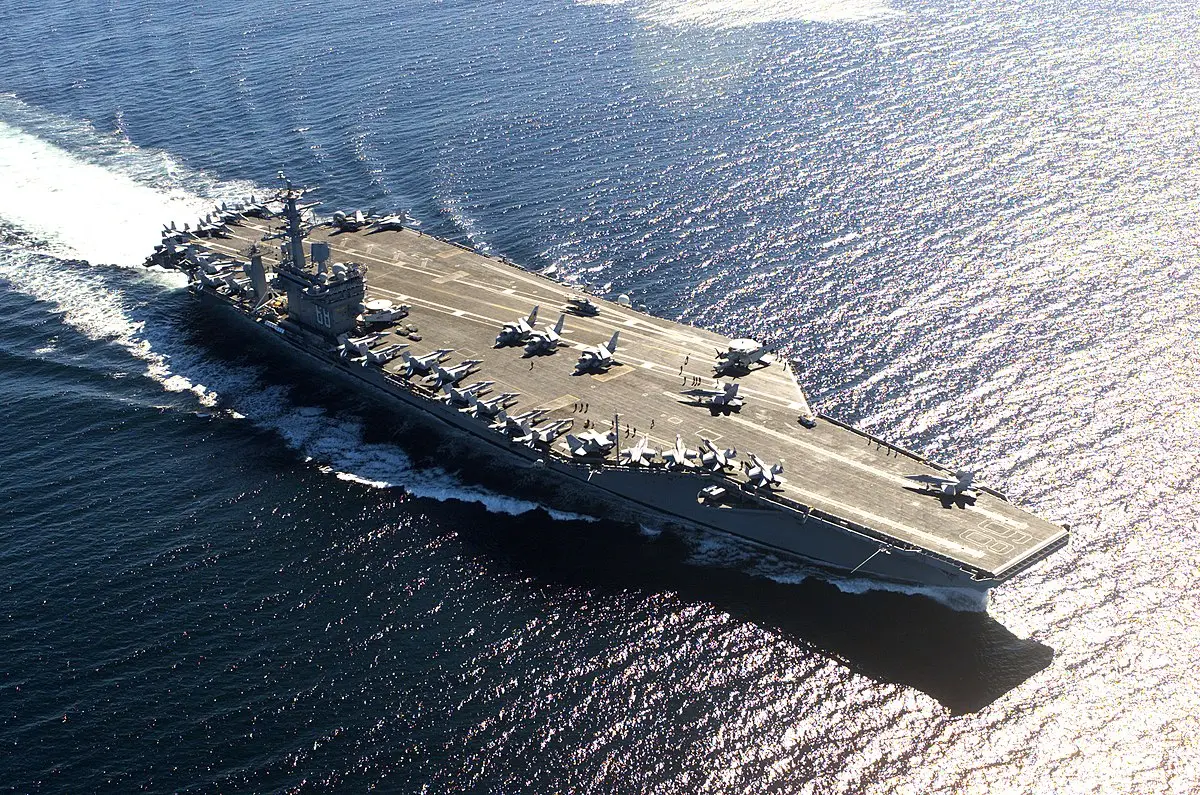
France
France operates the Charles de Gaulle, Europe’s only nuclear-powered aircraft carrier along with 3 helicopter carriers. Displacing around 42,000 tonnes, it typically carries about 30 aircraft, including Rafale M fighters, E-2C Hawkeyes and helicopters. The vessel serves as the flagship of the French Navy and a key tool for France’s global military presence. A next-generation French carrier, Porte-Avions Nouvelle Génération (PANG), is currently under development and expected to enter service in the 2030s.
Japan
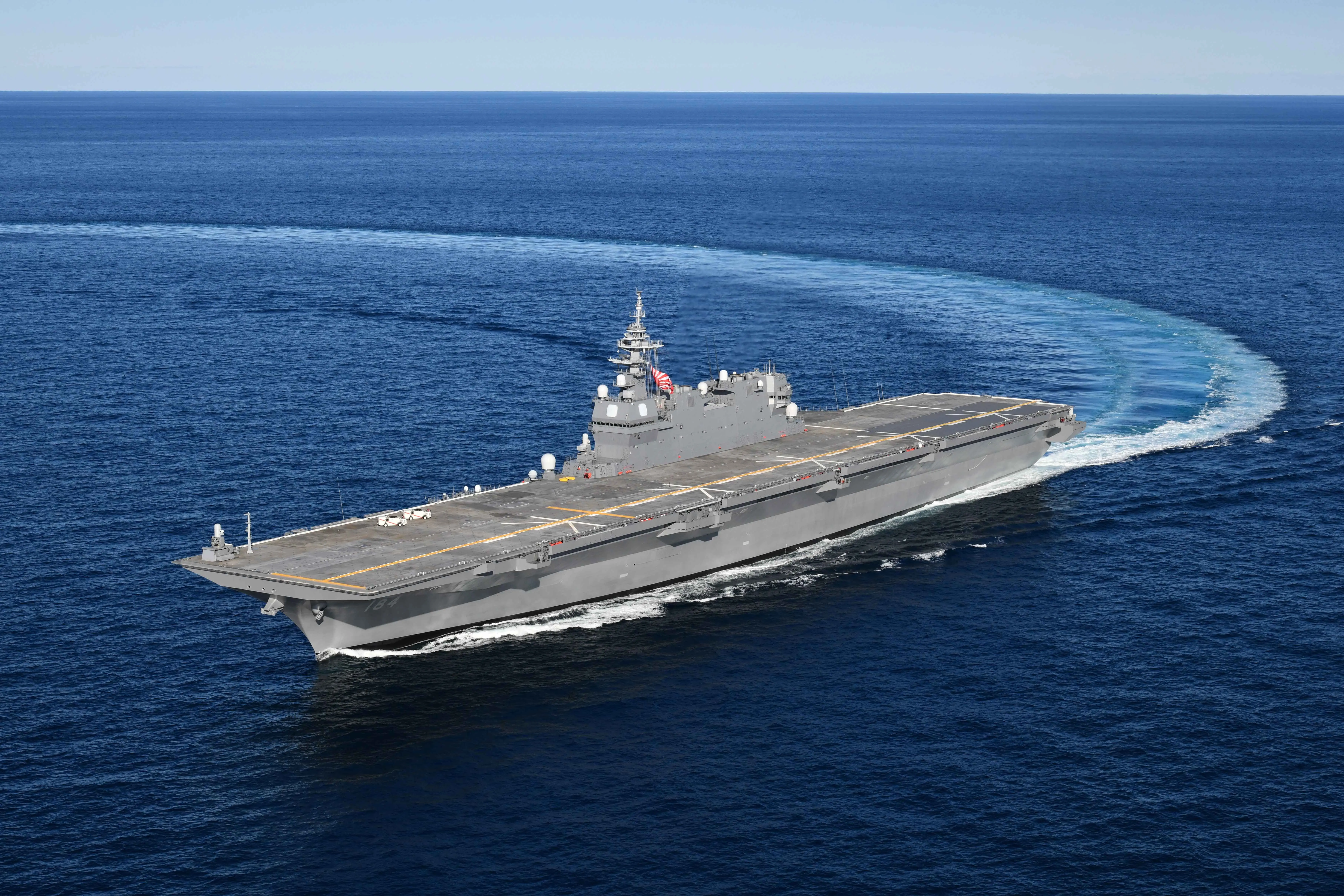
Japan has converted two of its Izumo-class helicopter destroyers, JS Izumo and JS Kaga, to operate F-35B short take-off and vertical landing (STOVL) fighters. These ships, alongside smaller helicopter carriers, provide Japan with one of Asia’s most capable naval aviation forces. The move marks a significant shift in Japan’s post-war defence posture, strengthening its deterrence capabilities amid growing regional tensions.
India
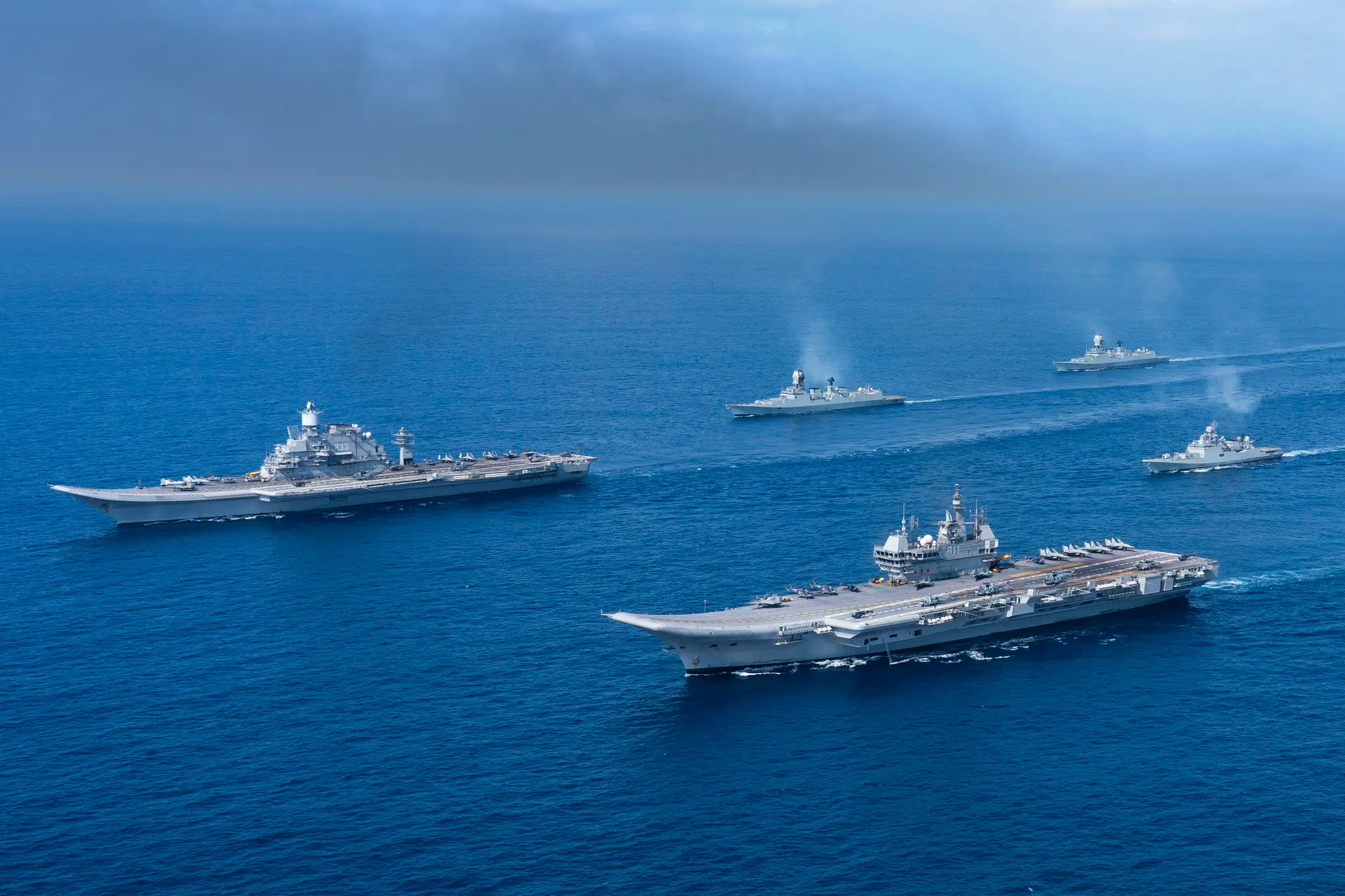
India operates two aircraft carriers: INS Vikramaditya, a refurbished Kiev-class vessel from Russia, and INS Vikrant, the first indigenous carrier built at Cochin Shipyard. Vikramaditya displaces about 45,000 tonnes, while Vikrant measures around 40,000 tonnes and can carry up to 30 aircraft, including MiG-29K fighters and naval helicopters. India’s long-term vision includes a third carrier, INS Vishal, to enhance its presence in the Indian Ocean Region and counter regional threats.
United Kingdom
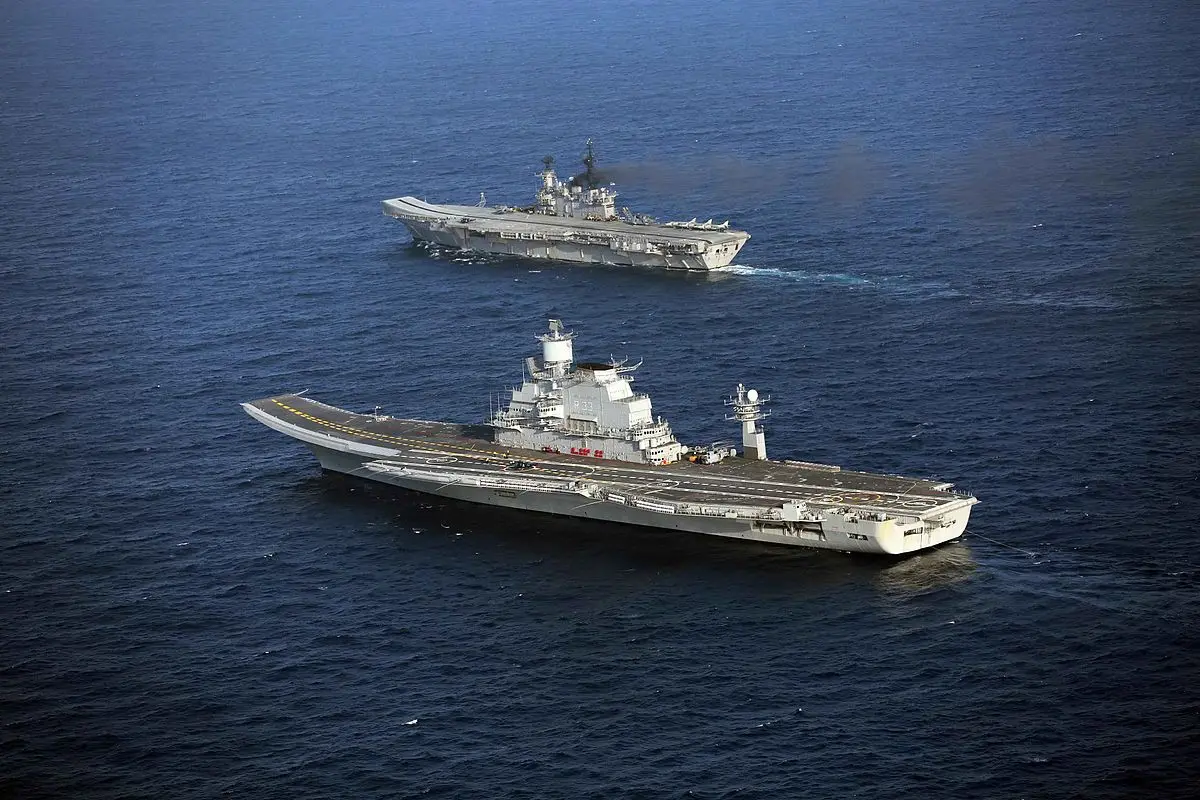
The United Kingdom operates two Queen Elizabeth-class carriers, HMS Queen Elizabeth and HMS Prince of Wales, each capable of embarking 40 to 60 aircraft, including F-35Bs.
Italy
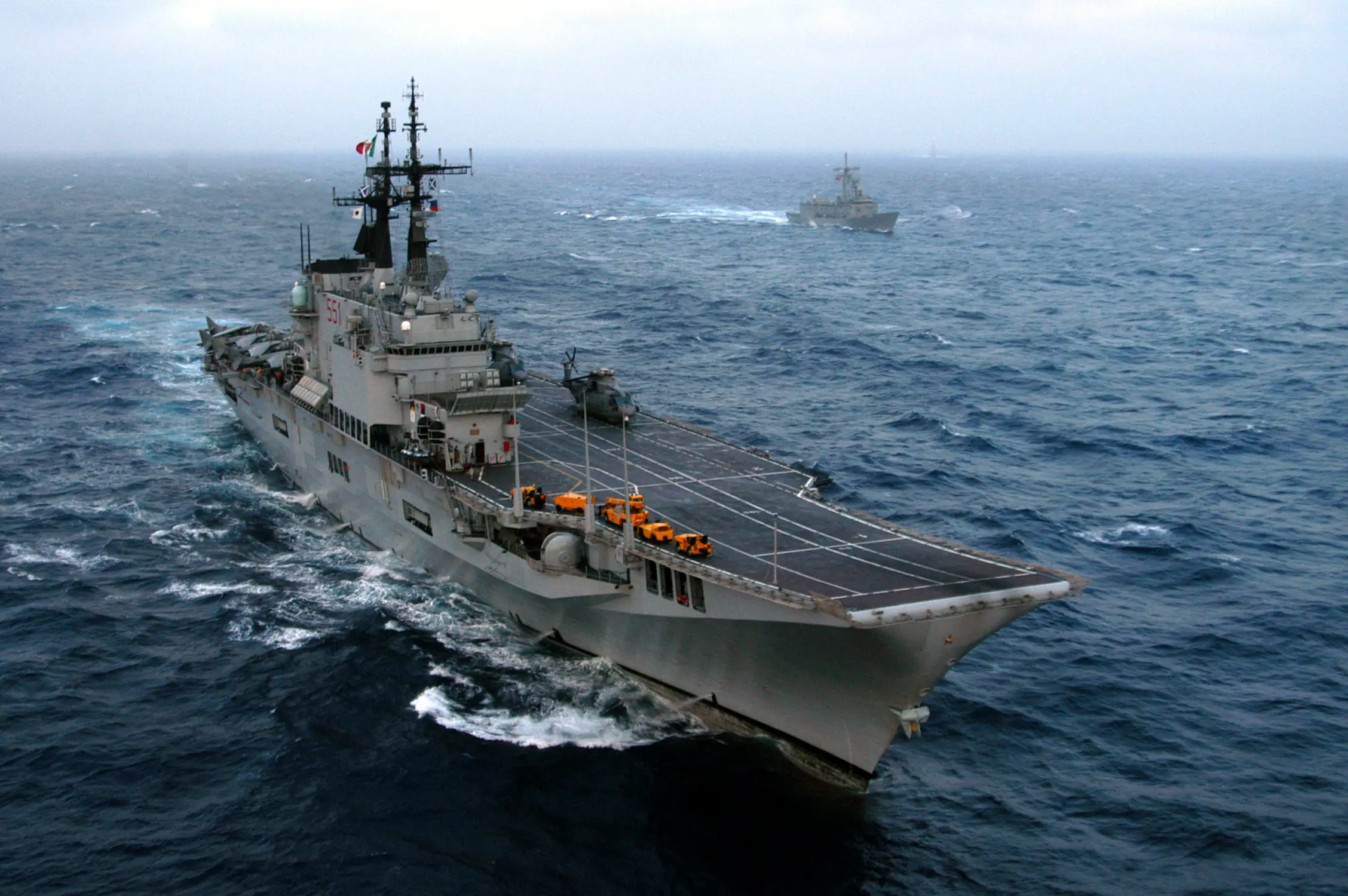
Italy maintains two carriers, Cavour and Giuseppe Garibald, both configured for multirole operations and STOVL jets. Together, these European powers sustain NATO’s maritime strike capability, combining technological sophistication with expeditionary flexibility.
)
)
)
)
)