These countries have the most renewable freshwater in 2026

Brazil holds 13.2 per cent of the world's renewable internal freshwater, followed closely by Russia. Yet despite these massive reserves, both nations face severe urban distribution challenges, while regions like the Middle East experience acute and growing water scarcity.
The Global Concentration
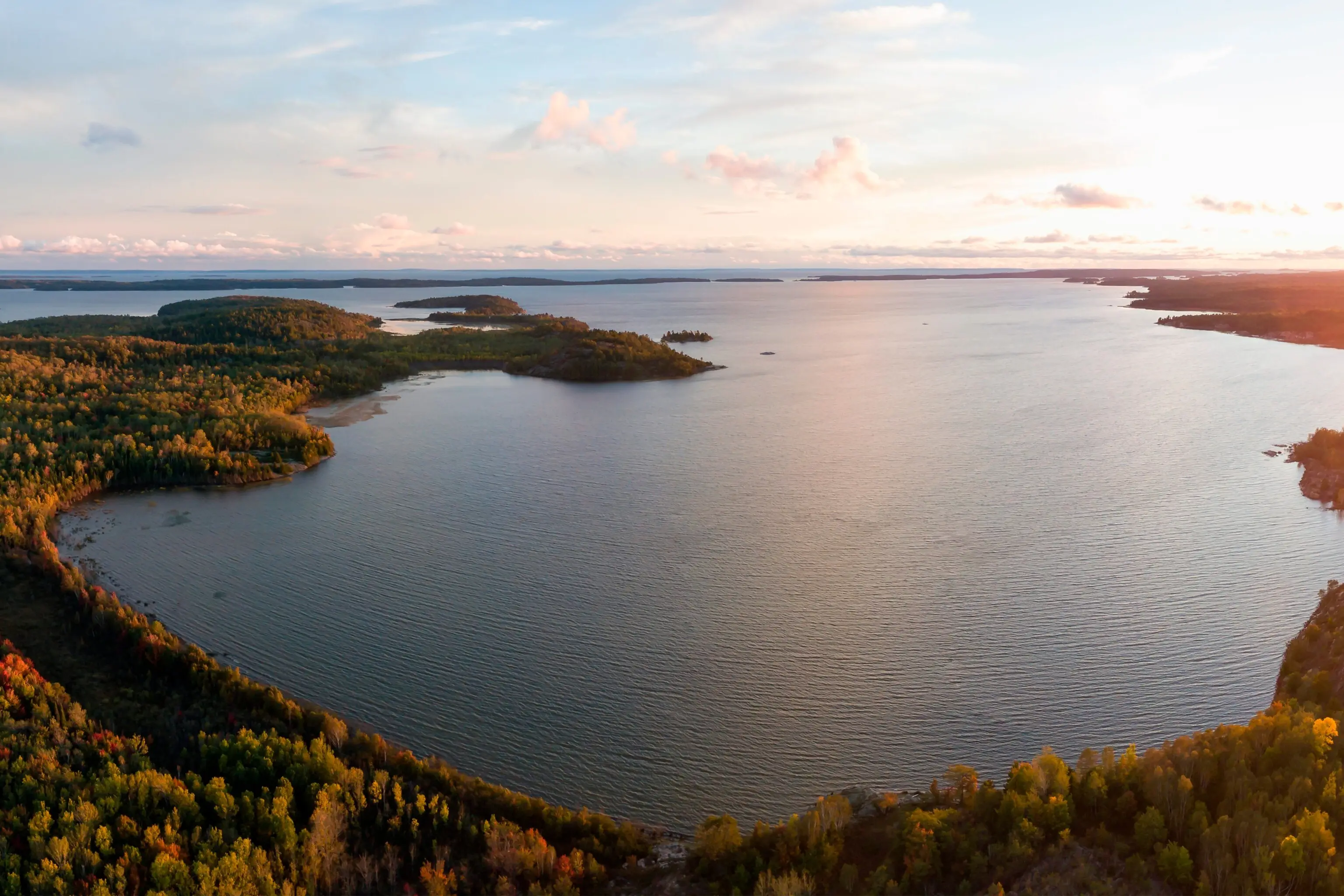
The world's renewable internal freshwater resources are heavily concentrated within a remarkably small number of nations. The top five countries alone account for 43.2 per cent of the entire global freshwater supply.
Brazil’s Massive Lead
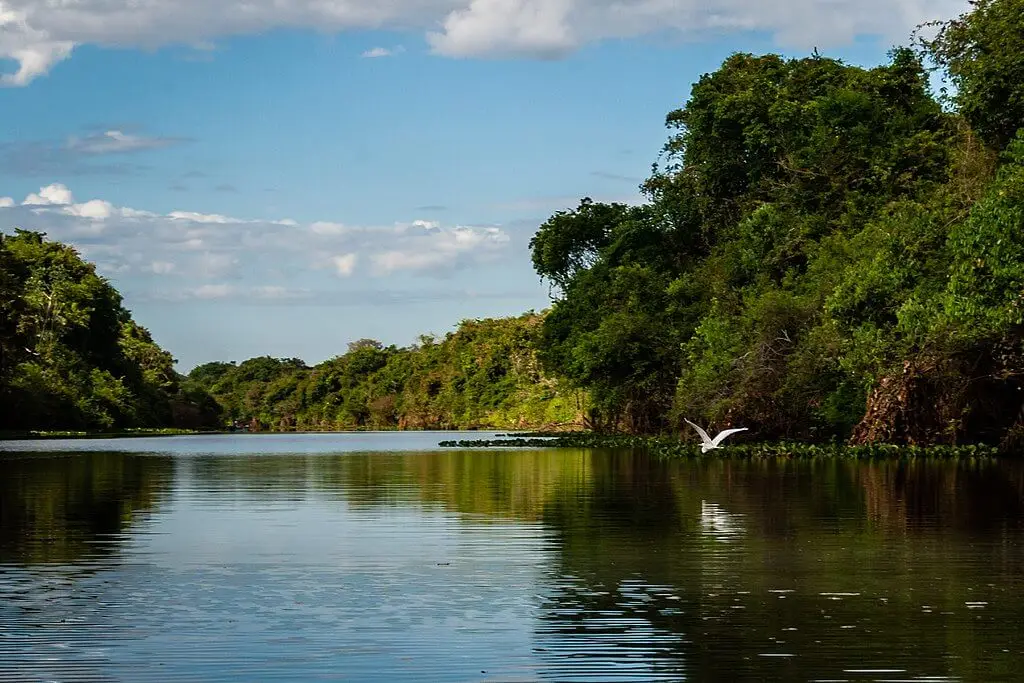
Brazil holds the undisputed top position globally, possessing over 5,600 billion cubic metres of internal freshwater. This massive reserve, largely driven by the Amazon River system, represents 13.2 per cent of the world's total supply.

Urban Water Scarcity
Despite having the absolute largest national supply, major Brazilian cities still experience severe water shortages. This crisis stems from declining rainfall, inadequate sanitation infrastructure, and vast distances separating urban centres from the Amazon basin.

Russia’s Vast Reserves
Russia claims the second spot globally with more than 4,300 billion cubic metres of renewable freshwater. Similar to Brazil, the country faces distribution challenges because most of its population lives far away from its greatest natural water resources.
The North American Supply
Canada ranks third globally, holding 6.7 per cent of the world's renewable internal freshwater resources. The United States follows closely in fourth place with 6.6 per cent, narrowly edging out China for the position.
A Regional Divide
Latin America and the Caribbean hold nearly one-third of all global freshwater, representing the largest share of any geographic region. In stark contrast, the Middle East controls just 1 per cent of the global total, leading to acute regional water scarcity.
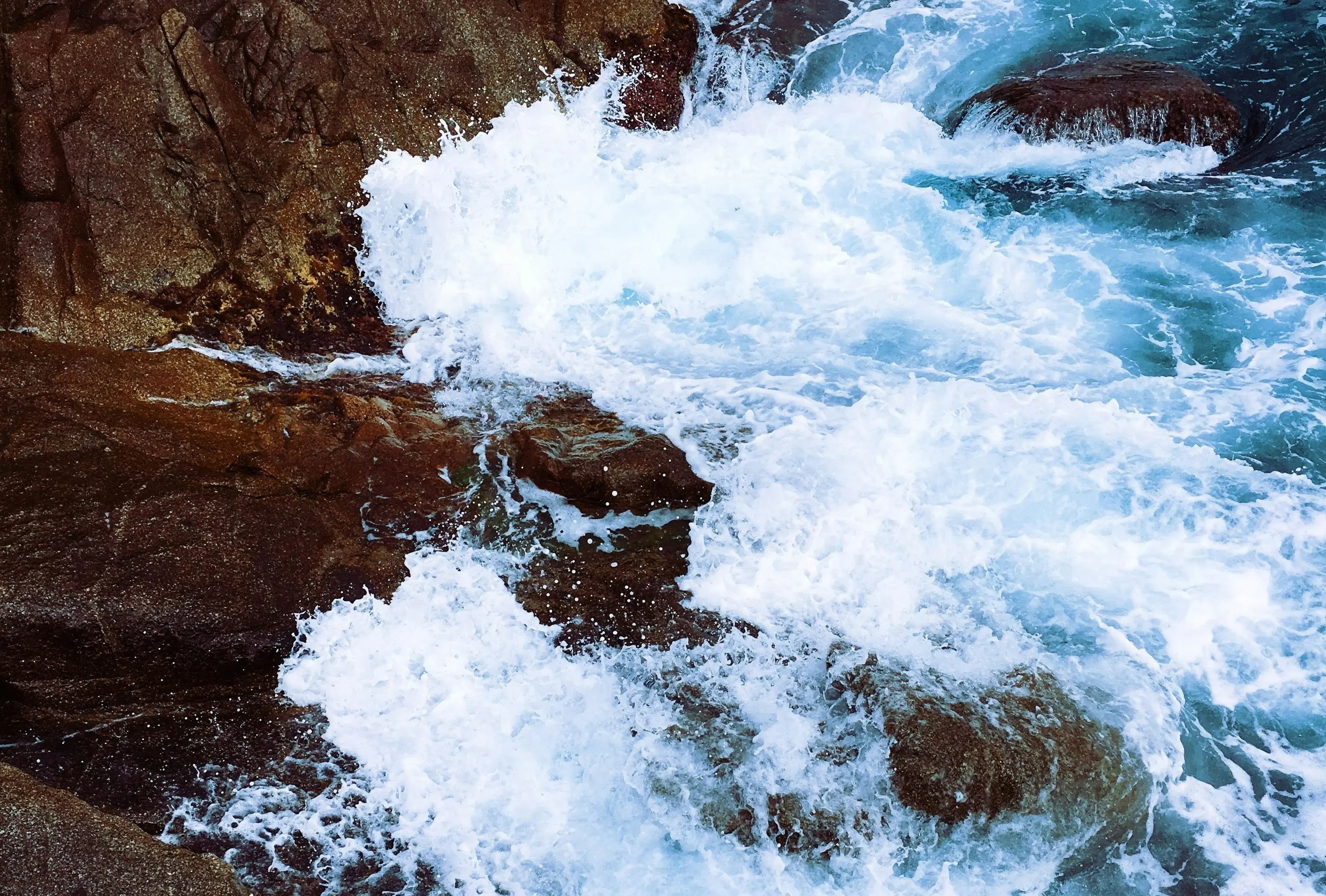
The Per-Capita Reality
When measured by freshwater available per person, the overall global rankings shift dramatically. Canada jumps to sixth place globally, while heavily populated nations like Brazil and Russia fall to 24th and 21st respectively.
)
)
)
)
)