Does seed cycling really work? Doctor explains the hormone-balancing trend

&imwidth=600&imheight=450&format=webp&quality=medium "Does seed cycling really work? Doctor explains the hormone-balancing trend")
Seeds Photograph: (Freepik)
Are you looking for a simple yet effective solution for your irregular periods? Incorporate seed cycling into daily meals. Know its benefits from an expert.
Hormones play a vital role in a woman’s overall health, especially when it comes to the menstrual cycle and fertility. Yet, many women today struggle with irregular periods, PMS, PCOS, or low energy levels, often due to hormonal imbalance. While modern medicine provides many solutions, natural approaches are also gaining popularity. One such wellness trend making waves is seed cycling.
Seed cycling is believed to be a gentle, food-based practice that may support hormonal balance by using the nutrients found in everyday seeds. While research on the topic is still limited, many women have turned to this method to regulate cycles, manage PCOS, and improve fertility.
What is seed cycling?
“Seed cycling is a diet practice that involves consuming particular seeds throughout the two primary stages of the menstrual cycle: the follicular and the luteal phase. The rationale is to maintain a balanced level of estrogen and progesterone in the body. This soothing dietary regimen is thought to alleviate symptoms of PMS, balance hormonal imbalance, enhance fertility, and even induce menstruation. In women with PCOS, whose hormones are typically disrupted, seed cycling can provide a natural means to get their cycles more on track when done on a regular basis,” explains Dr. Spurthy G Janney, Consultant- Obstetrics & Gynaecology, Manipal Hospital Whitefield, Bengaluru.
Simply put, seed cycling means eating different types of seeds depending on which half of the menstrual cycle you’re in.
Trending Stories
)
)
)
)
)
)
)
)
)
)
)
)
)
)
)
)
)
)
)
)
)
)
)
)
)
)
)
)
)
)
)
)
)
)
&im=FitAndFill=(700,400))
)
)
)
)
How it works: The phases of seed cycling
The menstrual cycle is divided into two main phases: the follicular phase and the luteal phase. The follicular phase runs from Day 1, which is the first day of menstruation, until ovulation around Day 14. During this time, estrogen is the dominant hormone, preparing the body for ovulation.
The luteal phase, on the other hand, begins after ovulation and continues until the next period begins, roughly Day 15 to Day 28. In this phase, progesterone becomes the key hormone, supporting the uterine lining for a possible pregnancy.
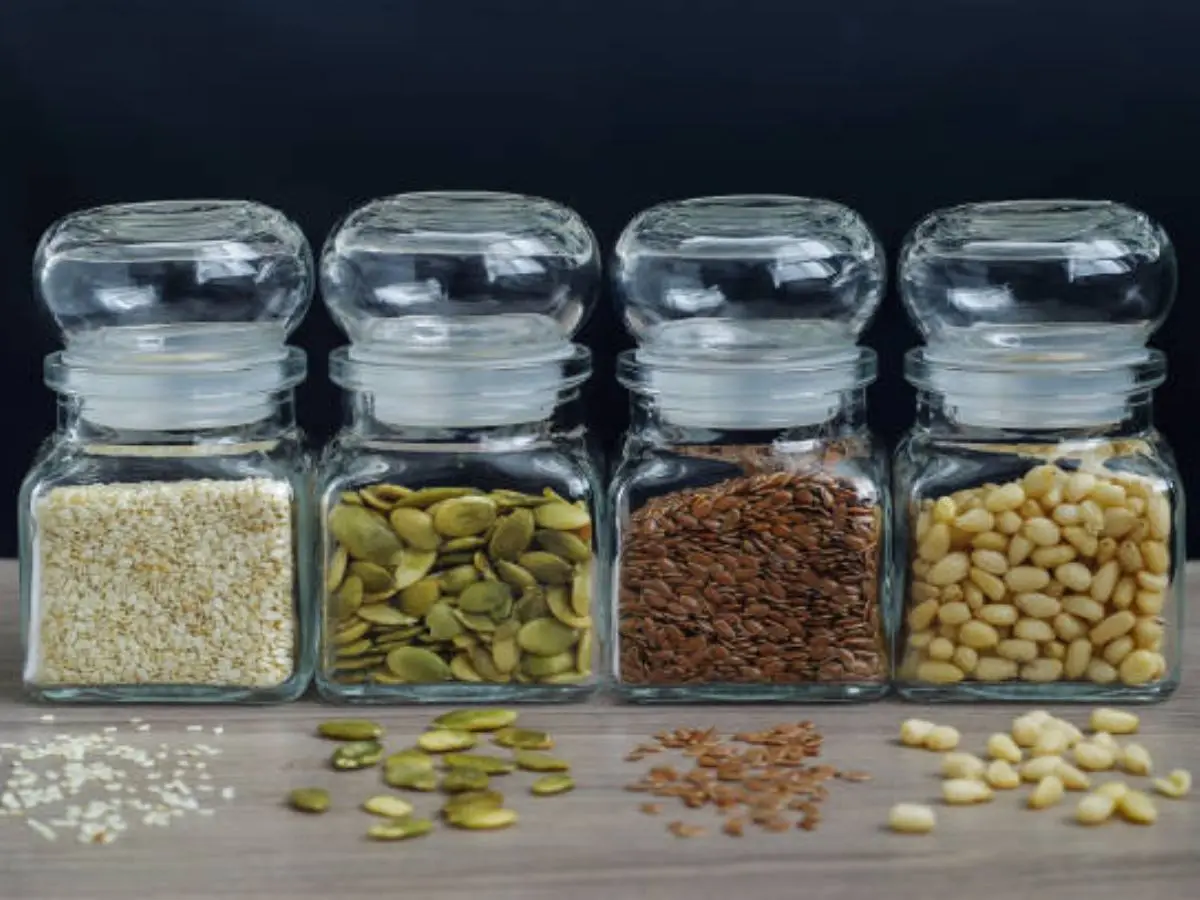
Seed cycling works by pairing specific seeds with these natural hormonal shifts. During the follicular phase, flaxseeds and pumpkin seeds are recommended. Flaxseeds are rich in lignans, which can help balance estrogen by binding to any excess in the body, while pumpkin seeds provide zinc, an essential mineral that helps prepare the body for progesterone production in the next phase.
Once ovulation occurs and the luteal phase begins, the focus shifts to sesame seeds and sunflower seeds. Sesame seeds contain lignans and zinc, both of which support estrogen balance and aid progesterone activity. Sunflower seeds, on the other hand, are packed with vitamin E, which boosts progesterone levels, and selenium, a nutrient that supports liver function in clearing out excess estrogen.
By aligning seed intake with the body’s hormonal rhythm, seed cycling aims to naturally support balance and ease common menstrual concerns.
How much to eat and in what form
For best results, consume two tablespoons of the respective seeds daily during each phase. It recommend eating them raw and ground, since this makes absorption easier.
You don’t have to eat them plain, add them into smoothies, mix with yoghurt, stir into oatmeal, sprinkle on salads, or even blend into dressings. Think of them as hormone-friendly “toppers” for your meals.
How long before results show?
Seed cycling is not a quick fix. It works gradually by gently nudging hormones toward balance. Some women may notice reduced PMS, improved energy, or more regular cycles within a few months.
Dr. Spurthy stresses patience: “Seed cycling isn't a magic solution. It impacts slowly by softly sustaining hormonal balance. Most women should start to see improvements in their cycles, PMS, and energy levels after consistently practicing it for several months. The most important thing is patience and consistency, coupled with a healthy lifestyle consisting of adequate sleep, exercise, and stress management.”
Is it only for women with regular cycles?
Not necessarily. Women with irregular or missing periods can still try seed cycling. In such cases, the moon phases can serve as a guide- new moon to full moon for flax and pumpkin seeds, and full moon to new moon for sunflower and sesame seeds. Interestingly, many women’s natural cycles mirror the 28-day lunar rhythm.
Why women with PCOS turn to seed cycling
For women with Polycystic Ovary Syndrome (PCOS), hormones are often out of sync, leading to missed periods, acne, and fertility struggles. The nutrients in seeds like omega-3s, lignans, zinc, and selenium are thought to help improve hormonal balance, support ovulation, and lower inflammation. Though not a cure, seed cycling can be a gentle, food-based addition to a holistic PCOS management plan.
While seed cycling is promising, it shouldn’t be seen as a stand-alone solution. Hormonal balance depends on multiple factors such as stress, diet quality, exercise, and sleep. Seeds can offer valuable nutrients, but consistency and overall lifestyle play the biggest role in long-term benefits.