Will Netanyahu lose premiership? How prediction markets and opinion poll numbers stack up ahead of Israeli elections

&imwidth=600&imheight=450&format=webp&quality=medium "Will Netanyahu lose premiership? How prediction markets and opinion poll numbers stack up ahead of Israeli elections")
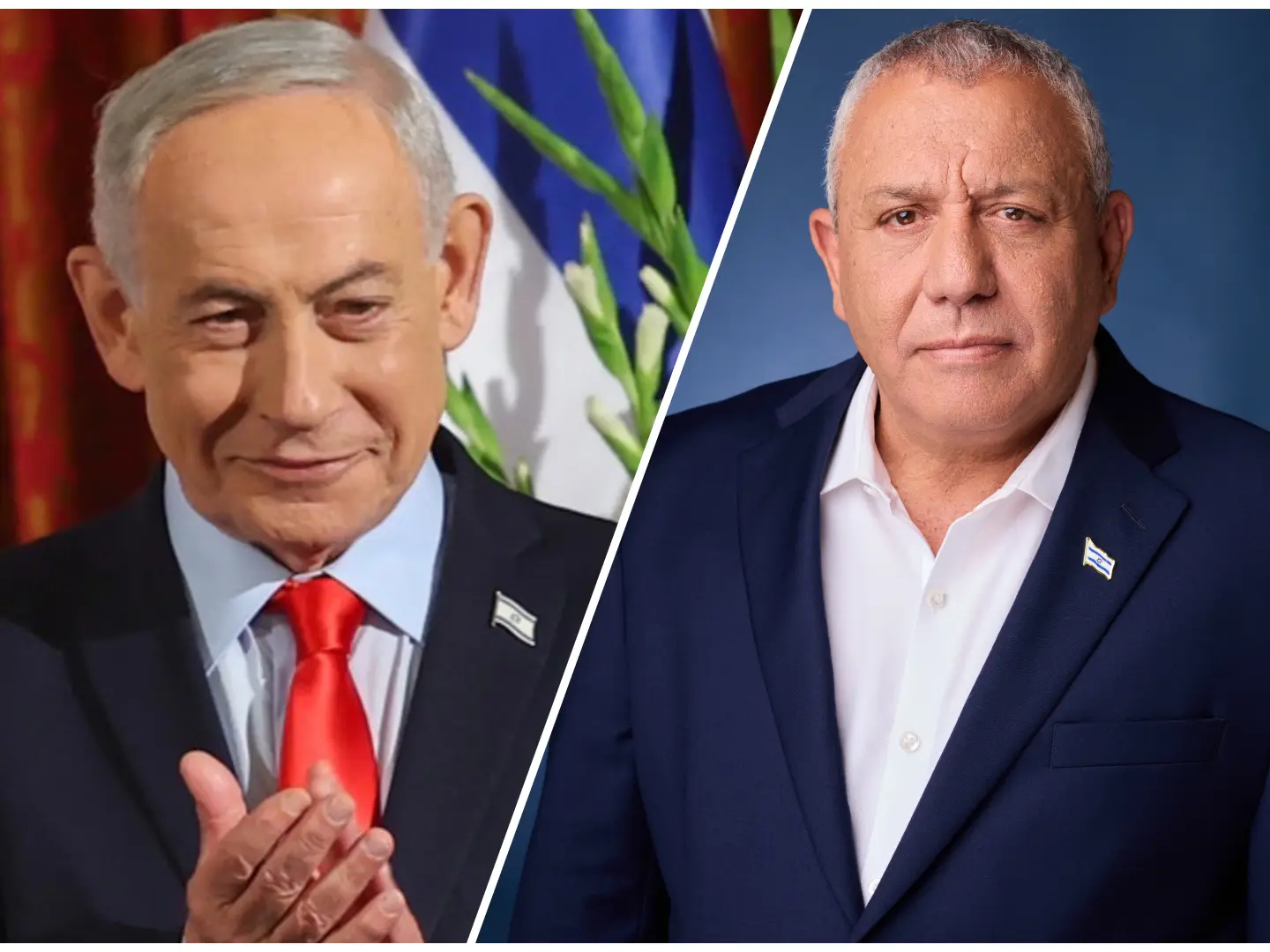
Benjamin Netanyahu and Gadi Eisenkot Photograph: (Others)
Israel’s October 27 election pits Prime Minister Benjamin Netanyahu against top contender for premiership Gadi Eisenkot, with polls showing a tight race. Neither bloc appears near the 61-seat majority, making coalition arithmetic and post-election negotiations inevitable
Prime Minister Benjamin Netanyahu is leading a caretaker government ahead of the October 27 elections, with his nationalist coalition becoming the first Israeli government in over half a century to complete its full four-year term without collapse or dissolution. The only Israeli PM since Golda Meir to successfully see out a full parliamentary term in office, Netanyahu has steered the Jewish state through one of the most tumultuous periods in its history, which started with internal political instability and worsened with the October 7, 2023, Hamas terror attack, which cascaded into the Gaza war and the Iran-Israel-US conflict. The 25th Knesset completed its full scheduled duration and was dissolved on 17 July, the first time the Israeli parliament had completed its regular term on schedule since 1988. But will Netanyahu make a comeback as Israeli PM for the seventh term? What are the opinion polls and prediction markets saying?
Gadi Eisenkot is the frontrunner in prediction markets
Former military chief Gadi Eisenkot, who started his new centrist Zionist party Yashar just a year ago, is ahead of Netanyahu in the top prediction markets. Polymarket put Eisenkot at approximately 48 per cent, compared with 35–36 per cent for Netanyahu. Naftali Bennett is at nearly 10 per cent, while Avigdor Lieberman is at under 2 per cent. On Kalshi prediction market, the odds are in favour of Eizenkot at 49 per cent, while Netanyahu is at 34 per cent and Bennett at 8 per cent. A longer-term Kalshi market question on 'Who will succeed Netanyahu as Prime Minister of Israel' shows Eisenkot favoured higher, at around 60 per cent.
Opinion polls paint a tighter picture
In opinion polls, Yashar and Netanyahu's Likud are tied as the two largest parties, with both averaging 21–23 seats. Bennett's party averages 11 seats, Yair Golan's The Democrats 9–10, Lieberman's Yisrael Beytenu 8–9, and the right-wing Otzma Yehudit, led by firebrand Ben-Gvir, around 8. Recent polls by Kan, N12 and Channel 13 show Eisenkot leading or tied with Netanyahu, while Bennett trails Netanyahu more clearly.
Trending Stories
&imwidth=280&imheight=210&format=webp&quality=medium)
&imwidth=280&imheight=210&format=webp&quality=medium)
&imwidth=280&imheight=210&format=webp&quality=medium)
&imwidth=280&imheight=210&format=webp&quality=medium)
&imwidth=280&imheight=210&format=webp&quality=medium)
&imwidth=280&imheight=210&format=webp&quality=medium)
&imwidth=280&imheight=210&format=webp&quality=medium)
&imwidth=280&imheight=210&format=webp&quality=medium)
&imwidth=280&imheight=210&format=webp&quality=medium)
&imwidth=280&imheight=210&format=webp&quality=medium)
&imwidth=280&imheight=210&format=webp&quality=medium)
&imwidth=280&imheight=210&format=webp&quality=medium)
&imwidth=280&imheight=210&format=webp&quality=medium)
&imwidth=280&imheight=210&format=webp&quality=medium)
&imwidth=280&imheight=210&format=webp&quality=medium)
&imwidth=280&imheight=210&format=webp&quality=medium)
&imwidth=280&imheight=210&format=webp&quality=medium)
&imwidth=280&imheight=210&format=webp&quality=medium)
&imwidth=280&imheight=210&format=webp&quality=medium)
&imwidth=280&imheight=210&format=webp&quality=medium)
&imwidth=280&imheight=210&format=webp&quality=medium)
&imwidth=280&imheight=210&format=webp&quality=medium)
&imwidth=280&imheight=210&format=webp&quality=medium)
&imwidth=280&imheight=210&format=webp&quality=medium)
&imwidth=280&imheight=210&format=webp&quality=medium)
&imwidth=280&imheight=210&format=webp&quality=medium)
&imwidth=280&imheight=210&format=webp&quality=medium)
&imwidth=280&imheight=210&format=webp&quality=medium)
&imwidth=280&imheight=210&format=webp&quality=medium)
&imwidth=280&imheight=210&format=webp&quality=medium)
&imwidth=280&imheight=210&format=webp&quality=medium)
&imwidth=280&imheight=210&format=webp&quality=medium)
&imwidth=280&imheight=210&format=webp&quality=medium)
&imwidth=280&imheight=210&format=webp&quality=medium)
&im=FitAndFill=(700,400)&imwidth=280&imheight=210&format=webp&quality=medium)
&imwidth=280&imheight=210&format=webp&quality=medium)
&imwidth=280&imheight=210&format=webp&quality=medium)
&imwidth=280&imheight=210&format=webp&quality=medium)
&imwidth=280&imheight=210&format=webp&quality=medium)
How is the Knesset going to look?
The next government is also likely to be a coalition, given how the 120 seats in the Knesset are currently projected to be distributed. Netanyahu's outgoing coalition parties, which include Likud, Religious Zionism, Otzma Yehudit, Shas and United Torah Judaism (UTJ), average 51–54 seats across recent aggregates. Only some right-leaning pollsters, such as Channel 14, have projected a majority for Likud and its allies. The Zionist opposition parties combined are in the low-to-mid 50s. Arab parties are averaging around 13 seats.
But no bloc has consistently cleared the 61-seat threshold required to form a government. This indicates that once again, coalition arithmetic will kick in after the elections. Whether Netanyahu will still emerge as PM will depend on Likud's electoral performance as well as post-election negotiations. On that count, this is not Netanyahu's first rodeo.