Netanyahu’s office slams report claiming US feared Israel would assassinate Iranian negotiators

&imwidth=600&imheight=450&format=webp&quality=medium "Netanyahu’s office slams report claiming US feared Israel would assassinate Iranian negotiators")
Report claims US warned Iran about assassination threat. Israel calls it fiction Photograph: (AFP)
Did Washington fear Israel could assassinate Iran's top negotiators and derail a fragile peace process? An explosive report says US officials quietly warned Tehran through intermediaries, but Benjamin Netanyahu's office has now issued a furious response, calling the claims "fake news".
Israeli Prime Minister Benjamin Netanyahu's office has fiercely denied an explosive media report alleging that Washington feared Israel might attempt to assassinate top Iranian negotiators during Islamabad diplomatic talks earlier this year.
The pushback follows a report by The New York Times that claimed that American officials were deeply concerned Israel would target Iranian Foreign Minister Abbas Araghchi and Parliament Speaker Mohammad Bagher Ghalibaf. According to the report, these anxieties peaked in the weeks following the April 8 ceasefire, which paused the military conflict involving the US, Israel, and Iran.
What did Israel say?
Netanyahu’s office issued a blunt rejection on X, labelling the claims a total fiction. "As usual, The New York Times' latest story about Israel and the Iranian negotiators is fake news," the Prime Minister’s Office stated. "A complete fabrication of reality."
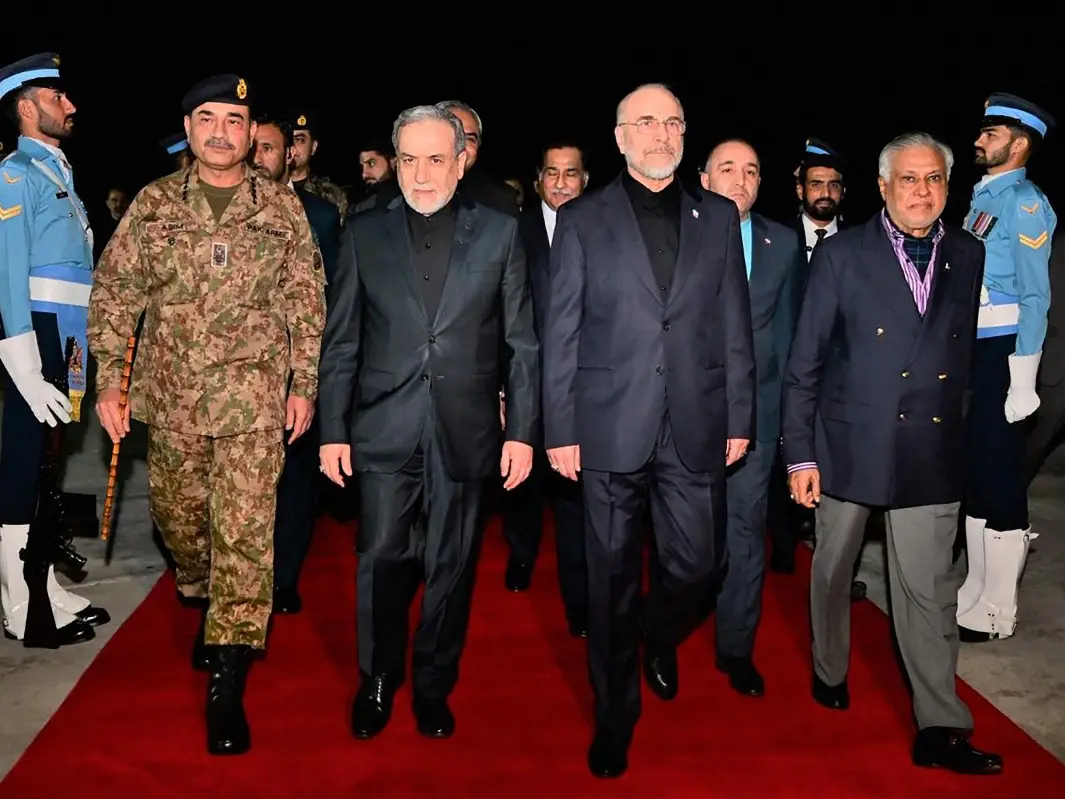
According to the Times, US intelligence and diplomatic officials went as far as passing indirect warnings to Tehran through regional intermediaries. Washington reportedly asked counterparts in neighbouring Middle Eastern nations to alert Iran that its chief representatives might face assassination attempts.
Trending Stories
&im=FitAndFill=(700,400))
)
)
)
)
&im=FitAndFill=(700,400))
)
)
)
)
)
)
)
)
)
)
)
&im=FitAndFill=(700,400))
)
)
)
)
)
&im=FitAndFill=(700,400))
)
)
)
)
)
&im=FitAndFill=(700,400))
)
)
)
While both Araghchi and Ghalibaf were considered active targets by Israel during the initial, high-intensity phase of the war, American officials argued that killing them after the April ceasefire would have instantly collapsed the peace process and re-ignited full-scale hostilities.
The report highlighted a specific, narrow escape on April 12, when Iranian security forces allegedly ordered Ghalibaf’s plane to make an emergency landing in Mashhad after intelligence indicated Israeli fighter jets had entered Iranian airspace from Iraq to intercept it.
Neither Washington nor Tehran has formally confirmed the NYT account.
A growing strategy rift between the US and Israel
The allegations underscore the friction building between the Trump administration and Netanyahu's government over the scope of the regional conflict. In the opening weeks of the war, Israel successfully eliminated a significant portion of Iran's political and military command structure, including the country's former supreme leader Ali Khamenei.
However, as it became clear the campaign would not trigger total regime change in Tehran, Washington shifted its priority toward a negotiated settlement—a move Netanyahu has frequently undermined. The assassination of senior Iranian national security official Ali Larijani in March reportedly infuriated US officials, who felt Israel was systematically wiping out the very interlocutors they needed to broker a truce.
The report drew further parallels to a September 2025 strike in Doha, which targeted and killed Hamas negotiators during active ceasefire discussions.
Netanyahu and Trump schedule face-to-face talks
Despite the tactical disagreements behind the scenes, both leaders are attempting to show a unified public front. Netanyahu’s office confirmed that the Prime Minister spoke with US President Donald Trump by phone on Friday to congratulate him on the 250th anniversary of American independence.
During the call, the two leaders agreed to meet in the United States in the near future to coordinate on regional security. "The US is what ensures the freedom of the world, and Israel greatly appreciates the tight bond between the nations," Netanyahu reportedly told Trump.

