

&imwidth=800&imheight=600&format=webp&quality=medium "Can India withstand another West Asia crisis? How Israel-Hezbollah-Iran tensions could hit its energy security | WION Decodes")
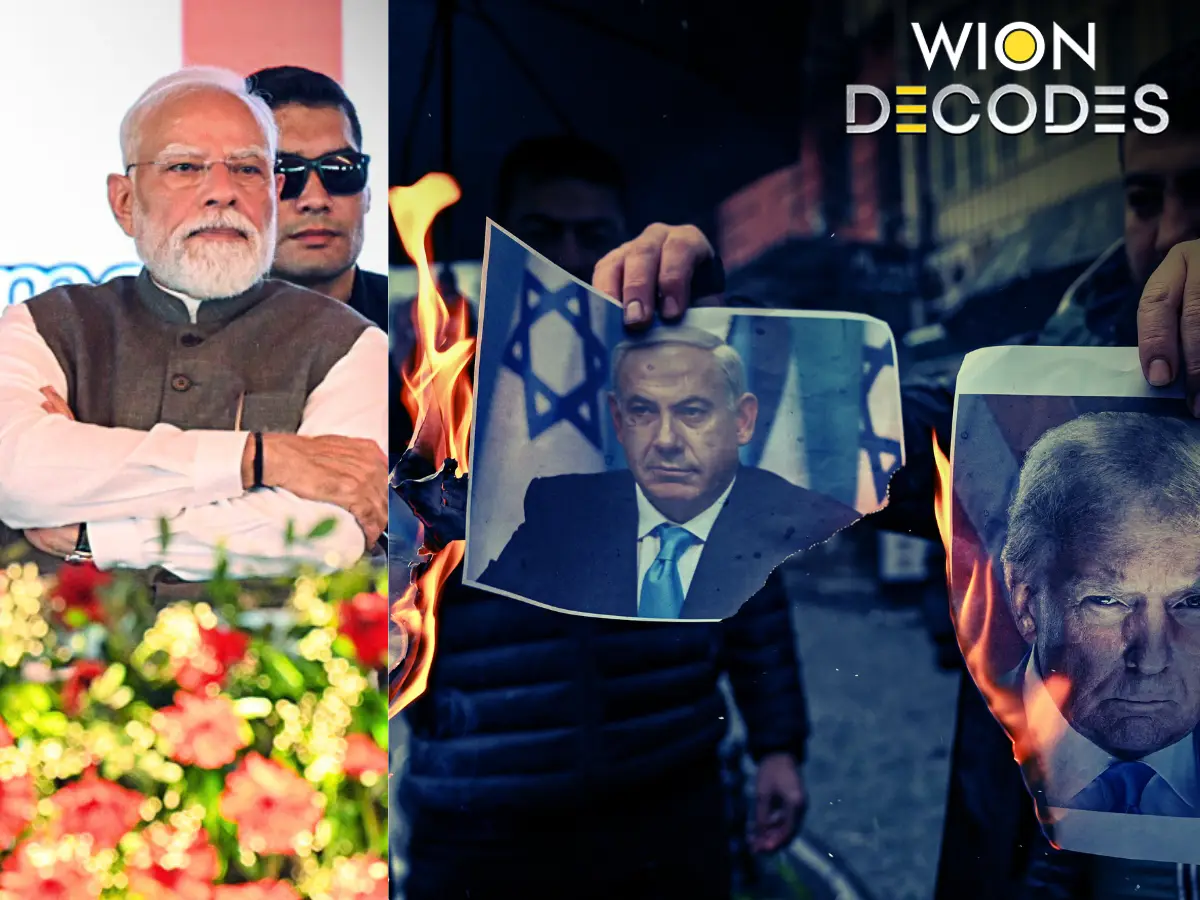
A fresh flare-up between Israel and Hezbollah in southern Lebanon is once again raising alarms across the globe, and for India, the concern goes well beyond diplomacy.
An Israeli strike on a vehicle in southern Lebanon killed two people on Wednesday (Jun 24), Lebanese state media reported, with Hezbollah calling it another violation of the truce between the two sides. The Israeli military, meanwhile, said it had targeted armed Hezbollah operatives who posed a threat and later struck a vehicle carrying suspects.
Also read | US-Iran peace deal: Inside the 14-point MoU that ended over 108 days of war | WION Decodes
One might say that this comes before the ink on the paper of the 14-point MoU between the United States and Iran could even dry. The incident is the latest reminder that even when the wider war appears to cool on paper, the risk of renewed escalation remains very real. For India, if the tensions between Israel and Hezbollah continue to flare up, it could mean a problem with direct economic and strategic consequences. Why? WION Decodes.
Oil prices are the first worry
India imports more than 85 per cent of its crude oil needs, much of it from West Asia. That makes any regional conflict involving Iran, Israel and Hezbollah a major concern for the Indian economy.
Trending Stories
&im=FitAndFill=(700,400)&imwidth=180&imheight=135&format=webp&quality=medium)
Navratri 2026: 9 days, 9 forms of Goddess Durga and 9 colours- Check the complete list
&imwidth=180&imheight=135&format=webp&quality=medium)
Korean peninsula tensions escalate as North Korea launches multiple ballistic missiles, PACOM says 'no threat to US personnel'
&imwidth=180&imheight=135&format=webp&quality=medium)
Trump weighs firing Kimberly Guilfoyle as US ambassador to Greece amid misconduct allegations: Report
&imwidth=180&imheight=135&format=webp&quality=medium)
Anti-SIR protest in Mumbai: Protestors wear black masks & ribbons in Mumbai
&imwidth=180&imheight=135&format=webp&quality=medium)
UK PM Andy Birnham renews claims of Russian meddling in Brexit vote
&imwidth=180&imheight=135&format=webp&quality=medium)
BCCI rejects venue shift reports, India vs Sri Lanka 1st ODI to remain in Delhi
&imwidth=180&imheight=135&format=webp&quality=medium)
1,500 drones illuminate Mumbai sky as Cordelia Cruises unveils second ship, Cordelia Sky
&imwidth=180&imheight=135&format=webp&quality=medium)
India Rejects Pakistan-China Boundary Commission, Tells Islamabad to Drop 'Theatrics' | GRAVITAS
&imwidth=180&imheight=135&format=webp&quality=medium)
Houthis warns US of 'painful response' if Washington joins Saudi war in Yemen as airlines suspend flights to Saudi Arabia
&imwidth=180&imheight=135&format=webp&quality=medium)
Congress demands action against chief election commissioner
&imwidth=180&imheight=135&format=webp&quality=medium)
Apple HomeView smart home hub may launch soon with A18 chip, display and Siri controls: What to expect
&imwidth=180&imheight=135&format=webp&quality=medium)
'Turn approver, resign, we'll forgive you': Rahul Gandhi claims receiving messages from CEC Gyanesh Kumar
&imwidth=180&imheight=135&format=webp&quality=medium)
'I will not be silenced': Ilhan Omar alleges political intimidation after federal officers search her Washington home
&imwidth=180&imheight=135&format=webp&quality=medium)
Use AI as your ‘second brain’: Meta AI chief Alexandr Wang’s message to young people
&imwidth=180&imheight=135&format=webp&quality=medium)
Robotic surgery, advanced treatment: What is coming to this small Gujarat town?
&imwidth=180&imheight=135&format=webp&quality=medium)
US federal agents raid Dem Rep Ilhan Omar’s home ahead of midterms
&imwidth=180&imheight=135&format=webp&quality=medium)
Pakistan's government blames PTI for rise of terrorism in Khyber Pakhtunkhwa
&imwidth=180&imheight=135&format=webp&quality=medium)
‘This is just the start’: Maaya Rajeshwaran on historic ITF title, confidence boost and future goals
&im=FitAndFill=(700,400)&imwidth=180&imheight=135&format=webp&quality=medium)
How does a robot decide what to do next?
&imwidth=180&imheight=135&format=webp&quality=medium)
ICC penalises West Indies duo Powell, Rutherford for Code of Conduct breach
&imwidth=180&imheight=135&format=webp&quality=medium)
Trump says he 'may' meet North Korean leader Kim Jong Un during upcoming Asia trip
&imwidth=180&imheight=135&format=webp&quality=medium)
'Ouch!!! That must hurt': Kangana Ranaut hails Kamal Haasan's sharp reply to Elon Musk over Starlink row
&imwidth=180&imheight=135&format=webp&quality=medium)
Sidhu Moose Wala’s younger brother wins hearts by recreating late singer’s signature move at Toronto Hologram Show
&imwidth=180&imheight=135&format=webp&quality=medium)
UK school ditches technology, shifts from screen to pen and paper for learning
&imwidth=180&imheight=135&format=webp&quality=medium)
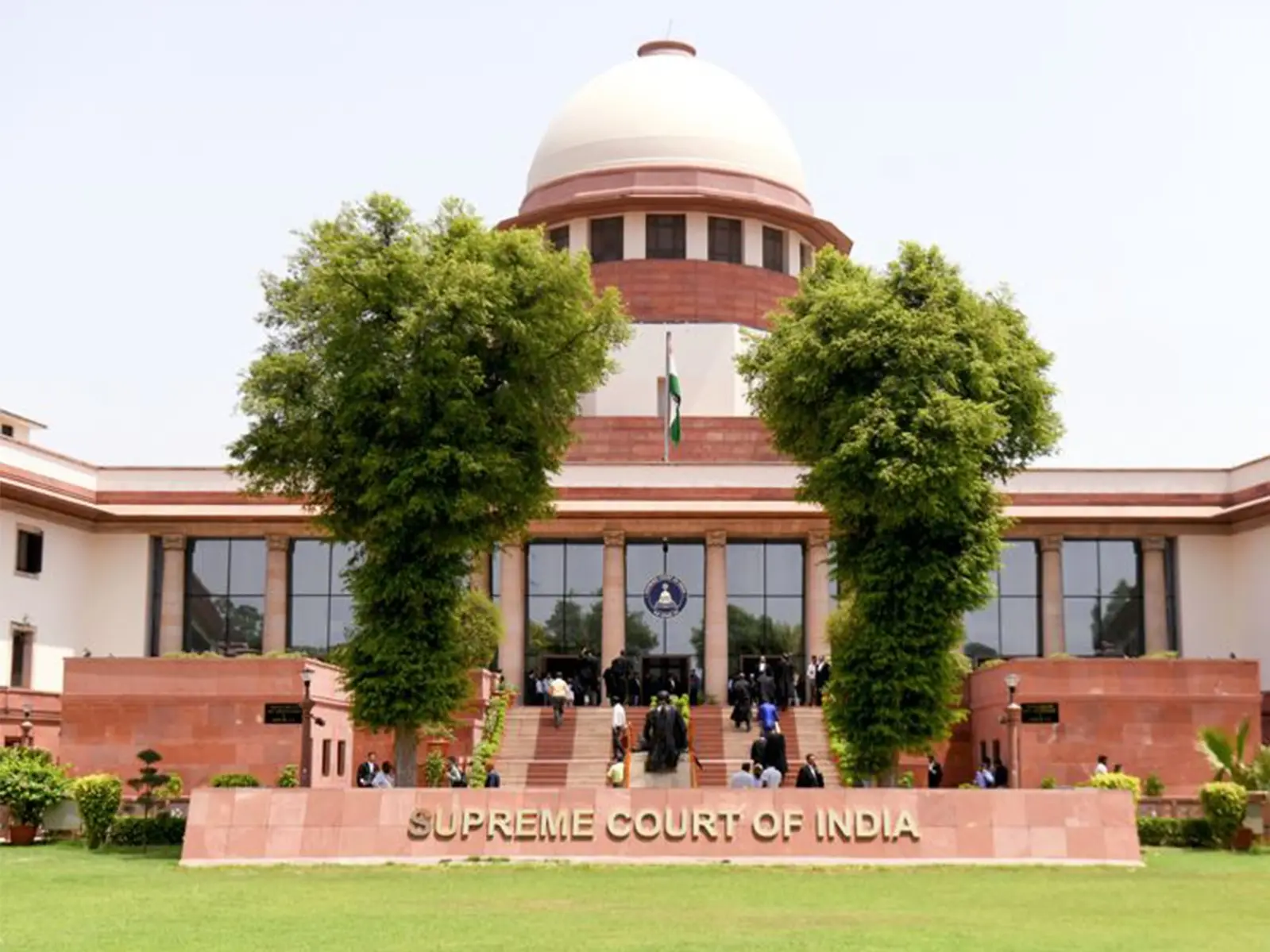
Opposition’s 10 demands in Supreme Court petition range from stay on SIR to audit of voter rolls
&imwidth=180&imheight=135&format=webp&quality=medium)
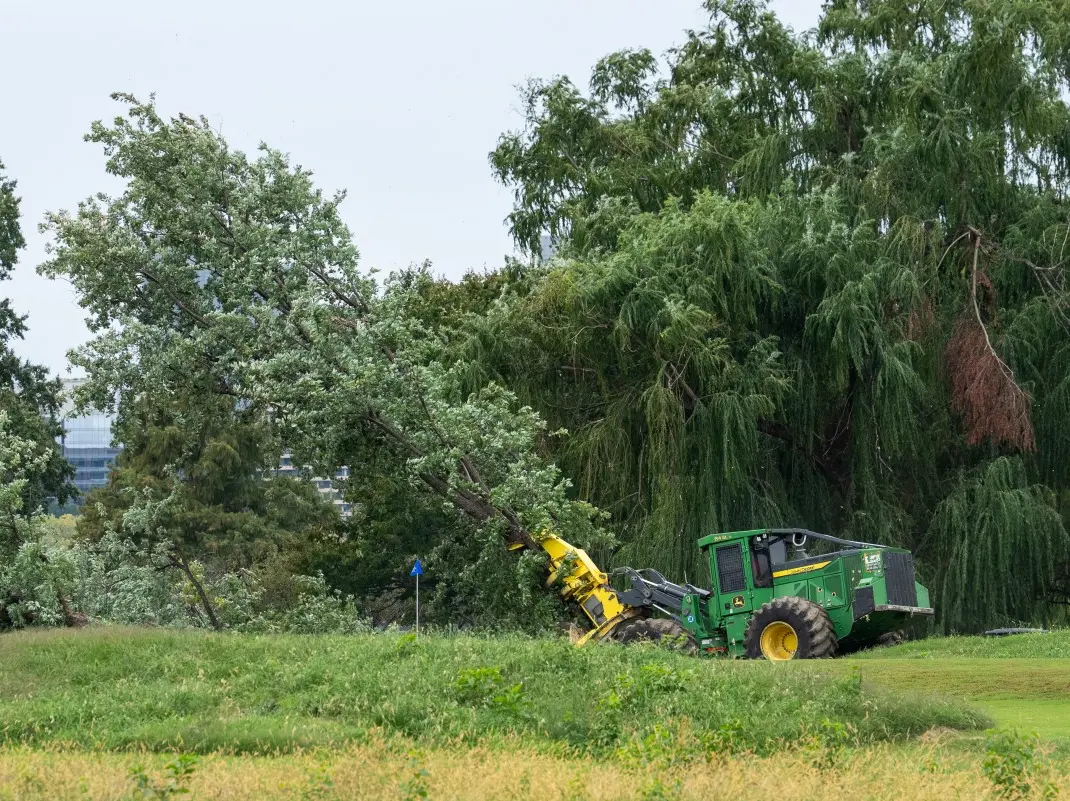
'I am thoroughly unamused': Judge slams Trump administration after 400 trees cut at Washington golf course
&imwidth=180&imheight=135&format=webp&quality=medium)
Portugal Federation confirms Cristiano Ronaldo’s return to national team despite suspension
&im=FitAndFill=(700,400)&imwidth=180&imheight=135&format=webp&quality=medium)
New OTT releases this week (October 12-18, 2026): Sacrifice, Koffee with Karan S9, Roadies Rebirth- 6 titles coming on Netflix, JioHotstar and more
&imwidth=180&imheight=135&format=webp&quality=medium)
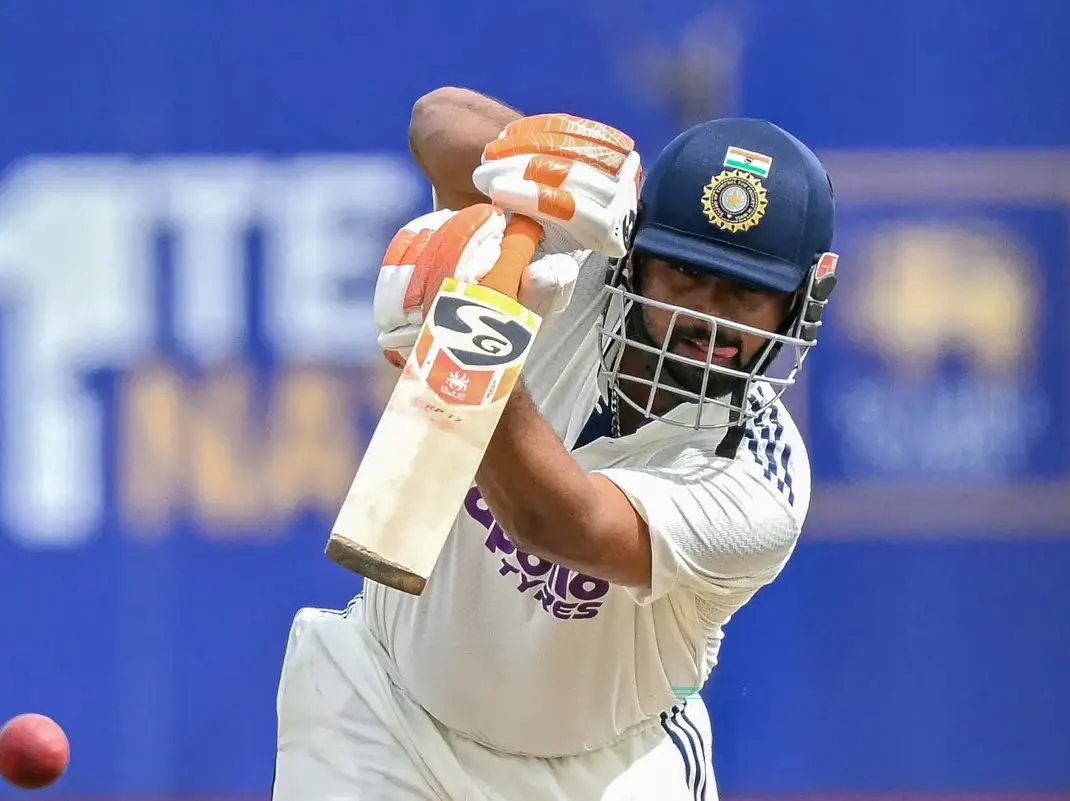
Rishabh Pant ruled out of India A squad for New Zealand tour, Kumar Kushagra named replacement
&imwidth=180&imheight=135&format=webp&quality=medium)
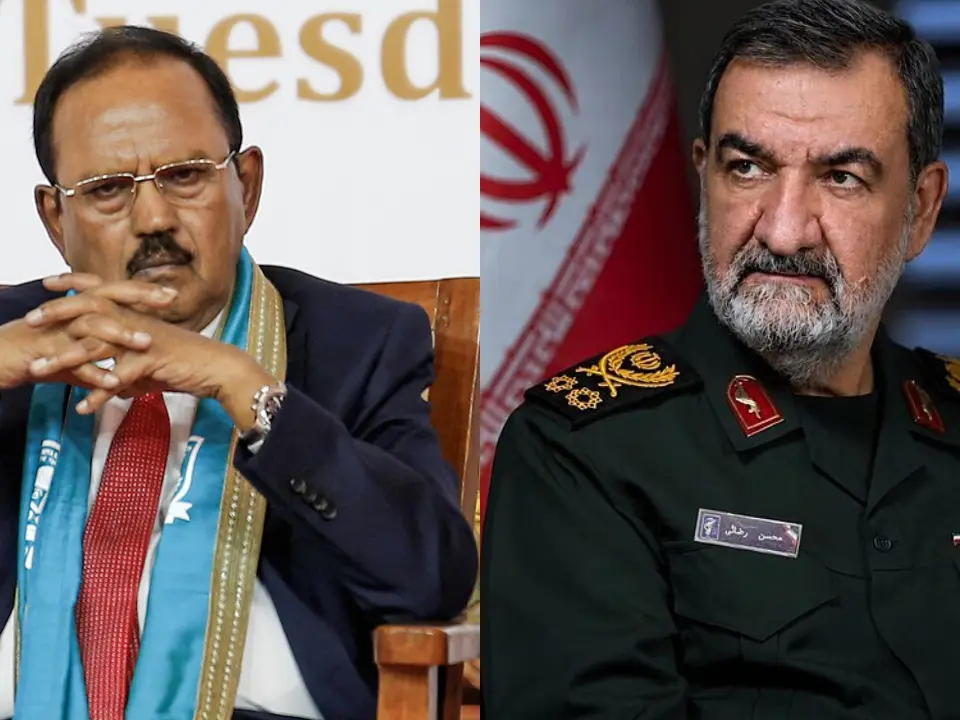
India's Ajit Doval, Iran's Mohsen Rezaei hold talks amid escalating West Asia tensions, discuss 'issues of mutual interest'
&imwidth=180&imheight=135&format=webp&quality=medium)
'Almost certainly': UK Prime Minister Andy Burnham says Iran's IRGC behind RAF Fairford threat
&imwidth=180&imheight=135&format=webp&quality=medium)
Elon Musk pumps $276 million into Republican campaigns ahead of US midterm elections
The last few months are proof that even just the threat of disruption is enough to push global crude prices higher. If that happens, India could face a bigger import bill, which means higher fuel prices, more inflation for consumers, and pressure on the rupee. Transportation, manufacturing, and household budgets all feel the impact when oil becomes expensive.
Notably, after months of skyrocketing prices, oil prices are finally starting to come down. On Thursday, keeping its downward trajectory, Brent crude fell more than one per cent, slipping below its closing level on the eve of the Middle East war, as investors grow optimistic about US-Iran peace talks and tankers continue through the Strait of Hormuz.
The contract for August hit a low of $72.44 a barrel, compared with the February 27 close of $72.48. Brent soared as high as $119 in the weeks after the United States and Israel began their strikes on Iran on February 28.
Shipping lanes could come under stress
The next concern for India, if tensions flare up further, is trade routes. A wider conflict could affect the Persian Gulf and nearby waters, especially the Strait of Hormuz, through which roughly one-fifth of the world's oil passes.
If shipping is disrupted or tanker movement slows, freight and insurance costs can rise quickly. That would make energy imports more expensive and could delay supplies heading to India.
India's diaspora and the Gulf connection
Millions of Indians live and work across Gulf countries, and any regional conflict immediately raises concerns for expatriates. It can affect travel, job security and remittance flows back home. Notably, for India, Gulf remittances remain an important source of foreign exchange.
India could be forced to walk the tightrope longer
India has long tried to maintain good relations with all major players in the region. While Israel is a defence and technology partner, for India, Iran matters for connectivity projects and access to Central Asia. Finally, Gulf Arab states remain key suppliers of energy and capital.
A prolonged conflict makes that balancing act harder.
Strategic projects could slow down
Finally, the instability could also affect major connectivity plans, including the Chabahar Port in Iran and the India-Middle East-Europe Economic Corridor. If tensions rise further, investor confidence could weaken, and trade plans could be delayed.
For now, India's biggest immediate concern may be energy security. But the wider risk is a bigger war in West Asia, which could ripple into India's economy, its trade routes and its long-term regional strategy.
Disclaimer: WION takes utmost care to accurately and responsibly report ongoing conflicts in West Asia involving Israel, Iran, US, Gulf nations and non-state actors like Hezbollah, Hamas, Houthis, Islamic State, and others. Claims and counterclaims, disinformation and misinformation are being made online and offline. Given this context, WION cannot independently verify the authenticity of all statements, social media posts, photos and videos.

