How fast can the Sukhoi Su-30 fighter jet really fly?

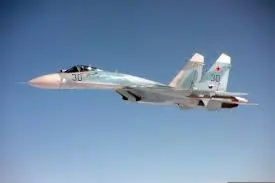
The Su-30 fighter jet reaches a maximum speed of Mach 2.0 (2,125 km/h) at high altitudes, powered by twin AL-31FP turbofans. While canards and heavy ordnance like the BrahMos missile reduce this speed, it trades pure velocity for extreme agility.
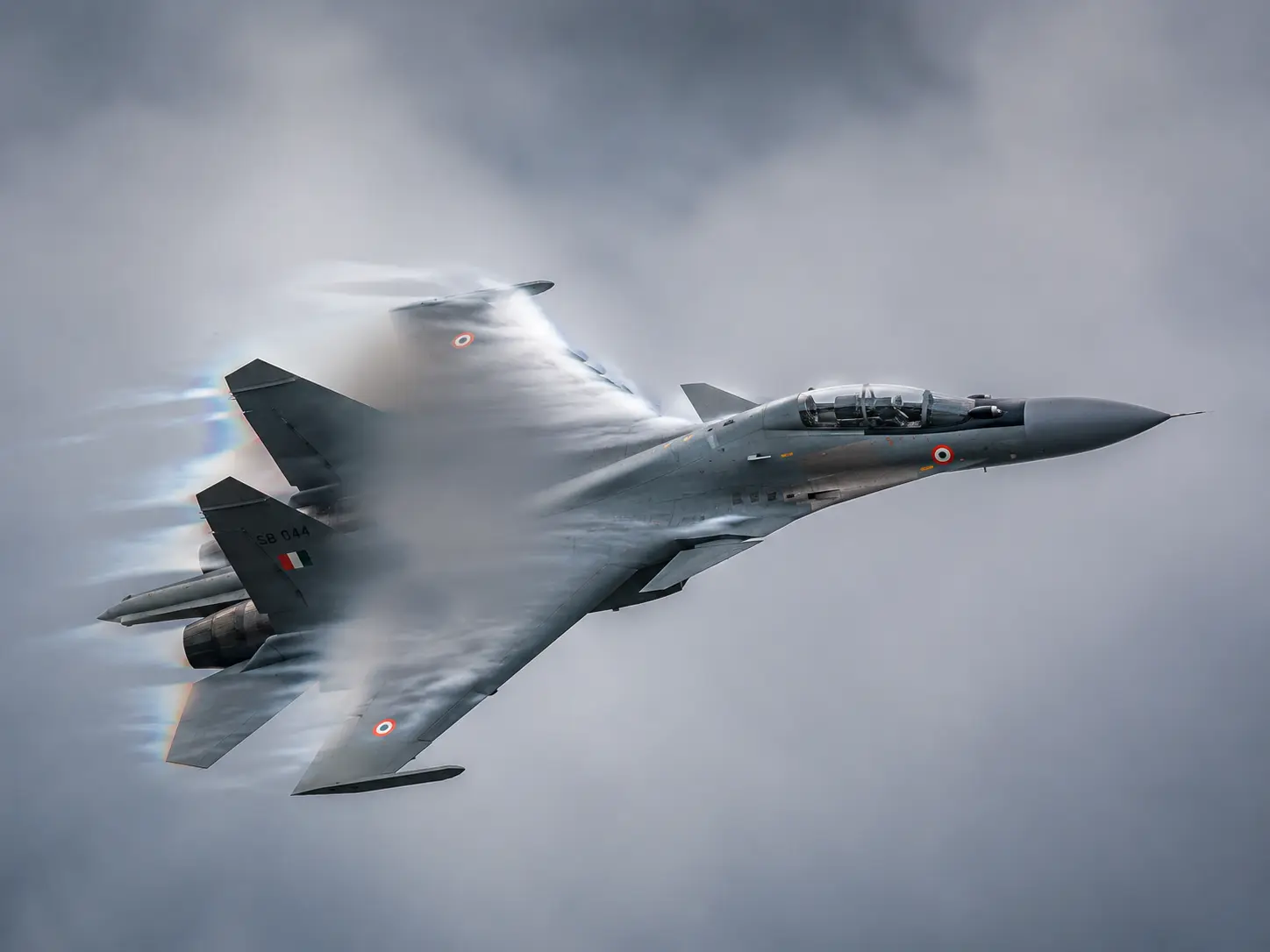
The Mach 2
At high altitudes, the Sukhoi Su-30 achieves a blistering maximum speed of Mach 2.0. In clean aerodynamic configurations, this twin-engine heavyweight fighter effectively reaches speeds of up to 2,125 kilometres per hour.
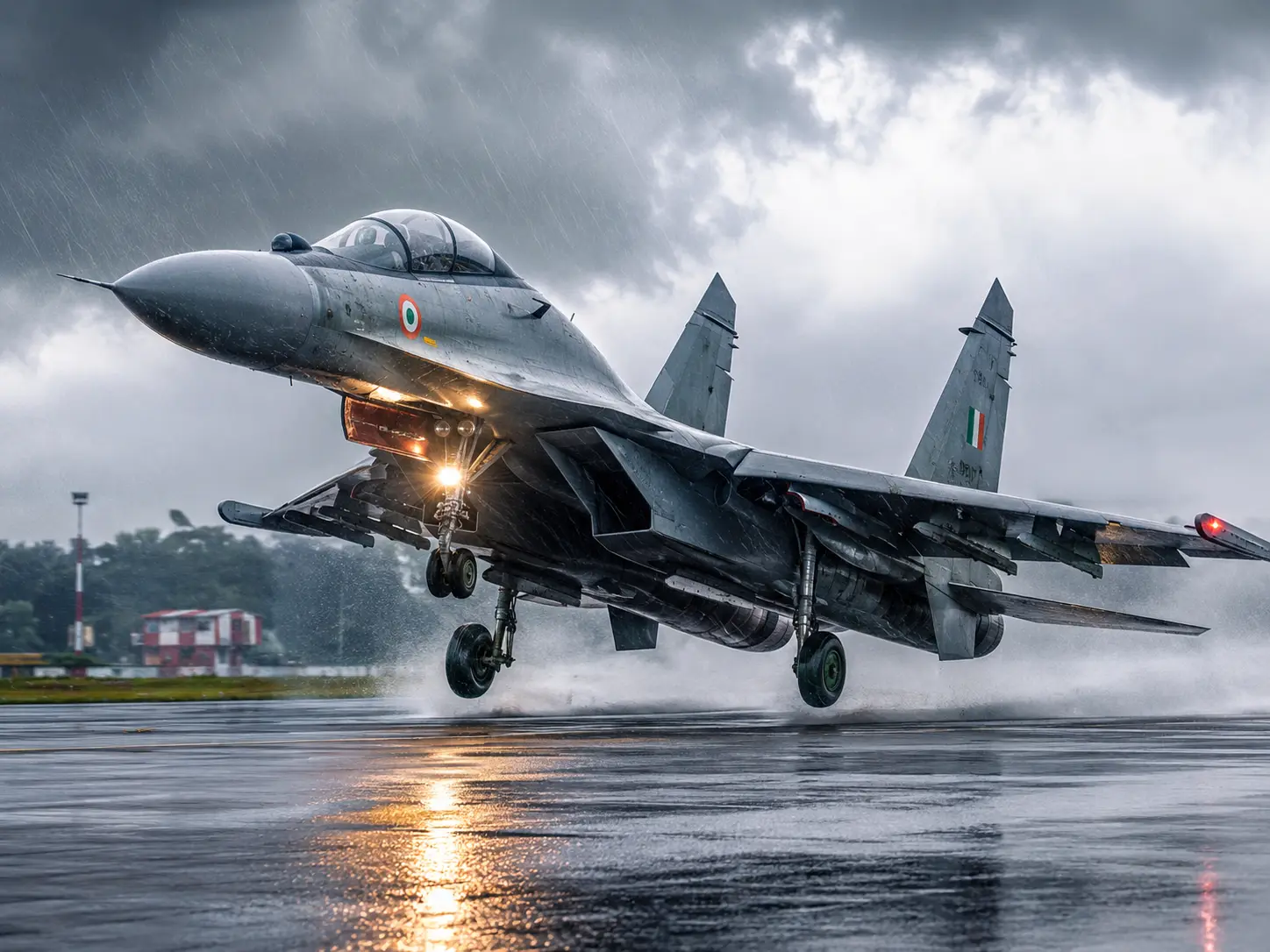
Low-Altitude Sprint
Speed drastically changes closer to the ground due to dense atmospheric resistance. When performing low-level strike missions, the Su-30 is limited to roughly 1,400 kilometres per hour, which is still comfortably supersonic.
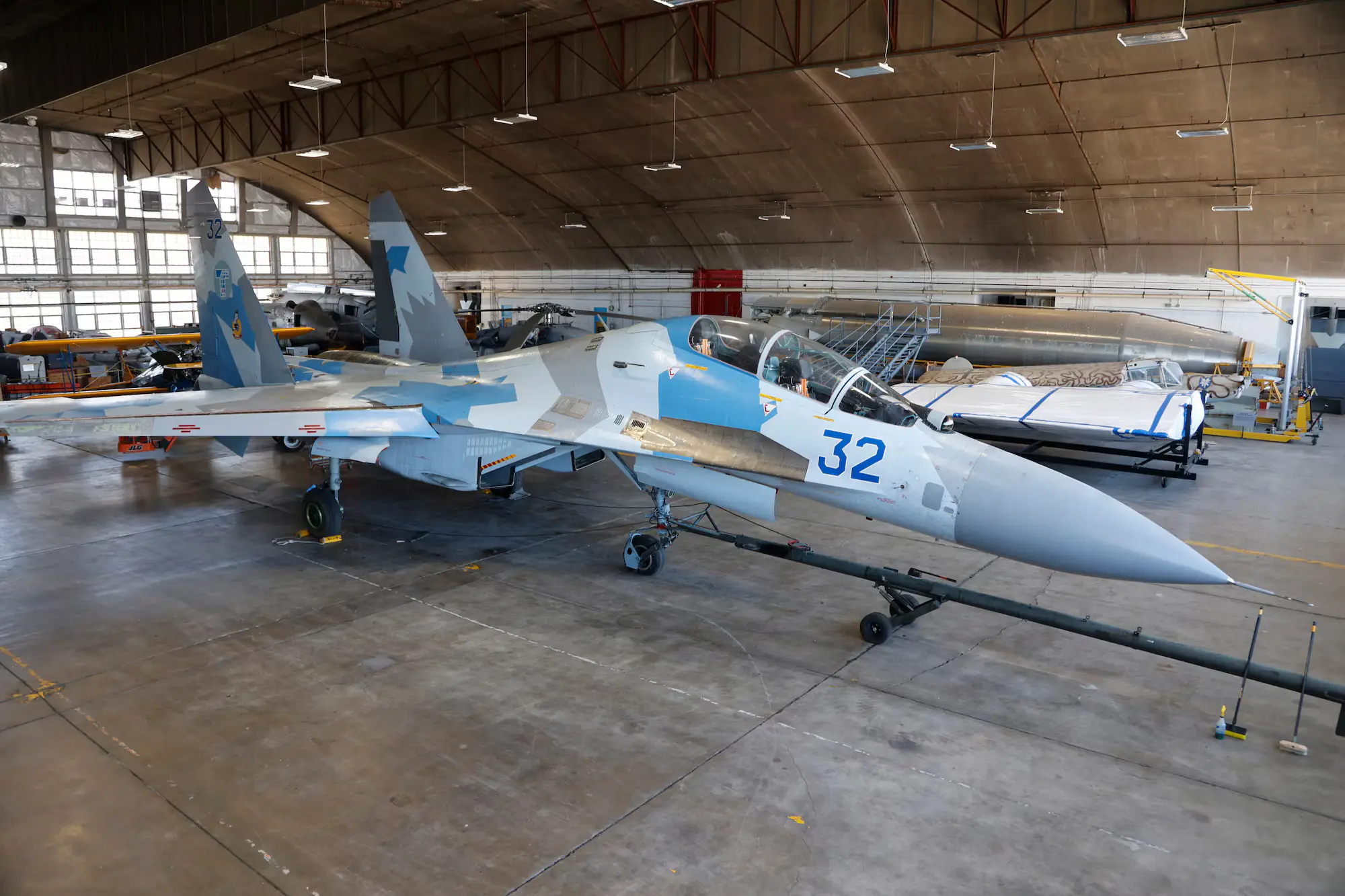
The Powerplant
This immense velocity is driven by two Saturn AL-31FP afterburning turbofan engines. Each engine generates a staggering 12,500 kilogram-force of thrust, providing the raw energy needed to push the heavy 33,000-kilogram aircraft past the sound barrier.
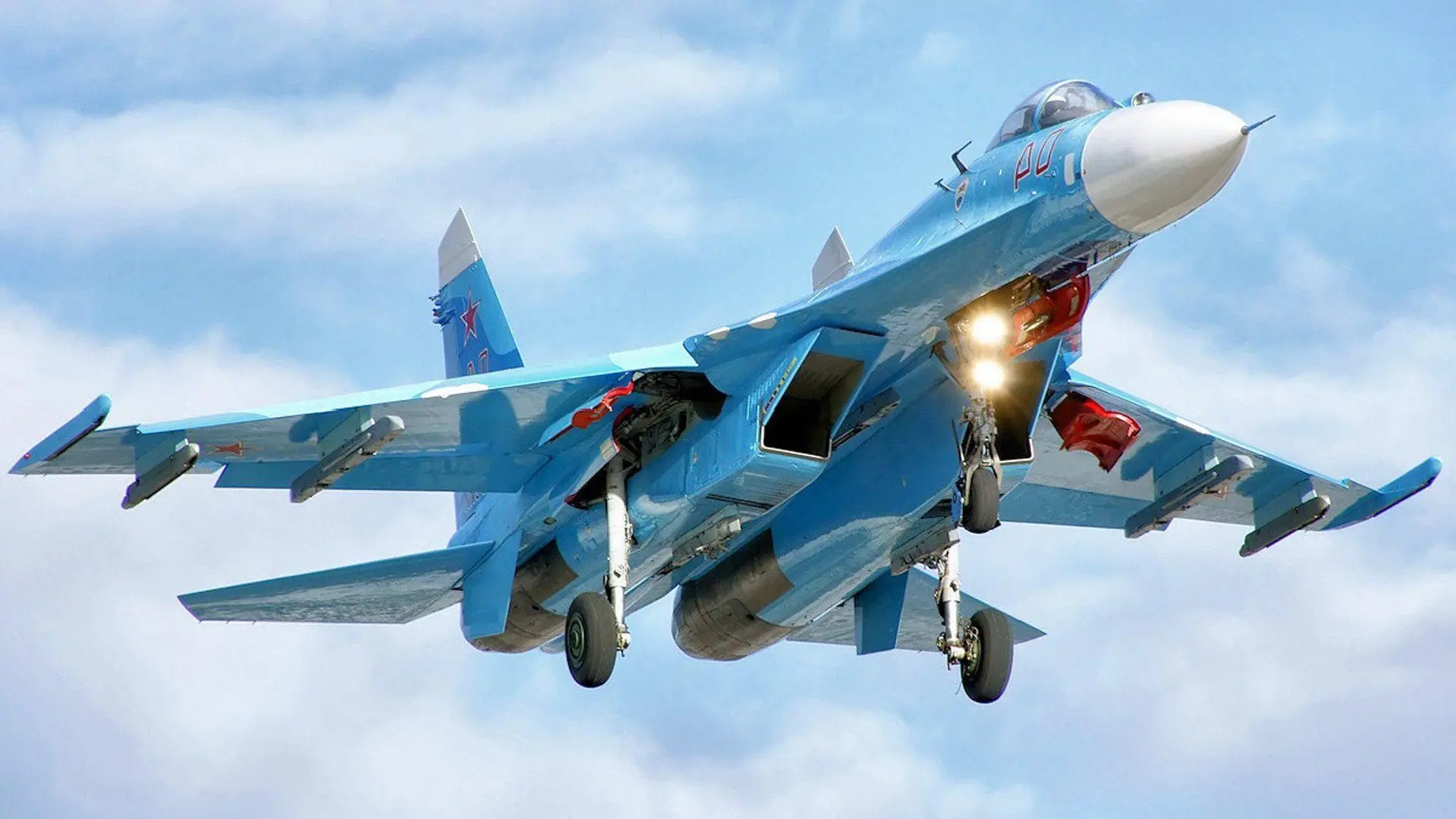
The Canard Penalty
Advanced variants like the Indian Su-30MKI feature front canards for enhanced combat agility. However, these aerodynamic surfaces increase drag, which can reduce the jet's absolute top speed down to Mach 1.75 during flight operations.
The Payload Slowdown
Top speed specifications always assume a clean aerodynamic configuration without external weapons. When fully loaded with up to 8,000 kilogrammes of ordnance, including the heavy 2.5-tonne BrahMos cruise missile, the aircraft cannot physically achieve its Mach 2 threshold.
Agility Over Pure Velocity
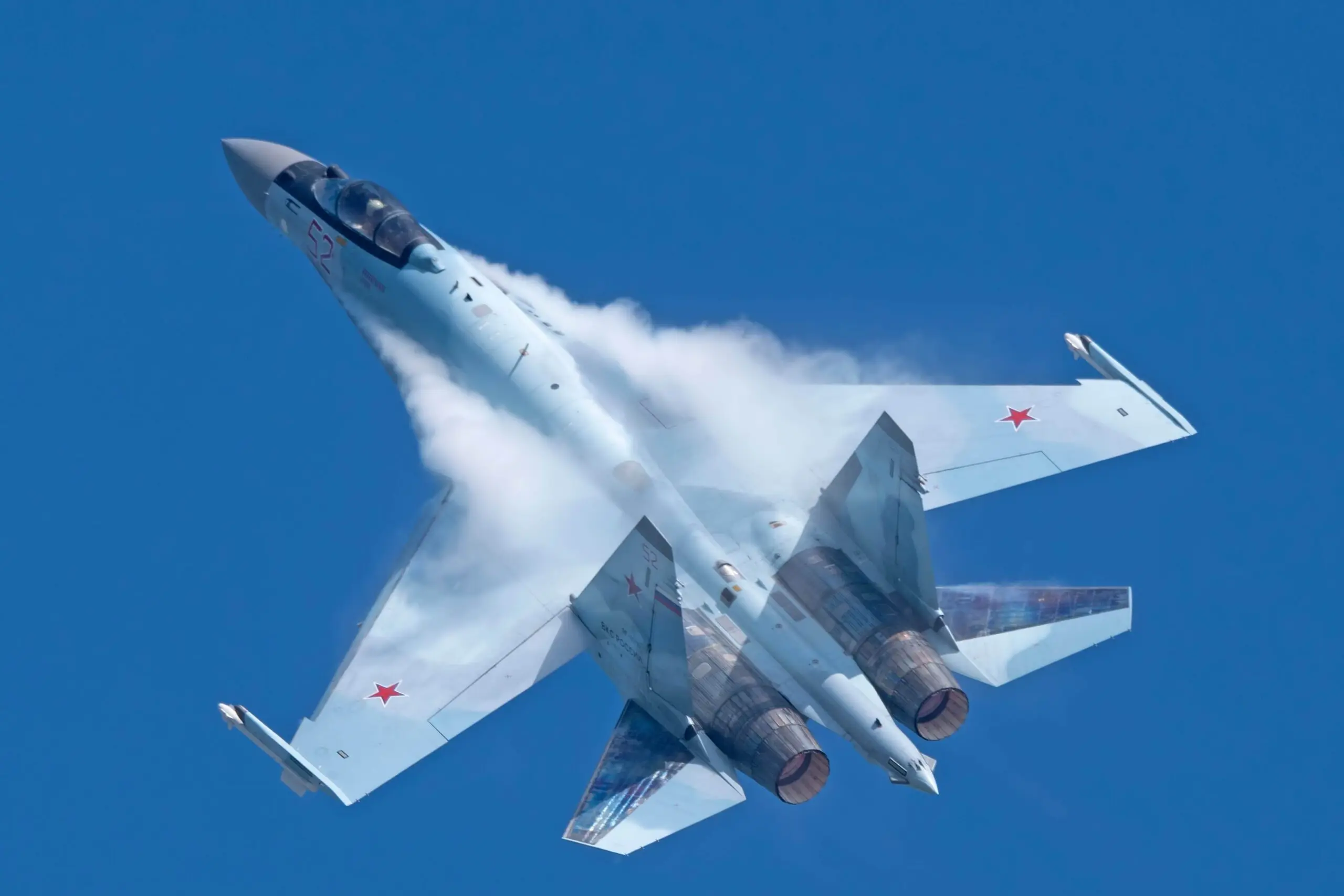
Unlike interceptors built purely for straight-line speed, the Su-30 prioritises dogfighting dominance. Its thrust-vectoring nozzles allow it to perform extreme post-stall manoeuvres, sacrificing absolute top speed for unmatched supermaneuverability.
A Strategic Balance
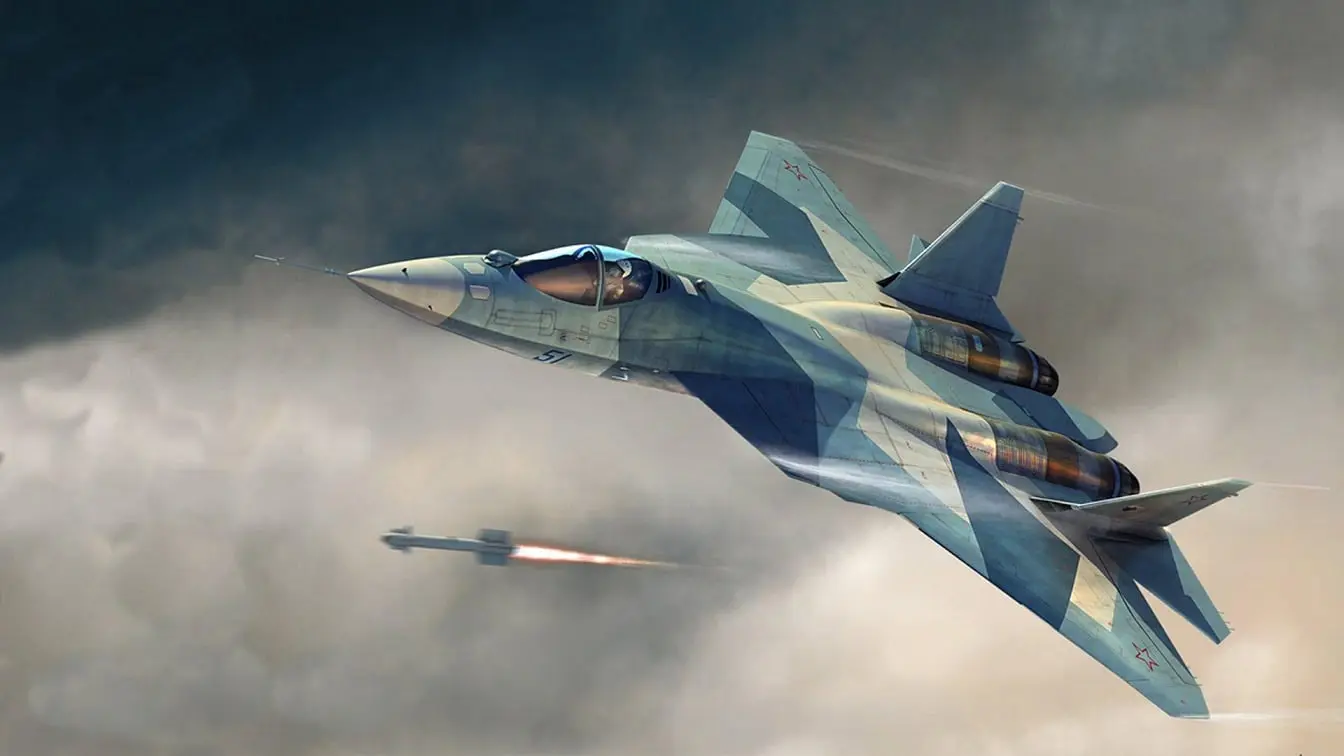
Ultimately, the USD 37 million Su-30 is not the absolute fastest fighter jet in the world. However, combining Mach 2 capability with a massive 3,000-kilometre operational range allows it to establish long-range air superiority globally.
)
)
)
)
)