What actually killed most German Tiger tanks in World War II?

The German Tiger I earned a terrifying reputation in the Second World War for its thick armour and devastating 88 mm gun. However, military archives reveal that Allied anti-tank guns rarely destroyed these 54-tonne machines in combat. Instead, relentless mechanical breakdowns, severe fuel shortages, and extreme towing difficulties forced German crews to abandon and scuttle their own tanks.
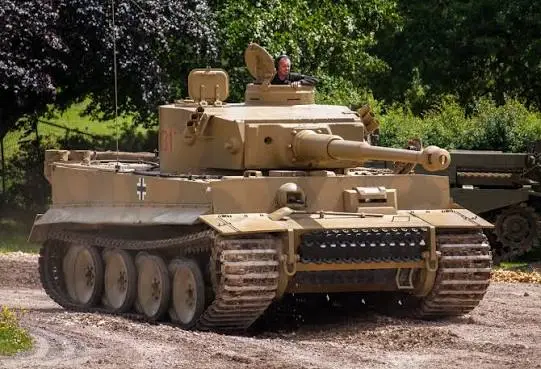
Allied anti-tank guns rarely penetrated the Tiger's 100 mm thick frontal armour
Allied anti-tank guns rarely penetrated the Tiger's 100 mm thick frontal armour in standard combat. Direct battlefield knockouts accounted for only a small fraction of total Tiger I losses across Europe.
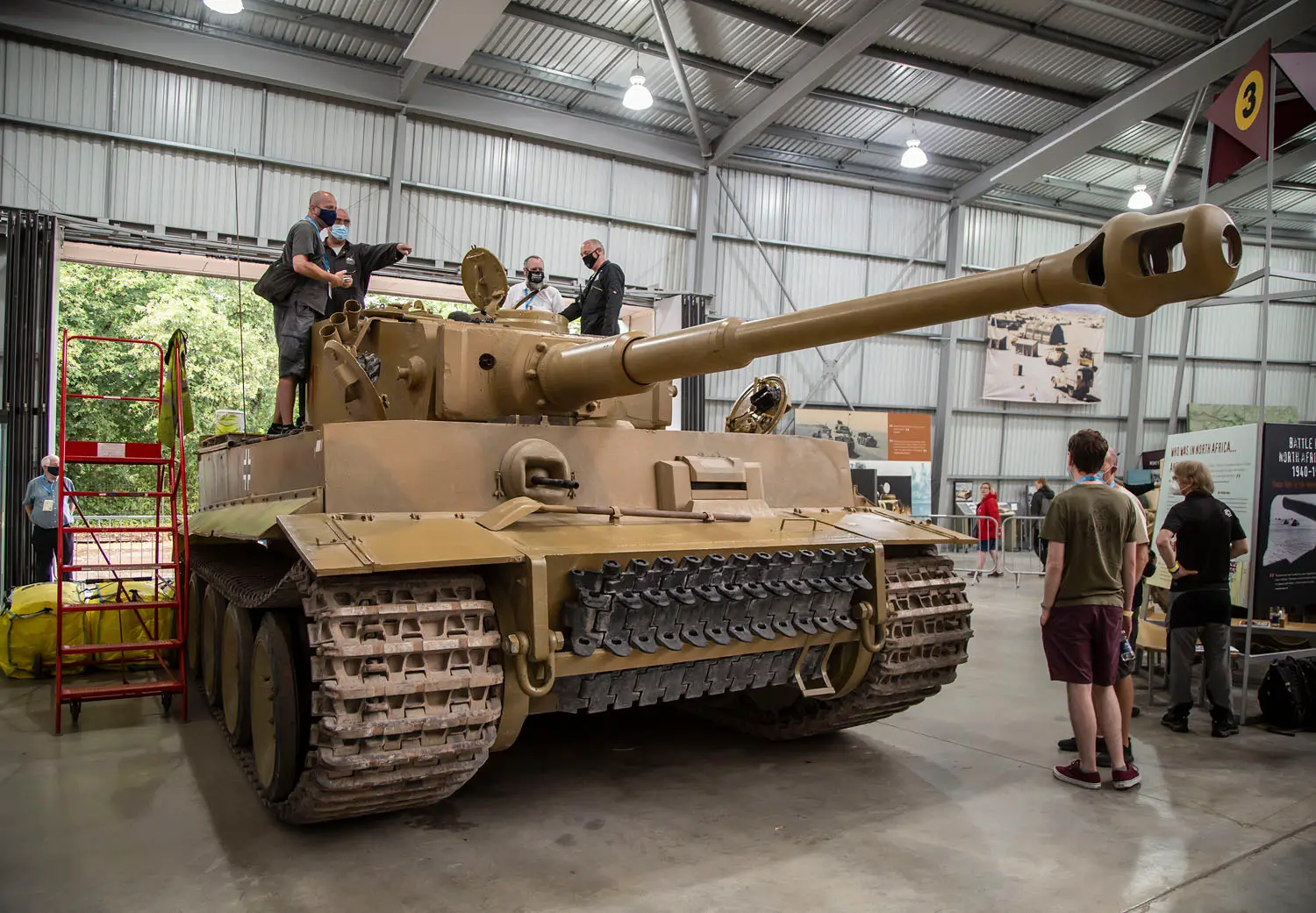
Mechanical failures
Weighing over 54 tonnes, the tank put immense strain on its Maybach engine, transmission, and final drives. These critical components frequently failed after just a few hundred kilometres of travel.
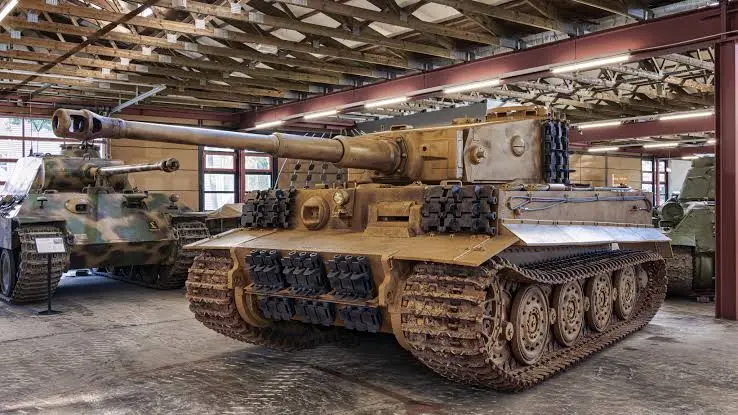
Severe recovery nightmares
Towing an immobilised Tiger required up to three heavy 18-tonne halftracks or another Tiger tank. If specialised recovery equipment was missing, stranded vehicles had to be left behind during retreats.
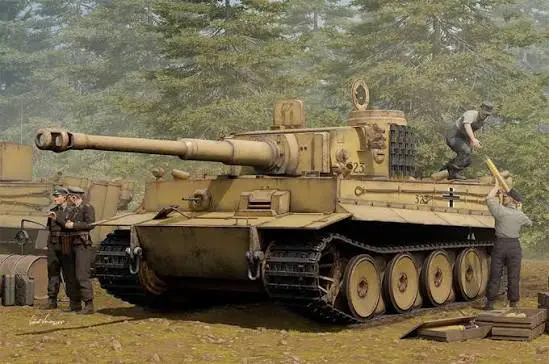
Paralyzing fuel shortages
Consuming over 500 litres of petrol per 100 kilometres off-road, the Tiger was exceptionally fuel-hungry. As Allied bombing severed supply lines in 1944, dozens of tanks were abandoned simply because their fuel tanks ran dry.
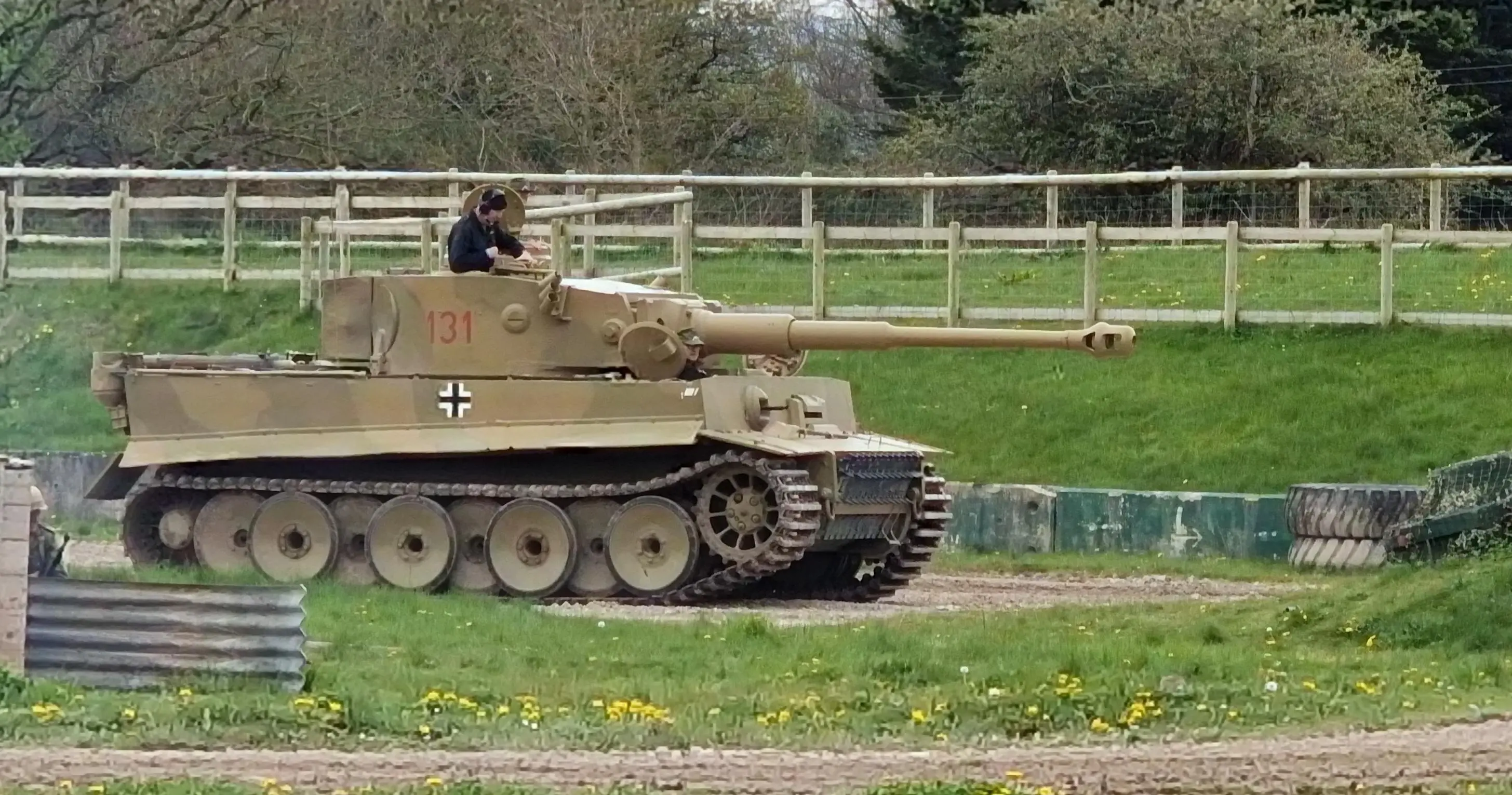
Self-destruction by German crews
Under strict military orders to prevent technology capture, German tankers placed explosive charges inside their own broken-down or fuel-starved vehicles, making crew scuttling the leading cause of Tiger losses.
)
)
)
)
)