How the S-400 protects itself from enemy attacks

How the S-400 protects itself from enemy attacks. Explore its layered Pantsir-S1 bodyguards, shoot-and-scoot tactics, EMCON, and physical decoys.
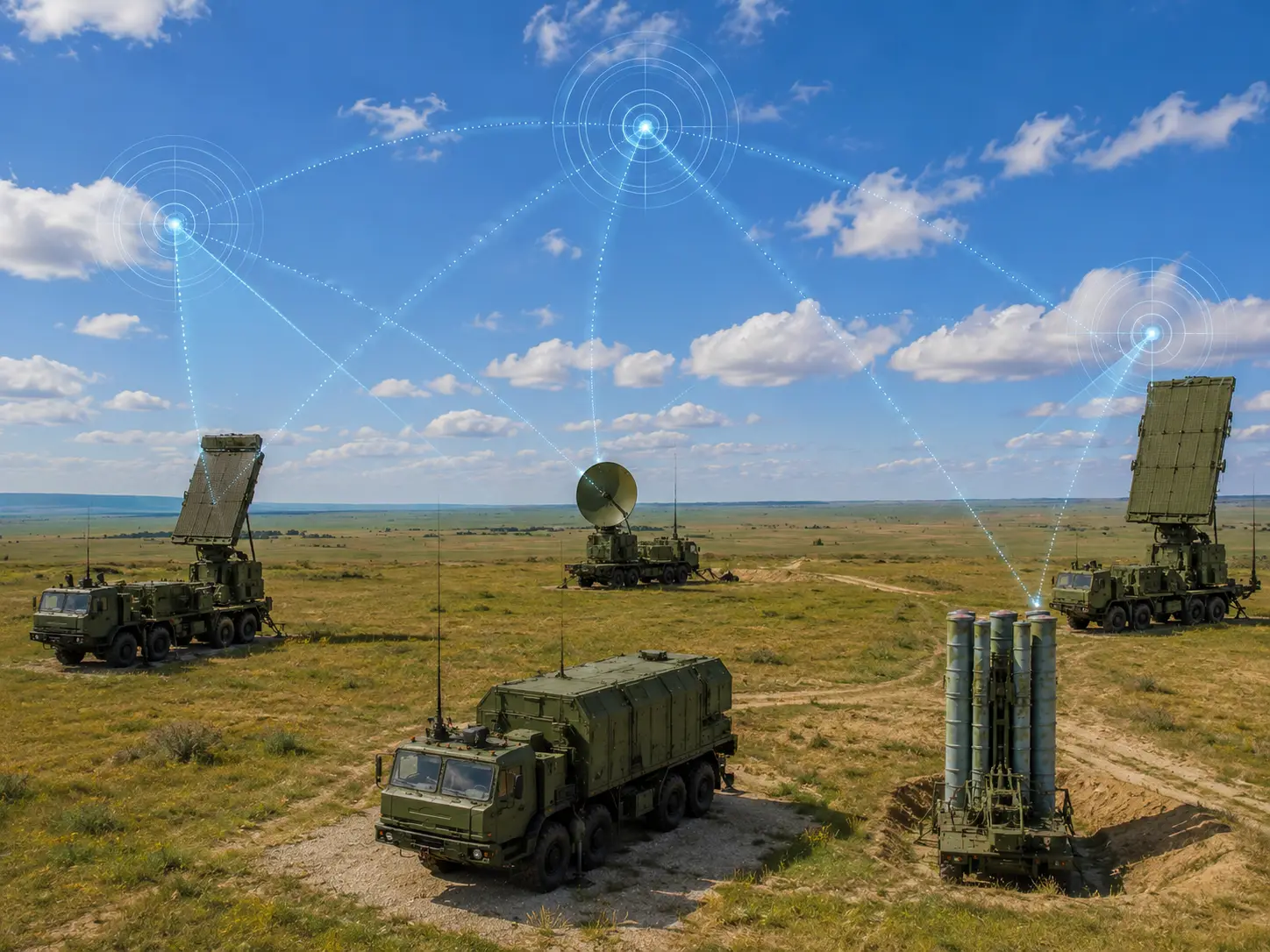
Layered Bodyguards
The S-400 rarely operates alone. To protect the USD 1.25 billion system from cheap drone swarms and low-flying cruise missiles, it relies on short-range bodyguards like the Pantsir-S1 to provide an impenetrable point-defence shield.
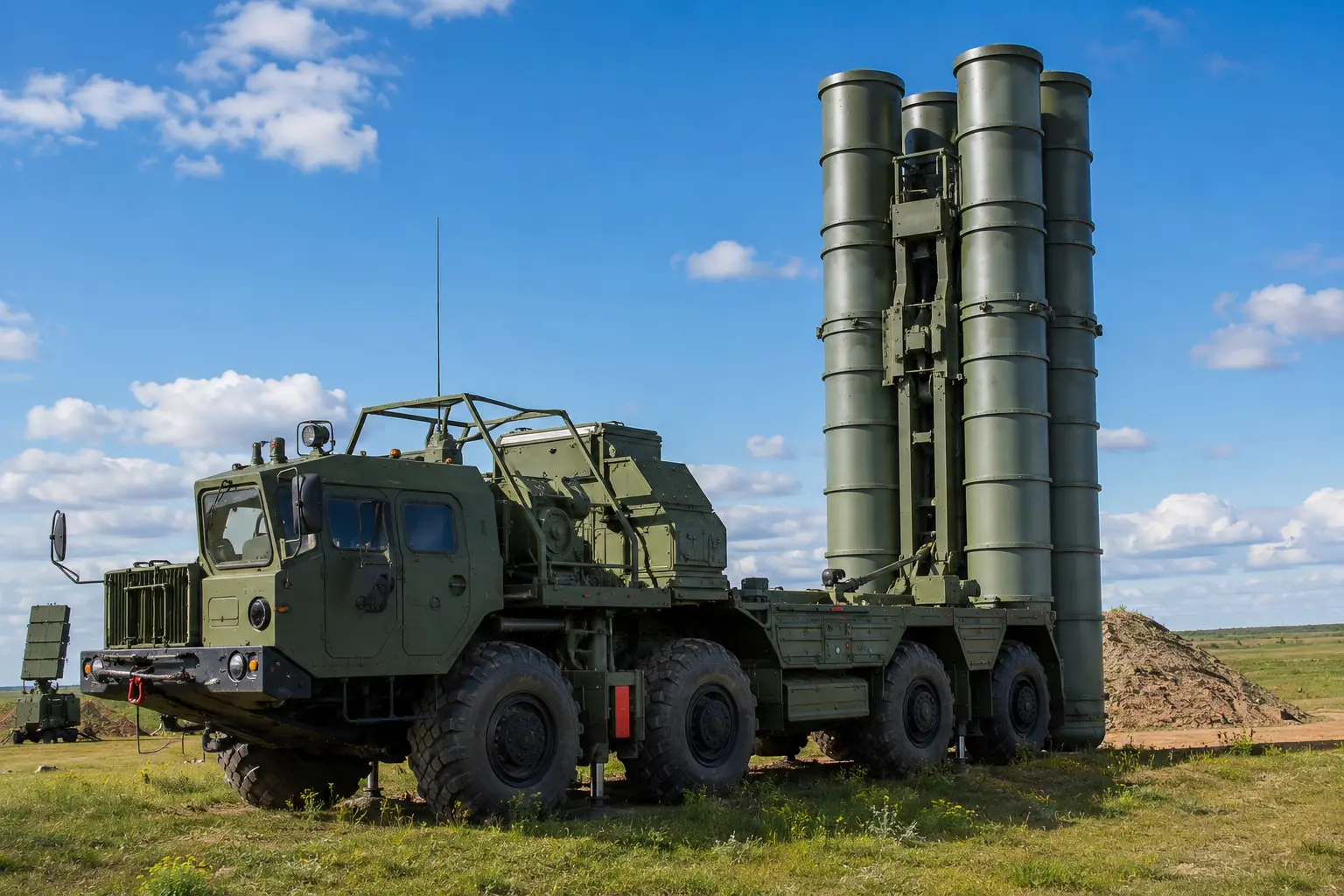
Shoot-and-Scoot Tactics
Mobility is survival in modern combat. Mounted on heavy 8x8 MZKT-7930 transporter vehicles, the entire battery can pack up and relocate in just five minutes, rapidly driving away before enemy artillery or bombers can execute a retaliatory strike.
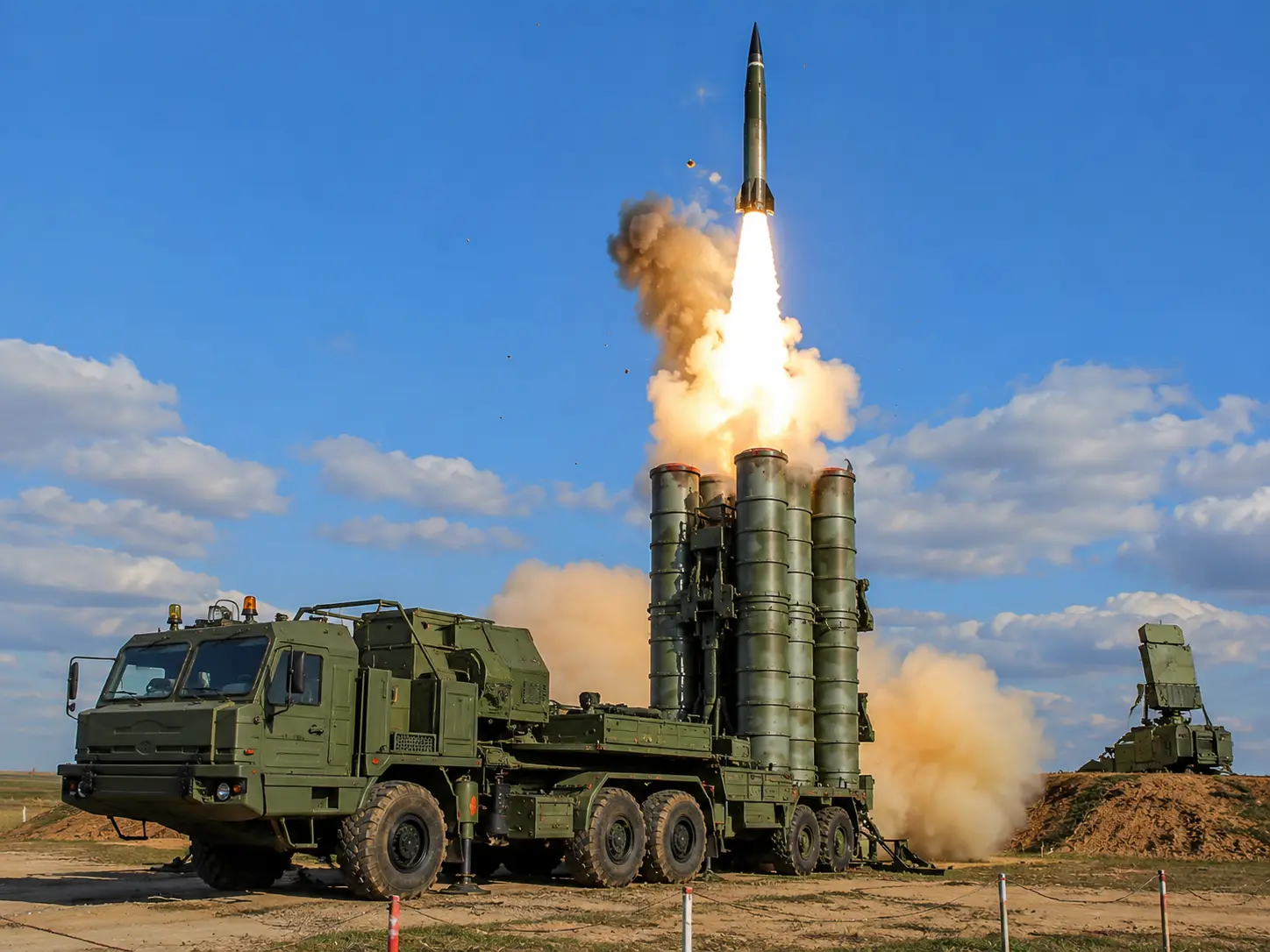
Electronic Resilience
When adversaries attempt to blind the battery using intense electronic warfare, the S-400 employs advanced Electronic Counter-Countermeasures (ECCM). Its radars use rapid frequency hopping and Low-Probability-of-Intercept waveforms to successfully slice through heavy jamming.
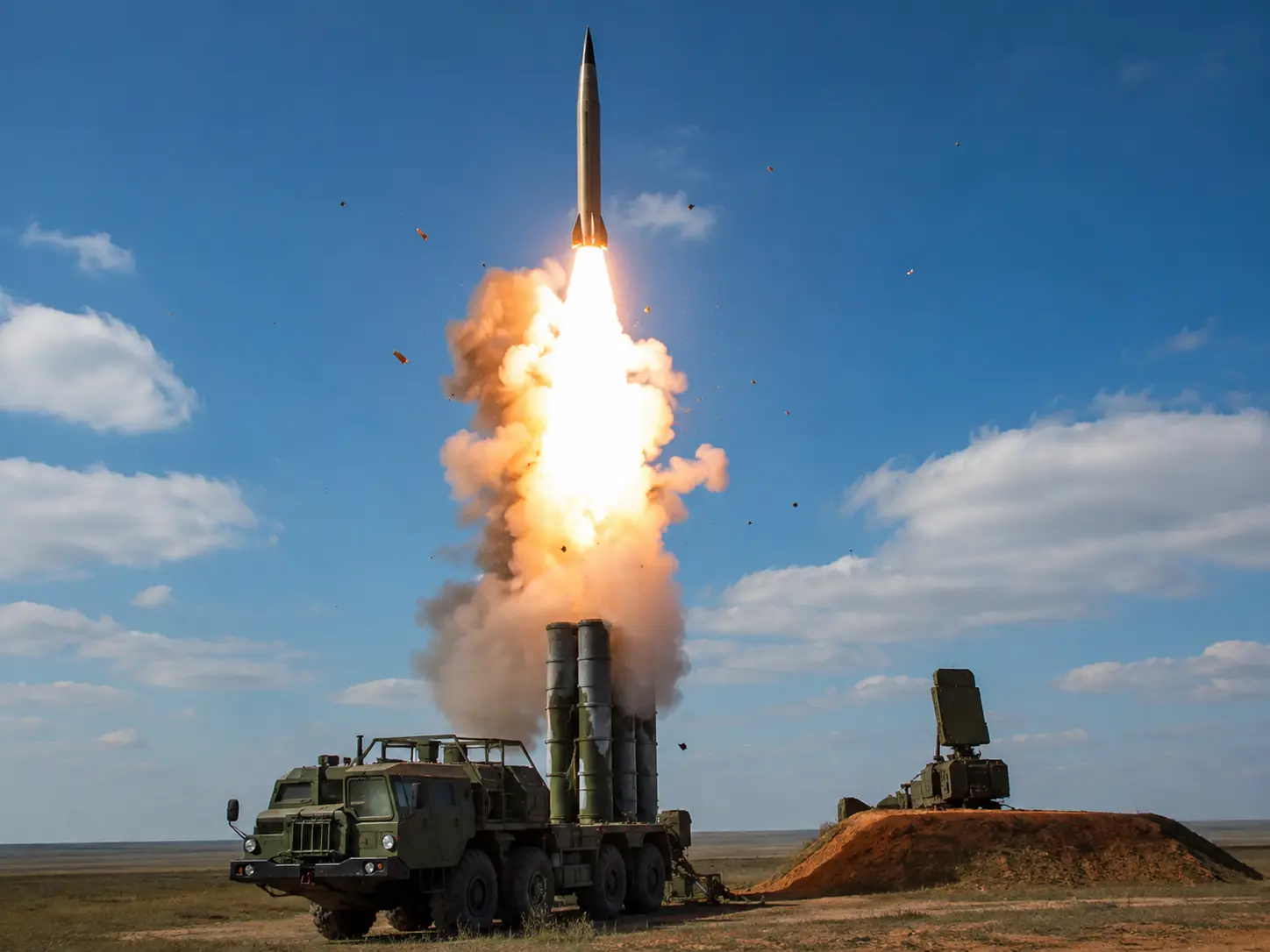
Radar Emission Control
Emitting a high-powered radar beam reveals the battery's exact location to deadly anti-radiation missiles. To survive, operators use strict Emission Control (EMCON), silently receiving target data from other networked sensors while keeping their own radars safely turned off.
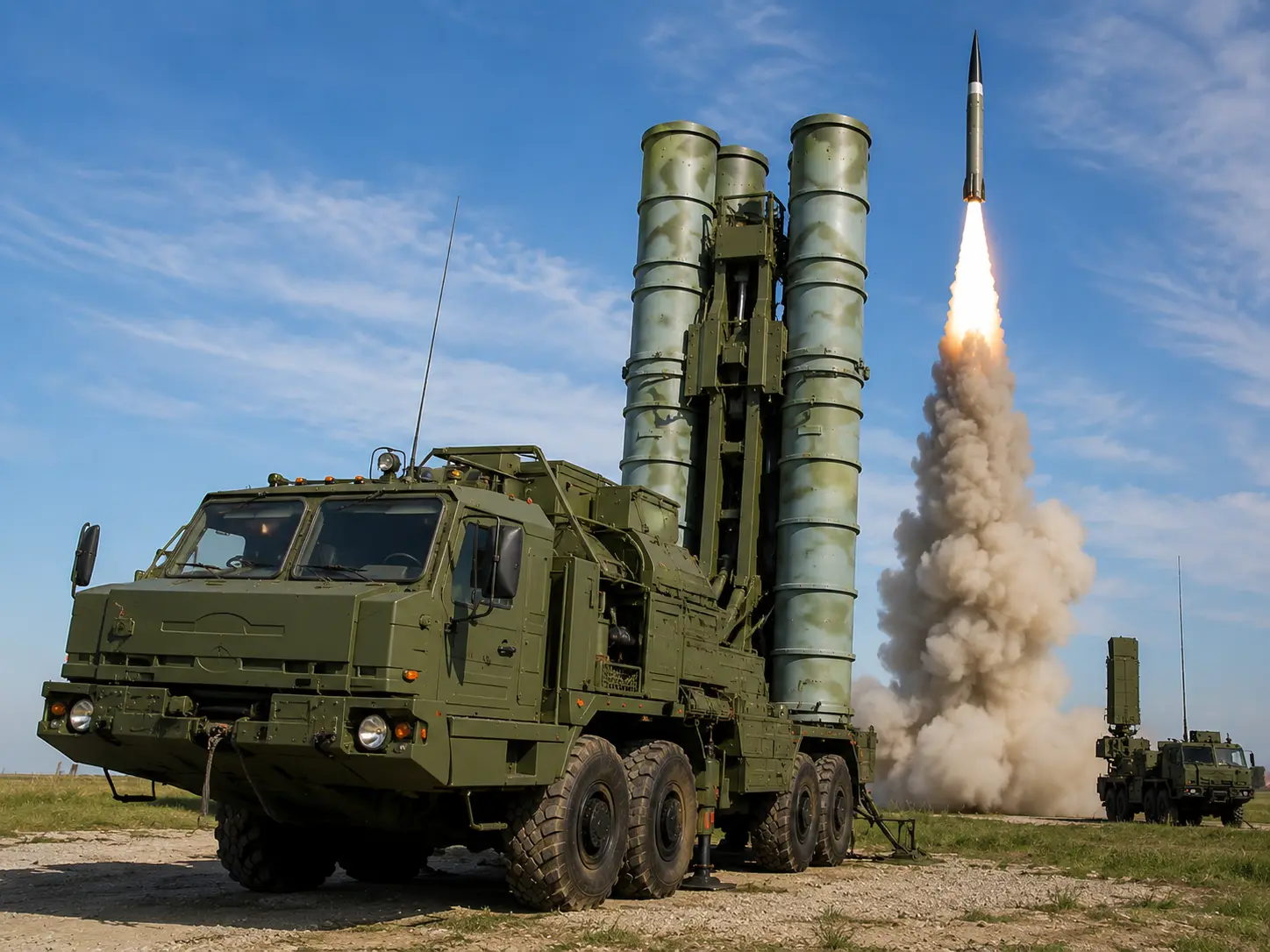
Formations
Unlike older systems parked closely together, an S-400 battalion intentionally scatters its launch vehicles. Launchers can be parked deep in dense forests kilometres away from the command post, ensuring a single enemy bomb cannot destroy the entire battery.
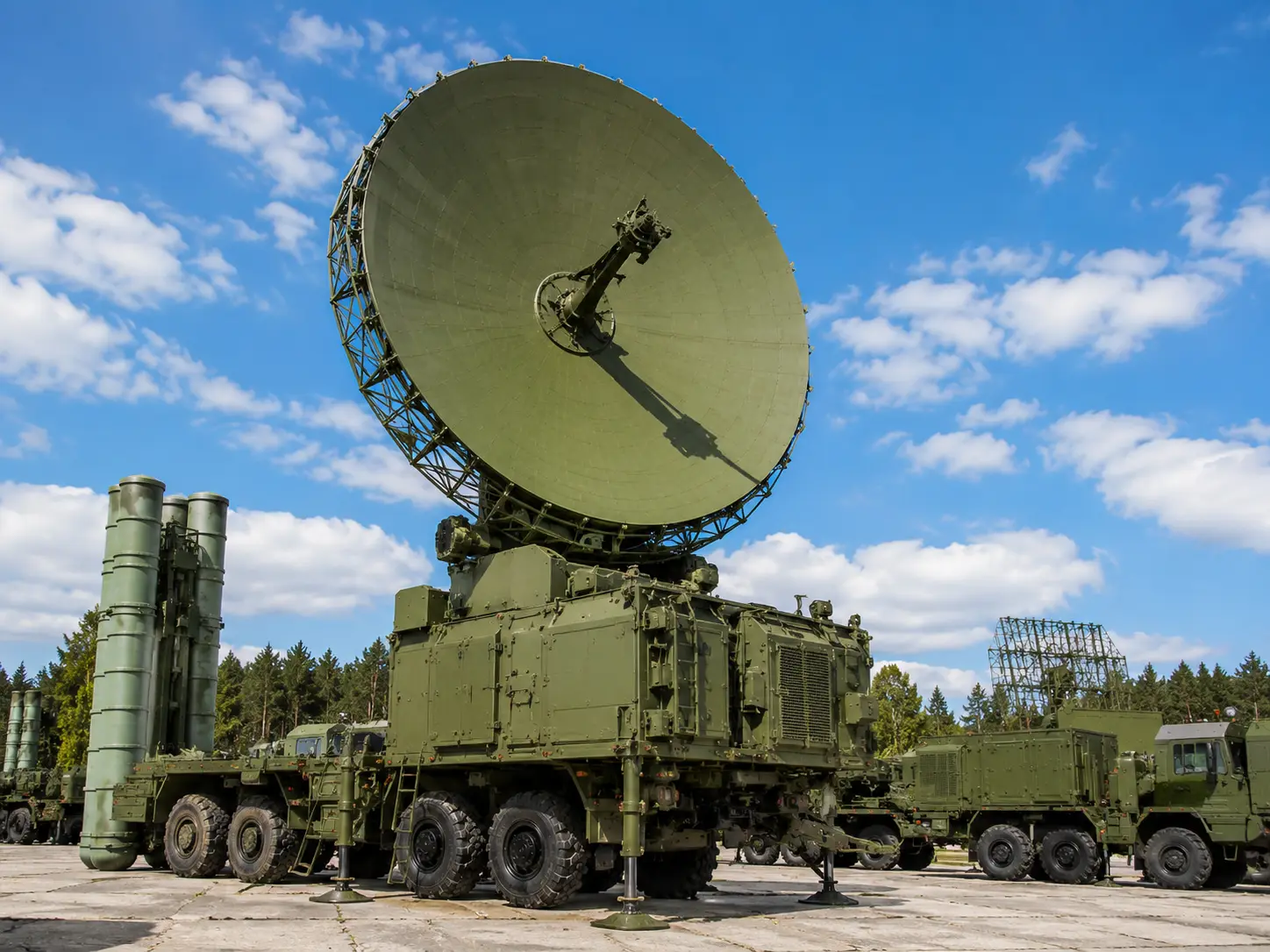
Physical Decoys
To deceive enemy surveillance satellites and waste expensive precision-guided munitions, air defence troops deploy highly realistic inflatable mock-ups. These fake launchers and radars emit false heat and electronic signatures to perfectly confuse incoming strikes.
Point-Defence Interceptors
If an enemy missile breaches the outer layers, the S-400 can defend itself directly using the highly agile 9M96E interceptor. This Mach 3 missile acts as a close-in bodyguard, instantly neutralising precision-guided threats up to 40 kilometres away.
)
)
)
)
)