'Boss of Battle': What was the combat lifespan of the German Tiger I tank?

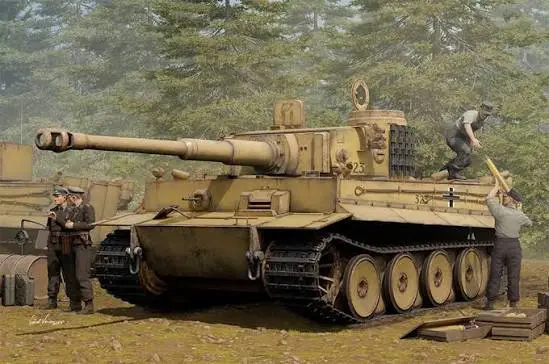
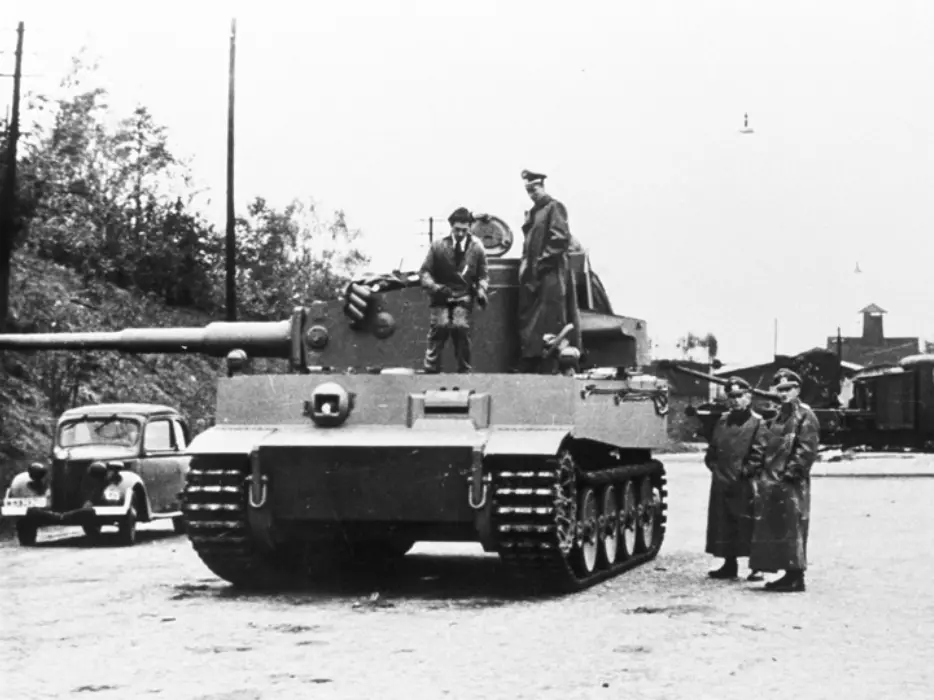
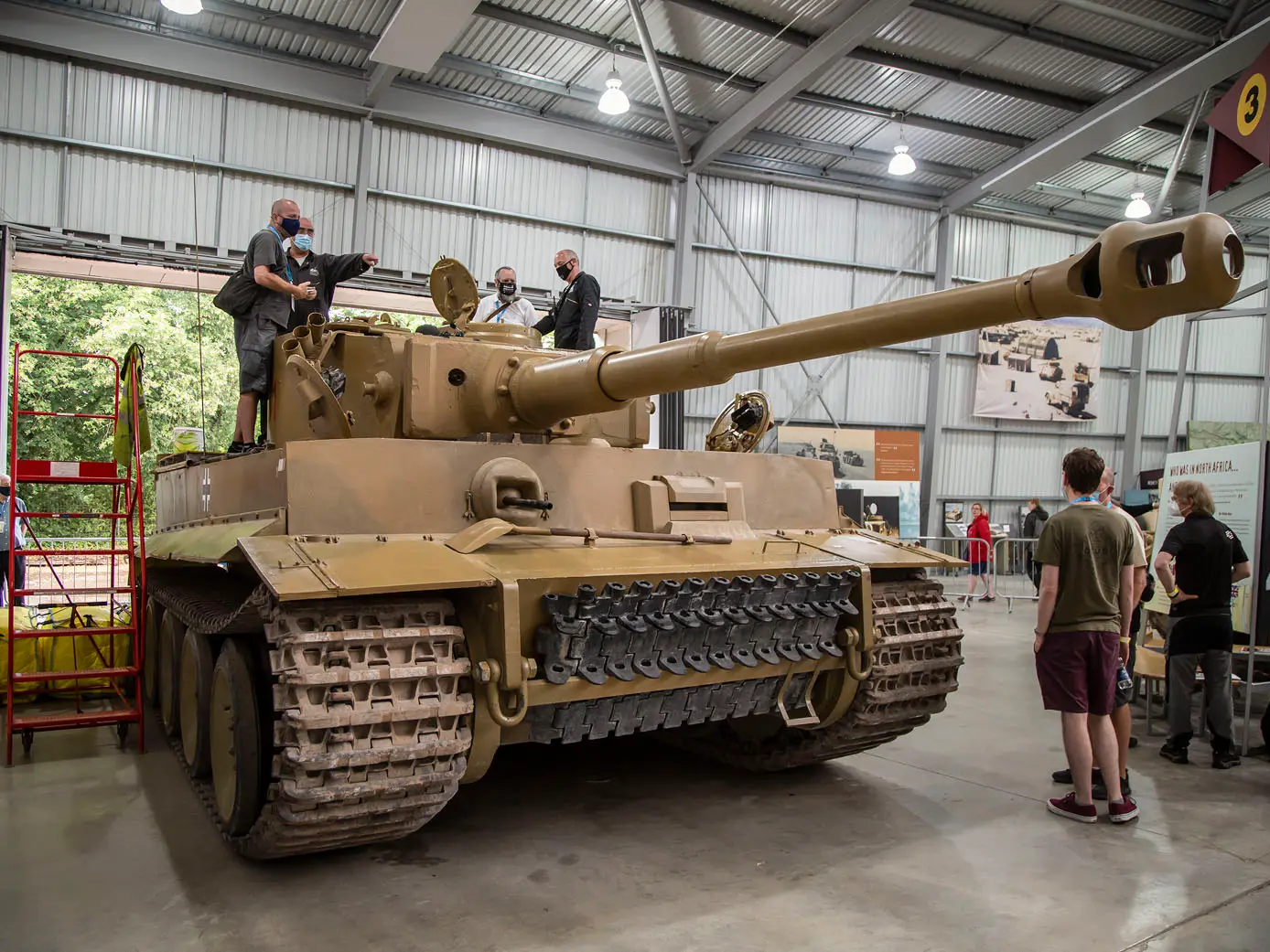
Introduced in 1942 and fighting until May 1945, the legendary German Tiger I tank had an operational combat lifespan of less than three years before the war ended.
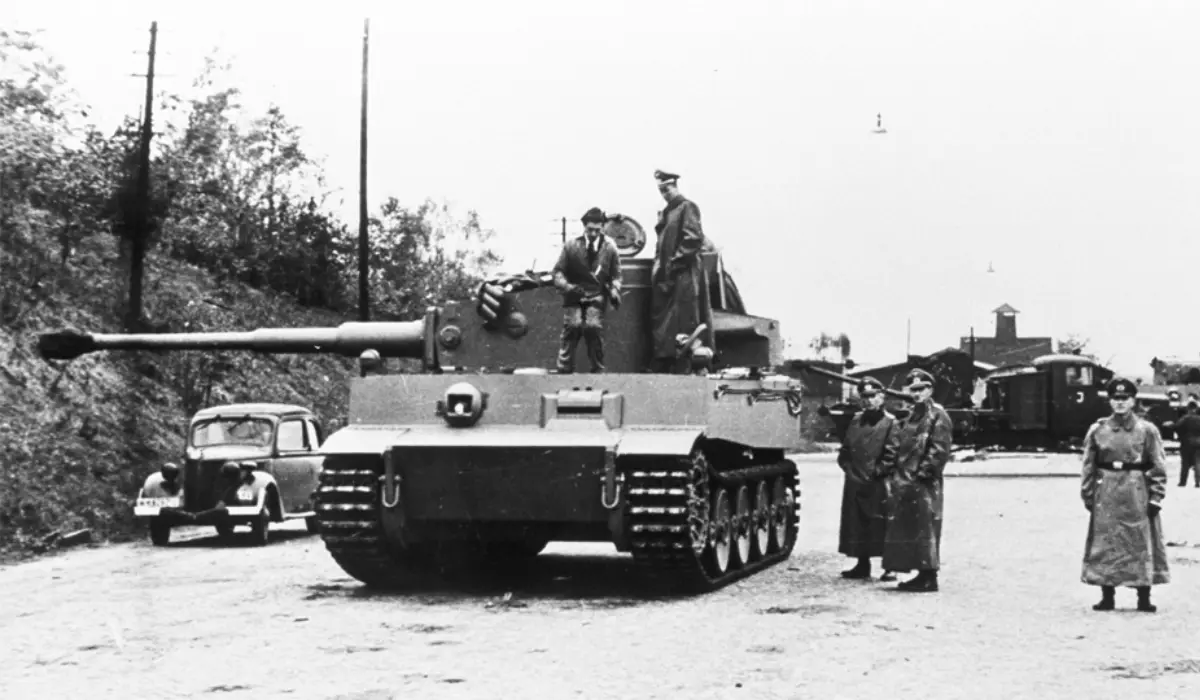
A brief but brutal reign
The Tiger I had an operational combat lifespan of less than three years, making its combat debut in September 1942. Its service effectively ended when Nazi Germany unconditionally surrendered to the Allied forces in May 1945.
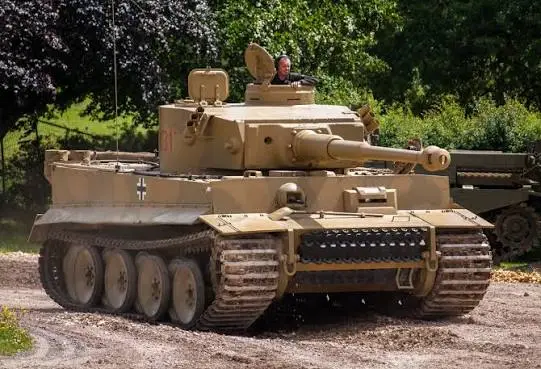
A disastrous first deployment
The heavy tank first saw combat against Soviet forces near Leningrad. Because Adolf Hitler ordered the tanks rushed to the frontline, many broke down immediately due to severe transmission failures rather than enemy anti-tank fire.
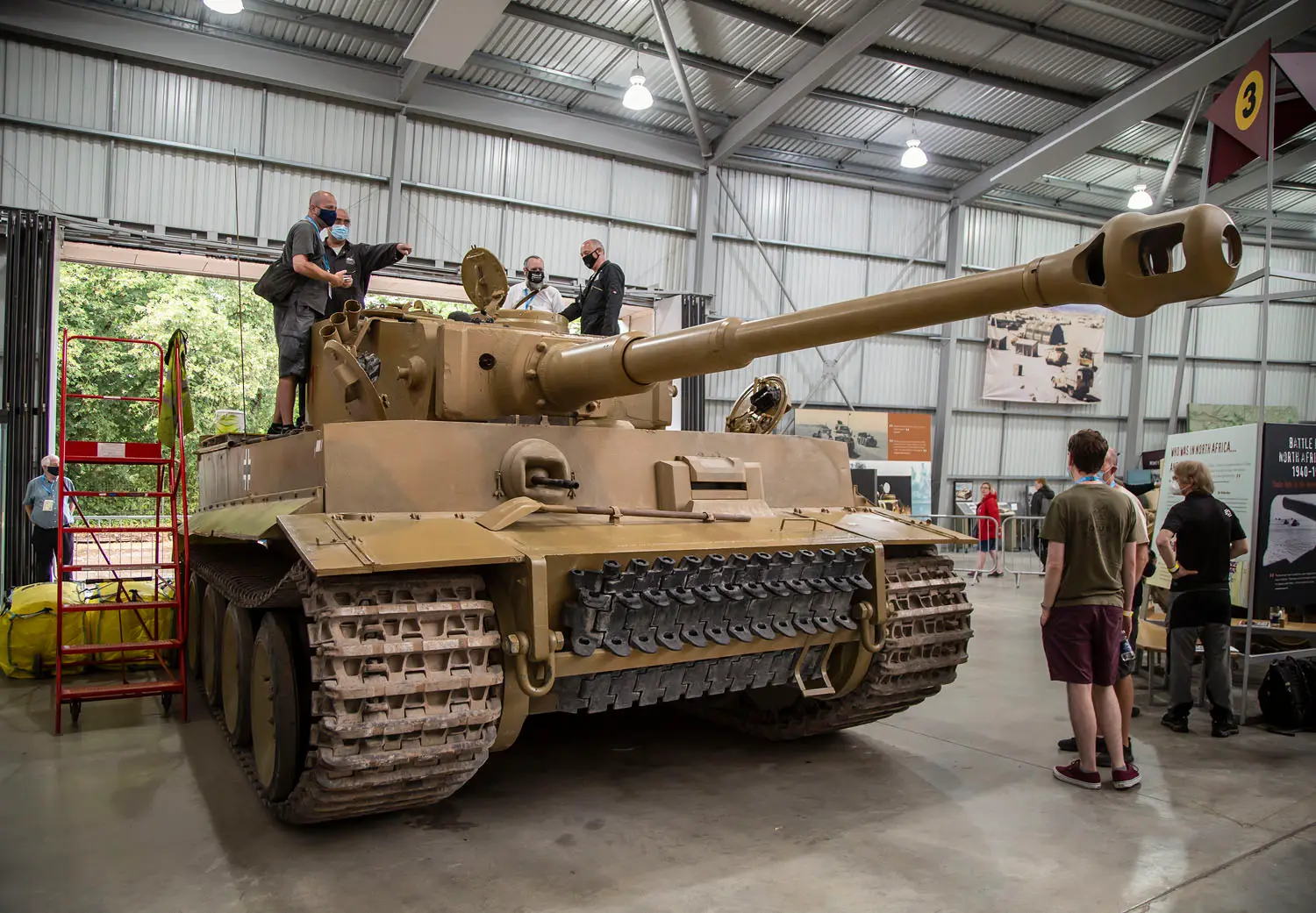
The two-year production limit
Despite its legendary status, actual production of the Tiger I only lasted for 24 months, running from August 1942 to August 1944. Henschel and Son manufactured exactly 1,347 units before assembly lines shifted to newer models.
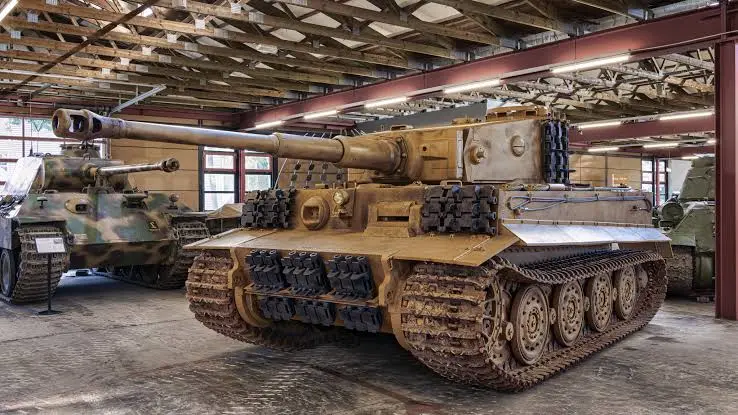
The threat of mechanical death
On the battlefield, the combat lifespan of an individual Tiger was often dictated by logistics rather than enemy shells. Because of terrible fuel consumption and frequent breakdowns, crews frequently abandoned and destroyed their own tanks to prevent capture.
Fighting to the bitter end
In August 1944, the German military officially phased out the Tiger I in favour of the heavier Tiger II. However, surviving Tiger I tanks remained in active service, fighting desperately in urban ruins until the final days of the war.
)
)
)
)
)