‘Enough to conquer most of Europe’: How many Tiger I tanks did Germany build during World War II?

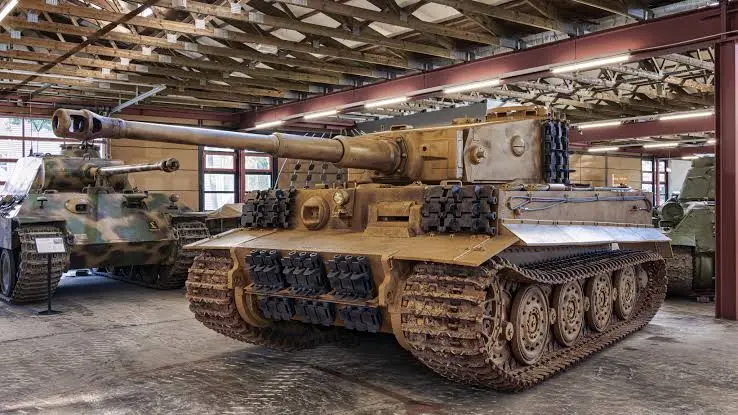
The Panzerkampfwagen VI Tiger, commonly known as the Tiger I, is one of the most famous heavy tanks of the Second World War. Between August 1942 and August 1944, Nazi Germany produced exactly 1,347 Tiger I tanks.
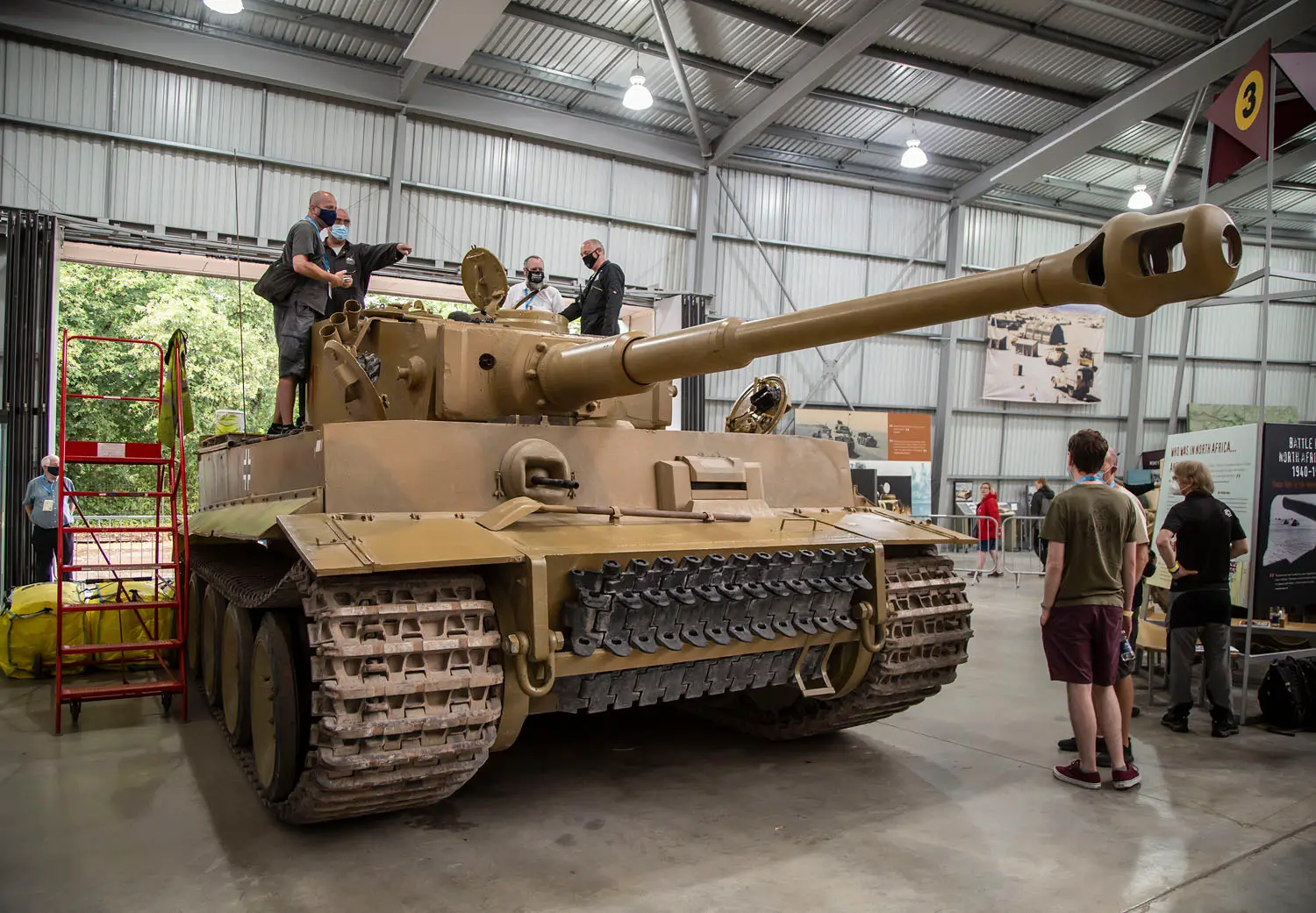
From August 1942 until August 1944
Despite its massive reputation, only 1,347 Tiger I tanks were ever built. Full production lasted exactly two years, running strictly from August 1942 until August 1944.
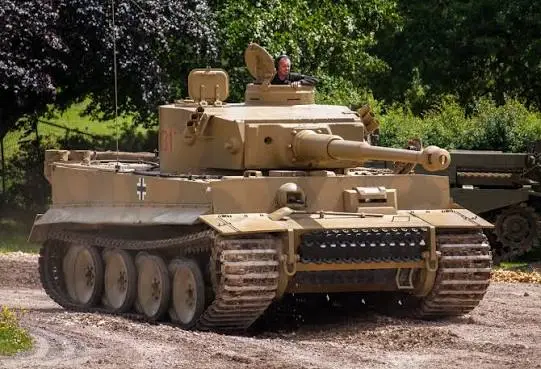
The Henschel factory
Every operational Tiger I was manufactured by Henschel & Son at their Kassel facility. A rival design submitted by Ferdinand Porsche was rejected, though 91 of his prototype hulls were later converted into tank destroyers.
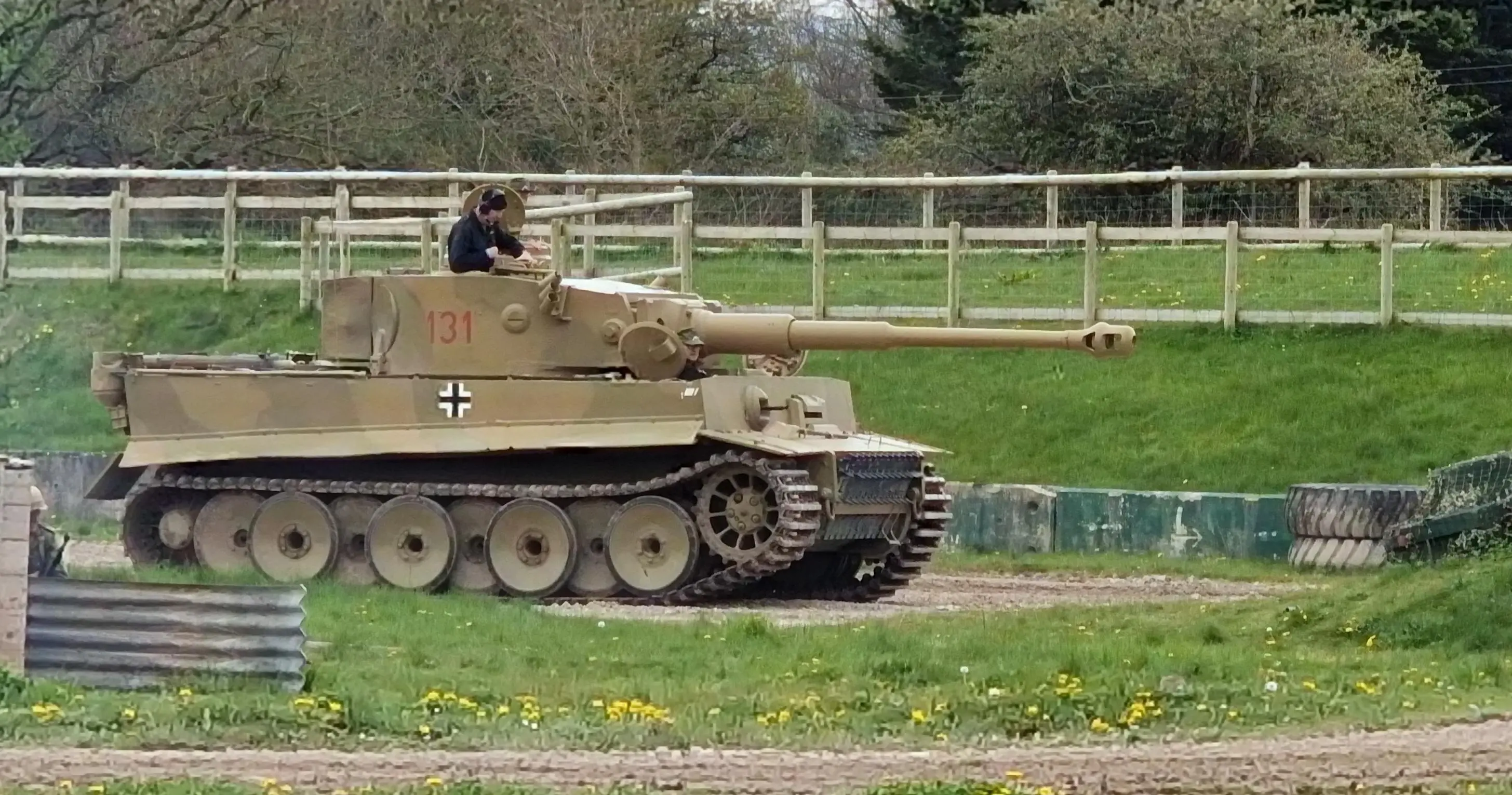
Over-engineered complexity
The primary reason for the low production numbers was the tank's immense mechanical complexity. Building a single 54-tonne Tiger required roughly 300,000 man-hours, making it incredibly difficult to mass-produce.
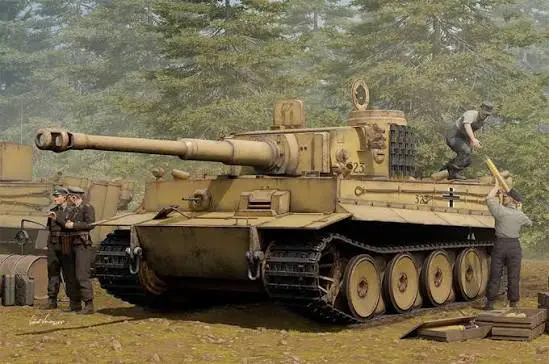
Quality over quantity
While the Soviet Union built over 80,000 T-34s and the US produced nearly 50,000 Shermans, Germany focused on individual superiority. A single Tiger could routinely destroy multiple enemy tanks before being disabled.
Phased out for the Tiger II
By August 1944, Germany officially ceased production of the Tiger I. The assembly lines were immediately transitioned to build the heavier, more heavily armoured Tiger II (King Tiger).
)
)
)
)
)