Why the Su-30MKI cockpit is painted bright turquoise green

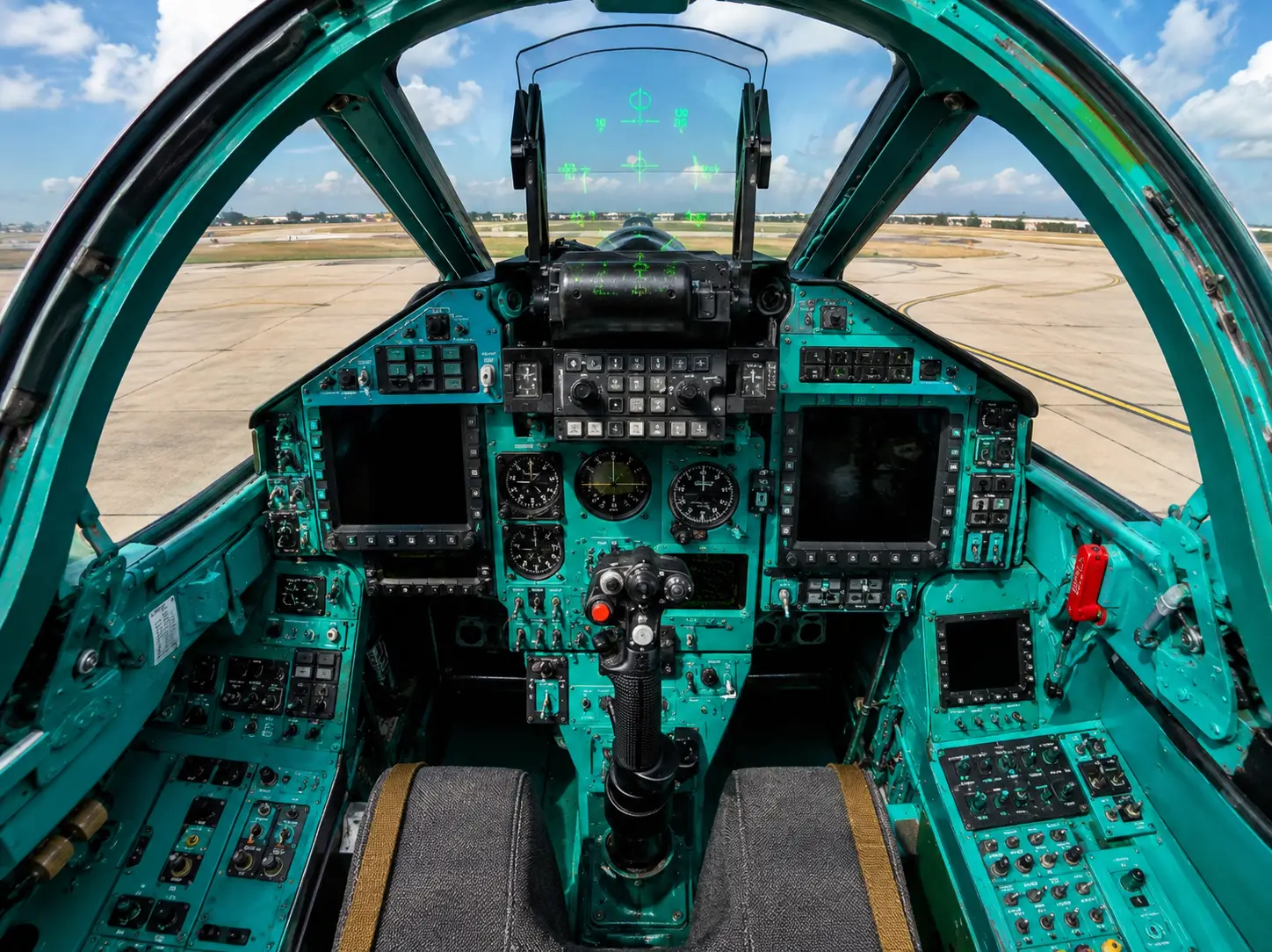
The Su-30 features a turquoise green cockpit designed to reduce pilot eye fatigue and combat stress. This scientifically chosen colour bridges the contrast between high-altitude glare and dark interiors, ensuring flight instruments remain visible.
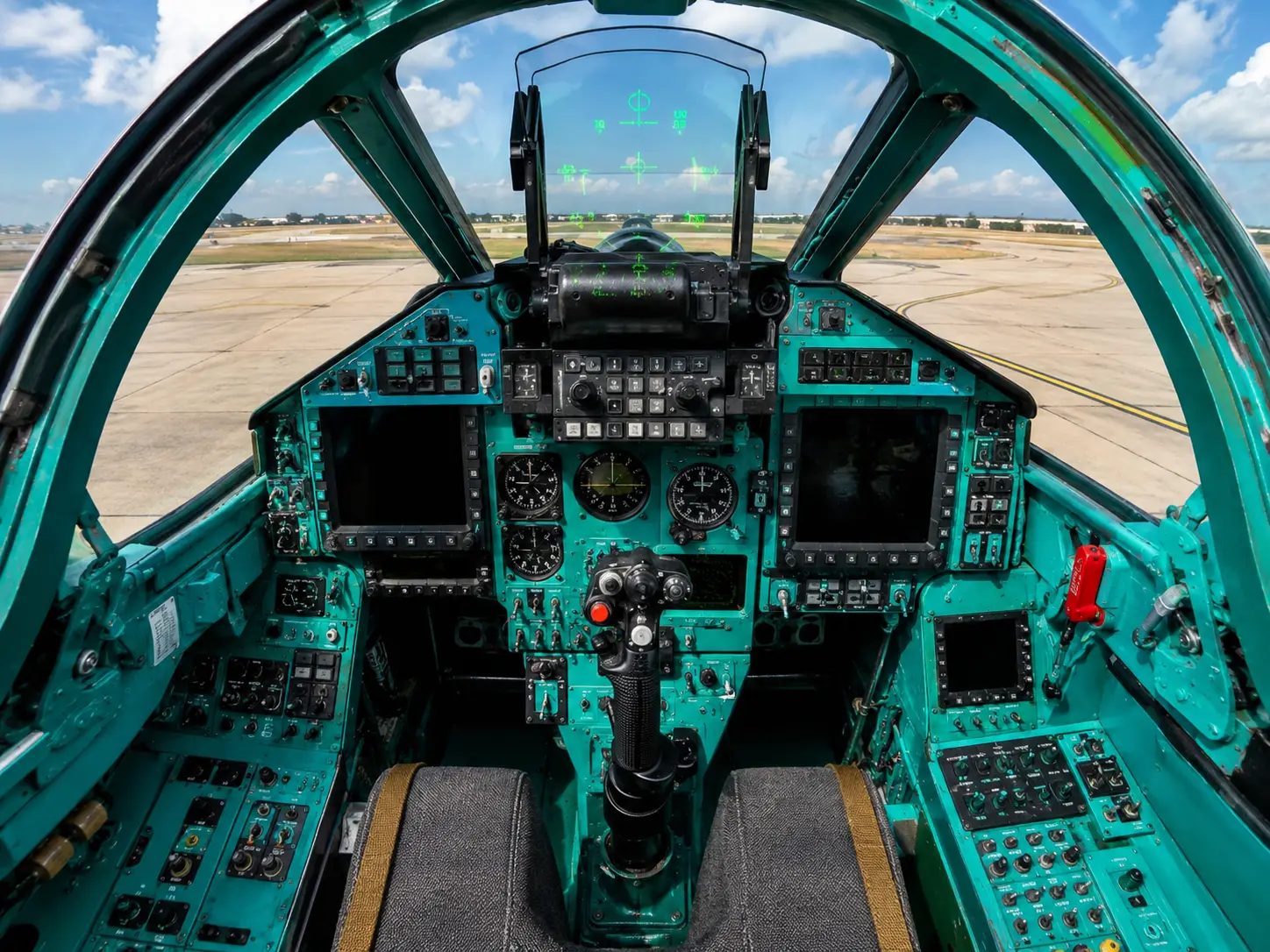
Balancing 17,000 Metre Glare
At high altitudes, pilots face blinding outside sunlight and dark interior shadows. The turquoise green paint acts as a soothing visual bridge, significantly reducing this extreme lighting contrast. This prevents the pilot's eyes from constantly struggling to adjust to sudden brightness changes.
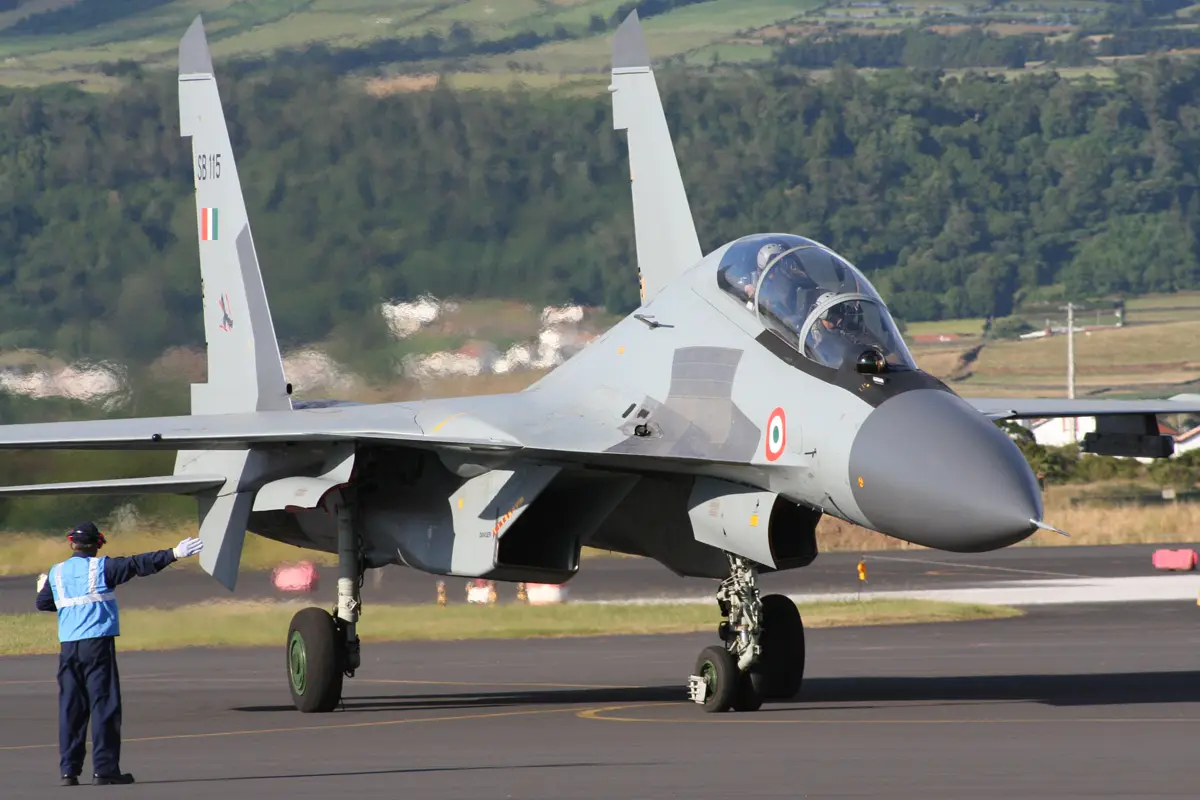
Standard For 70 Years
Soviet aviation scientists first introduced this specific blue-green shade during the 1950s. Extensive psychological research proved that this exact colour naturally lowers human stress levels. The modern Su-30 jet retains this proven legacy paint to keep pilots calm during intense combat.
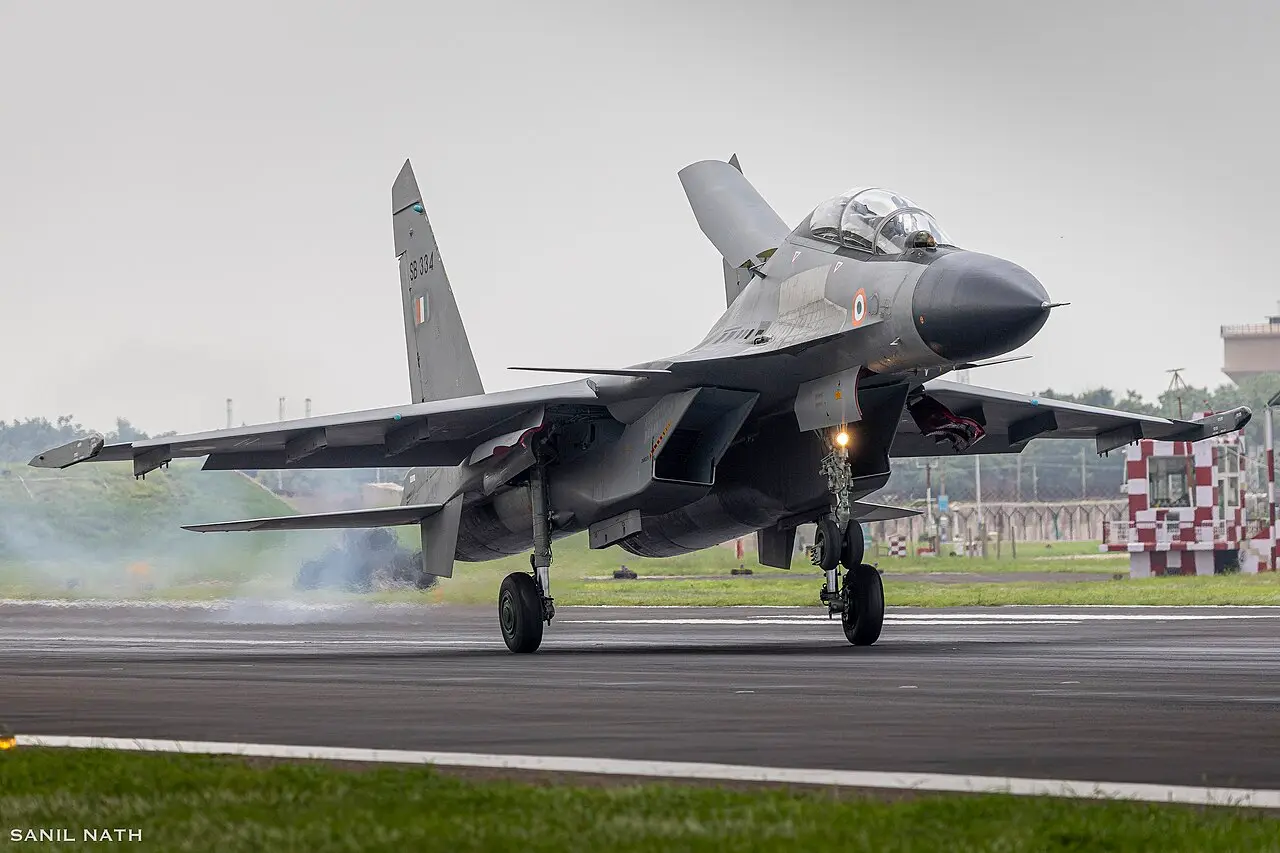
100 Per Cent Sharp Contrast
Russian fighter jets heavily utilise black analogue dials, switches, and standby instruments. The bright turquoise background creates a stark visual contrast, making these critical gauges instantly readable. This ensures pilots can accurately check their flight data in a fraction of a second.
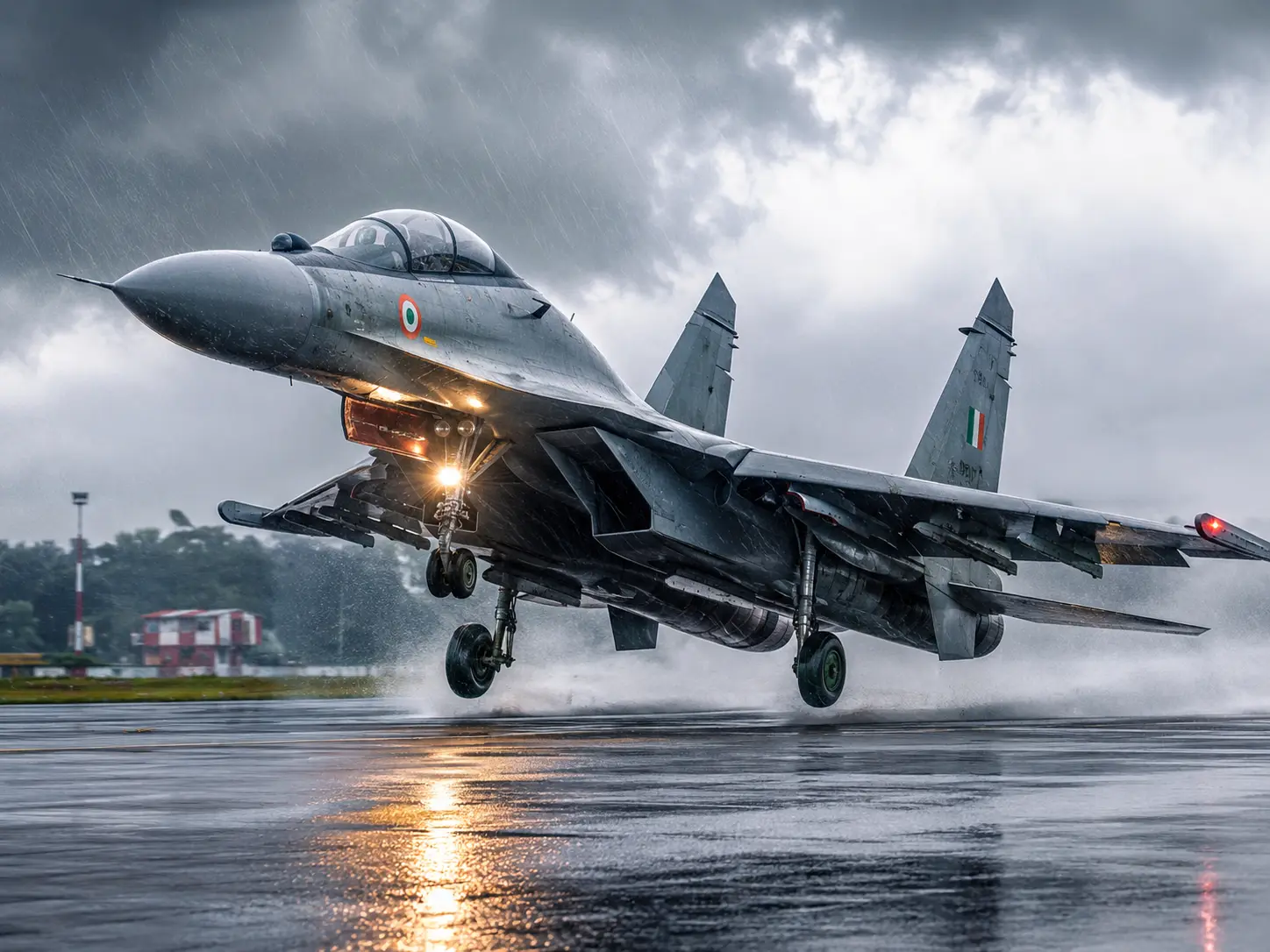
Aiding 10 Hour Flights
Modern combat missions can easily last for several hours with mid-air refuelling support. Staring at dark grey or black interiors for long periods causes severe eye fatigue and drowsiness. The vibrant green shade physically relaxes the human eye, helping the crew remain highly alert.
Processing 550 Nanometre Wavelengths
The human eye is most sensitive to green light, which sits at a wavelength of roughly 550 nanometres. This makes the turquoise colour incredibly easy for the brain to process without any strain. It actively prevents distracting visual afterimages when looking away from the bright sky.
)
)
)
)
)