What war powers resolution means for Trump's future and Republican party | WION Decodes

&imwidth=600&imheight=450&format=webp&quality=medium "What war powers resolution means for Trump's future and Republican party | WION Decodes")
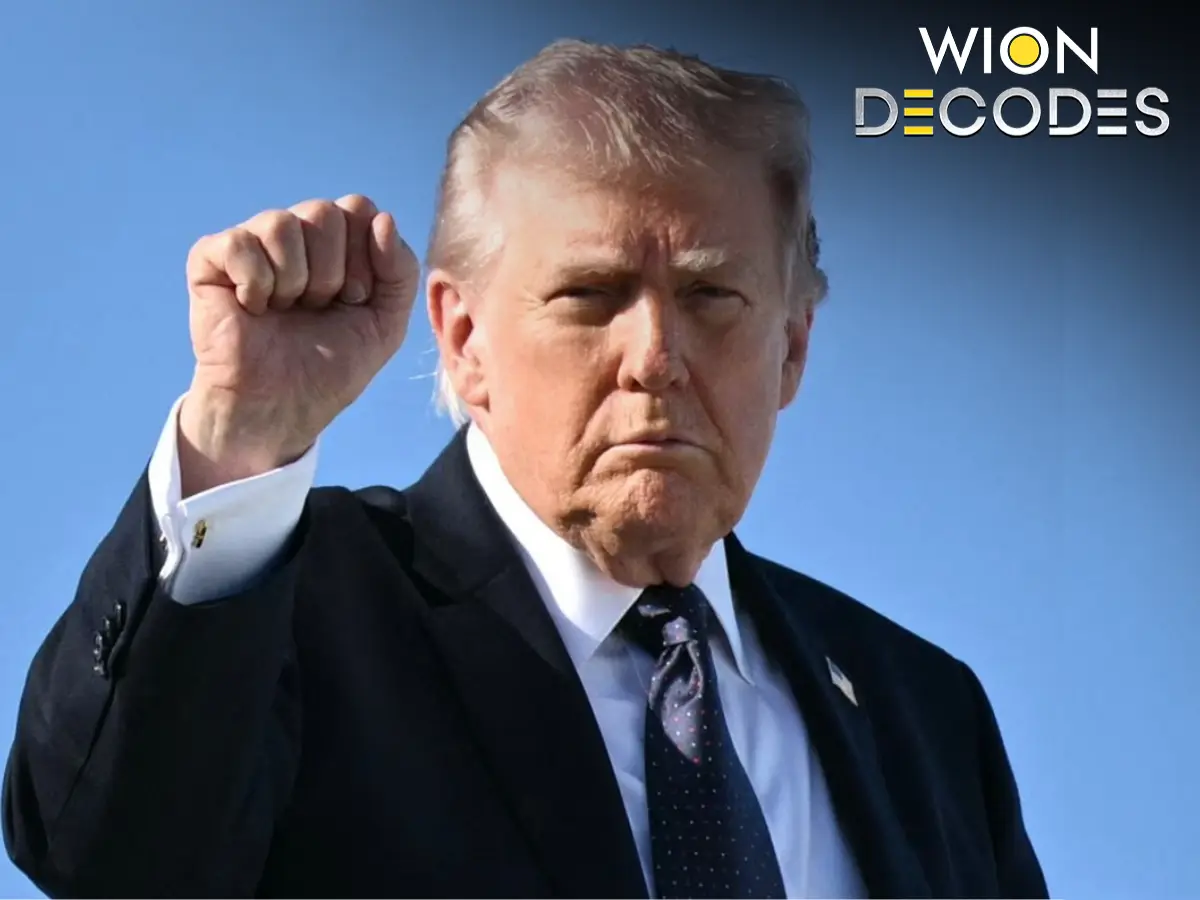
US President Donald Trump Photograph: (AFP)
Trump's Iran war has exposed divisions within the Republican Party, with lawmakers challenging his military authority through a War Powers Resolution. As polls show declining approval ratings, the conflict could shape both Trump's legacy and the GOP's future electoral prospects
US President Donald Trump's Iran war has become major point that would not only decide the his future but also the future of his Republican party. While the US Senate passed the war powers resolution to pose symbolic pressure on the Trump, despite knowing that he would veto it, Trump and his administration state that the war has strengthened America's position worldwide.
What the law says?
Congress argue that Trump violated the US Constitution by launching military operations against Iran without congressional approval. Under the 1973 War Powers Act, presidents must seek authorisation from Congress within 60 days of deploying US forces into hostilities, although successive administrations have disputed how the law should be interpreted. Enacted after the Vietnam War, the WPR requires the president to notify Congress within 48 hours of deploying forces into hostilities. president must terminate the use of force within 60 days (extendable to 90).
What Iran war means for Republican Party and Trump?
Before deciding how the war would impact the Republican Party, it is important to see that Trump has sidelined everyone in his own party. Right from his candidacy for the top role, several Republican elites have been alienated. A clear divide is visible within the party between party elites and MAGA base. Trump became the face of a specific "Republican problem" where the party was less able to control emerging, unstable political forces than the Democrats. Trump's nomination exposed the fragility of the Republican Party's electoral coalition and his tenure has deepened it. From immigration to war, a clear divide exists between the party and the government. The debate over Iran has once again brought these fault lines into the open, with some Republicans backing Trump's actions while others have questioned both the strategy and the constitutional basis for military operations. Moreover, the latest resolution was passed with the support of four Republicans, thus opening the cracks out in open.
Trending Stories
&imwidth=280&imheight=210&format=webp&quality=medium)
&imwidth=280&imheight=210&format=webp&quality=medium)
&imwidth=280&imheight=210&format=webp&quality=medium)
&imwidth=280&imheight=210&format=webp&quality=medium)
&imwidth=280&imheight=210&format=webp&quality=medium)
&imwidth=280&imheight=210&format=webp&quality=medium)
&imwidth=280&imheight=210&format=webp&quality=medium)
&imwidth=280&imheight=210&format=webp&quality=medium)
&imwidth=280&imheight=210&format=webp&quality=medium)
&imwidth=280&imheight=210&format=webp&quality=medium)
&imwidth=280&imheight=210&format=webp&quality=medium)
&imwidth=280&imheight=210&format=webp&quality=medium)
&imwidth=280&imheight=210&format=webp&quality=medium)
&imwidth=280&imheight=210&format=webp&quality=medium)
&imwidth=280&imheight=210&format=webp&quality=medium)
&imwidth=280&imheight=210&format=webp&quality=medium)
&imwidth=280&imheight=210&format=webp&quality=medium)
&imwidth=280&imheight=210&format=webp&quality=medium)
&imwidth=280&imheight=210&format=webp&quality=medium)
&imwidth=280&imheight=210&format=webp&quality=medium)
&imwidth=280&imheight=210&format=webp&quality=medium)
&imwidth=280&imheight=210&format=webp&quality=medium)
&imwidth=280&imheight=210&format=webp&quality=medium)
&imwidth=280&imheight=210&format=webp&quality=medium)
&imwidth=280&imheight=210&format=webp&quality=medium)
&imwidth=280&imheight=210&format=webp&quality=medium)
&imwidth=280&imheight=210&format=webp&quality=medium)
&imwidth=280&imheight=210&format=webp&quality=medium)
&imwidth=280&imheight=210&format=webp&quality=medium)
&imwidth=280&imheight=210&format=webp&quality=medium)
&imwidth=280&imheight=210&format=webp&quality=medium)
&imwidth=280&imheight=210&format=webp&quality=medium)
&imwidth=280&imheight=210&format=webp&quality=medium)
&imwidth=280&imheight=210&format=webp&quality=medium)
&im=FitAndFill=(700,400)&imwidth=280&imheight=210&format=webp&quality=medium)
&imwidth=280&imheight=210&format=webp&quality=medium)
&imwidth=280&imheight=210&format=webp&quality=medium)
&imwidth=280&imheight=210&format=webp&quality=medium)
&imwidth=280&imheight=210&format=webp&quality=medium)
Adding to this, majority of opinion polls have showed Trump's falling ratings due to the war. As Trump is serving his final term in office, the political consequences of the Iran war may extend beyond his presidency. The conflict could influence the Republican Party's internal balance of power, shape its post-Trump identity, and affect its electoral prospects in future elections.
How Trump reacted?
Trump slammed the resolution saying that it was "poorly timed and meaningless." Calling Iran “the number one sponsor of terror”, the US president said that the resolution provides comfort to the enemy by telling them that the US Senate does not respect the US president. He blamed that Senators for “making the job difficult” but added that he will get it done, likely referring to a final deal with Iran.
Soon after Trump's public remarks, two Republican senators Rand Paul and Bill Cassidy changed their positions. The two had previously voted to restrain Trump’s war powers on Iran. While Paul changed the vote to present, Cassidy voted against the resolution, bringing the final tally to 47-50-1. Expressing his happiness, Trump wrote on Truth Social, Trump welcomed the move, “Wow! The Senate just changed its vote on Iran… This vote puts Iran on notice!”
Resolution to end Iran war
On June 23, the US Senate approved a symbolic resolution urging an end to President Donald Trump's military conflict with Iran. Earlier on June 3, the US House of Representatives passed a resolution ordering the withdrawal of American troops from the Iran war. In what was seen as an unprecedented move, four members of Trump's Republicans also joined Democrats in backing the measure. The move marked the first time the Republican-controlled House has attempted to force Trump to end the military operations against Tehran. As the Congress pushed for War Powers Resolution, the Trump administration insisted that the war against Iran is already over, despite ongoing exchanges of fire between the two sides' forces and no peace deal.

