What Iran's Quranic verse for Hamas, Hezbollah during Khamenei funeral means

&imwidth=600&imheight=450&format=webp&quality=medium "What Iran's Quranic verse for Hamas, Hezbollah during Khamenei funeral means")
Iran has chosen Quranic verses for each and every country Photograph: (AFP)
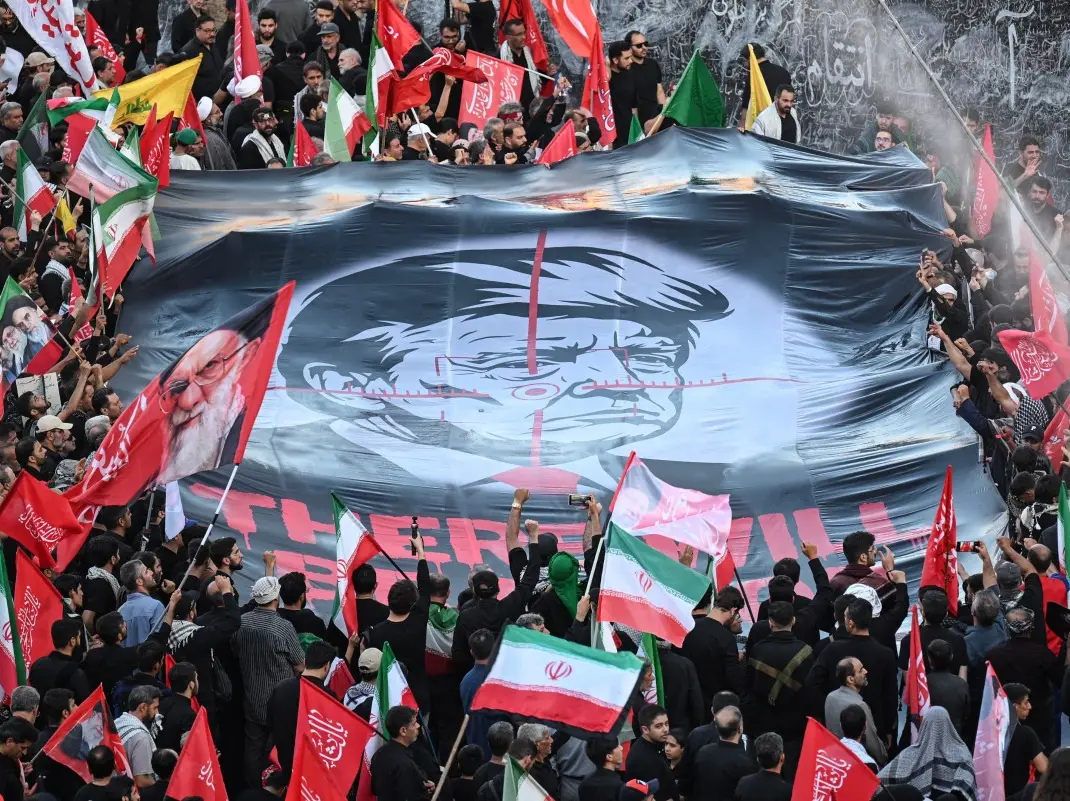
At Khamenei's funeral, Iran played different Quranic verses for each foreign delegation and for Hamas and Hezbollah, with each recitation carrying a symbolic message. The verses appeared to distinguish allies from US-backed nations while signalling Tehran's diplomatic priorities
Iran has chosen Quranic verses for each and every country that played as they played last respects to former Supreme Leader Ayatollah Ali Khamenei. The message clearly bifurcates between Iran's allies those who supported the US and Israel in the war that began on Feb 28. The country also chose a message for its Axis of Resistance partners as Hamas and Hezbollah paid tributes to Ali Khamenei. The recitations drew a clear distinction between Iran's allies, countries that maintained close ties with Washington or Israel, and those that remained neutral, while also signalling the kind of relationships Tehran hopes to cultivate going forward. Iran extended the same symbolic messaging to members of its self-described "Axis of Resistance", selecting specific Quranic verses for Hezbollah and Hamas as they paid tribute to Khamenei.
For Hezbollah, it played: “Do not falter or grieve, for you will have the upper hand, if you are true believers. If you have suffered injuries, they suffered similarly. We alternate these days of victory and defeat among people so that God may reveal the true believers, choose martyrs from among you, and God does not like the wrongdoers." The selection was seen as a message of resilience and strategic patience.
For Hamas, it played: “Among the believers are men who have proven true to what they pledged to God. Some of them have fulfilled their pledge, others are waiting their turn. They have never changed their commitment in the least." This selection was interpreted as a validation of Hamas's role in the “Axis of Resistance.” : The phrase "fulfilled their pledge" was seen as a posthumous tribute to fallen Hamas fighters and leaders, framing their deaths as martyrdom rather than defeat.
Also Read: Iran to charge fees in Strait of Hormuz, hints at ‘special treatment’ for friendly nations
The funeral events of late former Supreme Leader Ayatollah Khamenei is undergoing in Tehran's Grand Mosalla with tributes pouring in from around world. The limelight came on the Quranic verses when the Saudi delegation stepped forward to pay respects. The Quran recitation that followed was the verse from Al Imran 3:13, the passage describing the Battle of Badr - which was fought in what is today Saudi Arabia in 624 CE. The verse says talks about one of Islam’s first victories and a shared civilisational memory between Tehran and Riyadh. The verse describes one side as fighting in the cause of Allah and the other as disbelievers. It also says Allah supports with victory whom He wills. The choice was an obvious reference to Saudi's deep ties with the US and reports suggesting that Saudi supported and even wanted the US to attack Iran.
Trending Stories
&imwidth=280&imheight=210&format=webp&quality=medium)
&imwidth=280&imheight=210&format=webp&quality=medium)
&imwidth=280&imheight=210&format=webp&quality=medium)
&imwidth=280&imheight=210&format=webp&quality=medium)
&imwidth=280&imheight=210&format=webp&quality=medium)
&imwidth=280&imheight=210&format=webp&quality=medium)
&imwidth=280&imheight=210&format=webp&quality=medium)
&imwidth=280&imheight=210&format=webp&quality=medium)
&imwidth=280&imheight=210&format=webp&quality=medium)
&imwidth=280&imheight=210&format=webp&quality=medium)
&imwidth=280&imheight=210&format=webp&quality=medium)
&imwidth=280&imheight=210&format=webp&quality=medium)
&imwidth=280&imheight=210&format=webp&quality=medium)
&imwidth=280&imheight=210&format=webp&quality=medium)
&imwidth=280&imheight=210&format=webp&quality=medium)
&imwidth=280&imheight=210&format=webp&quality=medium)
&imwidth=280&imheight=210&format=webp&quality=medium)
&imwidth=280&imheight=210&format=webp&quality=medium)
&imwidth=280&imheight=210&format=webp&quality=medium)
&imwidth=280&imheight=210&format=webp&quality=medium)
&imwidth=280&imheight=210&format=webp&quality=medium)
&imwidth=280&imheight=210&format=webp&quality=medium)
&imwidth=280&imheight=210&format=webp&quality=medium)
&imwidth=280&imheight=210&format=webp&quality=medium)
&imwidth=280&imheight=210&format=webp&quality=medium)
&imwidth=280&imheight=210&format=webp&quality=medium)
&imwidth=280&imheight=210&format=webp&quality=medium)
&imwidth=280&imheight=210&format=webp&quality=medium)
&imwidth=280&imheight=210&format=webp&quality=medium)
&imwidth=280&imheight=210&format=webp&quality=medium)
&imwidth=280&imheight=210&format=webp&quality=medium)
&imwidth=280&imheight=210&format=webp&quality=medium)
&imwidth=280&imheight=210&format=webp&quality=medium)
&imwidth=280&imheight=210&format=webp&quality=medium)
&im=FitAndFill=(700,400)&imwidth=280&imheight=210&format=webp&quality=medium)
&imwidth=280&imheight=210&format=webp&quality=medium)
&imwidth=280&imheight=210&format=webp&quality=medium)
&imwidth=280&imheight=210&format=webp&quality=medium)
&imwidth=280&imheight=210&format=webp&quality=medium)
For India, whom Iran has favoured throughout the war as New Delhi maintained contact with the leadership even after Ayatollah Ali Khamenei's death while also maintaining ties with the US, Iran chose a verse from Surah Aal-e-Imran, Verse 173: “Those to whom people said, 'Indeed, the people have gathered against you, so fear them.' But it only increased them in faith, and they said, ‘Allah is sufficient for us, and He is the best Disposer of affairs.” This powerful verse honours the believers who, when faced with overwhelming threats or intimidation, responded with absolute trust in God rather than fear, ultimately strengthening their faith. This likely refers to Indian Shias standing with Khamenei and against US action in Iran despite their government’s balanced diplomatic stance over the issue.

