Reasons COP31 failed to produce a main political agreement: Fossil fuel lobby wins as consensus becomes liability


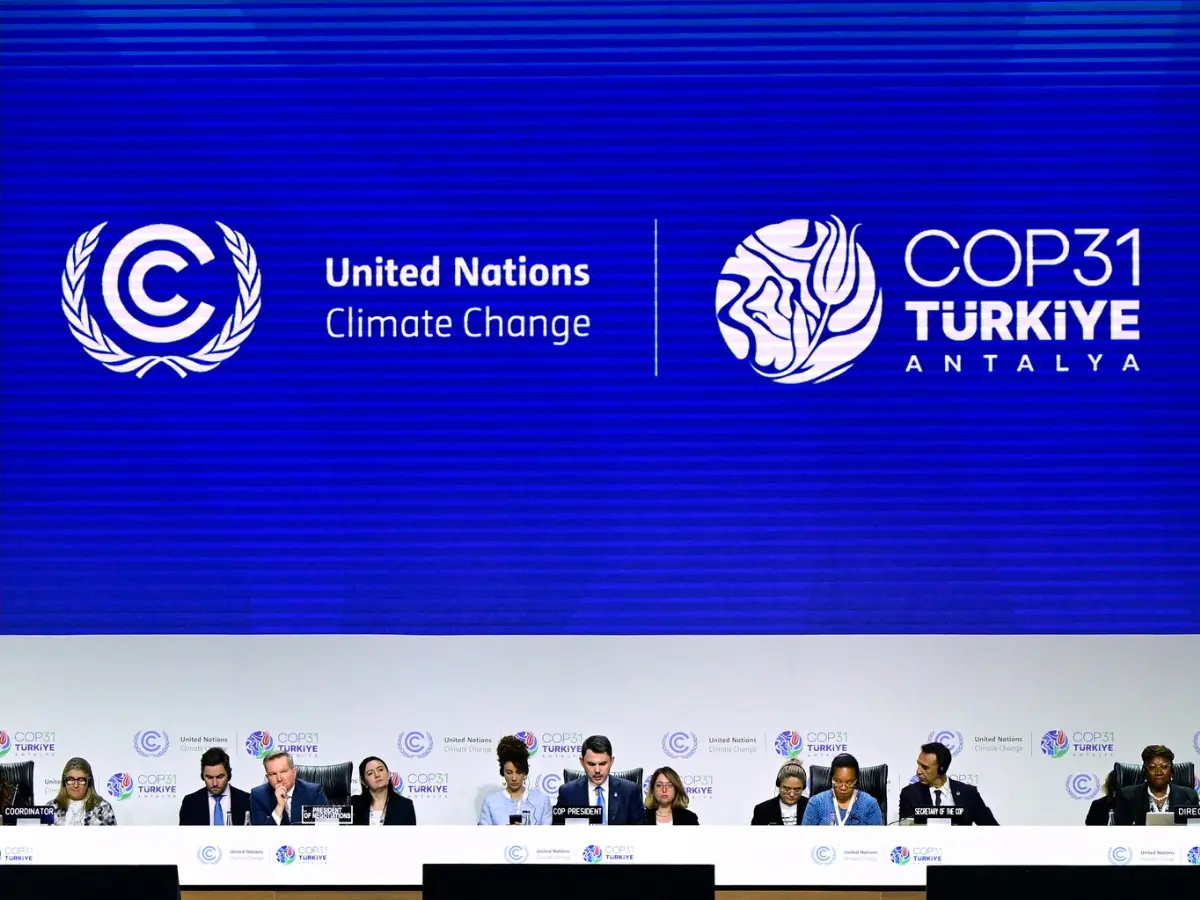
The logo or COP31, the second biggest failure of climate talks since Copenhagen Photograph: (Others)
COP31 in Antalya collapsed after running overtime for nearly 50 hours, making it the longest Conference of Parties on climate crisis. Saudi-led oil-producer states blocked fossil-fuel language in the final text. Rich nations gave no clear climate finance roadmap.
COP31, the UN climate summit in Antalya, Türkiye, collapsed on Sunday (Nov 22) without adopting its main political text, the Antalya Pact. It was the first such failure since Copenhagen in 2009. Talks ran nearly 50 hours past the scheduled Friday close, making it the longest COP on record. Türkiye hosted and held the presidency, while Australia's Chris Bowen led the negotiations.
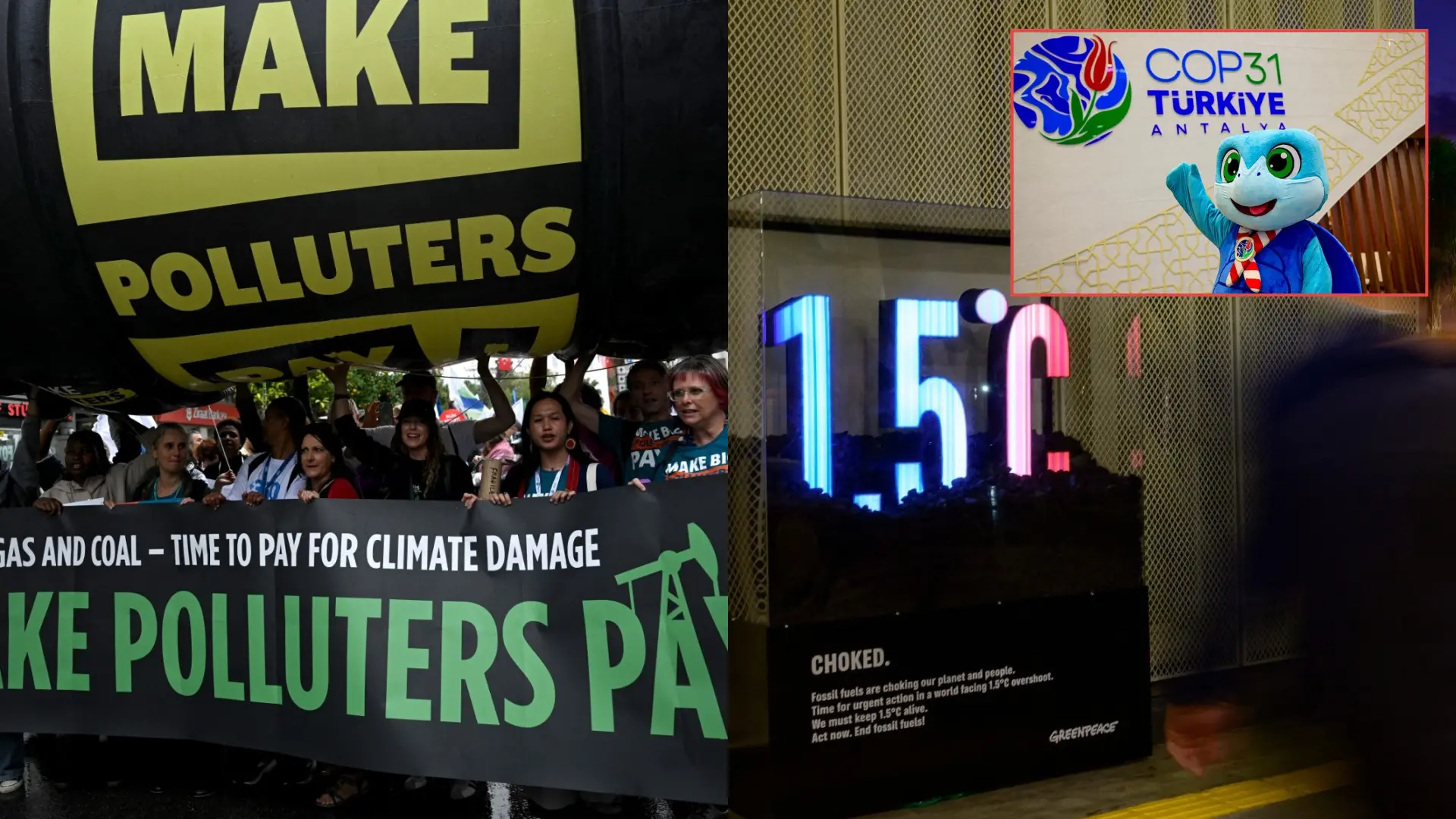
Mention of fossil fuels left out, leading to sharp criticism
The final 12-page draft contained no direct reference to fossil fuels. It only had an indirect nod to the 2023 COP28 pledge to "transition away" from them. An earlier draft used the phrase six times, but Saudi Arabia-led oil producers and Russia rejected any such wording. Nearly 40 countries formally objected, calling the text ‘inadequate and greenwashing’. They included the member states of European Union, the UK, Norway, Panama, Belize, and Pacific island states such as Vanuatu and the Marshall Islands.
No clear finance roadmap for climate crisis-affected poor nations
The draft called for tripling adaptation finance but gave no clear figure. A proposed $120 billion financing target was dropped. African and other developing countries objected, with Bowen saying that fossil fuels and finance were the deal-breakers.
Trending Stories


Carbon capture instead of phase-out
Oil producers pushed for the so-called ‘carbon capture and storage’ technology as the main answer. The draft called for it at "gigatonne scale". Critics, including island states, said the technology is costly and unproven at scale.
The text acknowledged for the first time that warming is projected to overshoot 1.5°C, but the EU said it fell well short of expressing urgency.
Consensus rule: A burden for climate talks
Decisions at the Conference of Parties (COP) require consensus, and that seems to be its biggest problem. Essentially, a small group of nations can block any outcome, a veto by other means. Around 130 countries backed a letter insisting that the deal mention transitioning away from fossil fuels, yet it still failed. Panama called for an end to rules that let one country block the agreement.
US absence under Trump is a problem
The Trump administration stayed away from the conference for the second year, calling it "climate nonsense". Negotiators said the US absence and weak US-China coordination strengthened Saudi Arabia's hand.
‘Big Tobacco playbook’
UN Secretary-General António Guterres, attending his last COP, said he was "deeply disappointed". He accused the powerful fossil fuel lobby of taking a page from Big Tobacco's playbook: distorting science, delaying policy and blocking action. "There may be no consensus in the negotiating room. There is no ambiguity in the science," he said, adding that overshooting 1.5°C is now inevitable.
Last-minute drama
Delegates left Antalya exhausted, amid recriminations.
EU officials called the draft a disgrace and walked out of the closing plenary. Ireland's Darragh O'Brien said the bloc would not accept "a COP that greenwashes fossil fuels".
COP31 President Murat Kurum declared no consensus, ruled out a new draft, and blamed unnamed countries for lacking flexibility, before walking away.
Some separate decisions were adopted, including on the Just Transition Work Programme, the Adaptation Fund, carbon markets and transparency.
An operational just transition mechanism, however, was not agreed.
China expressed disappointment. Both China and India had reservations, but accepted the text to keep talks moving.
Unresolved issues will be passed on to COP32 in Addis Ababa, Ethiopia in November 2027.