West Asia on the brink: Iran threatens new weapons as Trump weighs war | Race To Power

&imwidth=600&imheight=450&format=webp&quality=medium "West Asia on the brink: Iran threatens new weapons as Trump weighs war | Race To Power")
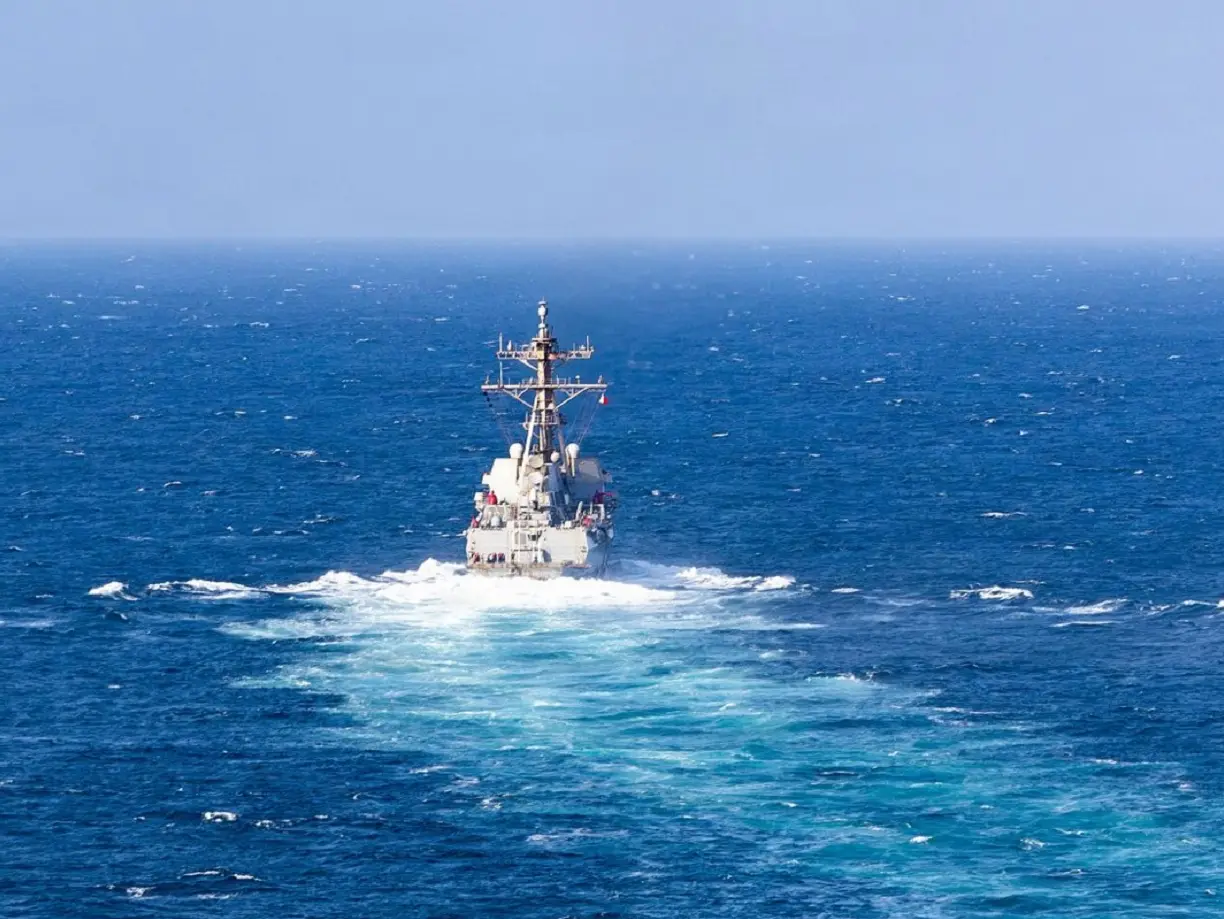
USS Rafael Peralta (DDG 115) sails in regional waters as it continues strict enforcement of the US blockade against Iran Photograph: (X)
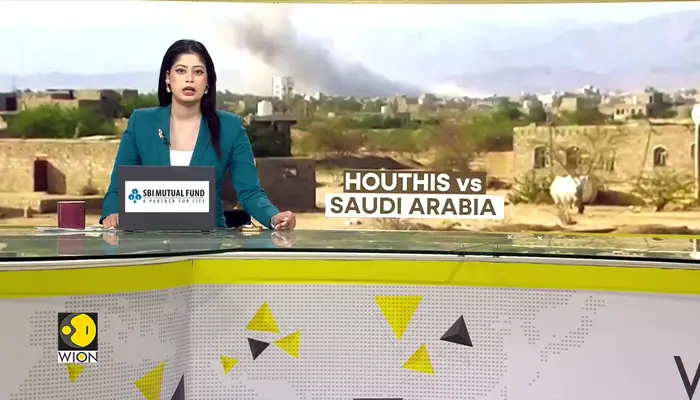
The Yemeni group has refrained from blocking the Bab al-Mandeb Strait, despite having control over the coastal areas along the Red Sea. They are giving free way to commercial vessels, except those linked to Saudi Arabia. Saudi Arabia has scrambled to contain the fallout.
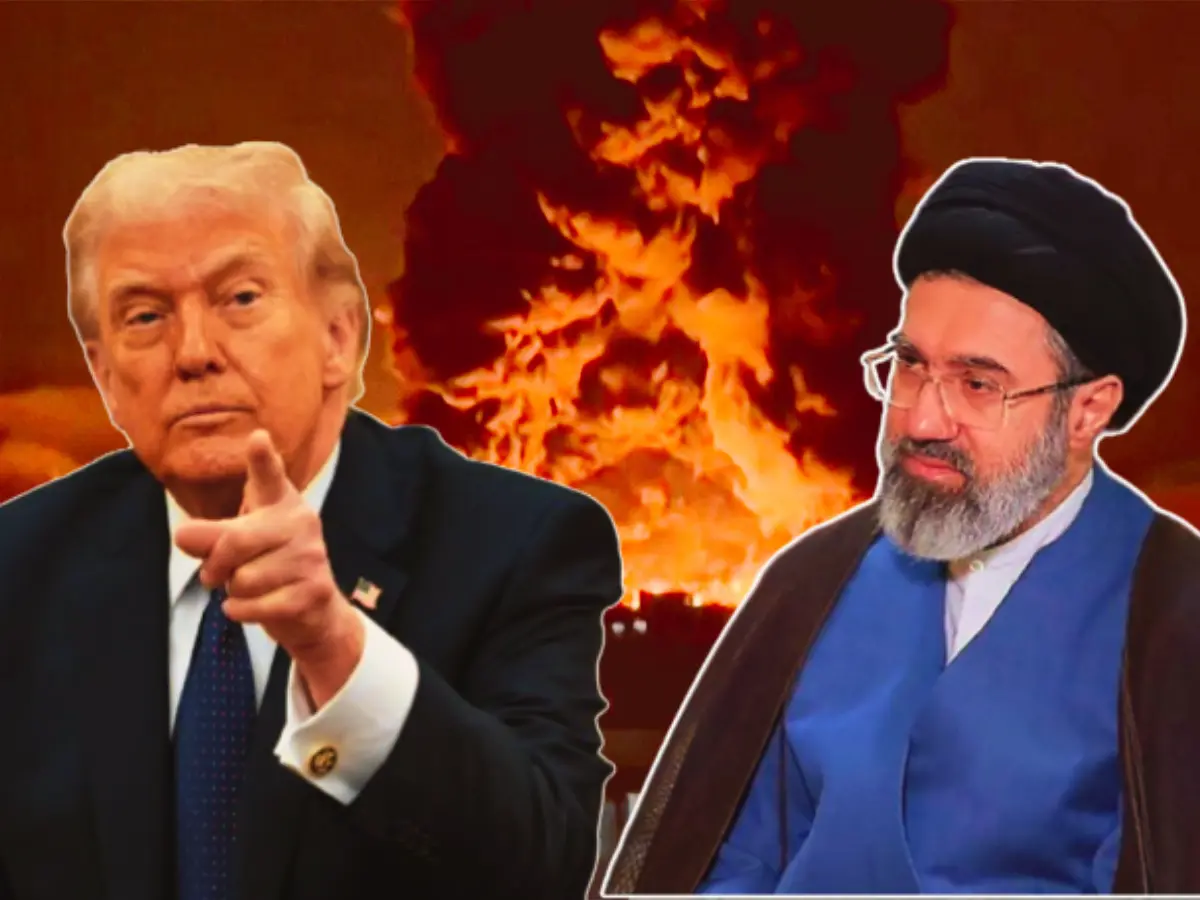
A major military showdown looms over West Asia. Iran has vowed to bring unseen & deadlier weapons to the battlefield, Donald Trump is ramping up rhetoric with his statements.
At the same time, his indecision on Yemen has left Saudi Arabia on its own.
All the developments are not unfolding in isolation.
Escalation on Iran will fuel tensions in Bab al-Mandeb and become the second chokepoint after Hormuz. And US president seems to be caught in this dilemma.
Donald Trump unexpectedly cut short a weekend at Camp David, a secluded presidential complex in rural Maryland, and returned to the White House.
The reason behind the move remains unknown.
Trending Stories
)
)
)
)
)
)
)
&im=FitAndFill=(700,400))
)
)
)
)
)
)
)
)
)
)
)
)
)
)
)
)
)
)
)
)
)
)
)
&im=FitAndFill=(700,400))
)
)
&im=FitAndFill=(700,400))
)
)
)
)
)
)
)
According to a report by New York Times, Saudi Crown Prince convinced Donald Trump to launch strikes on Houthis. US president also asked Pentagon to prepare for the attacks.
Commanders had approved target lists, troops were loading bombs onto US warplanes selected for the missions, and the wave of attacks was just about to begin.
But by midday on Sunday, Donald Trump reportedly reversed his position and decided not to intervene at the moment. A line of communication is in place between Houthis and the Trump administration.
The Yemeni group has refrained from blocking the Bab al-Mandeb Strait, despite having control over the coastal areas along the Red Sea.
They are giving free way to commercial vessels, except those linked to Saudi Arabia.
Saudi Arabia has scrambled to contain the fallout.
But Houthis are escalating their attacks on the kingdom while advancing in the territory controlled by Saudi-backed Yemeni government forces.
Saudi Arabia has responded with scores of airstrikes on Houthi-held areas but has failed to curtail their advance.
The Yemen based group has also warned Mecca Pact signatories.
Houthis said Pakistan and Turkiye should be ready for a decisive and painful response if they provide any military assistance to Saudi Arabia.
Meanwhile, US president is walking down a similar path on Iran.
Donald Trump has outlined 3 options amid the deadlock—wiping Iran out, letting them rot economically, or making a deal.
Iran has responded with a staunch warning—renewal of attacks will change the geography of war, and the world will be astonished by unseen weapons.
During a recent encounter, Iranian air defences shot down American drone over the Strait of Hormuz.
UK Maritime Trade Operations also issued a warning regarding Iranian attack on a vessel in the contested waterway.
Amid the heated rhetoric, a window of diplomacy is opening up.
Iran's President Pezeshkian is scheduled to travel to New York to participate in United Nations General Assembly.
There are no direct diplomatic engagements planned with the US, but it will be the first time when a high-level Iranian delegation will be on American soil since the beginning of the war on 28th February this year.
Pezeshkian will be flanked by Iran's Foreign Minister Abbas Aragchi, who made a brief stop in Qatar on his way to New York.
According to Doha, mediators are working overtime to revive negotiations between Iran and US.
Pakistan's Interior Minister Mohsin Naqvi is also in Tehran.
However, Iranian media reported that Naqvi is neither carrying a message to Iran nor will Iran send a message to the US through him.