Solar Eclipse 2025: How to watch, do’s and don’ts for 'Surya Grahan' today

&imwidth=600&imheight=450&format=webp&quality=medium "Solar Eclipse 2025: How to watch, do’s and don’ts for 'Surya Grahan' today")
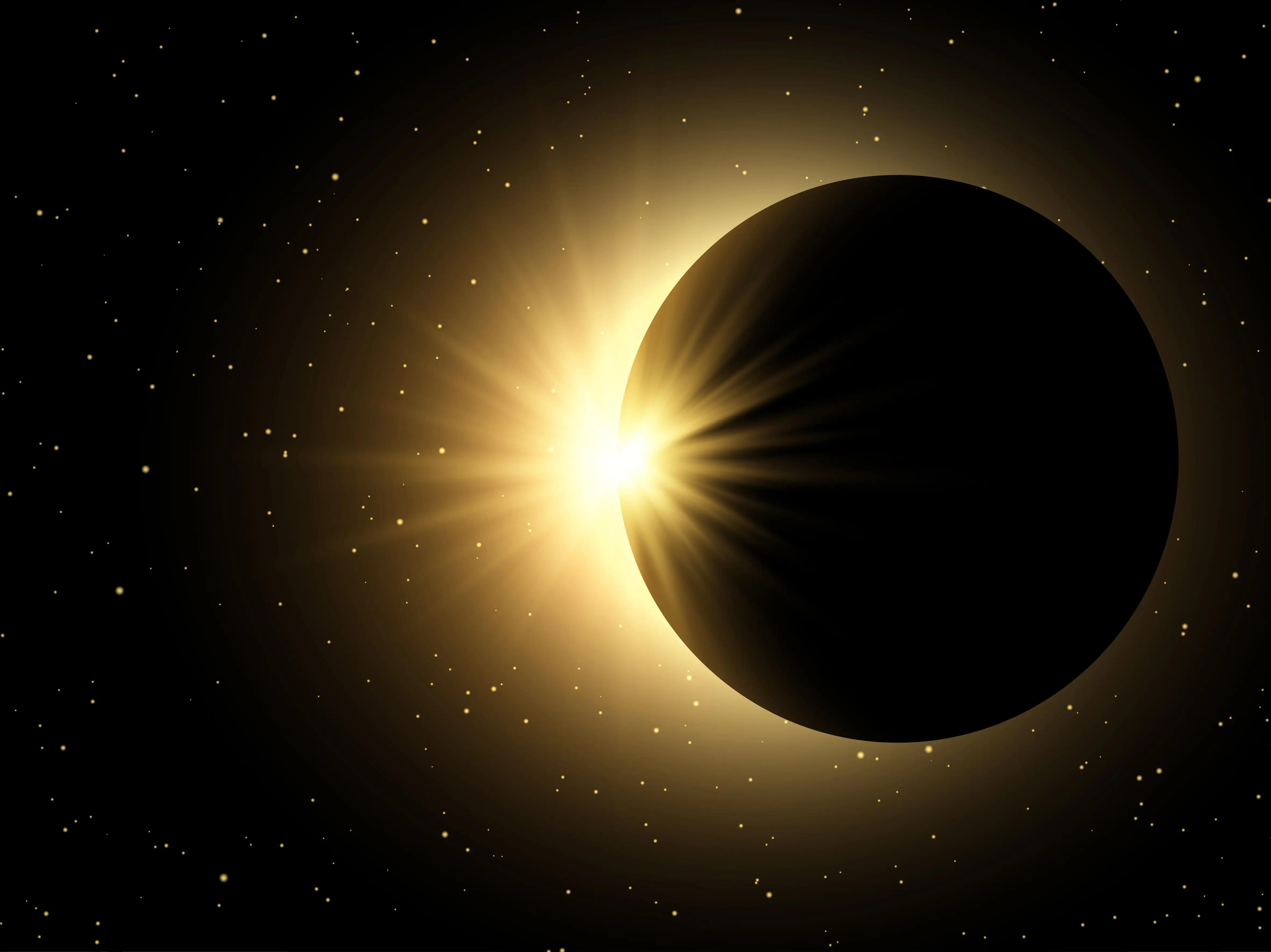
Solar Eclipse Photograph: (Freepik)
While India won’t witness the September 21 solar eclipse, the event remains significant as it is the final one of this year. Read on to know the timing and do's and don'ts during the astronomical event.
The much-anticipated September 21 partial solar eclipse ('Surya Grahan') is only hours away, drawing excitement from sky watchers across the globe. Marking the final solar eclipse of 2025, this celestial spectacle will unfold late Sunday night (IST) and continue into the early hours of September 22.
What is a solar eclipse?
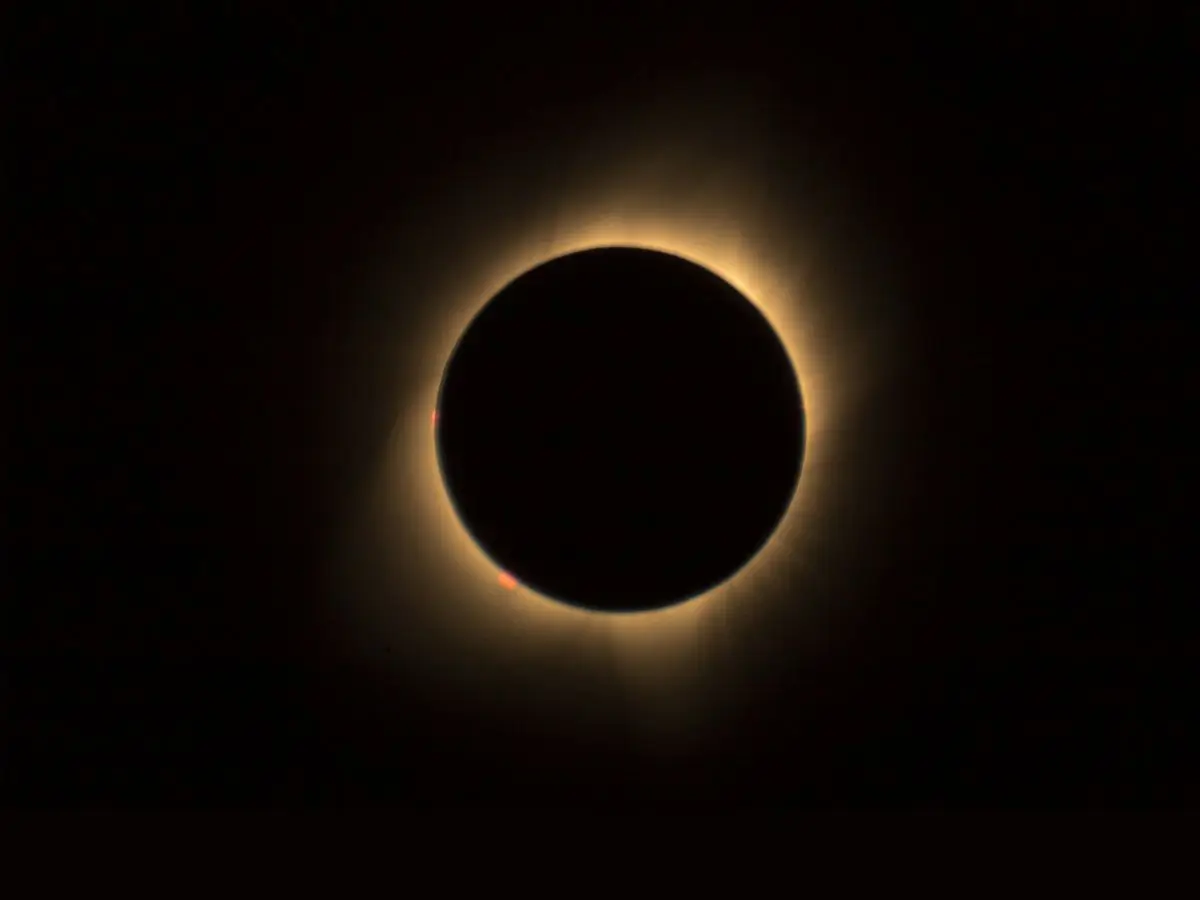
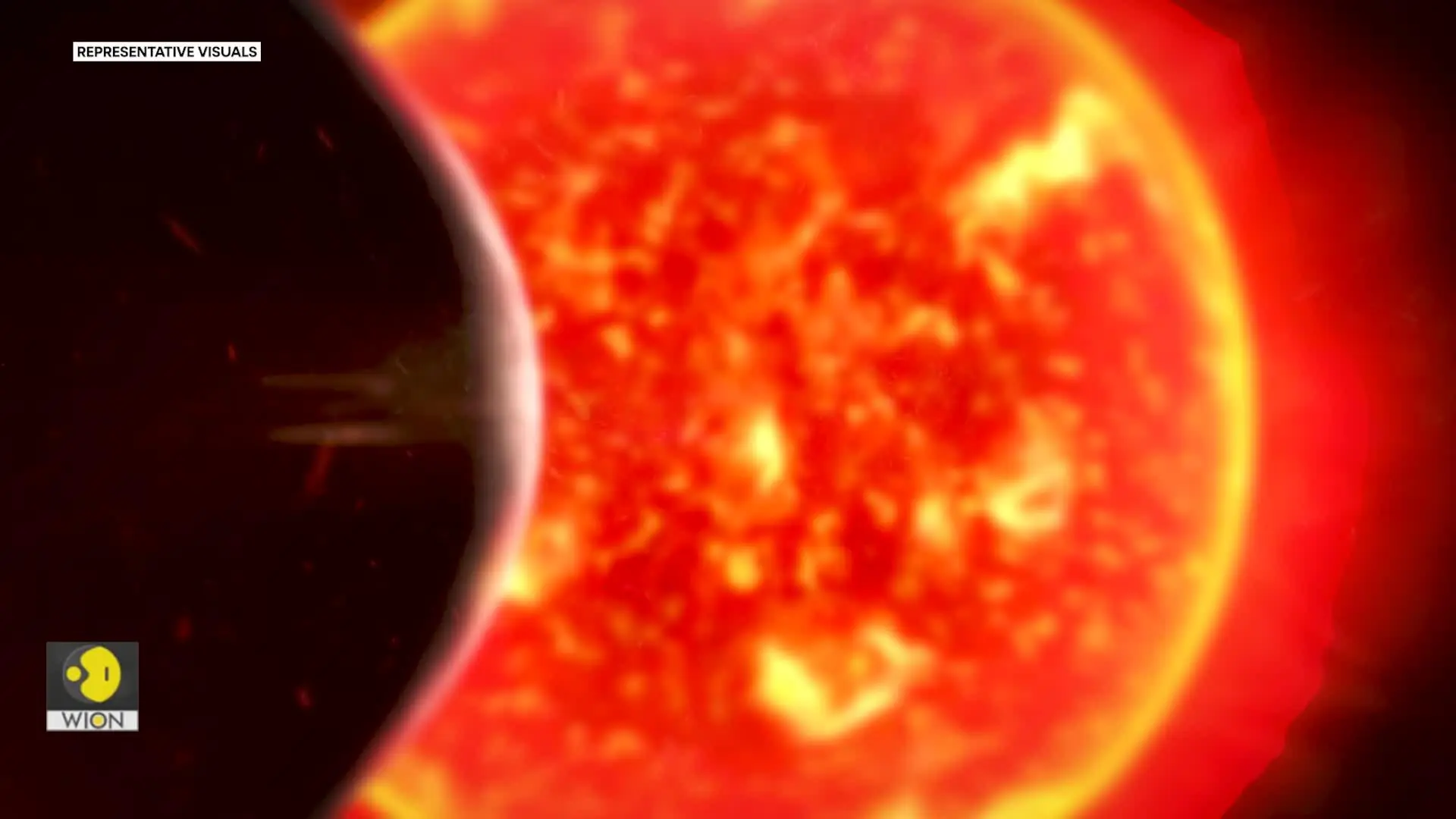
A solar eclipse takes place when the Moon passes between the Earth and the Sun, blocking sunlight either partially or completely. Depending on the alignment, eclipses can be total, annular, hybrid, or partial. This time, the event is a partial solar eclipse, meaning the Moon will cover only a section of the Sun.
Solar eclipse September 2025: Timings in India (IST)
- Start: 10:59 PM, September 21
- Maximum: 1:11 AM, September 22
- End: 3:23 AM, September 22
Trending Stories
&imwidth=280&imheight=210&format=webp&quality=medium)
&imwidth=280&imheight=210&format=webp&quality=medium)
&imwidth=280&imheight=210&format=webp&quality=medium)
&imwidth=280&imheight=210&format=webp&quality=medium)
&imwidth=280&imheight=210&format=webp&quality=medium)
&imwidth=280&imheight=210&format=webp&quality=medium)
&imwidth=280&imheight=210&format=webp&quality=medium)
&imwidth=280&imheight=210&format=webp&quality=medium)
&imwidth=280&imheight=210&format=webp&quality=medium)
&imwidth=280&imheight=210&format=webp&quality=medium)
&imwidth=280&imheight=210&format=webp&quality=medium)
&imwidth=280&imheight=210&format=webp&quality=medium)
&imwidth=280&imheight=210&format=webp&quality=medium)
&imwidth=280&imheight=210&format=webp&quality=medium)
&imwidth=280&imheight=210&format=webp&quality=medium)
&imwidth=280&imheight=210&format=webp&quality=medium)
&imwidth=280&imheight=210&format=webp&quality=medium)
&imwidth=280&imheight=210&format=webp&quality=medium)
&imwidth=280&imheight=210&format=webp&quality=medium)
&imwidth=280&imheight=210&format=webp&quality=medium)
&im=FitAndFill=(700,400)&imwidth=280&imheight=210&format=webp&quality=medium)
&imwidth=280&imheight=210&format=webp&quality=medium)
&imwidth=280&imheight=210&format=webp&quality=medium)
&imwidth=280&imheight=210&format=webp&quality=medium)
&imwidth=280&imheight=210&format=webp&quality=medium)
&imwidth=280&imheight=210&format=webp&quality=medium)
&imwidth=280&imheight=210&format=webp&quality=medium)
&imwidth=280&imheight=210&format=webp&quality=medium)
&imwidth=280&imheight=210&format=webp&quality=medium)
&imwidth=280&imheight=210&format=webp&quality=medium)
&im=FitAndFill=(700,400)&imwidth=280&imheight=210&format=webp&quality=medium)
&imwidth=280&imheight=210&format=webp&quality=medium)
&imwidth=280&imheight=210&format=webp&quality=medium)
&imwidth=280&imheight=210&format=webp&quality=medium)
In some regions, up to 85% of the Sun’s disk will be obscured. However, since the eclipse occurs after sunset in India, it will not be visible from any part of the country. However, people can still enjoy it through online live streams hosted by global space agencies and observatories.
Where will the solar eclipse be visible?
The September solar eclipse will primarily be visible in the Southern Hemisphere. Countries and regions that will witness the phenomenon include:
- Eastern Australia
- New Zealand
- Pacific Islands (Fiji, Samoa, Tonga, Cook Islands, and more)
- Parts of Antarctica
For observers in Antarctica, the view will be the most dramatic, with the Sun’s disk significantly obscured. Major cities in Australia and New Zealand, including Sydney, Canberra, Hobart, Auckland, and Christchurch, will also witness varying degrees of coverage.
Will India see any solar eclipse soon?
The next solar eclipse visible from India is expected on August 2, 2027, when much of the country will experience a partial eclipse in the late afternoon and evening.
Why is this eclipse significant?
This is the last solar eclipse of 2025, wrapping up a year filled with astronomical miracles, including two total lunar eclipses earlier in September. The next solar eclipse will take place on February 17, 2026, visible in select regions of the world.
How to watch the solar eclipse safely
Watching the Sun without protection during an eclipse can cause serious eye damage. Here are some essential tips:
Do’s
- Use certified solar eclipse glasses or eclipse goggles that meet safety standards.
- Try indirect viewing methods, such as pinhole projectors or solar filters on telescopes.
- Educate children about eclipse safety and supervise them while watching.
- Respect cultural and spiritual practices, as many communities observe rituals during Surya Grahan.
Don’ts
- Never look at the Sun with the naked eye, it can cause permanent vision damage.
- Avoid using regular sunglasses, CDs, exposed film, or smoked glass, these do not offer protection.
- Don’t ignore health precautions- pregnant women and individuals with health sensitivities are often advised to stay indoors.
- Avoid cooking or eating during the eclipse if you follow traditional beliefs that consider food impure during this period.