Why is Chinese group Alibaba suing US Government over its Pentagon blacklist

&imwidth=600&imheight=450&format=webp&quality=medium "Why is Chinese group Alibaba suing US Government over its Pentagon blacklist")
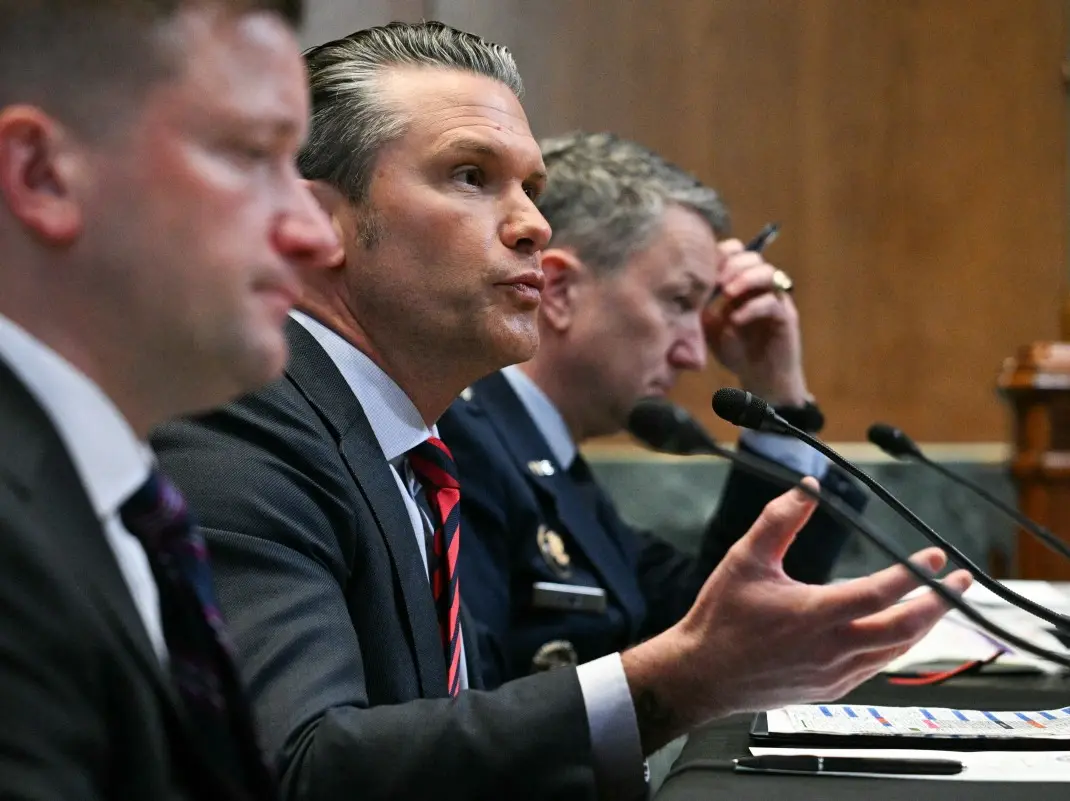
US Secretary of Defense Pete Hegseth Photograph: (Credit: AFP)
Alibaba Group has filed a federal lawsuit against the US Department of Defense, fighting its inclusion on the 1260H military blacklist. Read about the e-commerce giant’s legal arguments against the "arbitrary" designation and what it means for US-China tech relations.
Alibaba Group has filed a federal lawsuit in San Jose contesting the US Defense Department's designation of the technology giant as a "Chinese military company." The lawsuit argues that the Pentagon's determination is arbitrary, lacks due process, and has no basis in fact or law. This comes after the Pentagon recently released a blacklist of 80 companies and subsidiaries, including tech giants Alibaba and Baidu, as well as electric vehicle manufacturer BYD, for allegedly aiding the Chinese military. Under this designation, the Pentagon is prohibited from entering into new contracts with the blacklisted companies or their controlled subsidiaries starting June 30.
The designation restricts Alibaba’s ability to retain lobbying firms in the United States. The lawsuit argues that this restriction violates First Amendment rights, noting that long-time advocates have already informed Alibaba that they can no longer represent the company. In its complaint, Alibaba emphasised that it is a publicly traded e-commerce and cloud-services provider. It also highlighted its diverse shareholder base, which is dominated by major American financial institutions such as JPMorgan, Citigroup, and BlackRock. "The effect is already being felt: advocates who have represented Alibaba for years have informed the company that they can no longer do so," the complaint states and as quoted by news agency AFP.
Also read: Vance proposed Indian troops for Ukraine, Trump replied ‘Indians won’t do that’: New book claims
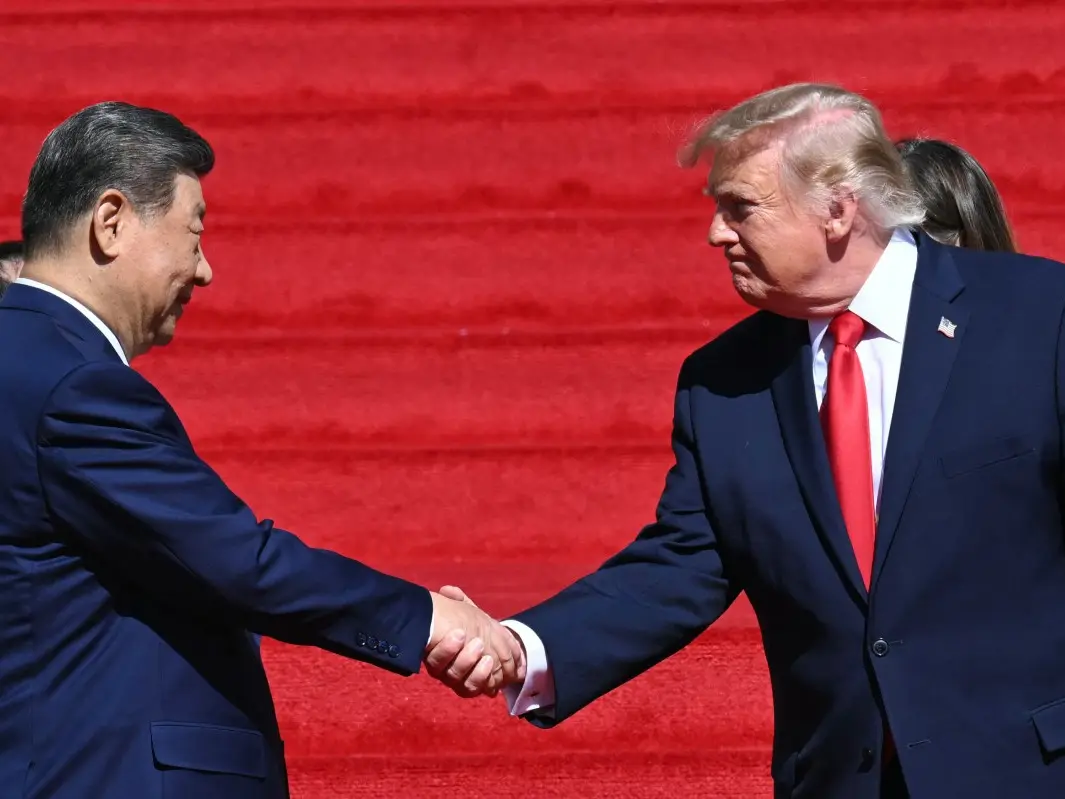
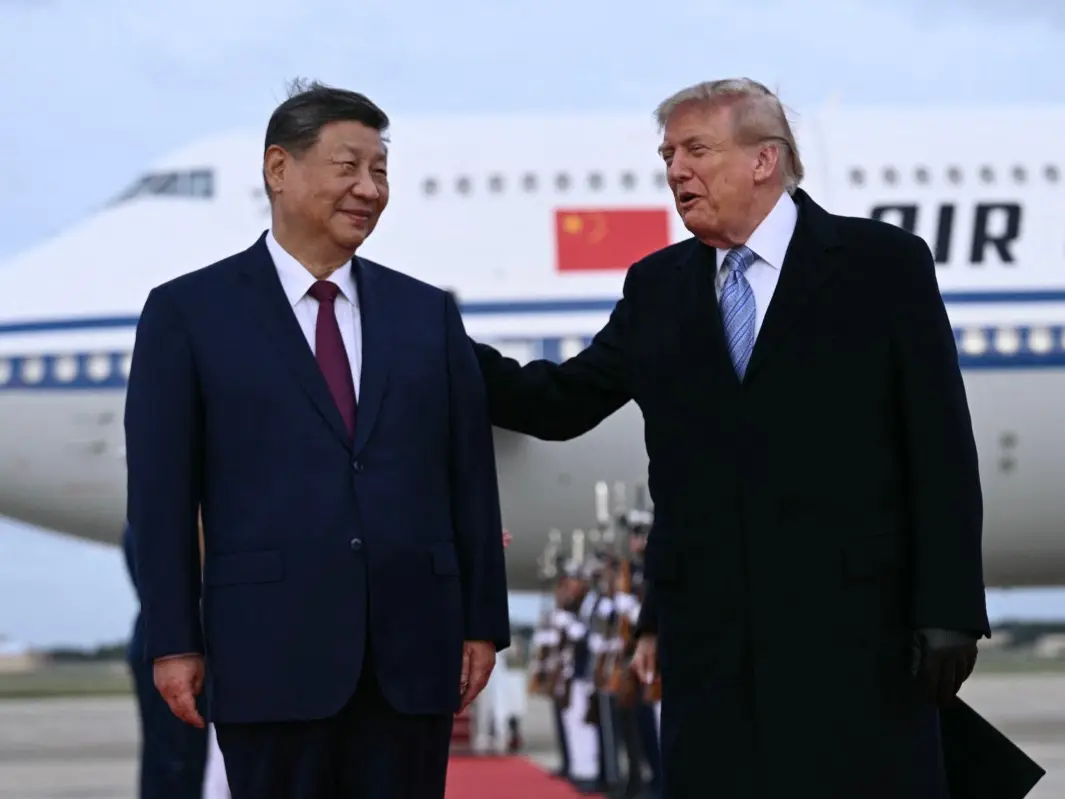
In response to Washington's blacklist, China imposed export controls on 10 US companies involved in defence and rare earths mining. This ongoing feud tests bilateral relations between the two nations, arriving shortly after US President Donald Trump and Chinese President Xi Jinping met in Beijing to stabilise ties.
Trending Stories
&imwidth=280&imheight=210&format=webp&quality=medium)
&imwidth=280&imheight=210&format=webp&quality=medium)
&imwidth=280&imheight=210&format=webp&quality=medium)
&imwidth=280&imheight=210&format=webp&quality=medium)
&imwidth=280&imheight=210&format=webp&quality=medium)
&imwidth=280&imheight=210&format=webp&quality=medium)
&imwidth=280&imheight=210&format=webp&quality=medium)
&imwidth=280&imheight=210&format=webp&quality=medium)
&imwidth=280&imheight=210&format=webp&quality=medium)
&imwidth=280&imheight=210&format=webp&quality=medium)
&imwidth=280&imheight=210&format=webp&quality=medium)
&imwidth=280&imheight=210&format=webp&quality=medium)
&imwidth=280&imheight=210&format=webp&quality=medium)
&imwidth=280&imheight=210&format=webp&quality=medium)
&imwidth=280&imheight=210&format=webp&quality=medium)
&imwidth=280&imheight=210&format=webp&quality=medium)
&imwidth=280&imheight=210&format=webp&quality=medium)
&imwidth=280&imheight=210&format=webp&quality=medium)
&imwidth=280&imheight=210&format=webp&quality=medium)
&imwidth=280&imheight=210&format=webp&quality=medium)
&imwidth=280&imheight=210&format=webp&quality=medium)
&imwidth=280&imheight=210&format=webp&quality=medium)
&imwidth=280&imheight=210&format=webp&quality=medium)
&imwidth=280&imheight=210&format=webp&quality=medium)
&imwidth=280&imheight=210&format=webp&quality=medium)
&imwidth=280&imheight=210&format=webp&quality=medium)
&imwidth=280&imheight=210&format=webp&quality=medium)
&imwidth=280&imheight=210&format=webp&quality=medium)
&imwidth=280&imheight=210&format=webp&quality=medium)
&imwidth=280&imheight=210&format=webp&quality=medium)
&imwidth=280&imheight=210&format=webp&quality=medium)
&imwidth=280&imheight=210&format=webp&quality=medium)
&imwidth=280&imheight=210&format=webp&quality=medium)
&imwidth=280&imheight=210&format=webp&quality=medium)
&im=FitAndFill=(700,400)&imwidth=280&imheight=210&format=webp&quality=medium)
&imwidth=280&imheight=210&format=webp&quality=medium)
&imwidth=280&imheight=210&format=webp&quality=medium)
&imwidth=280&imheight=210&format=webp&quality=medium)
&imwidth=280&imheight=210&format=webp&quality=medium)
Here's a breakdown of Alibaba's federal lawsuit against the US Department of Defense:
- Arbitrary" Designation: Alibaba claims the Pentagon provided no clear evidence, facts, or legal basis to justify putting them on the list.
- Purely Commercial Focus: The company asserts its e-commerce, cloud, and logistics services are strictly commercial and have zero military application.
- Denied Military Ties: Alibaba denies participating in China's "military-civil fusion" strategy, stating its board and management have no military ties.
- Global Ownership: The suit highlights that Alibaba is publicly traded and heavily owned by Western institutional investors (like BlackRock and Vanguard), not the Chinese state.
- No Due Process: Alibaba claims it spent months submitting evidence to the Pentagon to prove its independence, which the DoD ignored before publishing the blacklist.
- Severe Business Harm: The label ruins Alibaba's reputation, scares off global investors, and blocks them from securing valuable US business partnerships.

