Who did Trump have ‘constructive’ talks with? US president says it’s Iran’s 'representative’, but not Mojtaba Khamenei

&imwidth=600&imheight=450&format=webp&quality=medium "Who did Trump have ‘constructive’ talks with? US president says it’s Iran’s 'representative’, but not Mojtaba Khamenei")
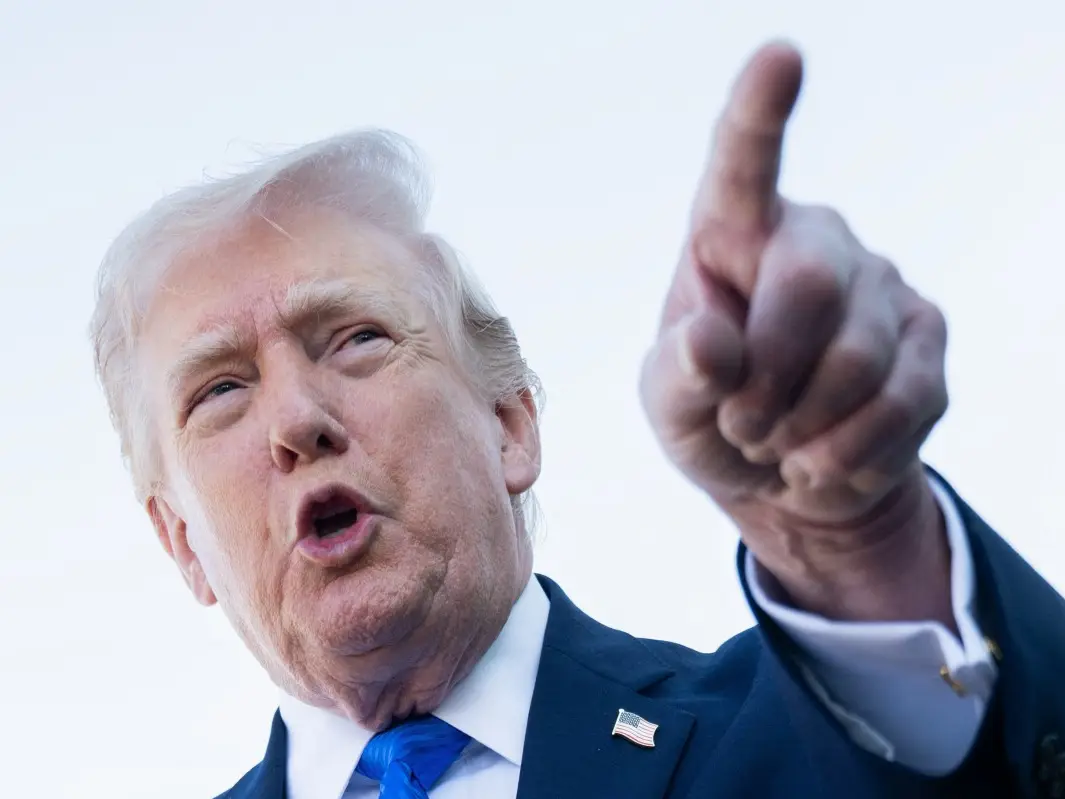
US President Donald Trump speaks to reporters before boarding Air Force One at Palm Beach International Airport in West Palm Beach, Florida, on March 23, 2026. Photograph: (AFP)
Donald Trump claims talks with Iranian representatives spark confusion as Iran denies contact, raising questions about intermediaries, legitimacy, and unclear diplomatic channels.
A fresh layer of confusion has emerged over backchannel diplomacy between the US and Iran after Donald Trump claimed he held talks with Iranian representatives, an assertion that Tehran has categorically denied.
Speaking to CNBC, Trump said discussions had taken place with “representatives” of Iran and described the situation as tantamount to “regime change,” citing the killing and replacement of several Iranian leaders. However, he stopped short of identifying who exactly the US had engaged with, only adding that the talks involved a “respected” Iranian figure.
Iran rejects claim, raises questions over Trump’s contacts
Iranian authorities have firmly denied any direct or indirect communication with Washington, creating a stark contradiction. The denial has intensified speculation over whether Trump’s claims refer to unofficial intermediaries, dissident figures, or parallel diplomatic channels operating outside Tehran’s control.
The ambiguity surrounding Trump’s statement, particularly his refusal or inability to name specific interlocutors, has raised critical questions about the legitimacy and credibility of the alleged talks.
Trending Stories
)
)
)
)
)
)
)
)
)
)
)
)
)
)
)
)
)
)
)
)
)
)
&im=FitAndFill=(700,400))
)
)
)
)
)
Trump’s reference to a “respected” Iranian leader has further deepened the mystery. Without confirmation from Tehran, it remains unclear whether this individual holds any formal authority within Iran’s power structure or represents an external opposition group. The lack of clarity has also fueled concerns among analysts that the US may be engaging with figures who do not have the mandate to negotiate on behalf of the Iranian state.
In another striking remark, Trump said he had not heard from Iran’s Supreme Leader, Mojtaba Khamenei, and admitted uncertainty over whether he was still alive. He added that he did not want the Iranian leader to be killed. The statement has added to the overall opacity surrounding the situation, particularly at a time when leadership stability in Iran is under intense global scrutiny.
Disclaimer: WION takes utmost care to accurately and responsibly report ongoing conflicts in West Asia involving Israel, Iran, US, Gulf nations and non-state actors like Hezbollah, Hamas, Houthis, Islamic State, and others. Claims and counterclaims, disinformation and misinformation are being made online and offline. Given this context, WION cannot independently verify the authenticity of all statements, social media posts, photos and videos.

