What’s the timeline to end West Asia conflict? Trump says Iran war will end when he’ll ‘feel it in bones’

&imwidth=600&imheight=450&format=webp&quality=medium "What’s the timeline to end West Asia conflict? Trump says Iran war will end when he’ll ‘feel it in bones’")
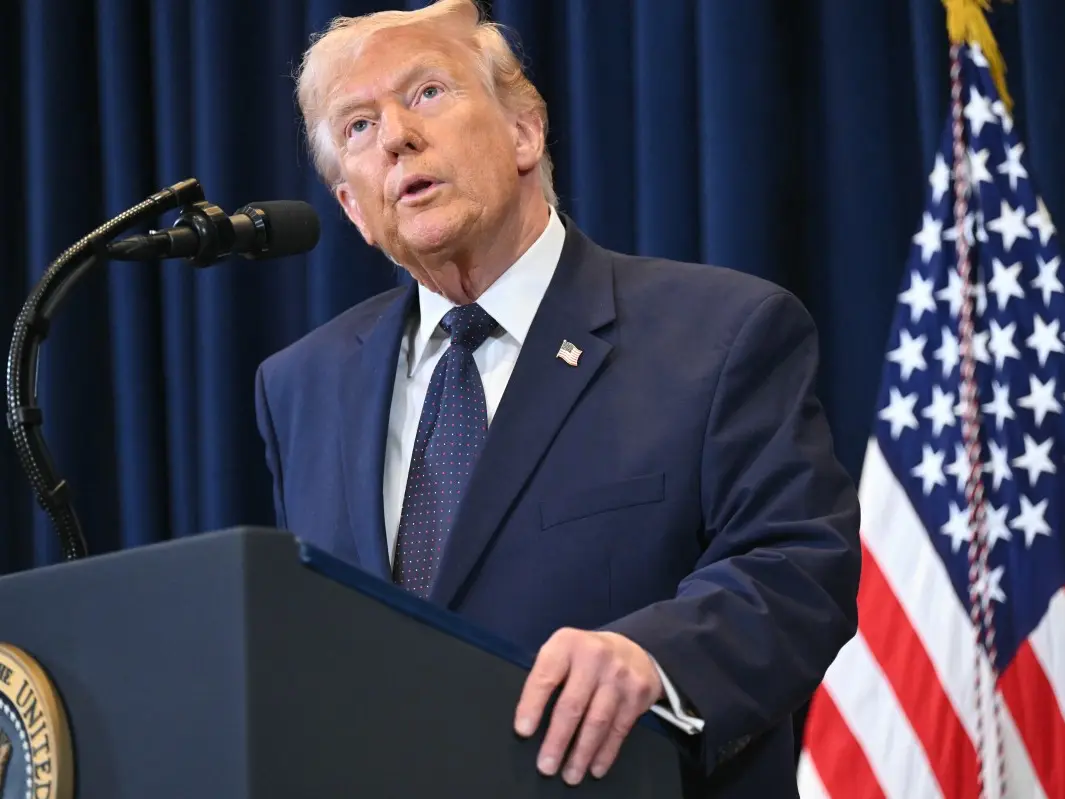
Amid escalated tensions, Donald Trump said that the war will end when he will feel in his bones Photograph: (AFP)
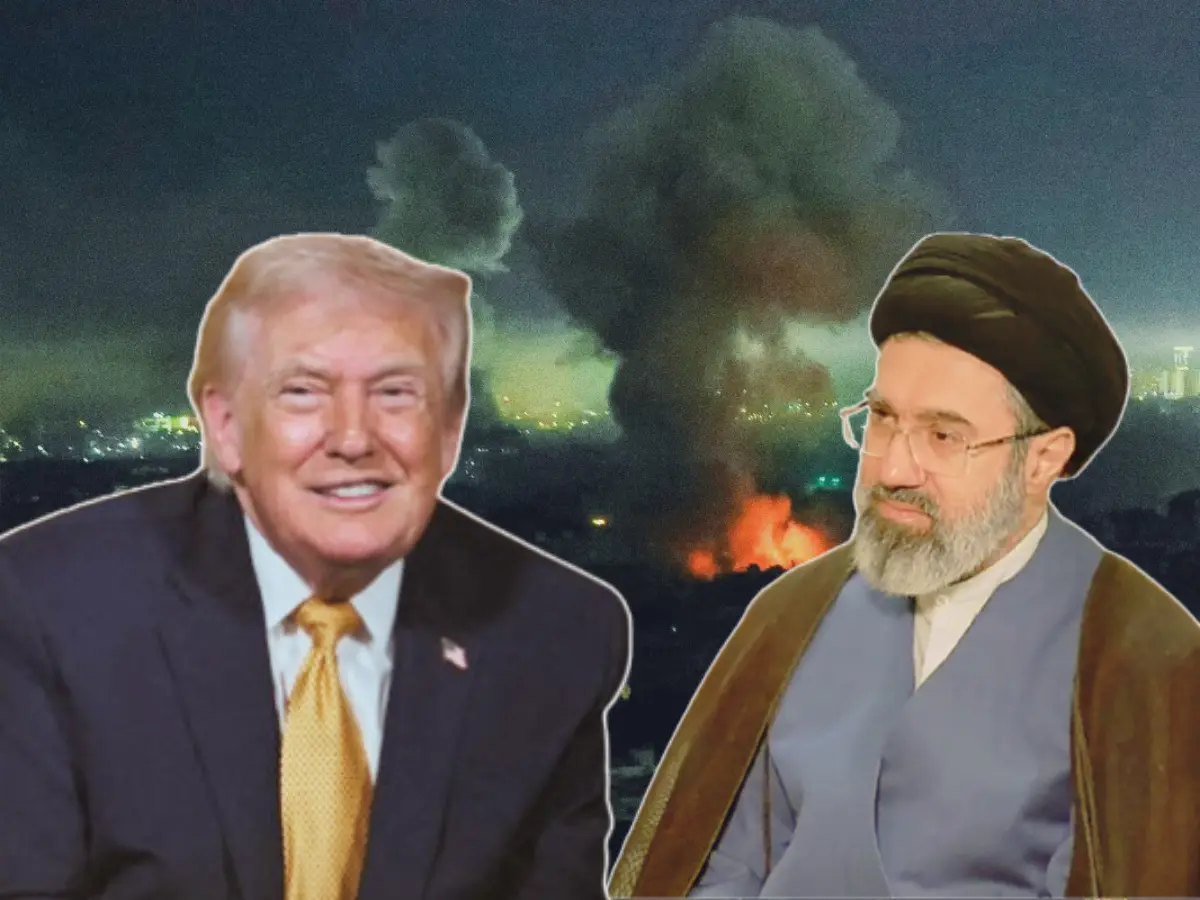
US President Donald Trump said the Iran war will end when he personally feels the time is right, rather than following a fixed timetable. He insisted the US has ample weapons and resources to continue operations while maintaining pressure on Iran.
US President Donald Trump said on Friday (March 13) that he will rely on his personal intuition rather than a rigid military timetable to decide when to conclude the ongoing war in Iran. In an interview with Fox News Radio, the president suggested that while he envisions a relatively brief engagement, the ultimate signal to halt his Operation Epic Fury will come from his own internal judgment. “I’ll know when it's over when I feel it - when I feel it in my bones,” Trump told host Brian Kilmeade.
The administration’s messaging on the conflict’s duration has remained fluid. While some senior officials have floated a timeline of weeks or months, the President appeared to keep all options on the table. He predicted a swift resolution but simultaneously warned that American forces are prepared to maintain the pressure indefinitely if the situation demands it.
Ammunition and technology
During the interview, the American president moved to silence reports suggesting the US military might be facing a shortage of critical munitions.
1. Technological Edge: Trump asserted that American weaponry and technology remain unrivalled globally.
2. Supply Chain: He claimed the military is currently operating well ahead of its projected schedule.
3. Resources: The President characterised the nation’s stockpile as essentially limitless, stating that the U.S. could sustain the current pace of operations for as long as necessary.
Trending Stories
&im=FitAndFill=(700,400))
)
)
&im=FitAndFill=(700,400))
)
)
&im=FitAndFill=(700,400))
)
&im=FitAndFill=(700,400))
)
&im=FitAndFill=(700,400))
)
&im=FitAndFill=(700,400))
)
)
)
)
)
)
)
)
&im=FitAndFill=(700,400))
)
)
)
)
)
)
&im=FitAndFill=(700,400))
&im=FitAndFill=(700,400))
Despite his emphasis on personal "feeling," Trump noted he is in constant communication with his primary national security circle. This includes Vice President JD Vance, Secretary of State Marco Rubio, and Defence Secretary Pete Hegseth.
White House spokesperson Anna Kelly reinforced this stance, clarifying that the mission will persist until the Commander-in-Chief is satisfied that Iran no longer possesses the capability to threaten regional or global security. Earlier that day, Hegseth expressed absolute confidence in a US victory while criticising the media for what he described as a cynical portrayal of the campaign.
Economic outlook
Addressing the financial fallout of the war, which has seen oil prices surge and a $11 billion price tag in just its first week, the President remained bullish. He dismissed fears of a long-term downturn, insisting that the US economy’s inherent strength would allow for a rapid recovery.
On social media, Trump even claimed a silver lining to the energy crisis. He pointed out that, as the world’s leading oil producer, the US stands to see significant revenue increases from the very price hikes that are causing anxiety elsewhere.

