
&imwidth=800&imheight=600&format=webp&quality=medium "IRGC expands conflict targets to include US and Israeli financial infrastructure in Gulf. Details inside")
As the conflict between Iran, the US, and Israel enters its 12th day, Iran’s Islamic Revolutionary Guard Corps (IRGC) has issued a dire warning, declaring economic centres and banking facilities linked to American and Israeli interests in the region as legitimate military targets.
The threat, issued by the IRGC-owned Khatam al-Anbiya Headquarters, follows a deadly incident in Tehran where an Iranian bank branch was struck. Iranian state media described the attack as "illegitimate and unusual," reporting that several employees were killed. In retaliation, the IRGC has warned civilians to remain at least one kilometre away from banks associated with the two nations.
Also read: IndiGo CEO Pieter Elbers resigns with immediate effect, months after flight disruption crisis

The scope of the conflict is rapidly shifting toward an "infrastructure war." The IRGC-affiliated Tasnim news agency has published a list of corporate offices and cloud-based service infrastructures - including those operated by major technology firms like Google, Microsoft, Palantir, IBM, Nvidia, and Oracle, labelling them as new targets. These facilities are reportedly located across Israel and several Gulf countries, signalling an expansion of the battlefield.
The warning comes on the heels of an Israeli strike on a facility in Beirut’s southern suburbs linked to the Hezbollah-affiliated Al-Qard Al-Hassan financial institution. Israel maintains that its military operations are aimed at dismantling Hezbollah’s operational capacity, though the campaign has resulted in at least 570 deaths in Lebanon and displaced hundreds of thousands.
Also read: ‘Safer to sink, more fun’: Trump explains why US chose to sink Iranian vessels over capturing them
Trending Stories
)
Why asking questions could be more important than memorising answers
)
BRICS Summit 2026: Iran's Pezeshkian praises PM Modi at BRICS
)
Osama Bin Laden ‘planned’ to target India, CIA reveals dozens of declassified documents
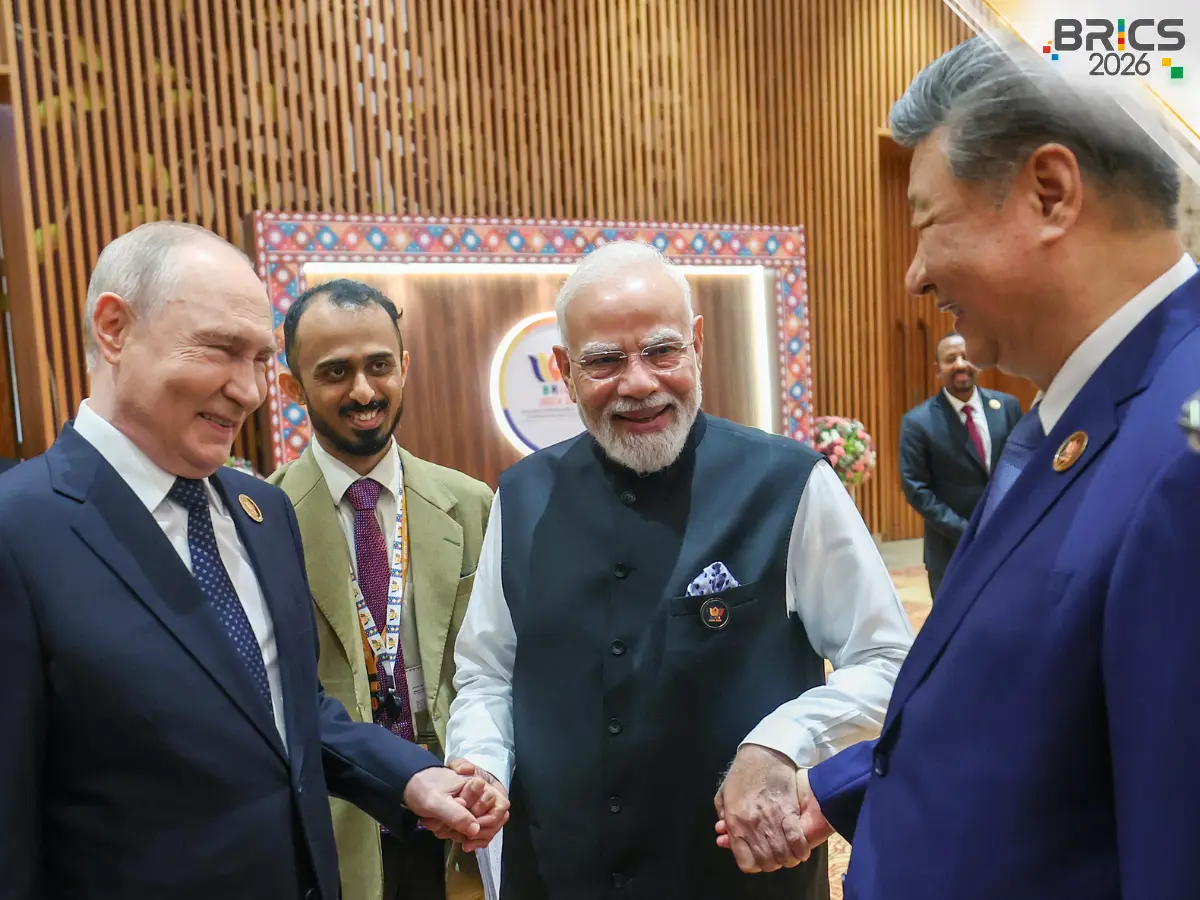)
PM Modi and China's Xi offered to help resolve Russia-Ukraine war: Kremlin
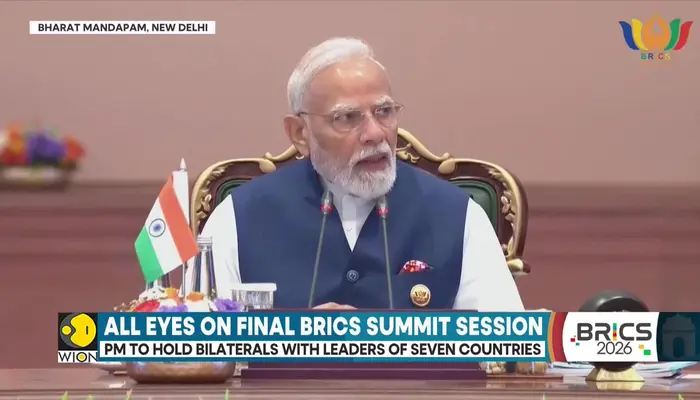)
BRICS Summit 2026: Global leaders of BRICS nations attend main open session
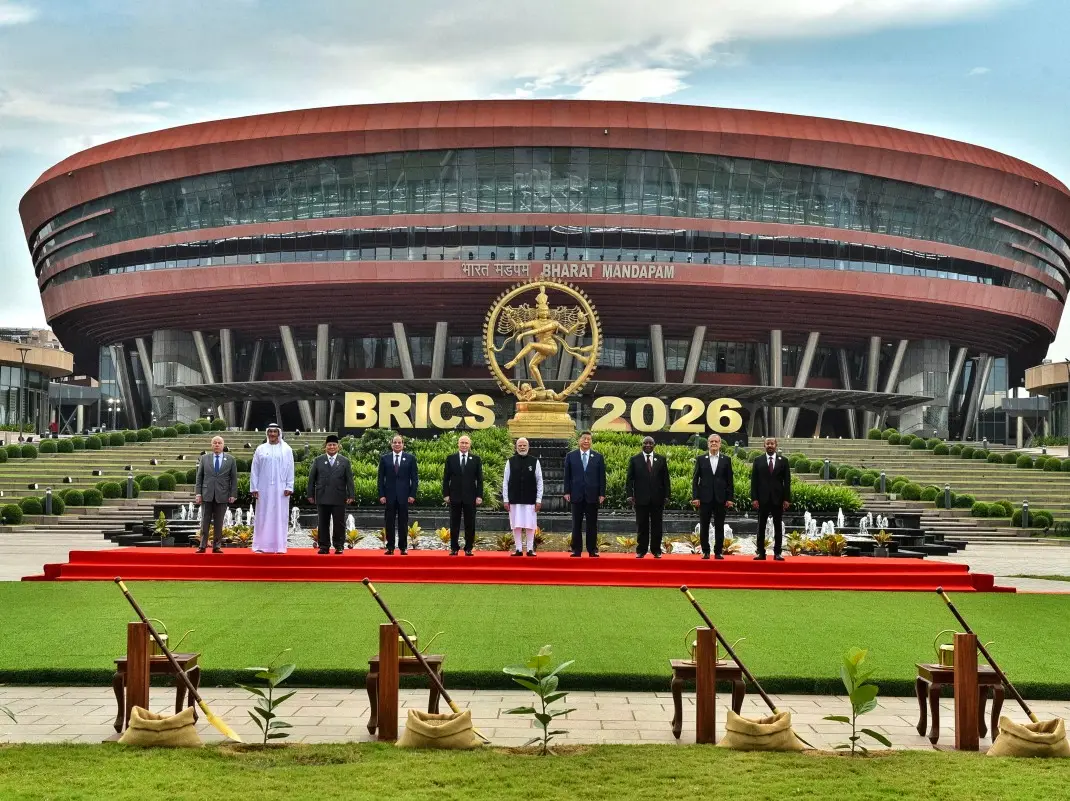)
BRICS rejects EU carbon tax as ‘punitive’, ‘discriminatory’; warns of burden on Global South
)
Why dehydration is the hidden cause of travel fatigue on long flights
)
Top 5 places to visit in Goa beyond its famous beaches
)
'He is popular...': Malaysian PM Anwar Ibrahim's praise for PM Modi during bilateral meeting | WATCH
)
BRICS Summit 2026: 30+ countries seek BRICS membership
)
Frustrated man demolishes his kitchen after thousands flock to see Mother Mary his wife spotted on the wall
)
BRICS Summit 2026: PM Modi, Xi reach key consensus on ties, China to assume BRICS chairmanship in 2027
)
Trump says Canada eager to reach a deal, it could come ‘fairly soon’ if Ottawa treats US farmers better
)
From drones to KAAN fighters: Turkey outlines 229% surge in defence spending amid regional shifts
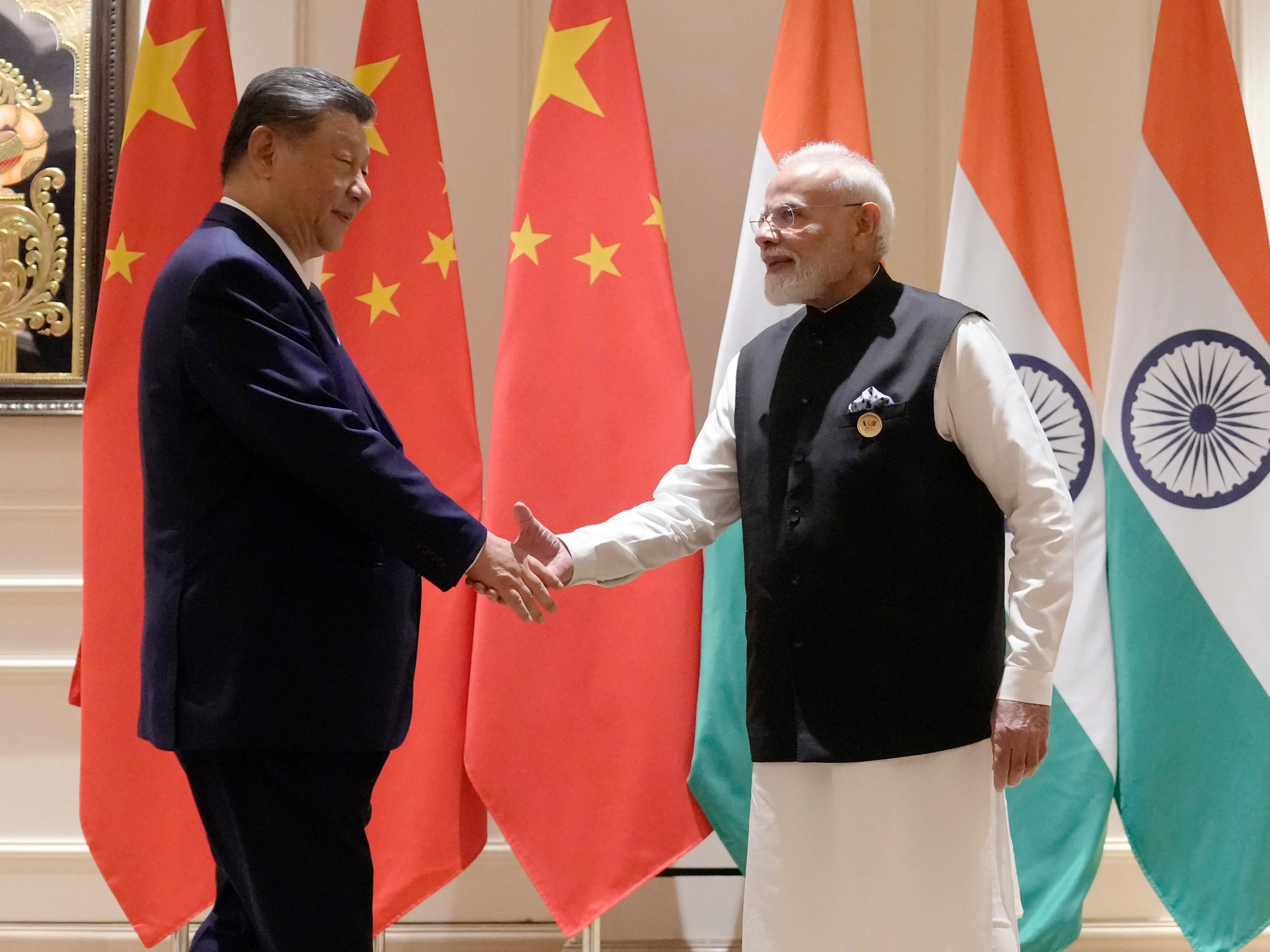)
‘Partners, not rivals’: Xi outlines four point plan for stronger India-China ties
&im=FitAndFill=(700,400))
Why Chinese PL-15 air-to-air missiles use dual-pulse motors compared to European interceptors
)
Could staying indoors all day affect your health?
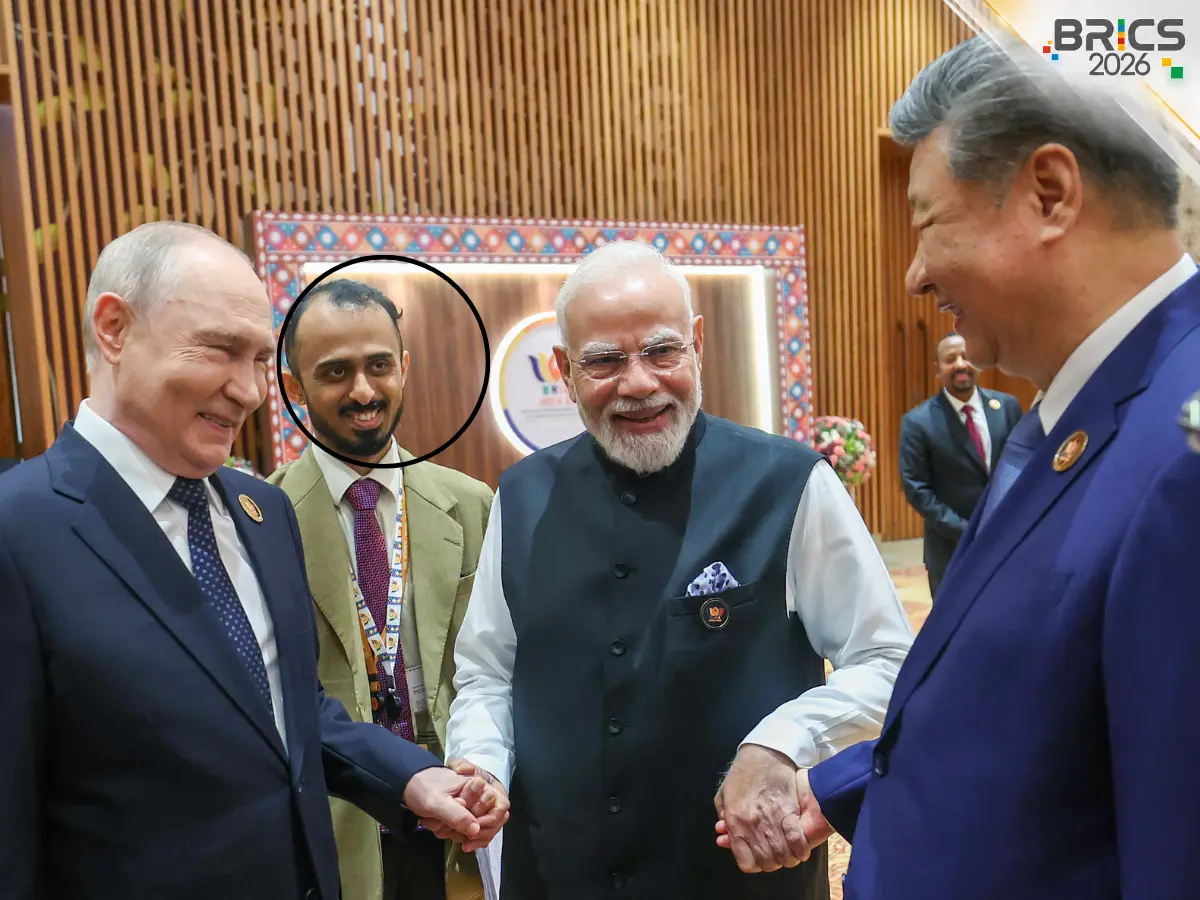)
Who is the smiling man beside Modi, Putin and Xi at BRICS Summit 2026?
)
Why going digital does not always mean becoming more efficient
)
800 million years old - Scientists discover 'fingerprints' of supercontinent Gondwana in ancient rocks
&im=FitAndFill=(700,400))
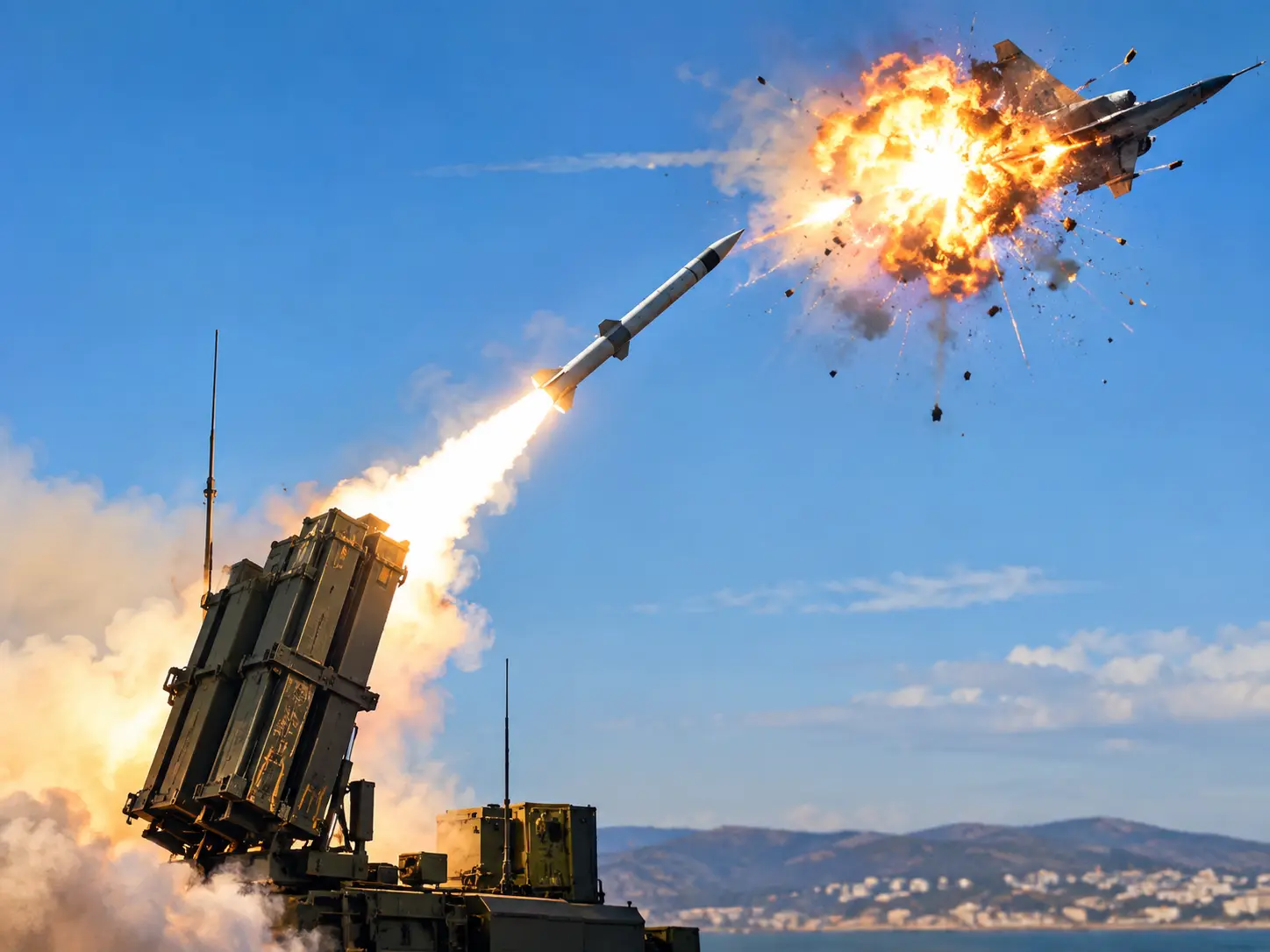
Why do air defence missiles explode near their target instead of hitting it?
)
From severe mobility problems to recovery: Madhuri the elephant’s journey of wildlife care
)
BRICS Summit day 1: New Delhi declaration adopted with full consensus, big diplomatic win for India
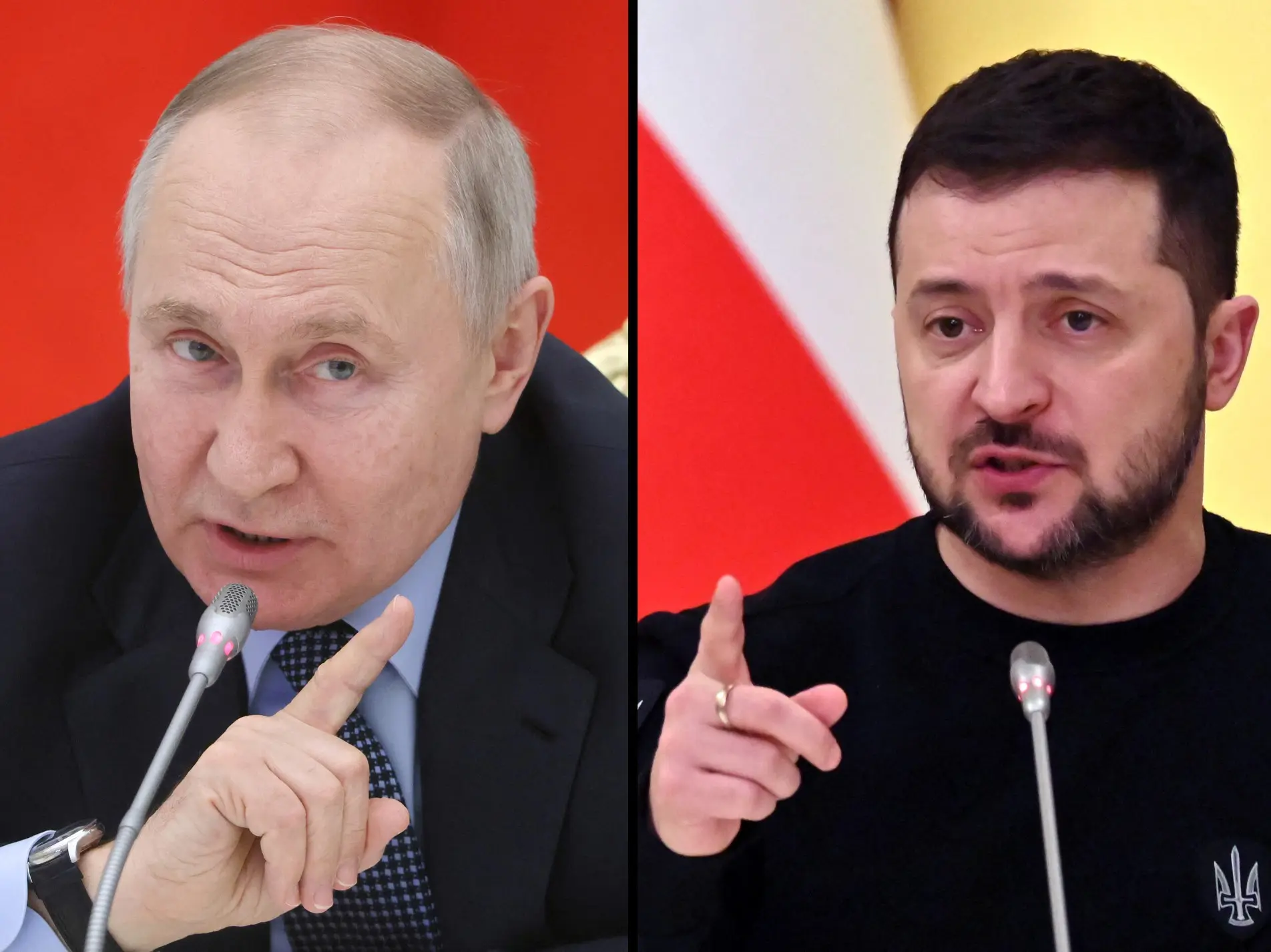)
From India, Putin warns Europe against sending troops to Ukraine, Zelensky expresses willingness to meet him at G20 Summit
)
Did Iran President Pezeshkian touch feet of Hindu spiritual leader at Delhi event as shown in viral video?
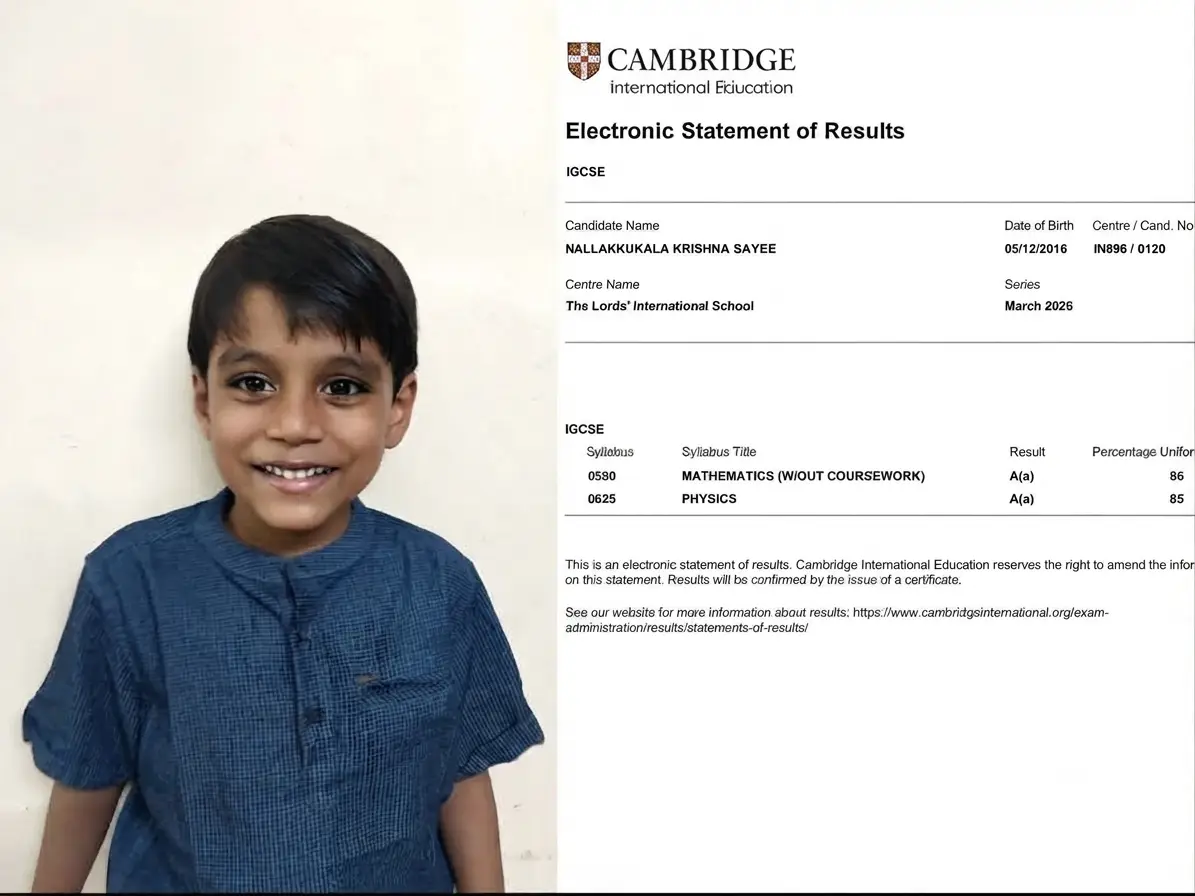)
9-year-old Chennai prodigy clears Cambridge IGCSE grade 10 exams
)
Why does your body need time to adjust after a long journey?
)
Baba Vanga's first prophecy for 2027 is out, and straight out of science fiction
)
BRICS Summit 2026: PM Modi to hold bilateral with leaders of seven countries
)
Ramanathaswamy temple takes centre stage as PM Modi welcomes world leaders at BRICS
)
Why does your skin need protection from UV rays?
)
How does the loss of forests affect the way wildlife lives and moves?
)
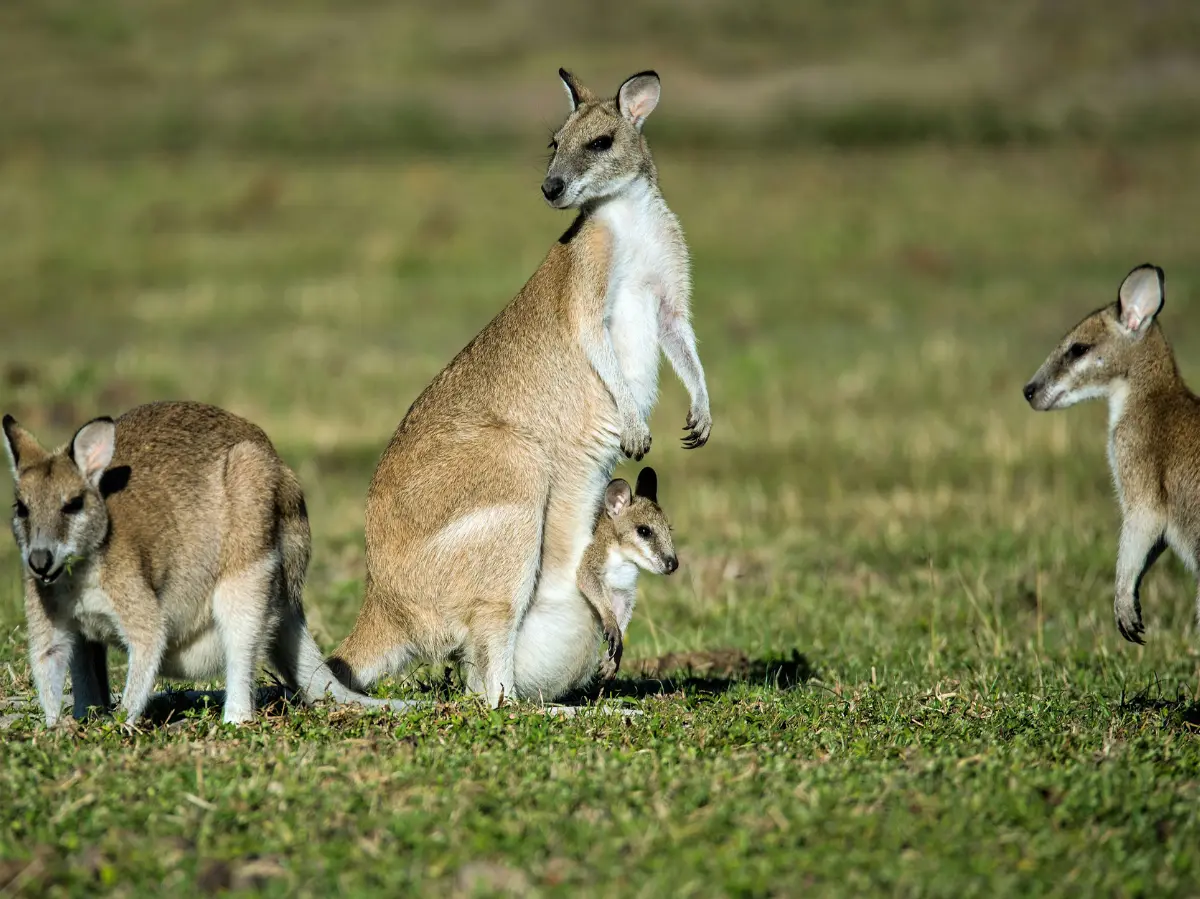
IND vs AFG, 1st T20I: When and where to watch live streaming in India?
)
Why do wild animals need quiet places to survive?
)
Humans may lose control of AI: Anthropic CEO calls for slowdown, Altman, Musk back him
The broader conflict, initiated on February 28, has seen heavy bombardment across Iranian territory. Tehran claims that nearly 10,000 civilian sites have been struck, with over 1,300 civilian fatalities. As the military pressure intensifies, Iran has threatened to halt regional oil exports entirely if US and Israeli strikes continue. With the strategic Strait of Hormuz already impacted, global energy markets remain highly volatile. Despite calls for de-escalation, all involved parties have thus far rejected ceasefire overtures, leaving the region on the precipice of a wider economic and security collapse.

