US F-15 crew member missing in Iran: How fighter pilots are trained to survive behind enemy lines

&imwidth=600&imheight=450&format=webp&quality=medium "US F-15 crew member missing in Iran: How fighter pilots are trained to survive behind enemy lines")
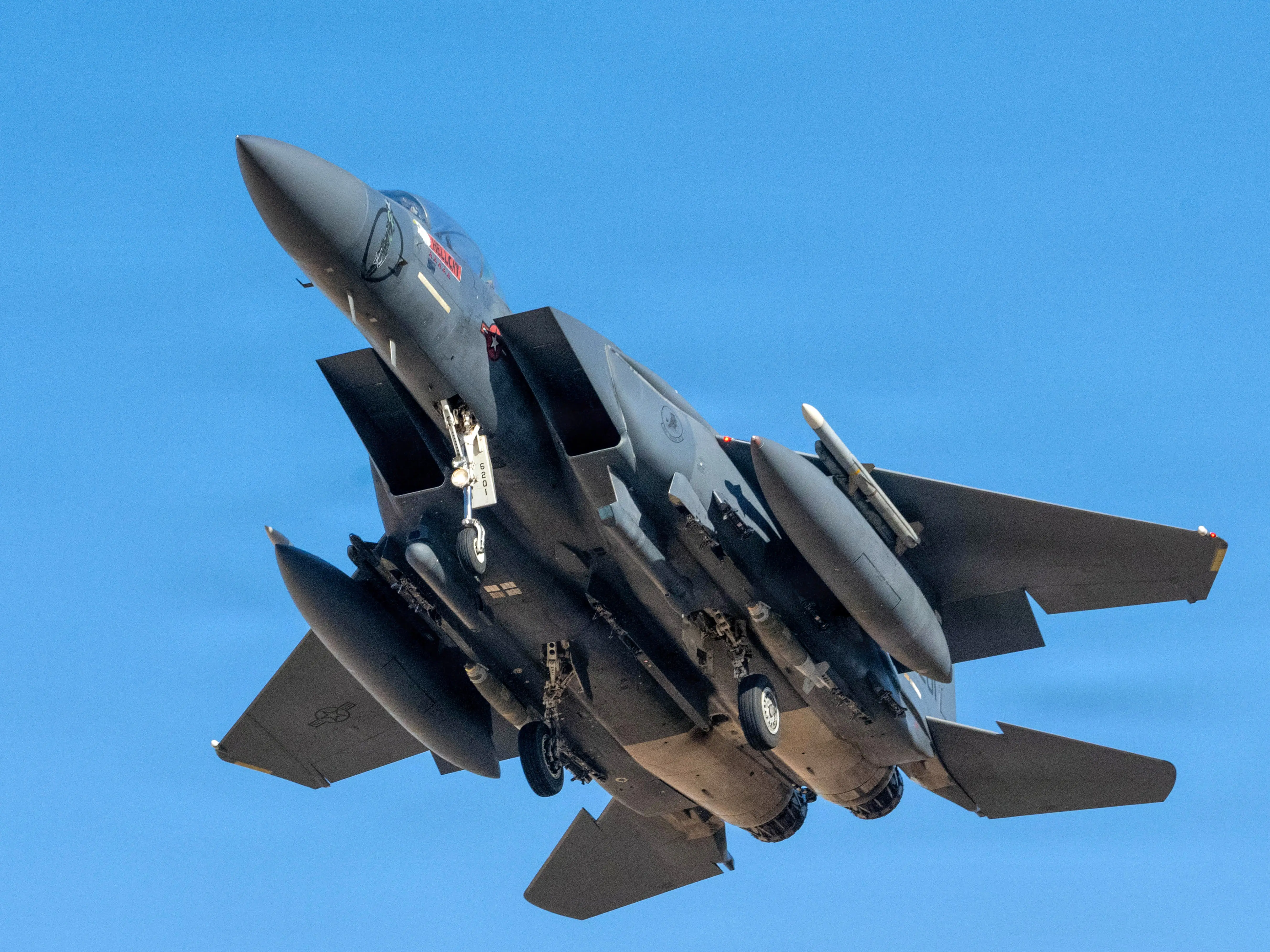
This US Air Force handout photo released by US Central Command public affairs shows an F-15E Strike Eagle aircraft taking off for a mission during Operation Epic Fury at an undisclosed location on March 9, 2026. Photograph: (AFP)
After a US F-15 crash in Iran, experts explain how fighter pilots are trained to survive and hide until they are extracted by rescue teams behind enemy lines.
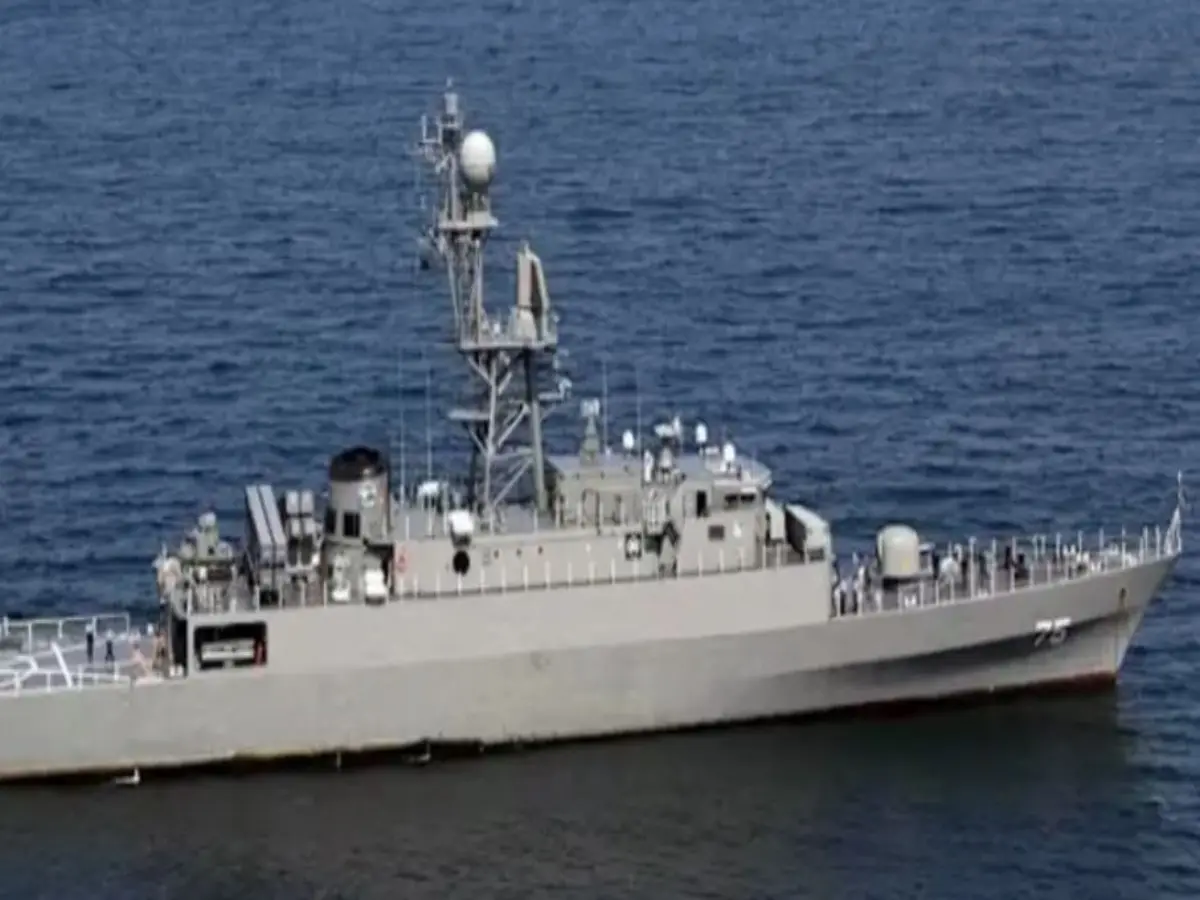
As Iranian and American forces race to locate a crew member of a US fighter jet that went down inside Iranian territory, military experts have shared insights on how fighter pilots are trained to survive behind enemy lines. This comes after Tehran said that it had shot down a US F-15 warplane. US media reports suggested that American special forces had rescued one of the two crew members, while the other was missing. So far, no information about the pilot has emerged as both nations continue to search.
Retired US Air Force brigadier general Houston Cantwell, who is now at the Mitchell Institute for Aerospace Studies, told AFP that a pilot’s training, known as survival, evasion, resistance and escape (SERE), would kick in before he or she parachutes to the ground. He described that pilots are trained to assess their surroundings from the parachute after ejecting from an aircraft to identifying safe zones and potential threats. He added that landing itself can be dangerous and may even result in injuries such as fractures.
“Your best view of where you may want to go or where you may want to avoid is while you're coming down in your parachute,” Cantwell said.
Once on the ground, the pilot’s priority is survival. Upon landing, “take an inventory of yourself to figure out, what condition am I in? Can I even move? Am I even mobile?”
“Try to avoid enemy capture, as long as you can,” Cantwell added. “And if I were in a desert environment, I’d want to try to find some water.”
Cantwell detailed that movement is best carried out at night to reduce detection risk. He emphasised that concealment is key, as pilots aim to reach a location suitable for extraction, such as an open field or rooftop.
Trending Stories
&imwidth=280&imheight=210&format=webp&quality=medium)
&imwidth=280&imheight=210&format=webp&quality=medium)
&imwidth=280&imheight=210&format=webp&quality=medium)
&imwidth=280&imheight=210&format=webp&quality=medium)
&imwidth=280&imheight=210&format=webp&quality=medium)
&imwidth=280&imheight=210&format=webp&quality=medium)
&imwidth=280&imheight=210&format=webp&quality=medium)
&imwidth=280&imheight=210&format=webp&quality=medium)
&imwidth=280&imheight=210&format=webp&quality=medium)
&imwidth=280&imheight=210&format=webp&quality=medium)
&imwidth=280&imheight=210&format=webp&quality=medium)
&imwidth=280&imheight=210&format=webp&quality=medium)
&imwidth=280&imheight=210&format=webp&quality=medium)
&imwidth=280&imheight=210&format=webp&quality=medium)
&imwidth=280&imheight=210&format=webp&quality=medium)
&imwidth=280&imheight=210&format=webp&quality=medium)
&imwidth=280&imheight=210&format=webp&quality=medium)
&imwidth=280&imheight=210&format=webp&quality=medium)
&imwidth=280&imheight=210&format=webp&quality=medium)
&imwidth=280&imheight=210&format=webp&quality=medium)
&imwidth=280&imheight=210&format=webp&quality=medium)
&imwidth=280&imheight=210&format=webp&quality=medium)
&imwidth=280&imheight=210&format=webp&quality=medium)
&imwidth=280&imheight=210&format=webp&quality=medium)
&imwidth=280&imheight=210&format=webp&quality=medium)
&imwidth=280&imheight=210&format=webp&quality=medium)
&imwidth=280&imheight=210&format=webp&quality=medium)
&imwidth=280&imheight=210&format=webp&quality=medium)
&imwidth=280&imheight=210&format=webp&quality=medium)
&imwidth=280&imheight=210&format=webp&quality=medium)
&imwidth=280&imheight=210&format=webp&quality=medium)
&imwidth=280&imheight=210&format=webp&quality=medium)
&imwidth=280&imheight=210&format=webp&quality=medium)
&imwidth=280&imheight=210&format=webp&quality=medium)
&im=FitAndFill=(700,400)&imwidth=280&imheight=210&format=webp&quality=medium)
&imwidth=280&imheight=210&format=webp&quality=medium)
&imwidth=280&imheight=210&format=webp&quality=medium)
&imwidth=280&imheight=210&format=webp&quality=medium)
&imwidth=280&imheight=210&format=webp&quality=medium)
“My priority would be, first of all, concealment, because I don’t want to be captured,” he said. “I want to try to get to a location where I can get extracted.”
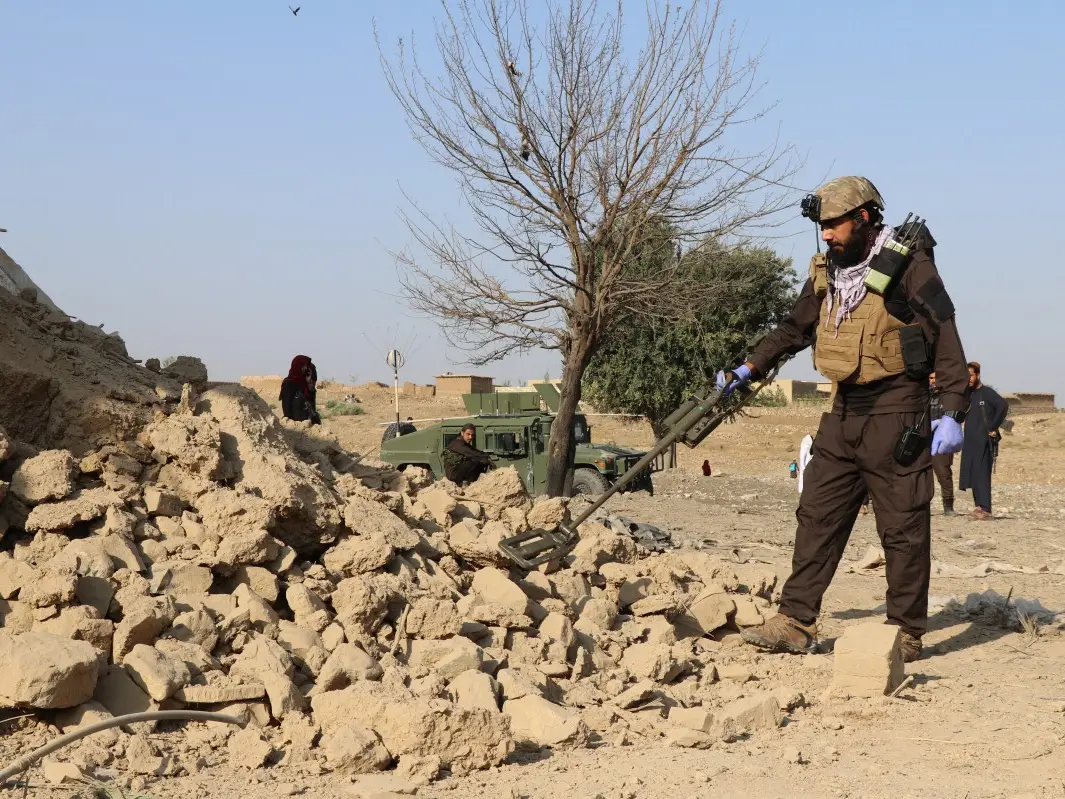
Retired master sergeant Scott Fales explained that rescue missions are meticulously planned even before flights begin. Combat Search and Rescue (CSAR) teams are immediately activated, and intelligence from drones, satellites, and human sources is used to locate the downed aviator.
Once a position is identified, rescue teams move quickly but cautiously, balancing threat levels and medical urgency. Upon reaching the pilot, they verify identity, assess injuries, and decide whether to provide on-site treatment or execute a rapid extraction. Despite the uncertainty, experts remain hopeful that the missing aviator will either evade capture or be safely recovered.
Disclaimer: WION takes utmost care to accurately and responsibly report ongoing conflicts in West Asia involving Israel, Iran, the US, Gulf nations and non-state actors like Hezbollah, Hamas, Houthis, Islamic State, and others. Claims and counterclaims, disinformation and misinformation are being made online and offline. Given this context, WION cannot independently verify the authenticity of all statements, social media posts, photos and videos.

