Iran slams UAE-led criticism over Strait of Hormuz, urges halt to ‘American, Israeli aggression’

&imwidth=600&imheight=450&format=webp&quality=medium "Iran slams UAE-led criticism over Strait of Hormuz, urges halt to ‘American, Israeli aggression’")
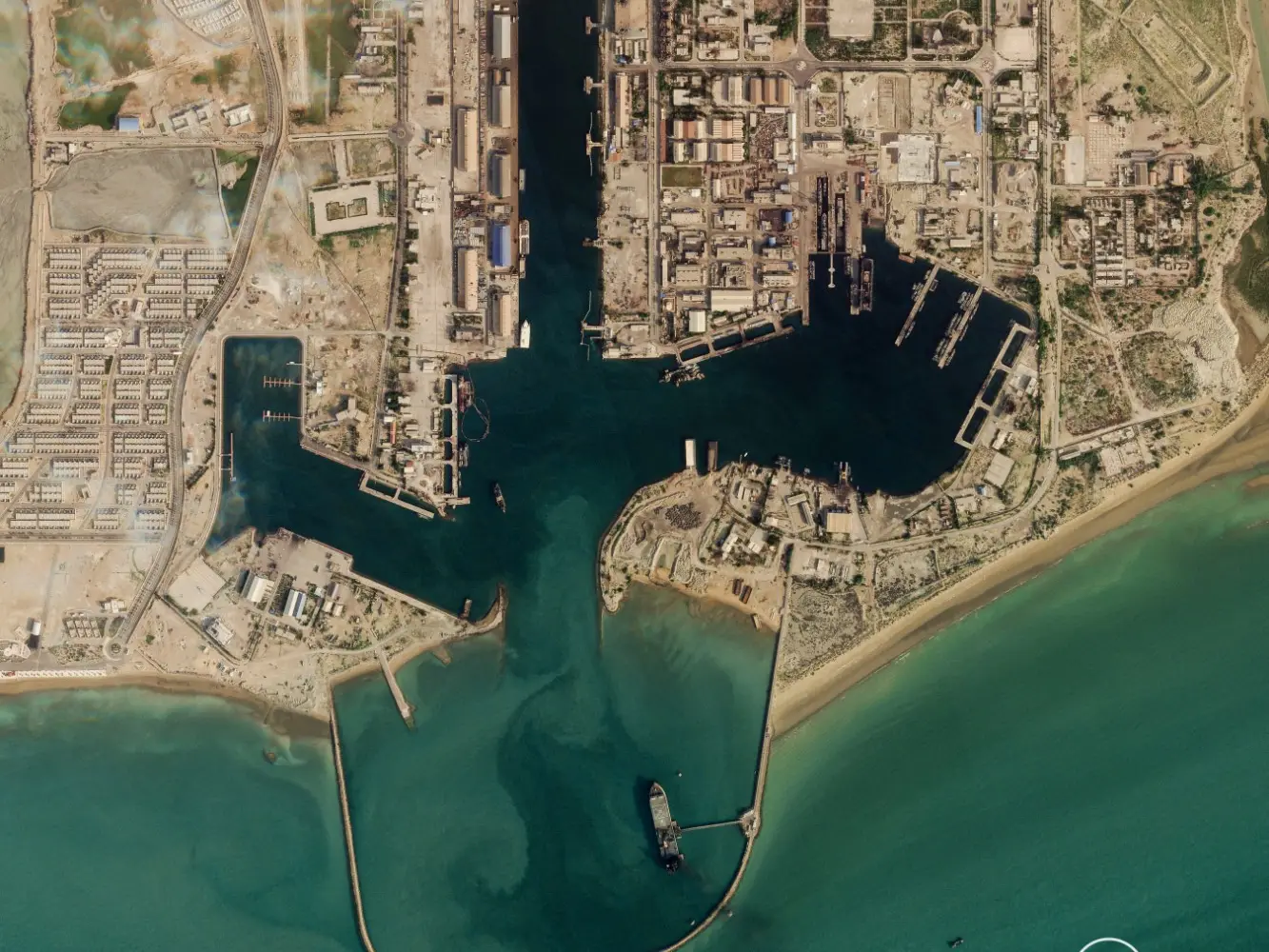
This handout satellite image taken by 2026 Planet Labs PBC shows damage at the military harbour in Iran's southern port of Bandar Abbas along the Strait of Hormuz on March 4, 2026. Photograph: (AFP)
Iran rejected a UAE-led coalition's condemnation of its actions in the Strait of Hormuz, accusing the US and Israel of aggression while defending its role in regional maritime security.
Iran has sharply criticised a joint statement led by the United Arab Emirates (UAE) and backed by several countries, calling on them to “stop accommodating the American and Israeli aggressors” amid rising tensions in the Strait of Hormuz.
The reaction came after a coalition of nations, including the United Kingdom, France, Germany, Japan, Canada and others, condemned what they described as Iran’s attacks on commercial vessels and energy infrastructure in the Gulf, as well as the “de facto closure” of the vital shipping route. In response, Iran’s embassy in Japan rejected the accusations, questioning the condition of the waterway before what it termed an “illegal war of aggression” by the United States and Israel.
Addressing the signatories directly, the embassy argued that despite facing “constant US disruptions,” Iran had continued to ensure safe passage through the Strait, portraying its actions as restraint under pressure. It also criticised the joint statement as counterproductive, urging countries to focus on ending aggression rather than issuing repeated condemnations.
“Don’t try to outdo each other with these statements. Stop the aggression itself,” the embassy said, warning that such positions only embolden destabilising actions.
Meanwhile, the UAE-led bloc reiterated that the situation poses a serious threat to global security. The countries called on Iran to immediately cease threats, mining activity, and drone and missile attacks, and to comply with relevant UN Security Council resolutions.
Emphasising the importance of maritime routes, the coalition stressed that freedom of navigation is a cornerstone of international law, warning that disruptions in the Strait could have widespread consequences for global trade and energy supplies, particularly affecting vulnerable economies.
The group also described attacks on civilian infrastructure, including oil and gas facilities, as a threat to international peace and security. It said member nations are prepared to support measures to ensure safe passage through the Strait and stabilise energy markets, including coordinated petroleum reserve releases and increased output, along with assistance to the most affected countries.
)
&im=FitAndFill=(700,400))
)
)
)
)
)
)
)
)
)
)
)
)
)
)
&im=FitAndFill=(700,400))
&im=FitAndFill=(700,400))
&im=FitAndFill=(700,400))
)
)
&im=FitAndFill=(700,400))
&im=FitAndFill=(700,400))
)
)
)
)

