Iran concludes Doha talks, to use frozen funds to buy 'necessary goods'

&imwidth=600&imheight=450&format=webp&quality=medium "Iran concludes Doha talks, to use frozen funds to buy 'necessary goods'")
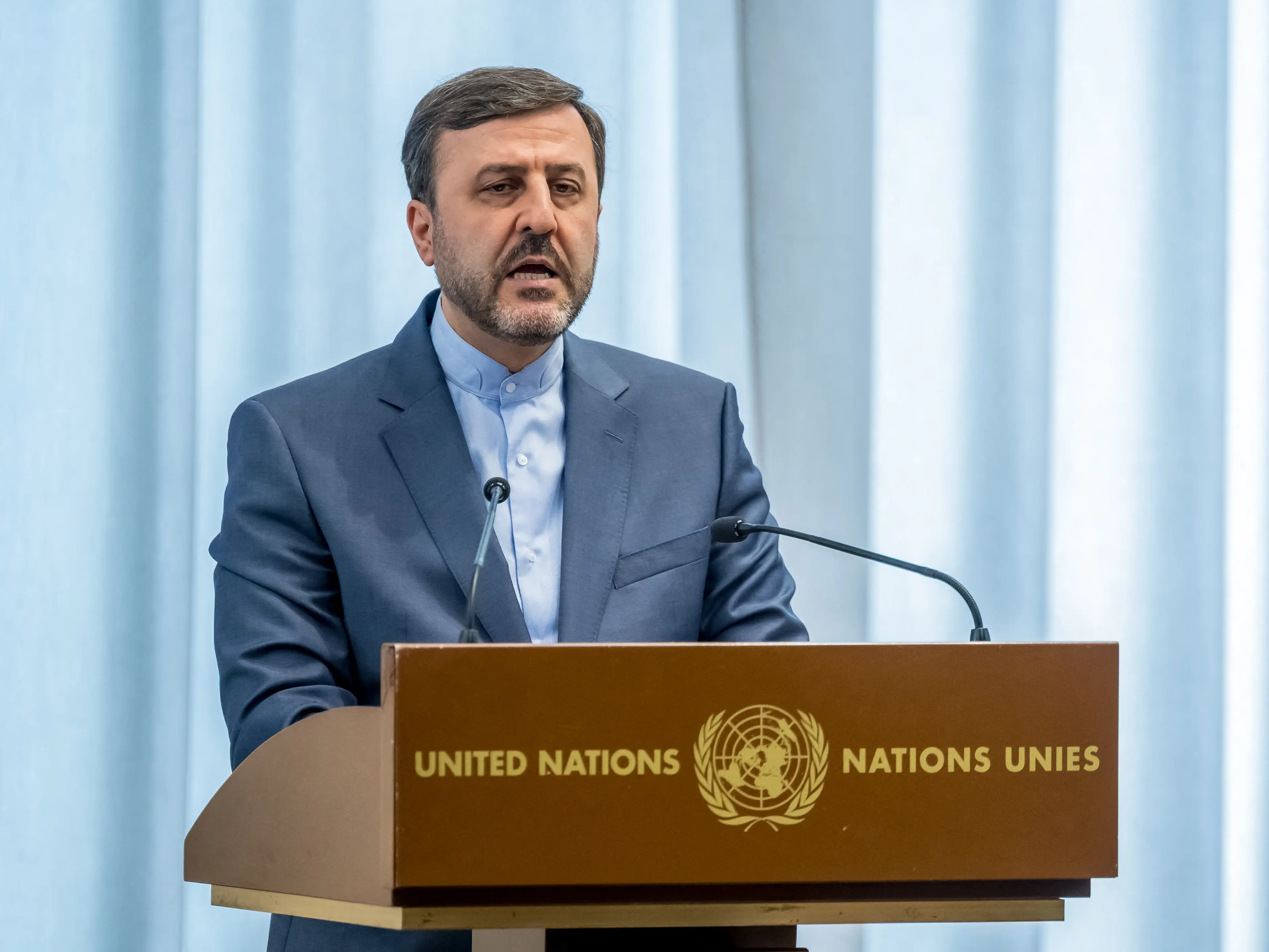
Iran's Deputy Foreign Minister Kazeem Gharibabadi. Photograph: (AFP)
The deputy foreign minister also said the participants agreed that "a communication channel would be established by tomorrow" to report and document violations of the memorandum.
Iran said on Wednesday (July 01) that part of its initial $6 billion in frozen assets will be used to purchase essential goods following talks in Doha on implementing the memorandum of understanding between Tehran and Washington.
Deputy Foreign Minister Kazem Gharibabadi said discussions with Qatari officials, including representatives of the Central Bank, focused on how part of the funds would be used.
"During the meetings with Qatari officials, including the Central Bank, a number of issues related to the expenditure of part of the initial six billion dollars were reviewed," Gharibabadi said, according to the IRNA state news agency.
"It was agreed that, based on the needs communicated by our country, the required goods would be purchased and made available to Iran."
Under the memorandum of understanding that halted the war between Iran and the United States, Washington agreed to make Iran's frozen or restricted assets available as part of implementing the agreement. However, it remains unclear how the funds will be released, how the mechanism will operate, or when it will take effect.
The announcement followed a round of talks in Doha, where the Iranian delegation met Qatari and Pakistani mediators to discuss implementation of the Islamabad memorandum of understanding with the United States.
Trending Stories
)
)
)
)
)
)
)
)
)
)
)
)
)
)
)
)
)
)
)
)
)
)
)
)
)
)
)
)
)
)
)
)
)
)
&im=FitAndFill=(700,400))
)
)
)
)
The $6 billion refers to part of Iran's oil revenues transferred from South Korea to restricted accounts in Qatar since 2023.
Gharibabadi said that a meeting of the monitoring group tasked with overseeing the MoU’s implementation was held with the participation of senior negotiators from the three countries.
“US violations of its commitments under Clause 1 of the Memorandum of Understanding regarding the cessation of war in Lebanon, reports of US efforts to reinforce equipment and forces in the region.”
The deputy foreign minister also said the participants agreed that "a communication channel would be established by tomorrow" to report and record violations of the memorandum.
Last month, Iranian Foreign Ministry spokesman Esmaeil Baqaei said Tehran alone would decide how to use the released assets, "in whatever way is most beneficial and favourable to the country".
He also said the funds would "be available for Iran to freely use as it sees fit to supply the goods that the country needs".
US Vice President JD Vance said in June that the United States and Qatar "have approval over that process" of the release of frozen funds. Vance also suggested the money could be used to buy US products, including agricultural goods such as soybeans.