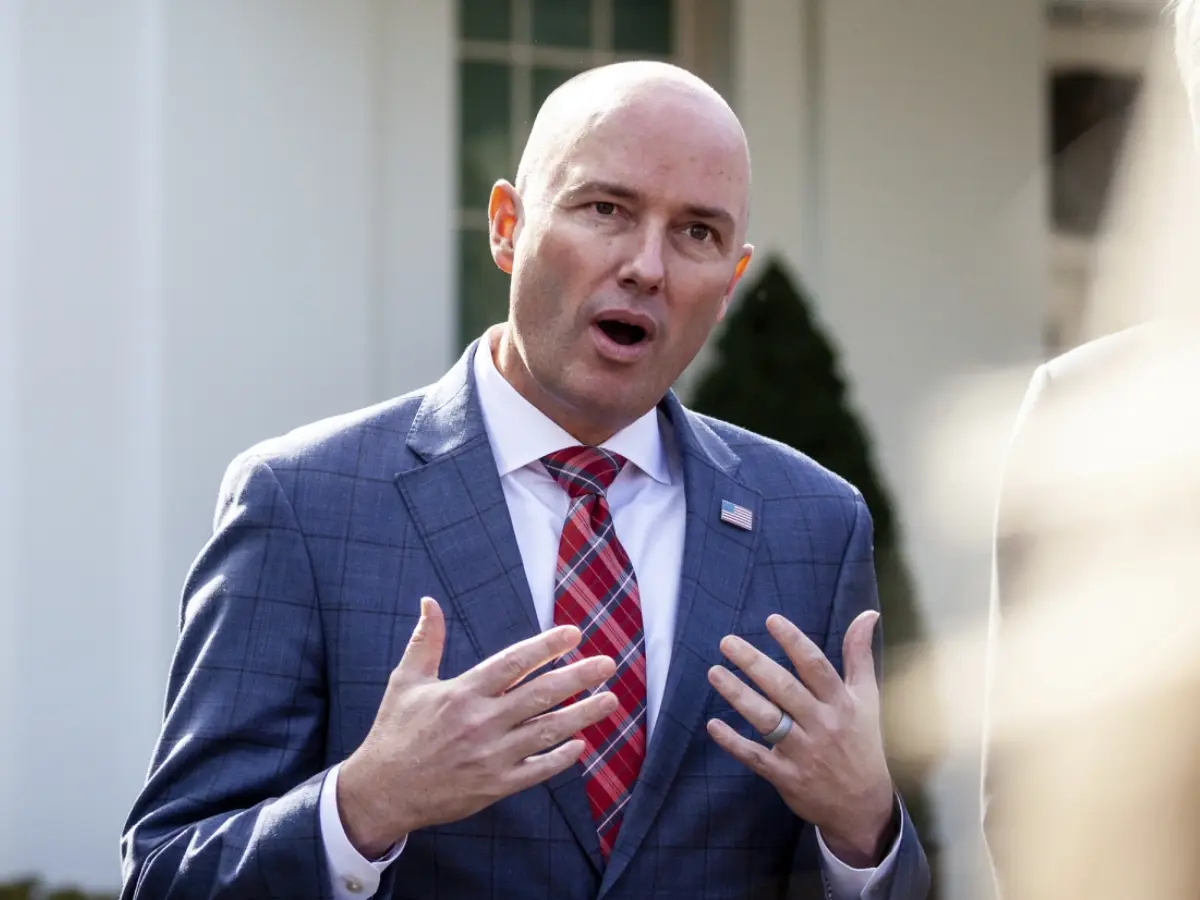
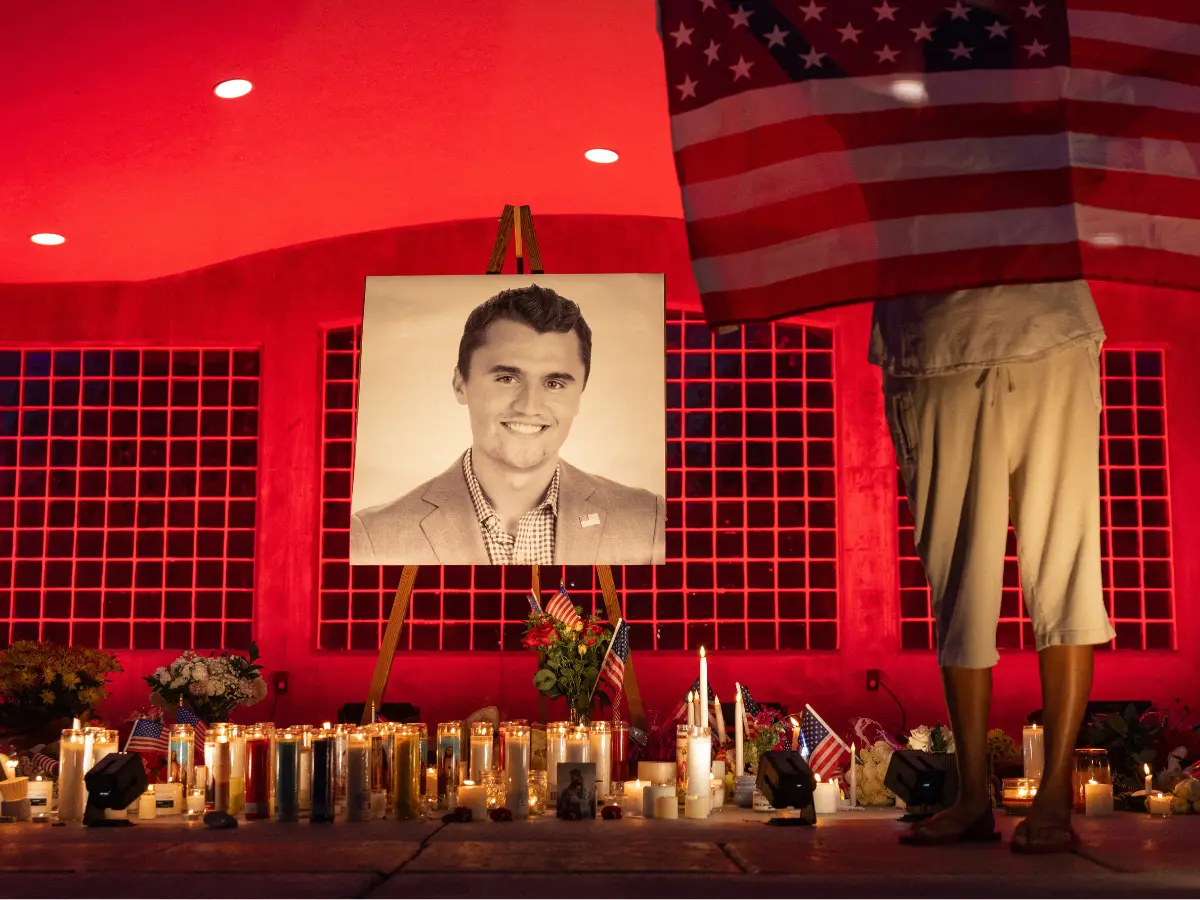
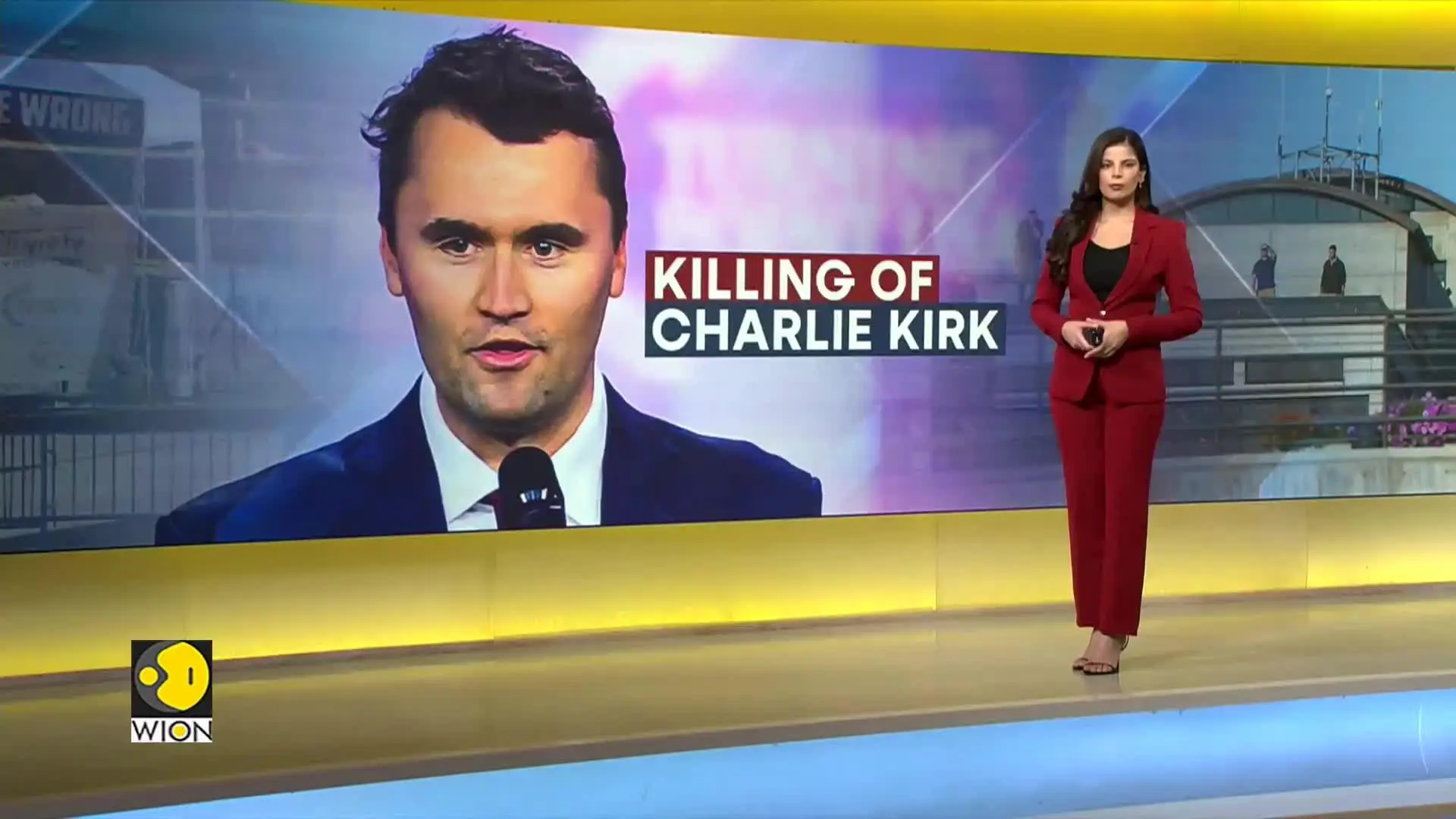
Charlie Kirk’s killing is being blamed on extreme ‘woke’ ideologies. What is woke and wokism?

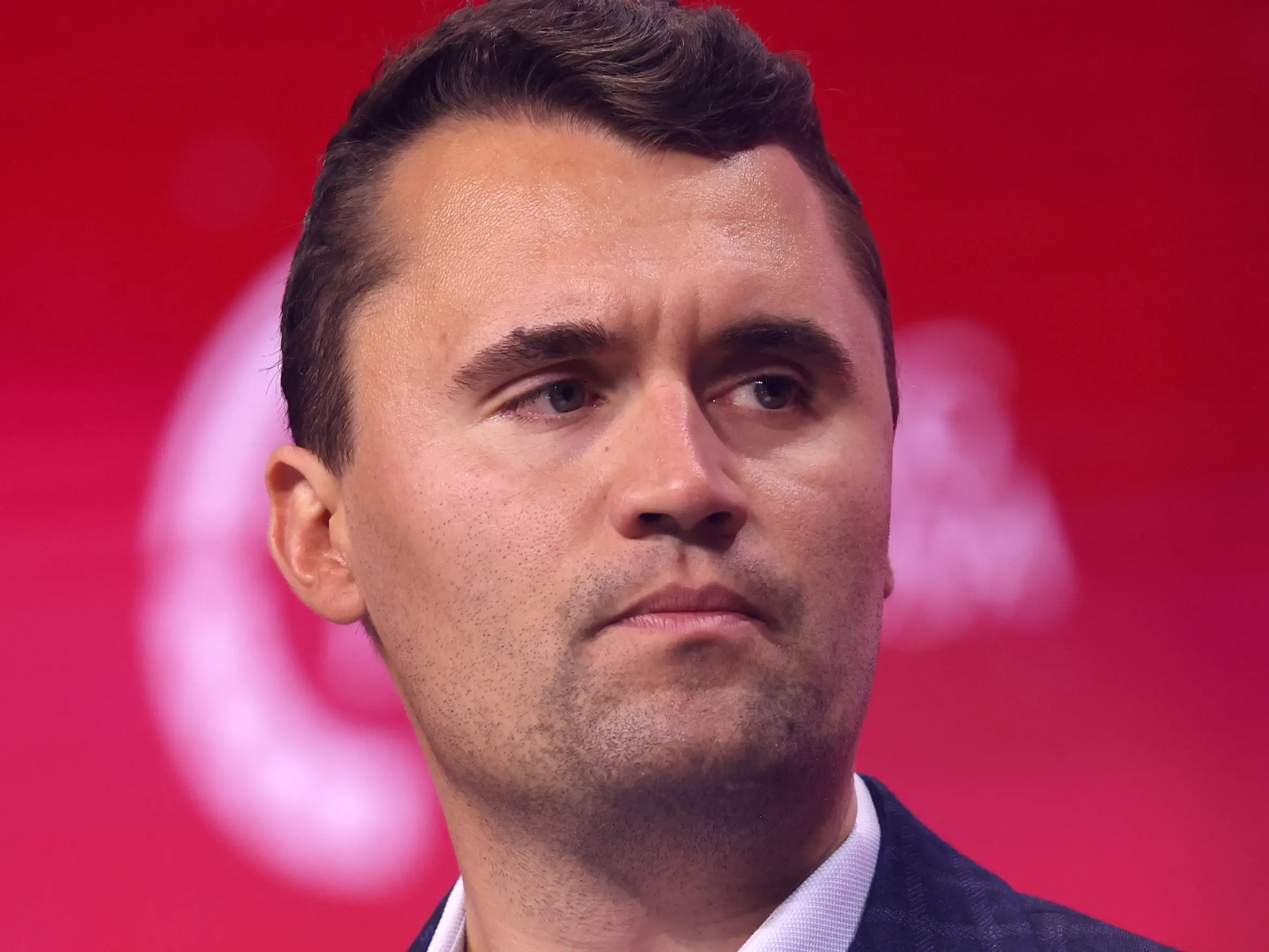&imwidth=600&imheight=450&format=webp&quality=medium "Charlie Kirk’s killing is being blamed on extreme ‘woke’ ideologies. What is woke and wokism?")
Charlie Kirk's murder being blamed by several leaders and online commentators on extreme ‘woke’ ideologies Photograph: (Others)
Charlie Kirk’s killing has sparked debate over extreme woke ideologies. Once a call for justice, “woke” now faces backlash for perceived excesses. Critics argue wokism divides society. Here is what you should know
The shocking daylight murder of right-wing activist Charlie Kirk is being blamed by several leaders and online commentators on extreme ‘woke’ ideologies. With or without using the terms woke or wokism, US President Donald Trump criticised the ‘radical left’. What is woke and what is wokism? Will Kirk’s killing be a wake-up call that, when taken to extremes and in the wrong hands, even progressive ideas associated with woke culture could become damaging — or deadly? Will wokism die down, given the growing backlash? Here is what you should know.
The history of "Woke" and "Wokism"
The term woke has its roots in African American Vernacular English, where it originally meant being alert to racial injustice.
Emerging in the early 20th century, it carried a sense of vigilance against systemic oppression. By the 2010s, the term ‘woke’ entered mainstream usage, propelled by the rise of social media and the Black Lives Matter movement, which began in 2013 following the acquittal of George Zimmerman in the killing of Black teenager Trayvon Martin. Initially, woke was a call to awareness about systemic racism and social inequalities, particularly in the United States.
Social media popularised the term ‘woke’
Trending Stories
)
)
)
)
)
)
)
)
)
)
)
)
)
)
)
)
)
)
)
)
)
)
)
)
)
)
)
)
)
)
)
)
)
)
&im=FitAndFill=(700,400))
)
)
)
)
By the mid-2010s, the term’s meaning broadened significantly. It came to encompass a wide range of progressive causes beyond race, including but not limited to gender equality, LGBTQ+ rights, environmentalism, and economic justice.
The popularity of the terms woke and wokism was fuelled by social media platforms like Twitter (later X) and Instagram, where activism became highly visible.
Wokism became a derogatory term to describe left-of-centre ideologies and activism
A parallel stream of criticism arose about woke activism, alleging that it was often performative — more about appearances than substantive change. The term became a cultural shorthand for progressive awareness, but also a lightning rod for backlash, being associated with political correctness and perceived oversensitivity.
In the late 2010s and early 2020s, wokism was often used pejoratively — to describe an excessive or dogmatic adherence to woke ideology. Wokism was linked to the so-called ‘cancel culture’, which involved the public shaming or boycotting of individuals or entities deemed insufficiently progressive. It was often used to criticise those engaged in identity politics, including issues of race and gender.
Wokism in institutions targeted by right-wing critics
Often, wokism was blamed for what critics saw as ‘institutional overreach’ — the perceived integration of progressive ideals into academia, media, and corporations, sometimes viewed as stifling free speech or undermining meritocracy.
Wokism is now more famous for the backlash it faces than for any specific figure associated with it. Critics see wokism as fostering social division, intolerance of dissent, and a culture of virtue-signalling — where companies or individuals adopt progressive stances primarily for public approval rather than genuine commitment.
Will we see the end of wokism, or will it revive?
Social movements tend to follow cycles — often dying out or evolving into new forms. Wokism, in its current form, may be declining due to cultural fatigue and backlash.
The public is increasingly critical of the more extreme elements of wokism, such as language policing (for example, the he/she/they/them debate over gender self-identification) or perceived corporate pandering. A survey by Pew Research showed declining support among moderates and independents for certain progressive stances viewed as divisive.
There are anti-woke or post-woke voices gaining ground both on social media and offline. These critics include conservatives and progressives alike.
Much like the decline of the 1960s counterculture, wokism may also fade, but the underlying causes — civil rights, gender equality, and environmentalism — will continue to shape future activism and policy.
Similarly, wokism may splinter or rebrand into more pragmatic, less ideologically rigid forms.
Rather than a complete end or dramatic revival, what’s more likely is a recalibration. The term wokism itself may lose prominence as critics and supporters move on to new fronts, but the broader fight for social justice and equality will continue.