Charlie Kirk, Shinzo Abe, Benazir Bhutto, King Birendra and more: Political assassinations and killings that shocked the World in 21st Century

Assassinations and politically motivated killings have profound effects on national stability and regional dynamics. Carried out by lone wolves, extremists, political rivals, or shadowy forces, these killings reflect the vulnerability of polarising political figures.

Charlie Kirk: September 10, 2025, United States
Charlie Kirk, a 31-year-old conservative activist and founder of Turning Point USA, was shot and killed by a sniper while speaking at Utah Valley University in Orem, Utah. The killing was described by Utah Governor Spencer Cox as a “political assassination.” It sparked a nationwide manhunt, with the FBI releasing images and videos of a person of interest. Kirk’s death drew tributes from figures like Donald Trump and reignited concerns over escalating partisan violence in the US.
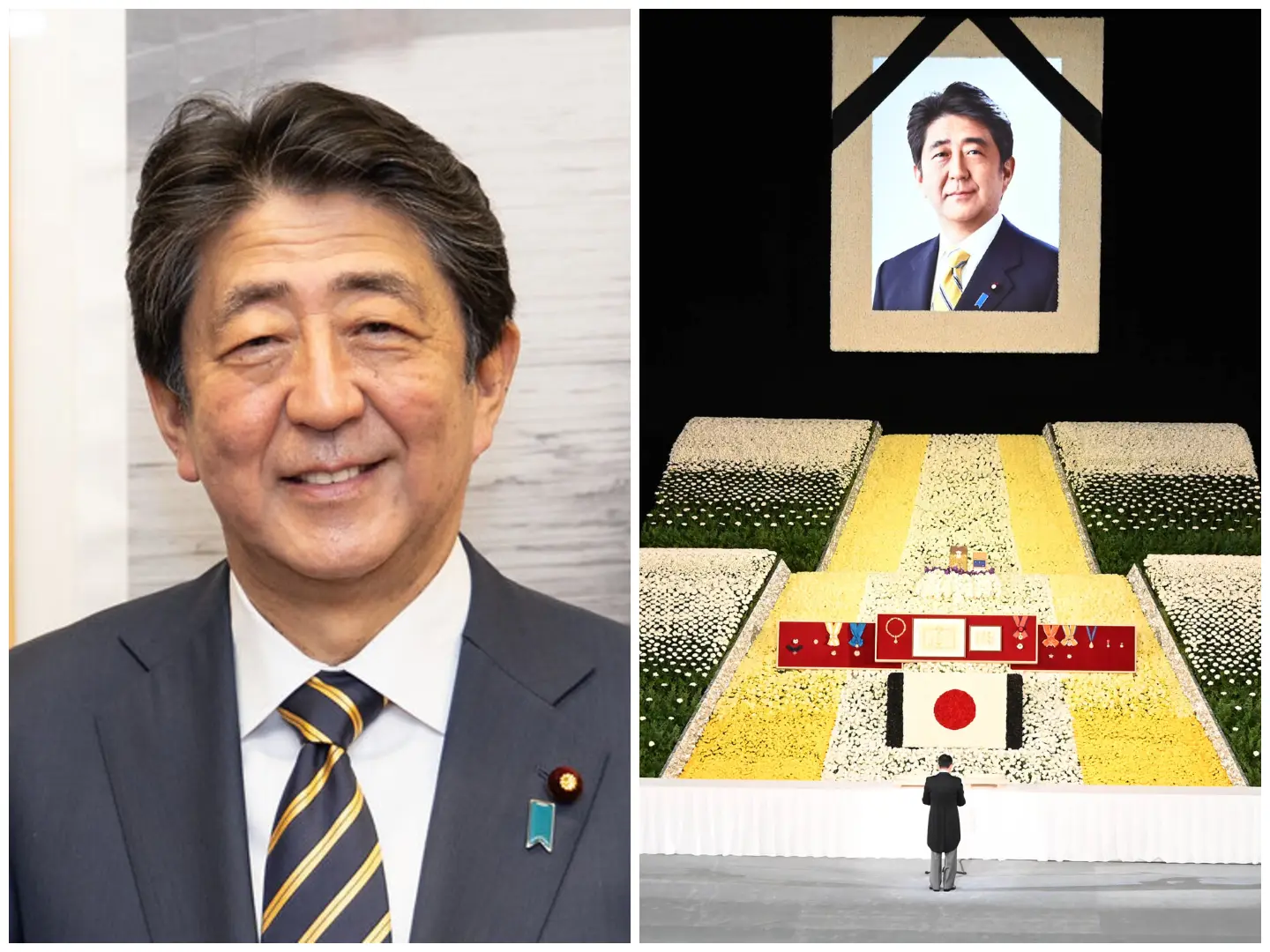
Shinzo Abe (July 8, 2022, Japan)
Former prime minister Shinzo Abe, Japan’s longest-serving leader, was assassinated while giving a campaign speech in Nara. He was shot with a homemade firearm by an assailant who reportedly held a grudge over Abe’s ties to a religious group. The killing shocked Japan, a country with strict gun laws and a relatively low rate of political violence.
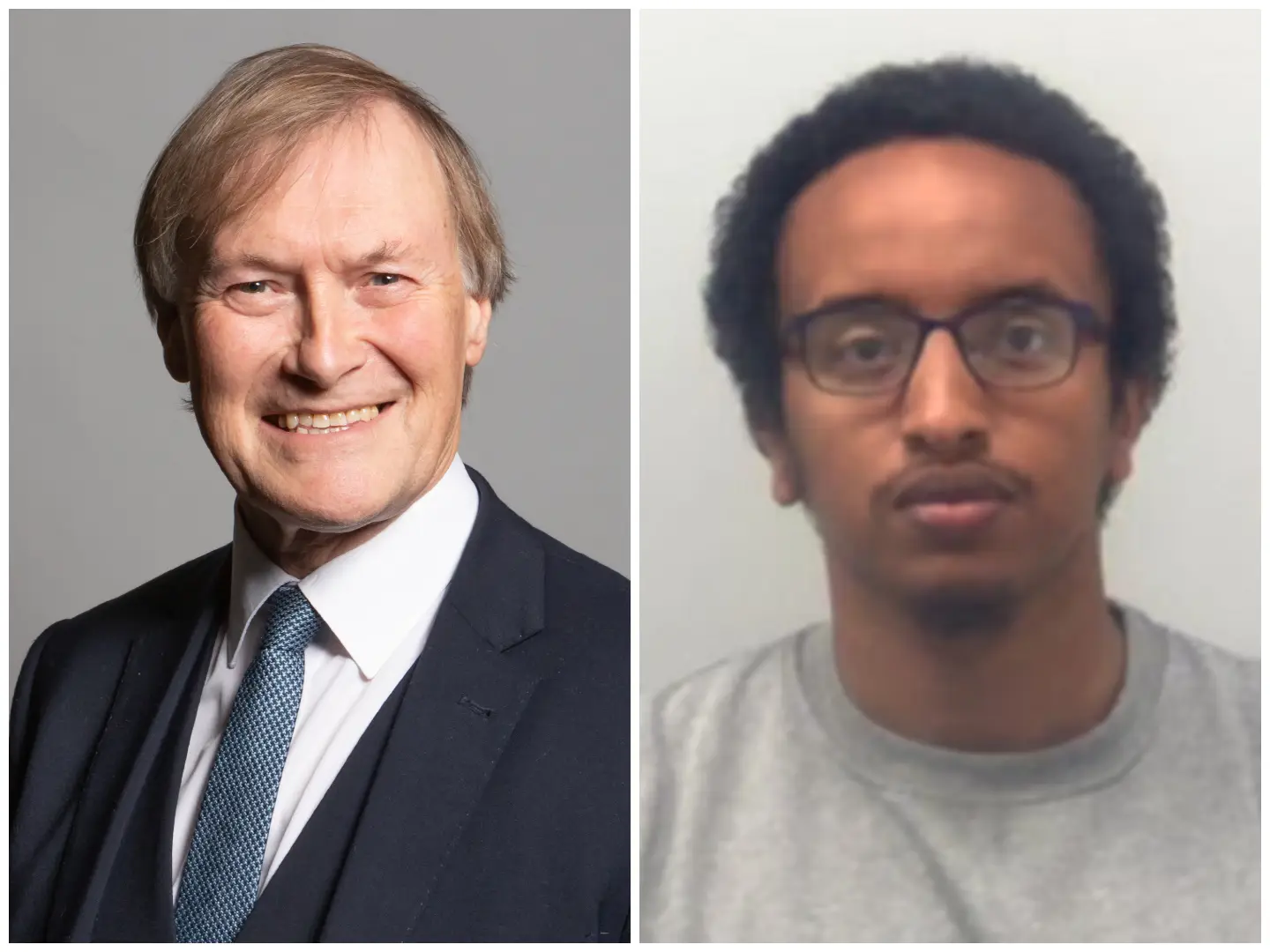
David Amess (October 15, 2021, United Kingdom
Conservative Member of Parliament David Amess was stabbed to death by an Islamic State supporter while meeting constituents in Leigh-on-Sea. His assassination intensified debates over the safety of public officials. The killer, Ali Harbi Ali, (in picture, right), a British citizen and Islamic State sympathiser, was arrested at the scene.
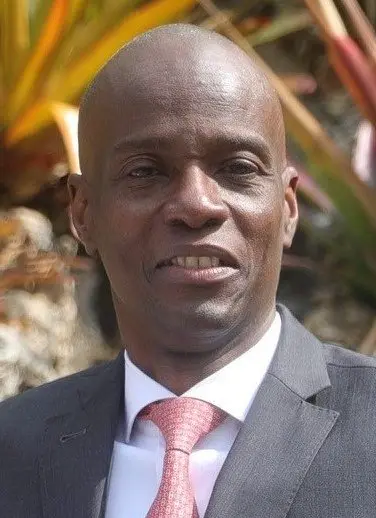
Jovenel Moïse (July 7, 2021, Haiti)
Haitian President Jovenel Moïse was shot dead in his private residence in Port-au-Prince by a group of Colombian mercenaries. The plot was reportedly linked to corrupt local elites and foreign actors. His death worsened Haiti’s instability and deepened an already-dire political crisis marked by gang violence and governmental collapse.
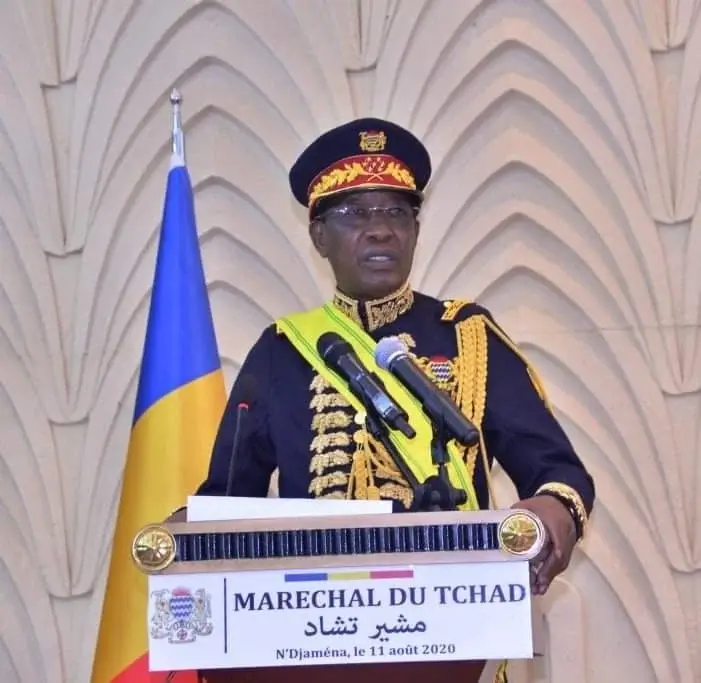
Idriss Déby (April 20, 2021, Chad)
Chadian President Idriss Déby was reportedly killed while leading troops in a battle against northern rebels, just one day after winning a sixth term in a disputed election. His death ended a 30-year rule and sparked fears of regional instability, especially as the military quickly installed his son as interim leader.
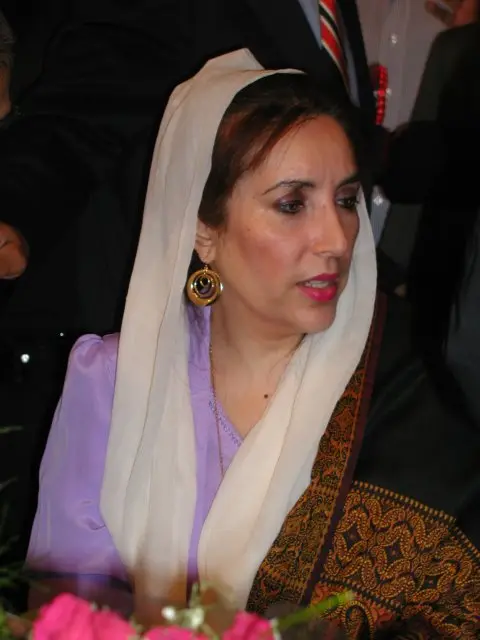
Benazir Bhutto (December 27, 2007, Pakistan
Benazir Bhutto, former prime minister and the first woman to lead Pakistan, was assassinated at a political rally in Rawalpindi. She was shot and then targeted by a suicide bomber. The attack came shortly after her return from exile and was blamed on Islamist extremists. Her death plunged Pakistan into turmoil and significantly altered the course of its political future.
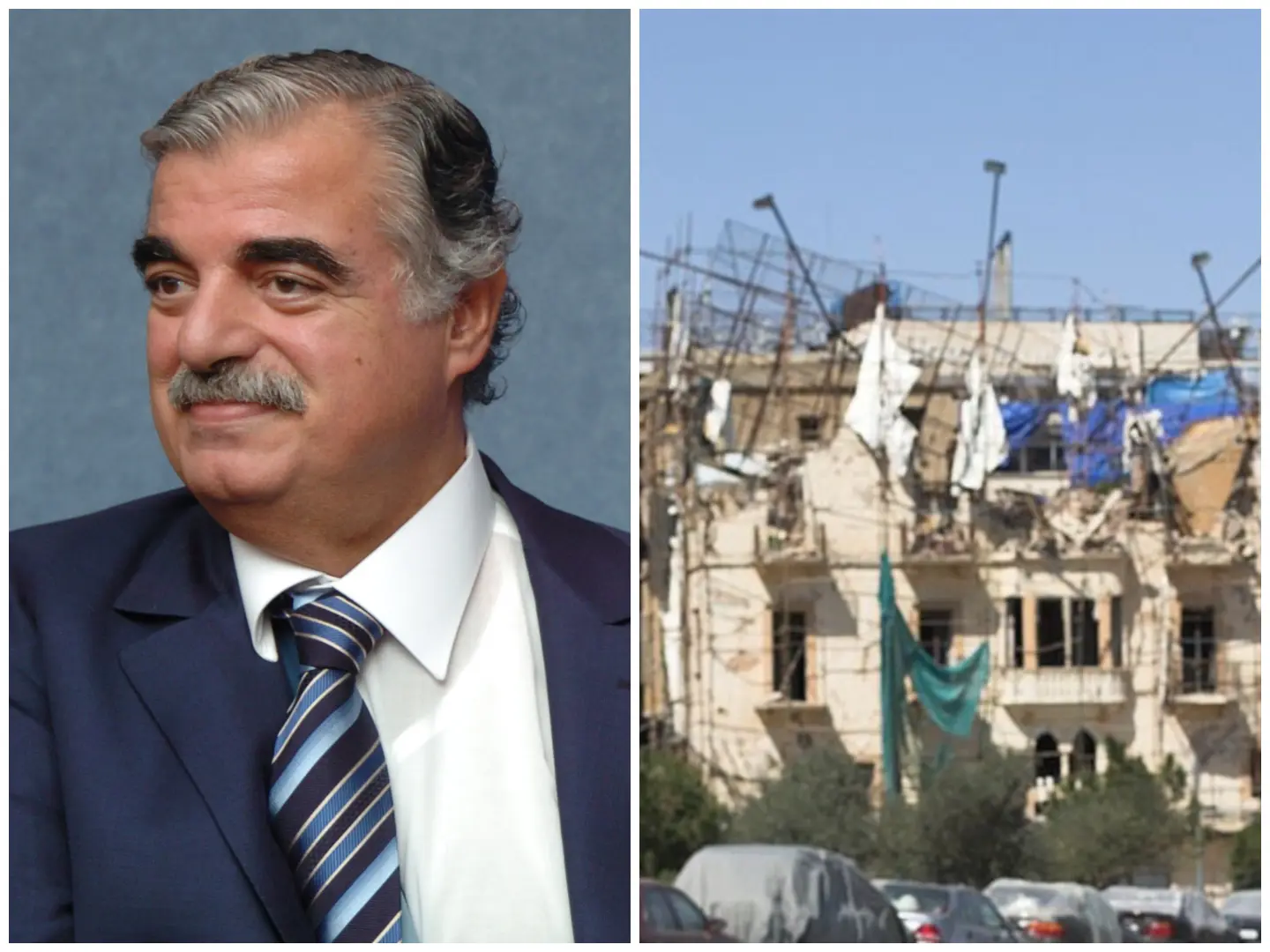
Rafic Hariri (February 14, 2005, Lebanon)
Former Lebanese Prime Minister Rafic Hariri was killed by a massive car bomb in Beirut, along with 21 others. The blast was so huge that it destroyed several buildings in the aera (as shown in the picture). The assassination, widely believed to involve Syrian and Hezbollah operatives, sparked the Cedar Revolution and led to Syria’s withdrawal from Lebanon. It also triggered years of international investigations and trials.
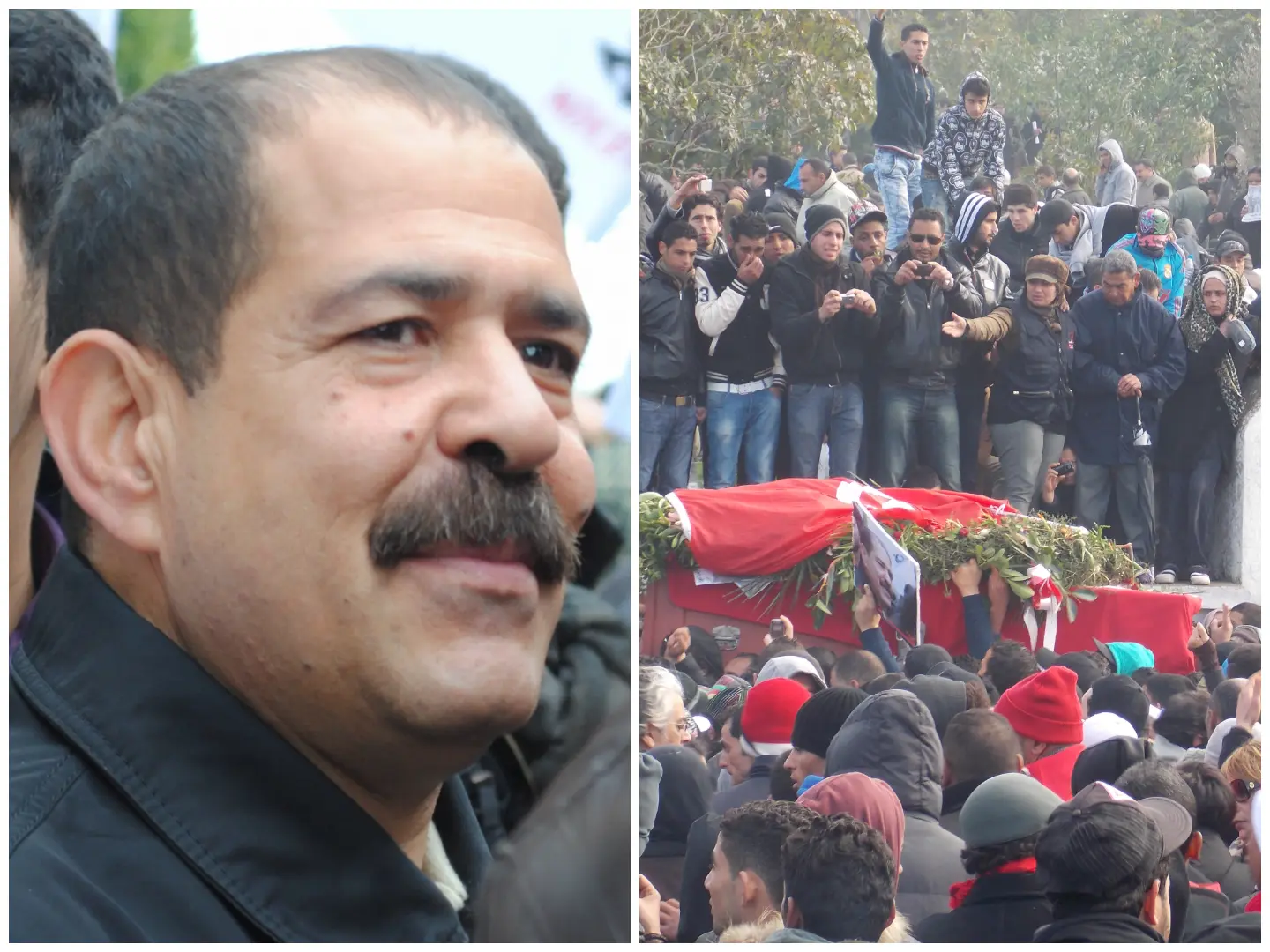
Chokri Belaid (February 6, 2013, Tunisia)
Tunisian leftist politician and outspoken secularist Chokri Belaid was shot dead outside his home in Tunis. His assassination, followed months later by the killing of fellow opposition figure Mohamed Brahmi, destabilised the post-Arab Spring democratic transition and led to widespread protests and governmental change.
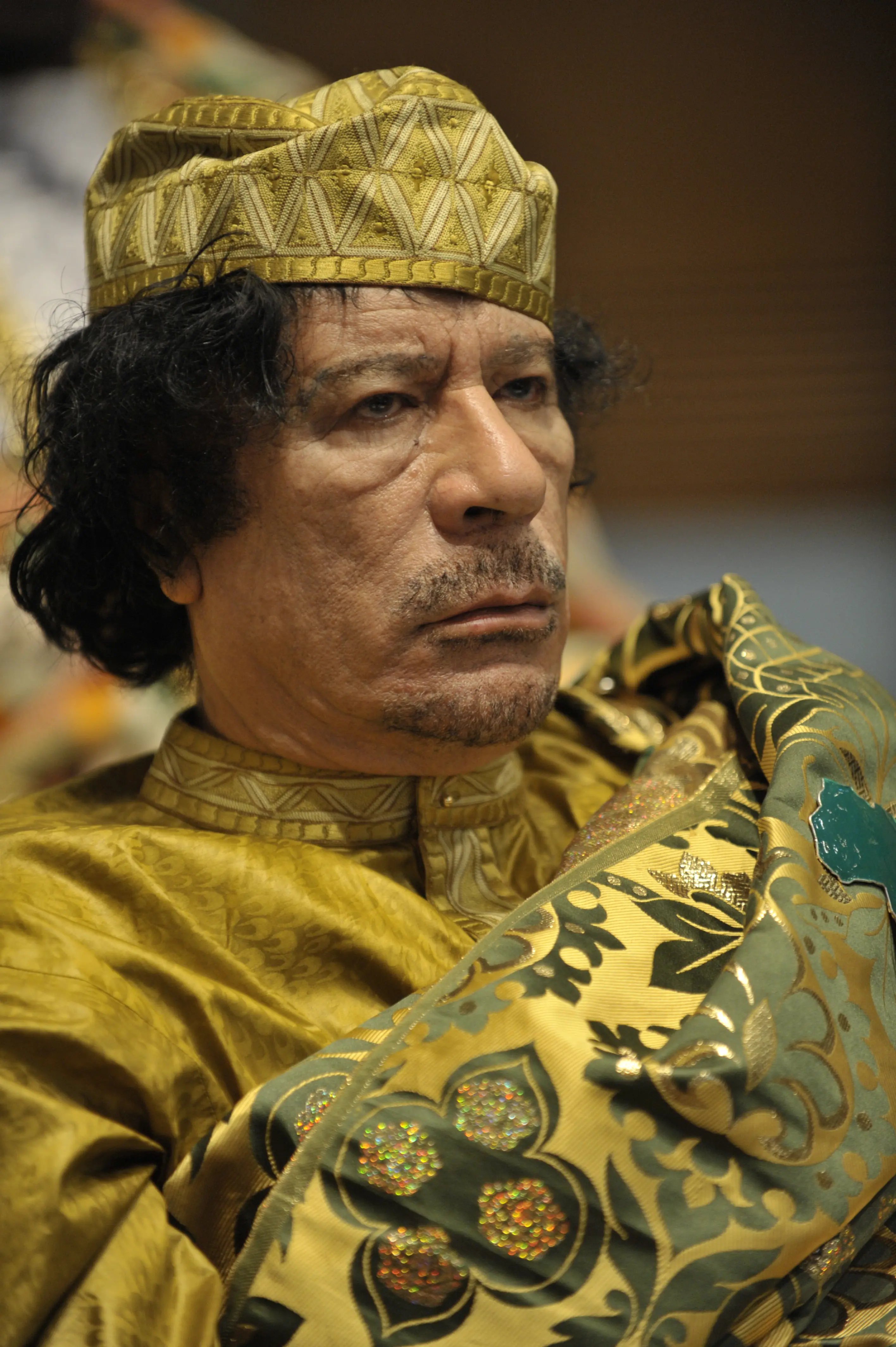
Muammar Gaddafi (October 20, 2011, Libya)
Libyan dictator Muammar Gaddafi was captured and executed by rebel forces in his hometown of Sirte during the NATO-backed uprising. His violent death, captured on video, symbolised both the success and brutality of the Arab Spring, a series of revolutions in the Arab world. It also ushered in years of civil war and chaos in Libya that continue to this day.
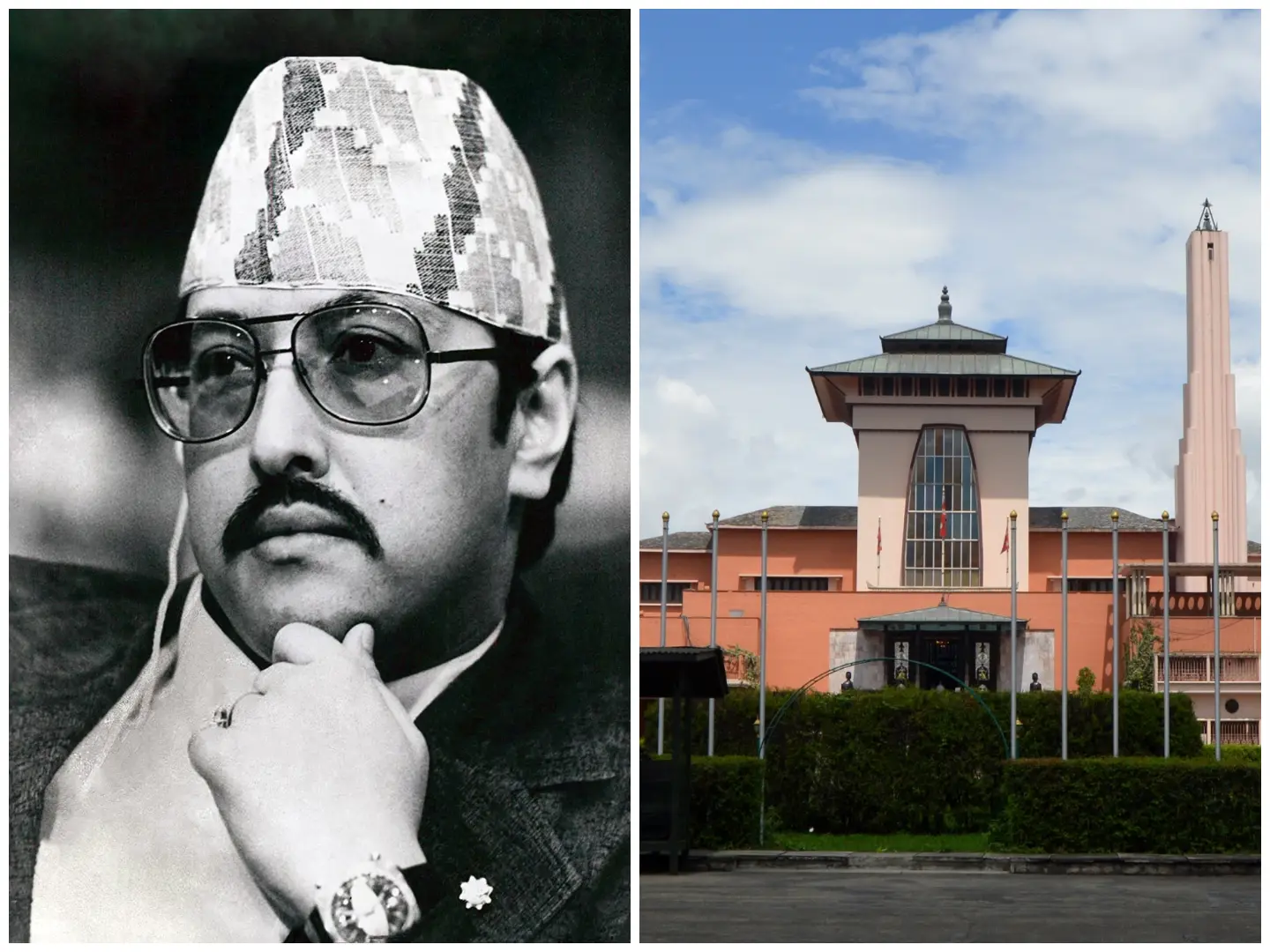
King Birendra and the Royal Family (June 1, 2001, Nepal):
King Birendra, Queen Aishwarya, and several other members of Nepal’s royal family were killed in a massacre reportedly carried out by Crown Prince Dipendra, who also died. The incident, rooted in personal and political tensions, shocked the nation and effectively ended the monarchy’s influence, paving the way for a republic.
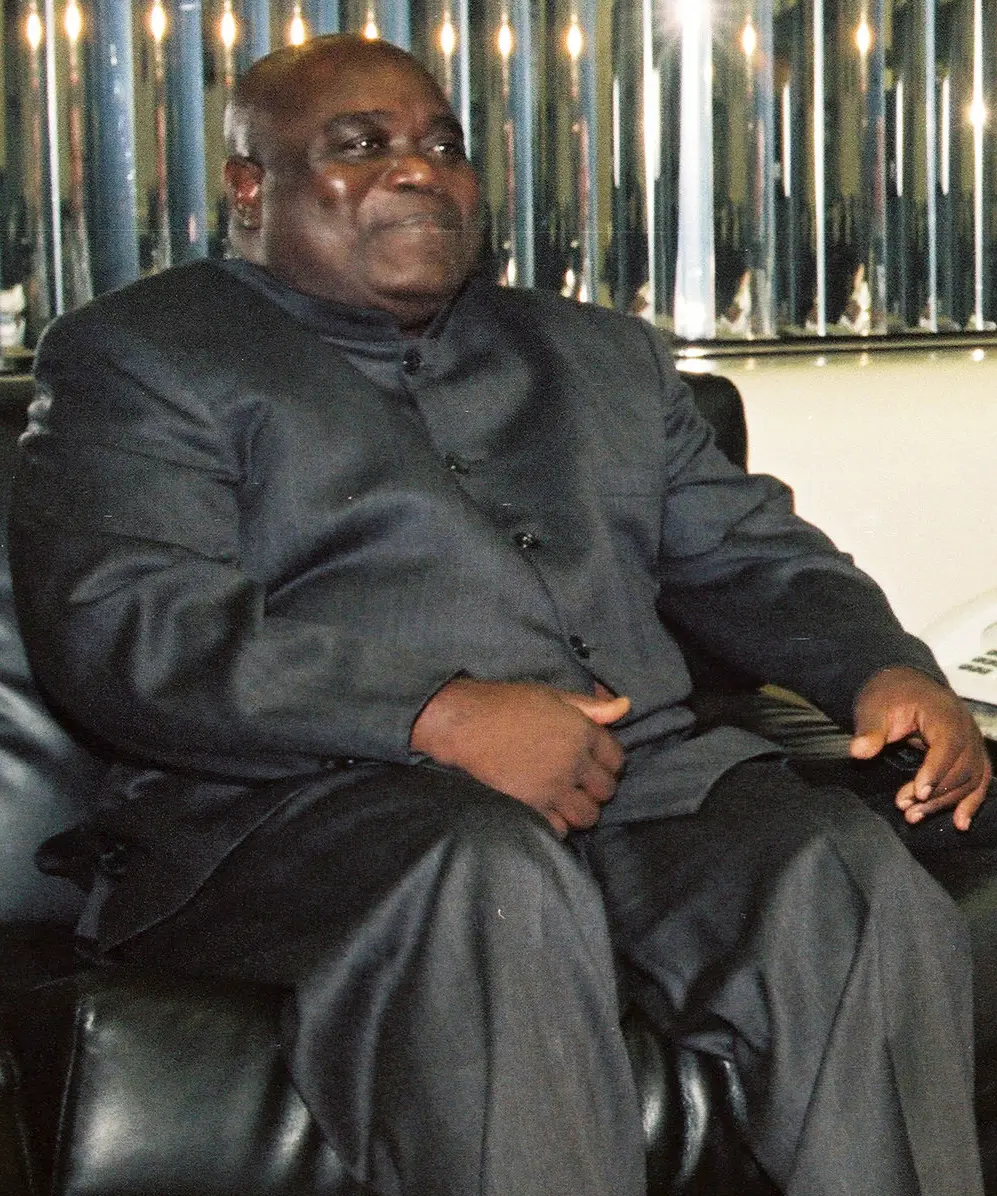
Laurent Kabila (January 18, 2001, Democratic Republic of Congo)
President Laurent Kabila was assassinated in his palace by one of his bodyguards, who was subsequently killed. His death came amid a brutal civil war and set the stage for his son, Joseph Kabila, to assume power, changing the trajectory of Congolese politics for years to come.
)
)
)
)
)