After May stalemate, US manoeuvred to communicate directly with IRGC top commander

&imwidth=600&imheight=450&format=webp&quality=medium "After May stalemate, US manoeuvred to communicate directly with IRGC top commander")
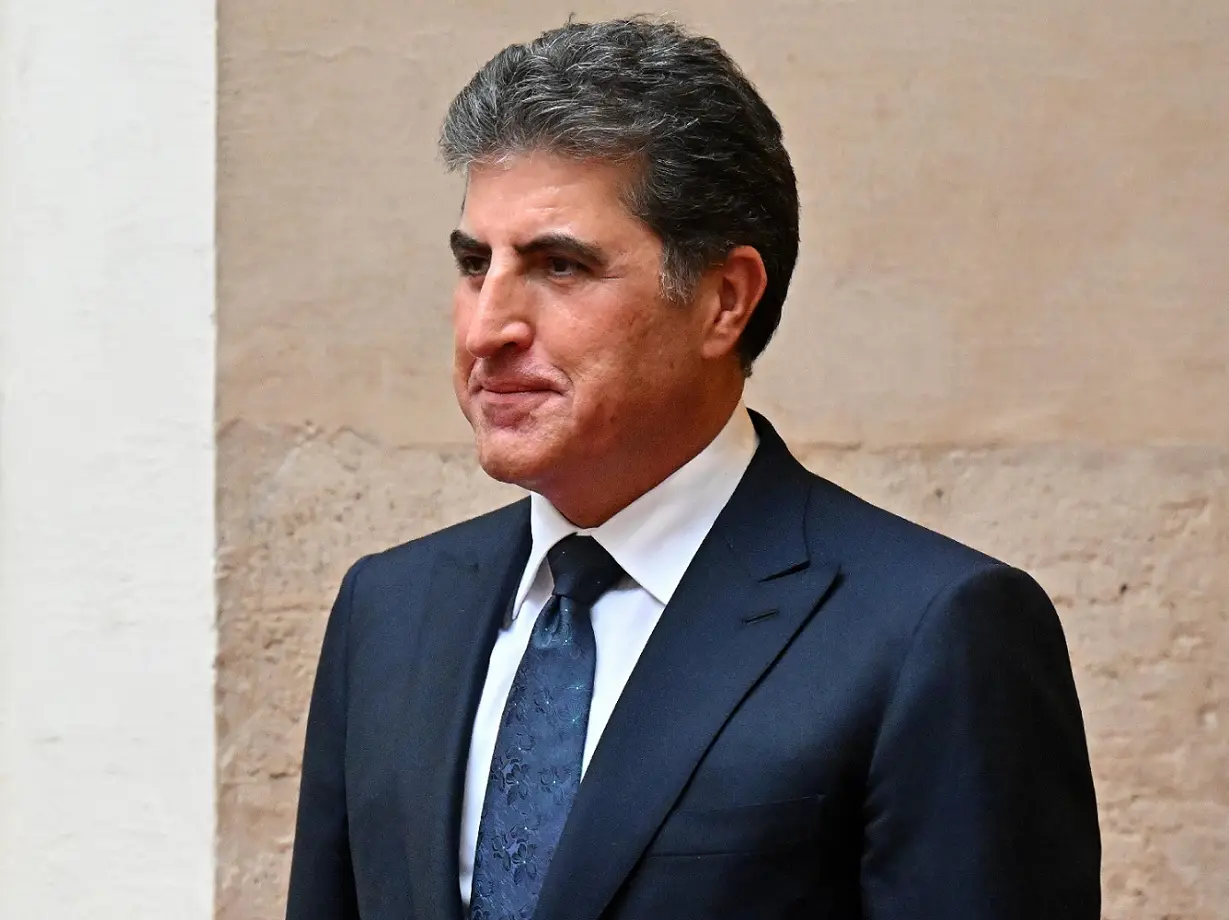
The US tapped Nechirvan Barzani, president of Kurdistan region in Iraq, for opening a line with Iran’s IRGC. Photograph: (AFP)
Around mid-May, US negotiators trying to strike a deal with Iran to end the war ran into a dilemma: they were not sure if the people across the table were actually in touch with Iran’s Islamic Revolutionary Guard Corps (IRGC), which was wielding the real power in Iran.
The United States and Israel wiped out almost the entire leadership of Iran in the initial strikes and must have been pleased with the result, but little did Washington know that the leadership vacuum thus created would create a new problem for it later on. The killing of Supreme Leader Ali Khamenei and other senior political leaders, in fact, strengthened the IRGC's grip on power.
Besides, the uncertainty about the condition of new Supreme Leader Mojtaba Khamenei and his absence from public view further boosted IRGC commanders.
Over two months later, around mid-May, US negotiators trying to strike a deal with Iran to end the war ran into a dilemma: they were not sure if the people across the table were actually in touch with Iran’s Islamic Revolutionary Guard Corps (IRGC), which was wielding the real power in Iran.
US taps Nechirvan Barzani for contacting IRGC
After the April 8 ceasefire and a summit in Islamabad, the US and Iran were trying to negotiate an end to the war, and in order to ensure that their efforts were not fruitless, Trump administration officials decided to bypass Iran’s negotiators and reach out directly to IRGC leadership, said an Axios report.
And for doing so, they tapped Nechirvan Barzani, the president of the Kurdistan region in Iraq, who enjoys the trust of both US and IRGC leaders.
Trending Stories
)
)
)
)
)
)
)
)
)
)
)
)
)
)
)
)
)
)
)
)
)
)
)
)
)
)
)
)
)
)
)
)
)
)
&im=FitAndFill=(700,400))
)
)
)
)
When the US felt it was closing in on a deal, Iran delayed its response for more than 10 days. It was then that the White House started to think that Iranian negotiators, Parliament Speaker Mohammad Bagher Ghalibaf and Foreign Minister Abbas Araghchi, were not empowered to strike a deal and were being overruled.
Then-DNI Tulsi Gabbard called Barzani to set the ball rolling
Around May 10, then-Director of National Intelligence Tulsi Gabbard called Barzani and told him that the administration thought he could help get in touch with the commander of the IRGC, Gen. Ahmad Vahidi.
Barzani, who had lived in Iran and studied at the University of Tehran during the Iran-Iraq war, is fluent in Farsi and has personal relationships with senior members of the Iranian regime, including top members of the IRGC.
Gabbard made clear to Barzani that she was making the call with the approval of President Donald Trump and Vice President JD Vance.
Gabbard told Barzani that the White House wanted to know if Vahidi and the IRGC leadership were on board with what Ghalibaf and Araghchi had been negotiating or whether they had other ideas or demands.
‘But I want to talk directly to Gen. Vahidi’
Barzani agreed to Gabbard’s request and reached out to his contacts at the IRGC and said he had a message from the Trump administration.
“But I want to talk directly to Gen. Vahidi,” Barzani stressed.
The Iranians agreed, and on May 14, an IRGC official arrived in Barzani’s office in Erbil, the capital of Iraqi Kurdistan, carrying an encrypted phone for making a secure call.
When Barzani asked Vahidi whether he was aligned with the Iranian negotiators, the Iranian general said he was. “I fully support them, and this is also the position of the IRGC. We prefer to solve this crisis through negotiations,” Vahidi said.
Barzani called Gabbard right after his conversation with Vahidi and briefed her on his response. Gabbard, in turn, briefed the White House.
The success made the Trump administration come up with another proposal. They asked Barzani if he would host secret talks between US and Iranian negotiators in Erbil.
Barzani passed on the message to the Iranians, who did not rule it out but expressed apprehensions about their security.
Wary of Israeli threats, Iranians couldn’t agree to Erbil meeting
The Iranians believed Israeli intelligence had many assets in Iraqi Kurdistan and were wary that the Israelis would try to assassinate them in Erbil or while they travelled there and back.
Consequently, the Erbil meeting never took place.
The developments, detailed by three sources privy to the matter, show how difficult a task has it been for the US to negotiate with Iran.
The US and Iran did sign a memorandum of understanding, but it failed.
Meanwhile, Pakistani and Qatari mediators continue to exchange messages between the US and Iran without any significant progress. Some believe the Pakistanis are giving more optimistic readouts than the talks justify.