Godzilla Minus Zero review: Bigger monsters, Higher stakes! Takashi Yamazaki returns with spectacular destruction and an uneven story


Godzilla Minus Zero Photograph: (X)
Godzilla Minus Zero was released in Indian cinemas today. The Japanese sci-fi film takes the monster franchise forward with bigger destruction, impressive visual effects and the return of familiar characters.
Three years later, after Godzilla Minus One, Godzilla Minus Zero released in cinemas today, ie, on November 20. The Japanese sci-fi film reminds the audience about a monster that could be much more than destruction and spectacular visual effects. By combining an emotionally engaging human story with the terrifying presence of one of cinema's most recognisable monsters, filmmaker Takashi Yamazaki delivered a memorable addition to the long-running franchise. The film's success also raised expectations for what would follow. The sequel raises the scale of its spectacle and continues exploring the scars left by war. However, does it manage to recreate the magic of its predecessor? Let's find out.
Plot of Godzilla Minus Zero
The film is set in 1949, two years after the events of Godzilla Minus One. Godzilla Minus Zero
follows Japan as it attempts to rebuild after the devastation caused by the war and Godzilla's previous attack. Just when the country begins to find some stability, another terrifying creature emerges, threatening to destroy the fragile peace.
Also Read: Godzilla Minus Zero brings monster-sized fan frenzy to Tokyo film festival ahead of Japan release
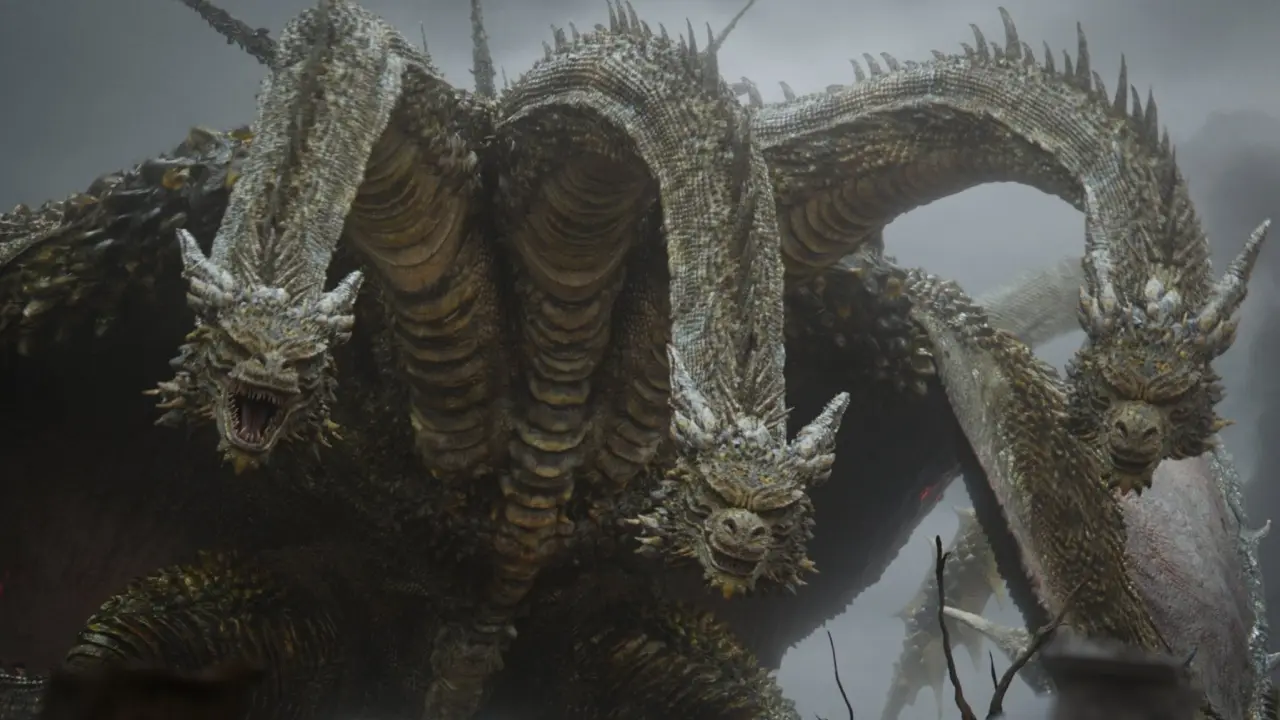
Ryunosuke Kamiki returns as Kōichi Shikishima, who is trying to move forward with his wife Noriko (Minami Hamabe) and their adopted daughter Akiko. However, the emergence of a new monster, Ghidorah, brings fresh danger to the country. As the creature unleashes destruction across Japanese cities, the authorities and scientists begin working on a way to stop it.
Trending Stories


With Hidetaka Yoshioka returning as Kenji Noda, the team faces an unprecedented challenge as conventional attempts to defeat the monster prove unsuccessful. Meanwhile, Godzilla's return introduces another dangerous possibility: pitting the two monstrous forces against each other.
As Japan faces another fight for survival, Shikishima finds himself caught between protecting his family and confronting a threat that could leave the country with nothing.
What works?
One of the biggest strengths of Godzilla Minus Zero is its visual spectacle. Takashi Yamazaki once again demonstrates his ability to bring enormous creatures to life while making their presence feel genuinely threatening. The destruction sequences are particularly effective, creating a sense of scale and danger that keeps the audience invested. The aerial action and monster confrontations are among the film's biggest attractions. The larger IMAX presentation also gives these moments an added sense of scale.

The sequel benefits from bringing back Shikishima, Noriko and Akiko. Their family dynamic gives the larger conflict a personal dimension. Rather than presenting survival as merely a matter of defeating a monster, the film explores what it means to have something worth returning to.
Akiko's presence is especially important to Shikishima's character development. His understanding of heroism and responsibility has changed, and the sequel uses that transformation to build its emotional foundation. Ryunosuke Kamiki once again brings emotional weight to Shikishima. Minami Hamabe adds continuity to Noriko's journey, while the supporting cast contributes to the film's larger ensemble narrative. Their performances help ground the story even when the monster spectacle takes centre stage.
What does not work?
The biggest problem with Godzilla Minus Zero is its length and pacing. While the film opens with an effective display of destruction, the narrative gradually becomes weighed down by lengthy conversations, planning sessions and repeated discussions about how to tackle the threat. For a film carrying Godzilla's name, audiences naturally expect the titular monster to be a significant presence. However, the human drama occasionally takes precedence over the creature itself.
The film's exploration of grief, guilt and post-war trauma is meaningful, but it sometimes pushes these themes too heavily. The characters repeatedly find themselves confronting similar emotional questions, which reduces the impact of certain scenes.
The previous film managed to balance its emotional storytelling with its monster-driven narrative more effectively.
Final verdict
Godzilla Minus Zero is an sequel that understands the emotional and historical foundations of the franchise but does not always get its balance right. Takashi Yamazaki delivers impressive visual effects, destructive monster sequences and a story that continues to explore the consequences of war. The returning characters also give the film an emotional connection that makes the larger conflict more meaningful.
However, its uneven pacing, lengthy dramatic portions and limited monster appearances prevent it from becoming as consistently engaging as Godzilla Minus One. The film has plenty of spectacle, but it occasionally gets too caught up in its emotional ambitions.
For Godzilla fans, the monster confrontations and large-scale visuals make it worth watching on the biggest screen possible. Nevertheless, those expecting the same combination of emotional storytelling and tightly constructed action as the previous film might find this sequel slightly underwhelming. Overall, it's a visually impressive and emotionally ambitious sequel that delivers on spectacle but struggles with its storytelling balance.

