Why is Dimona — Israel's nuclear site hit by Iran — called ‘Little India’?

&imwidth=600&imheight=450&format=webp&quality=medium "Why is Dimona — Israel's nuclear site hit by Iran — called ‘Little India’?")
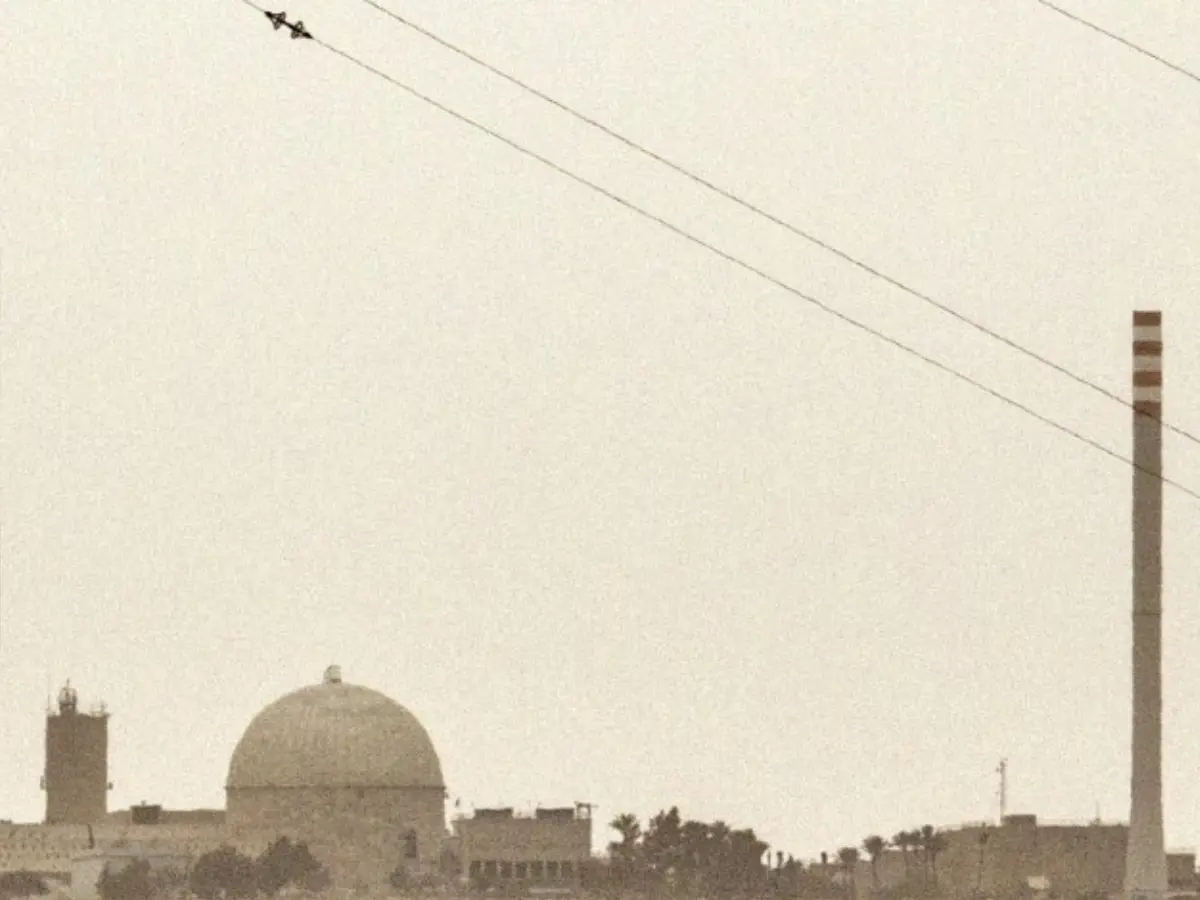
Israel's Dimona nuclear site Photograph: (AFP)
Iranian missiles hit Dimona and Arad, injuring over 100 after air defences failed. Dimona, dubbed “Little India” for its Indian-origin Jewish community, hosts Israel’s nuclear hub. International Atomic Energy Agency said no damage was detected.
Iranian missile strikes hit two southern Israeli towns - Dimona and Arad - on Saturday night (Mar 21) and wounded more than 100 people. The attack happened after Israeli air defence systems failed to intercept the projectiles. Iranian state TV said that the missile attack on Dimona, which houses a nuclear facility, was a "response" to an earlier strike on its own nuclear site at Natanz. Interestingly, Dimona is nicknamed "Little India." Dimona is also home to Israel’s nuclear programme.
Why is it called ‘Little India’?
Dimona is nicknamed “Little India” because it is home to a large community of Indian-origin Jews, particularly from the Bene Israel community, many of whom trace their roots to Maharashtra. Over the decades, thousands of Indian Jews from Maharashtra migrated to Israel and settled in the city, forming a close-knit and culturally vibrant population. It is also widely known as the centre of Israel’s nuclear activities, housing the Negev Nuclear Research Center. Located in the Negev desert, the highly secretive facility has long been associated with Israel’s undeclared nuclear programme and is considered one of the country’s most sensitive strategic sites. Over the decades, Dimona has remained at the heart of international scrutiny and regional tensions.
Iran-Israel escalation continues
Trending Stories
)
)
)
)
)
)
)
)
)
)
)
)
)
)
)
)
)
)
)
)
)
)
)
)
)
)
)
)
)
)
)
)
)
)
&im=FitAndFill=(700,400))
)
)
)
)
Iran has fired repeated barrages of missiles at Israel daily in retaliation for the US-Israeli attacks that started on February 28. Israeli Prime Minister Benjamin Netanyahu vowed to continue striking Iran and its allies after what he called a “very difficult evening.” The Israeli military said it would investigate the failed interception. "The air defence systems operated but did not intercept the missile, we will investigate the incident and learn from it," military spokesman Brigadier General Effie Defrin wrote on X.
Meanwhile, US President Donald Trump issued a 48-hour ultimatum demanding that it fully reopen the strategically important Strait of Hormuz. In a strongly worded statement, Trump warned that failure to comply would trigger US strikes on Iran’s power infrastructure, signalling a potential widening of the war with major global energy and security implications.
IAEA flags no damage to nuclear facility
The International Atomic Energy Agency (IAEA) said it did not receive any indication of damage to the nuclear research centre Negev in Israel. In a post on X, the IAEA said, "The IAEA is aware of reports of an incident in the city of Dimona, Israel, involving a missile impact and has not received any indication of damage to the nuclear research centre Negev. Information from regional States indicates that no abnormal radiation levels have been detected." Director General of the IAEA, Rafael Mariano Grossi, called for maximum military restraint. "Closely monitoring the situation, Director General Rafael Grossi stressed that 'maximum military restraint should be observed, in particular in the vicinity of nuclear facilities."
(Disclaimer: WION takes utmost care to accurately and responsibly report ongoing conflicts in West Asia involving Israel, Iran, US, Gulf nations and non-state actors like Hezbollah, Hamas, Houthis, Islamic State, and others. Claims and counterclaims, disinformation and misinformation are being made online and offline. Given this context, WION cannot independently verify the authenticity of all statements, social media posts, photos and videos.)

