'Any violation by enemy...': Iran issues first response to Trump's 'will obliterate power plants' threat

Donald Trump issued a 48-hour ultimatum to reopen the Strait of Hormuz, warning of strikes on Iran. Tehran threatened regional infrastructure, while Dimona was hit in retaliation, escalating the conflict.
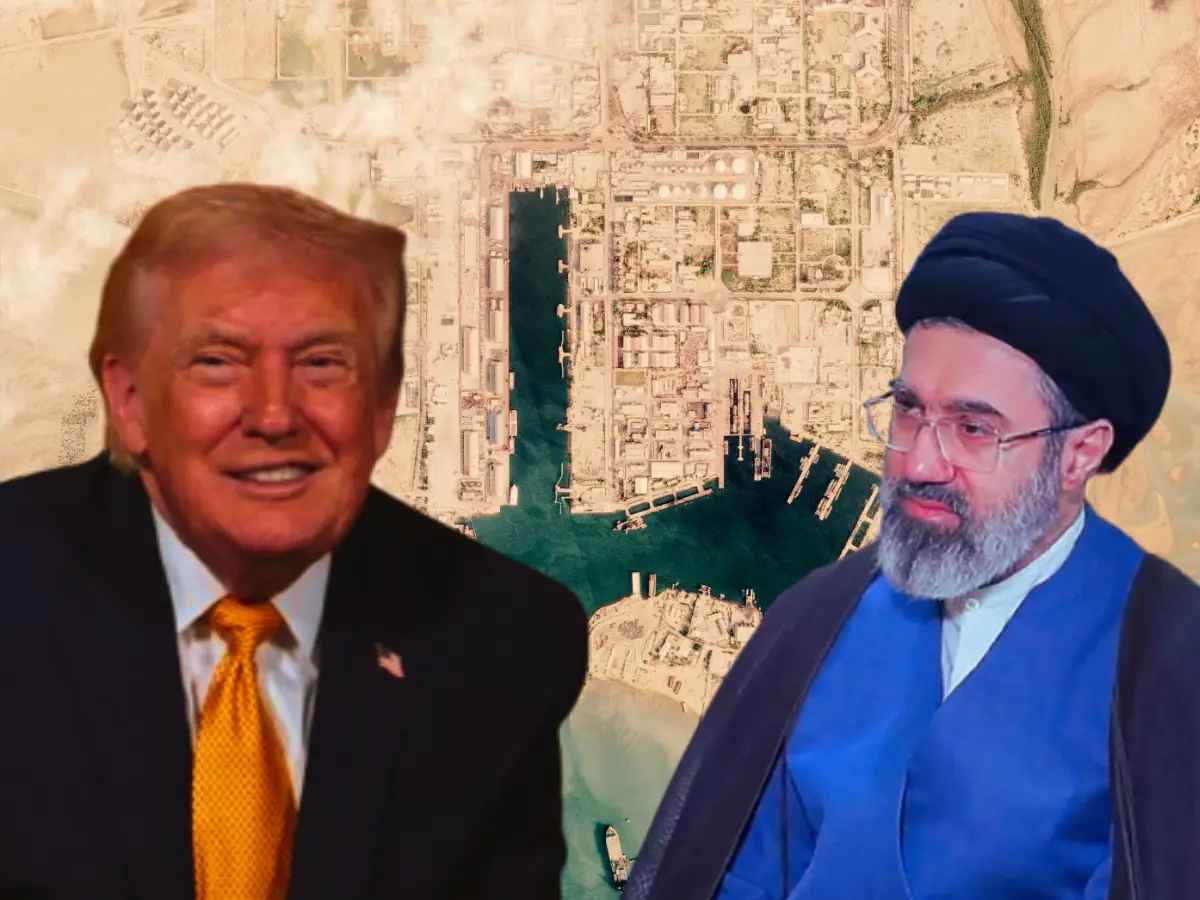
Iran responds to Trump's threat
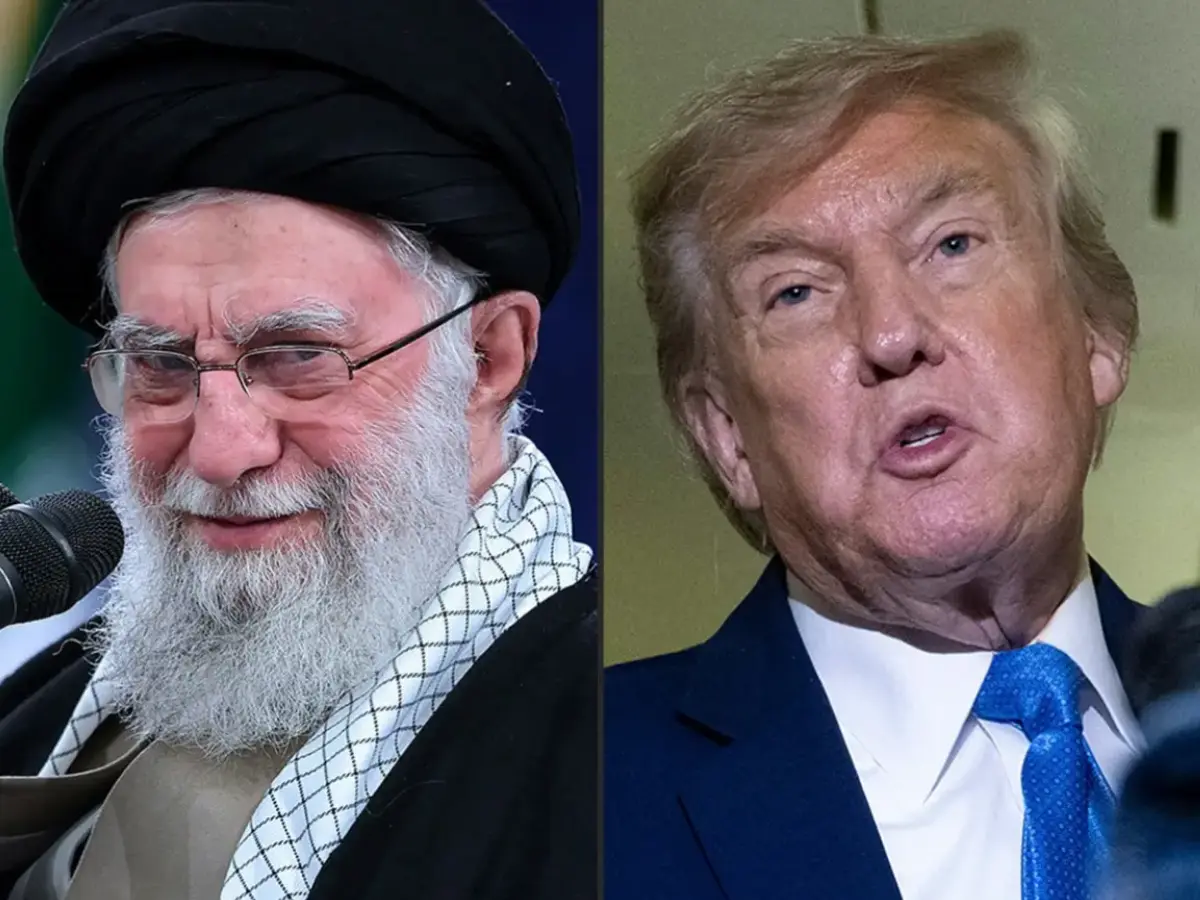
In its first response after US President Donald Trump's threat, Iran's military on Sunday (Mar 22) renewed threats against the region's infrastructure. This comes minutes after the US president vowed to "obliterate" power plants in the Islamic republic if the Strait of Hormuz is not swiftly reopened. "Following previous warnings, if Iran's fuel and energy infrastructure is violated by the enemy, all energy, information technology and desalination infrastructure belonging to the US and the regime in the region will be targeted," the Iranian military's operational command Khatam Al-Anbiya said in a statement carried by Fars news agency. Trump gave Iran a 48-hour deadline to open the strategic route in the Gulf to shipping traffic after its blockage amid raging war.
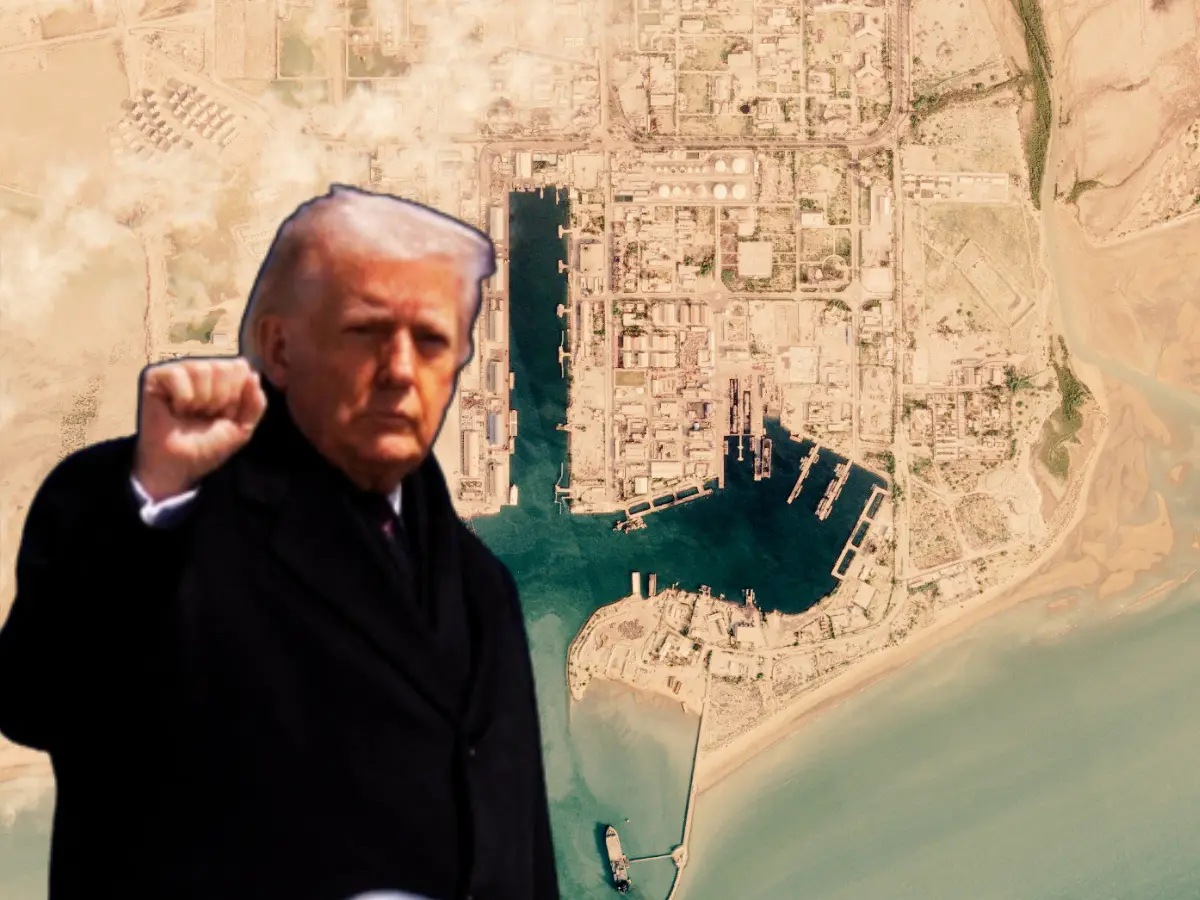
What Trump warned?
In a Truth Social post, US President Donald Trump gave Iran 48-hour ultimatum demanding that it fully reopen the strategically important Strait of Hormuz. In another post, Trump ruled out any possibility of negotiation with the Iranians. "If Iran doesn’t FULLY OPEN, WITHOUT THREAT, the Strait of Hormuz, within 48 HOURS from this exact point in time, the United States of America will hit and obliterate their various POWER PLANTS, STARTING WITH THE BIGGEST ONE FIRST," Trump wrote in a Truth Social post. In another post, he claimed, “The United States has blown Iran off of the map…Their leadership is gone, their navy and air force are dead, they have absolutely no defense, and they want to make a deal. I don’t! We are weeks ahead of schedule.”
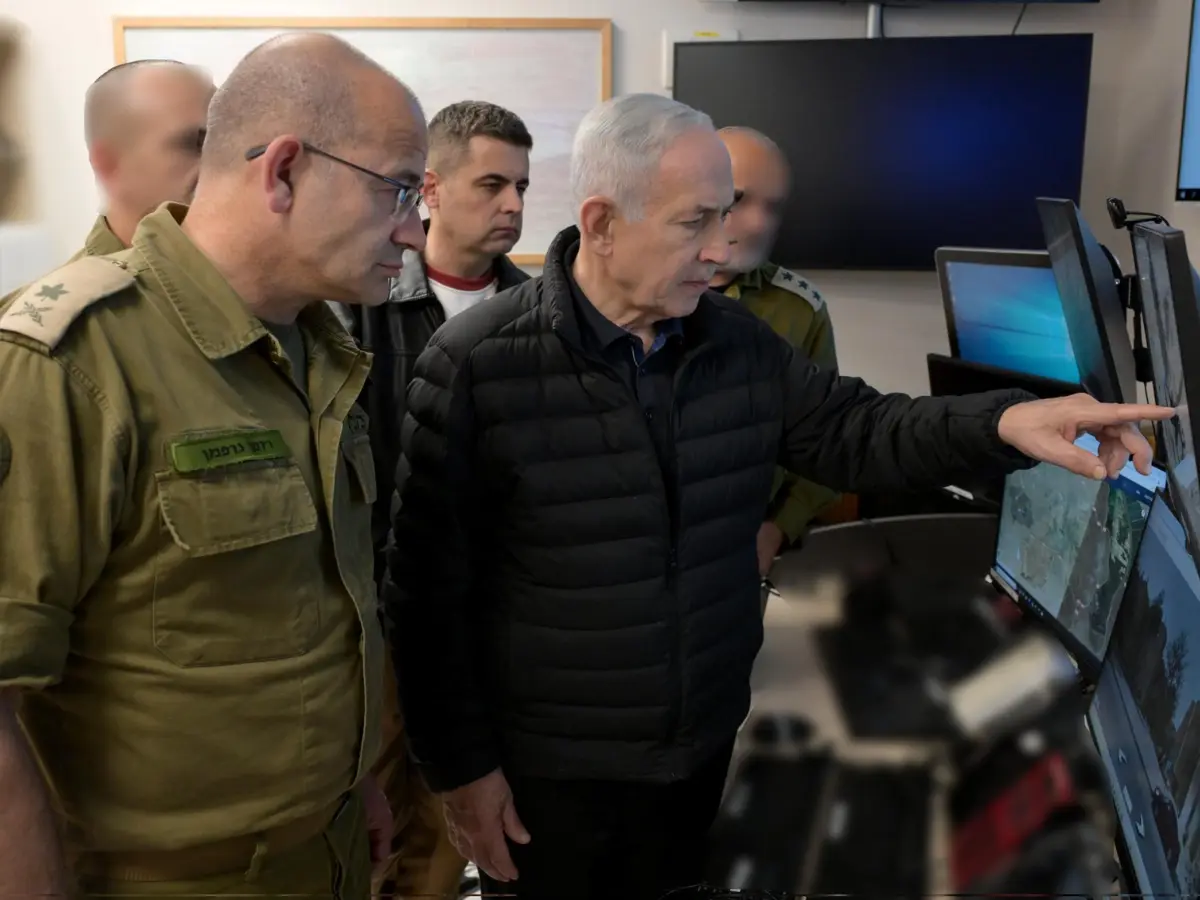
Netanyahu says it is a 'very difficult evening'
Meanwhile, Israeli Prime Minister Benjamin Netanyahu vowed to continue striking Iran after what he called a "very difficult evening", as two direct missile hits in southern Israel left scores wounded. His office also shared a image of him in which he is receiving update on the rocket incident in Arad at the situation room. "This is a very difficult evening in the battle for our future," Netanyahu said in a statement. “We are determined to continue striking our enemies on all fronts,” he added. Soon after Netanyahu's statement, the Israeli military said that its forces launched a wave of strikes on Tehran. A brief statement said Israeli forces were “currently conducting strikes on Iranian terror regime targets in the heart of Tehran.”
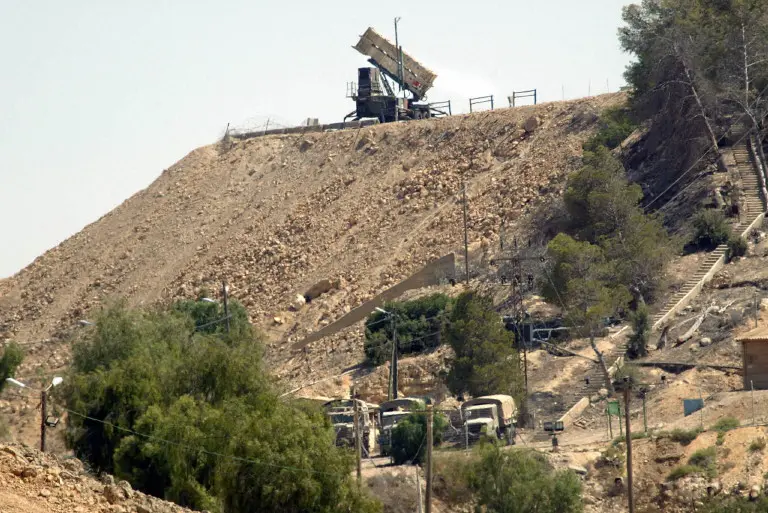
Iran hits Israeli town housing nuclear facility in retaliation for Natanz strike
Iranian ballistic missiles struck the southern Israeli city of Dimona, which houses the Shimon Peres Negev Nuclear Research Center. At least 47 people were injured in Dimona, including a 12-year-old boy in serious condition due to shrapnel. A day ago, the Natanz nuclear facility in Iran was hit by a series of airstrikes. While Iranian state media attributed the attack to a joint US-Israeli operation, the Israeli military stated it was "unaware" of such a specific strike
How did the war begin and what's ahead?
The war in Iran began on Feb 28 when Israel and the United States launched "pre-emptive" strikes on Iran amid ongoing nuclear negotiations between Tehran and Washington. A day after, Iran's Supreme Leader Ayatollah Ali Khamenei was killed. As tensions escalated, Iran launched retaliatory strikes on all neighbouring Gulf countries that had US bases, justifying it as an attack on “American territory.” Tehran also launched missiles and drones at Israel and has ruled out any possibility of talks with the Americans, calling them out for their “betrayal” during the nuclear negotiations. In the past 20 days, several top Iranian leaders including its security chief Ali Larijani has been killed. Iran has chosen Ali Khamenei's son Mojtaba Khamenei as its new Supreme Leader.
US President Donald Trump has ruled out negotiations despite declaring victory in the war. Iran has said that they are not negotiating about ceasefire with the Americans. Amid this, oil and energy supplies are being hit prompting worldwide chaos. Strait of Hormuz, the strategic chokepoints in the navigation route for oil and energy transport has became dangerous with Iran attacking ships that passes the Strait without its prior approval and Trump urging other nations to help the US secure the route. While Trump is under the scanner for the reasons of this war and the endgame plan, Israel Prime Minister Benjamin Netanyahu has asserted that Iranians can bring the regime down and Israeli attacks will continue.
(Disclaimer: WION takes utmost care to accurately and responsibly report ongoing conflicts in West Asia involving Israel, Iran, US, Gulf nations and non-state actors like Hezbollah, Hamas, Houthis, Islamic State, and others. Claims and counterclaims, disinformation and misinformation are being made online and offline. Given this context, WION cannot independently verify the authenticity of all statements, social media posts, photos and videos.)
)
)
)
)
)