Why the Su-30MKI uses a giant air brake on its back instead of its wings

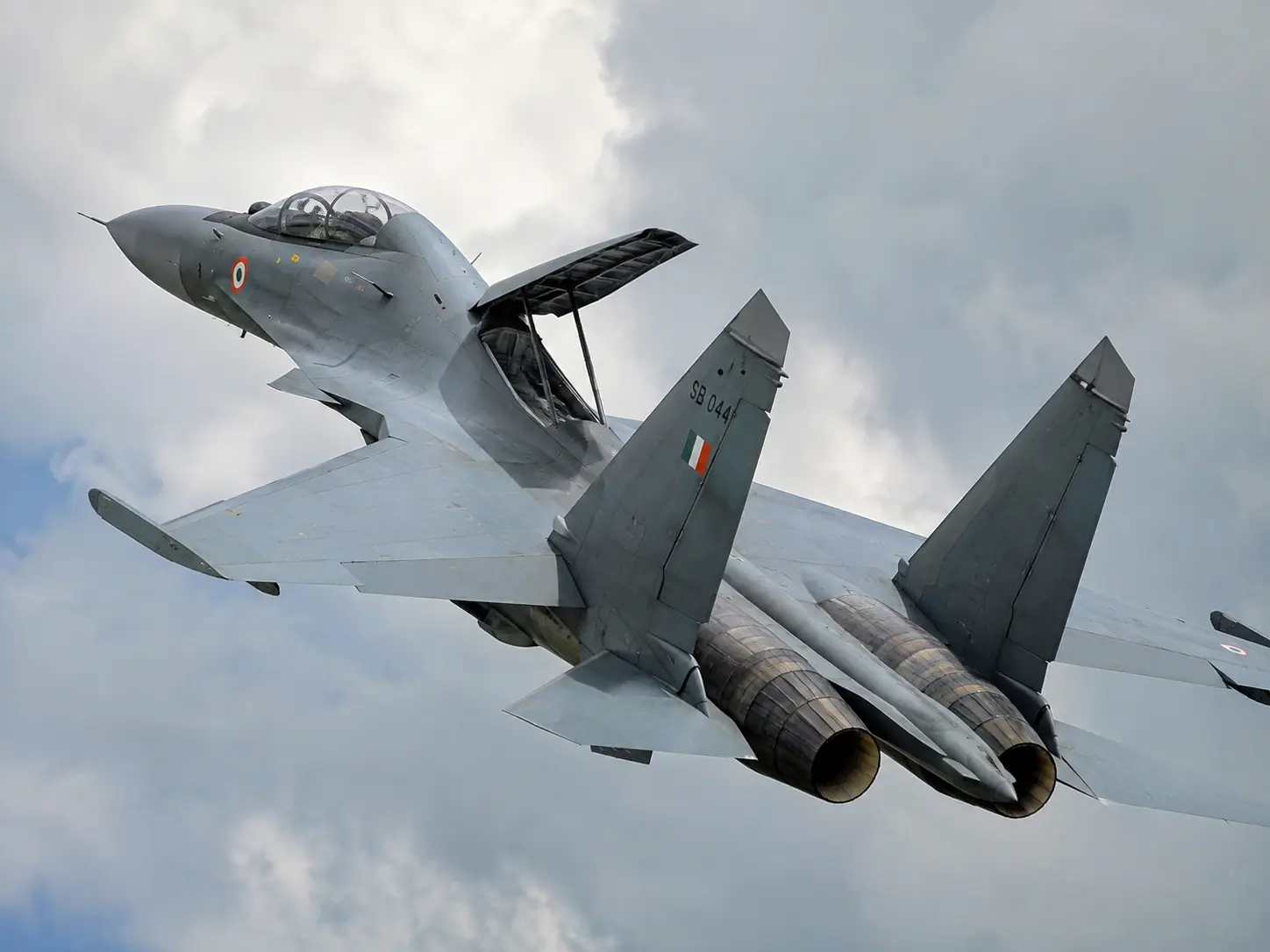
The Su-30MKI uses a dorsal air brake on its back instead of wing spoilers to preserve wing lift, protect internal fuel space, and ensure safe weapon launches from its 12 hardpoints.
Zero Wing Lift Disruption
Placing the air brake on the upper fuselage allows the fighter to keep its wings completely smooth. Wing-mounted spoilers actively disrupt airflow and reduce lift when deployed. The dorsal air brake helps the jet decelerate sharply while preserving vital aerodynamic lift across the wings.
12 External Weapon Hardpoints
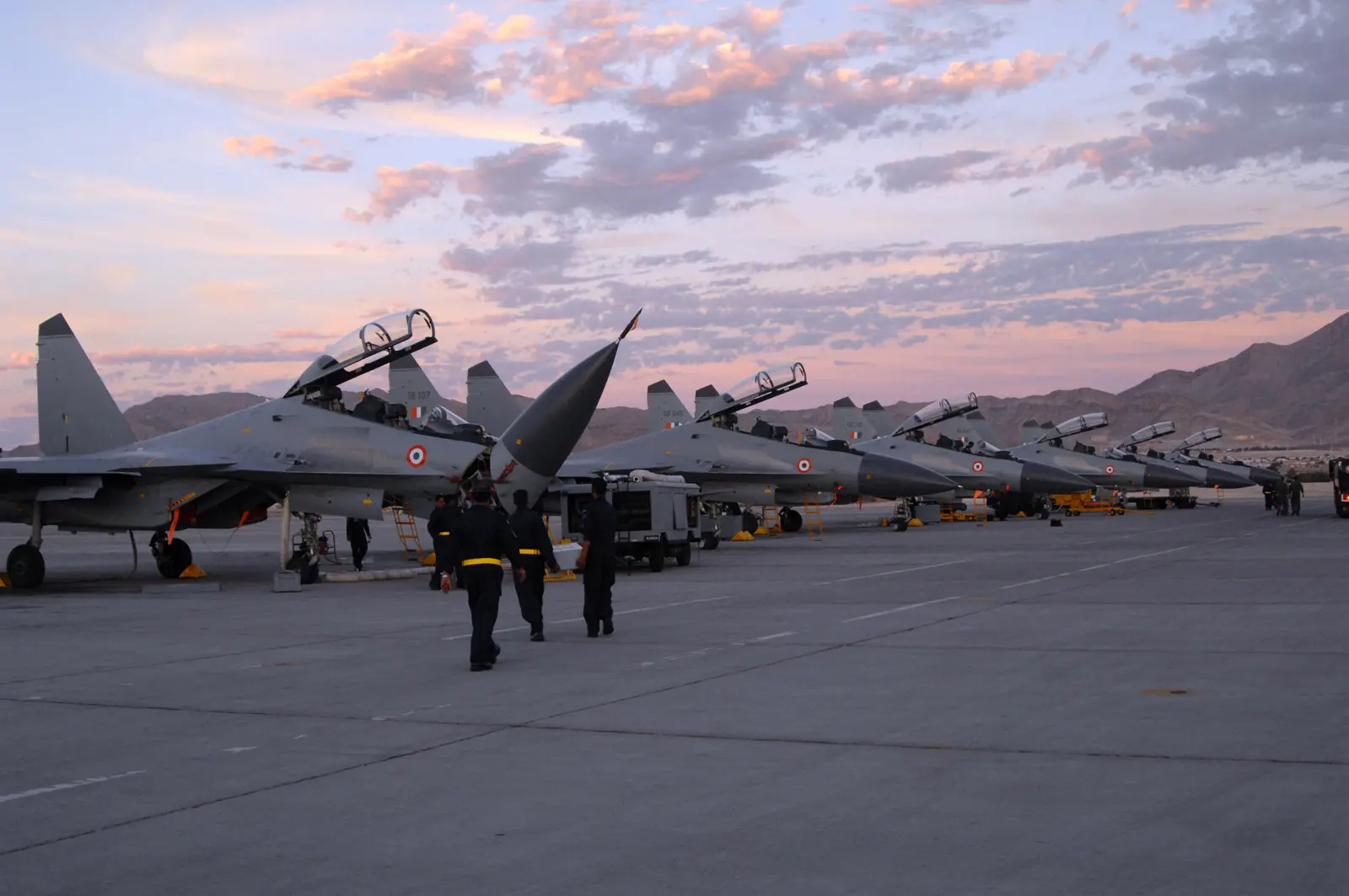
The heavy fighter relies heavily on its wings to carry weapons, utilising 12 external hardpoints for missiles and bombs. Wing-mounted air brakes would create turbulent airflow that could dangerously disrupt the launch of munitions. The dorsal position guarantees zero aerodynamic interference during weapon release.
3,000 Kilometre Flight Range
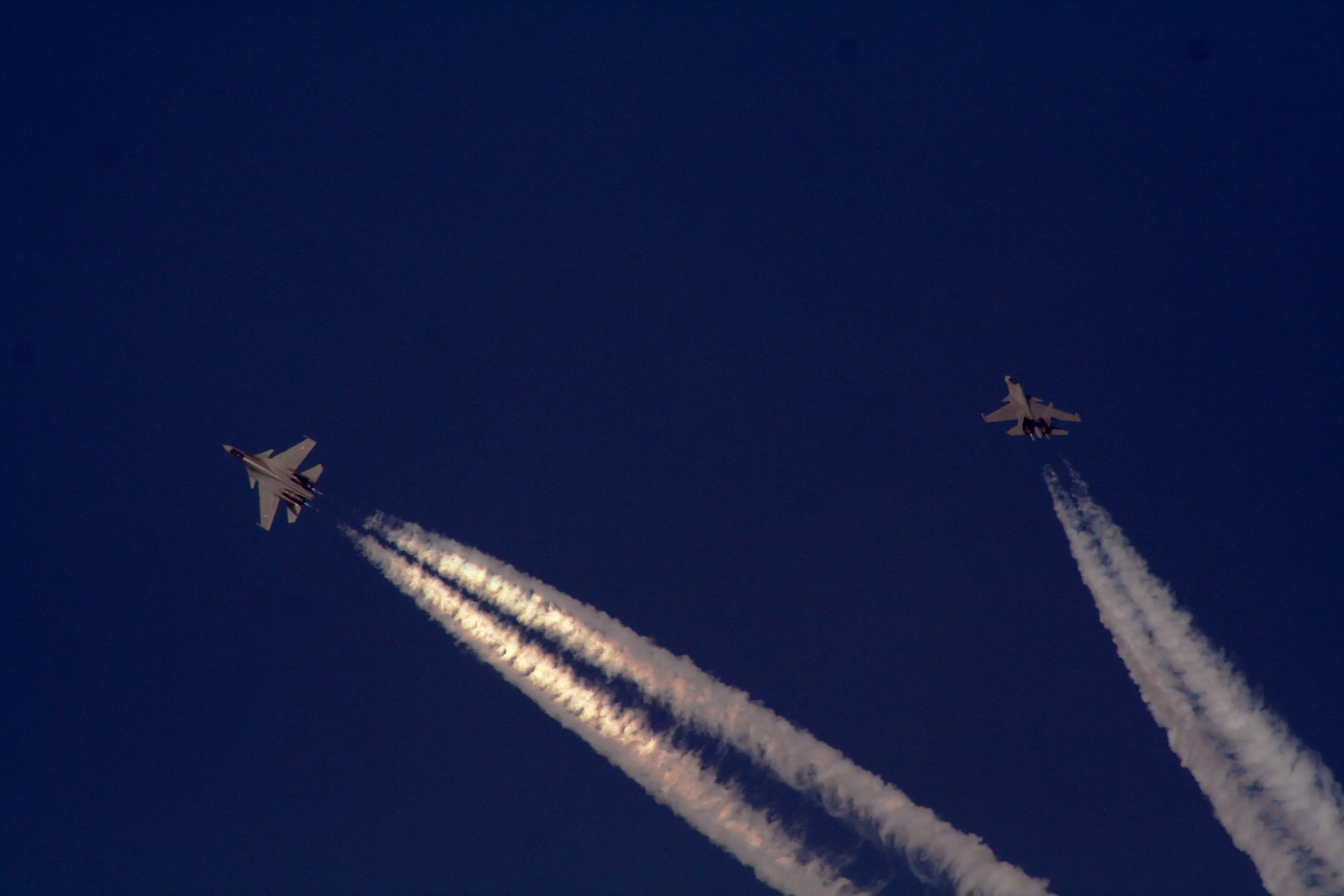
The aircraft carries a massive volume of aviation fuel internally, granting it an unrefuelled flight range of 3,000 kilometres. Fitting complex hydraulic air brake mechanisms into the wings would permanently reduce this crucial storage space. The spine-mounted brake protects this internal volume for extended missions.
100 Per Cent Pitch Stability
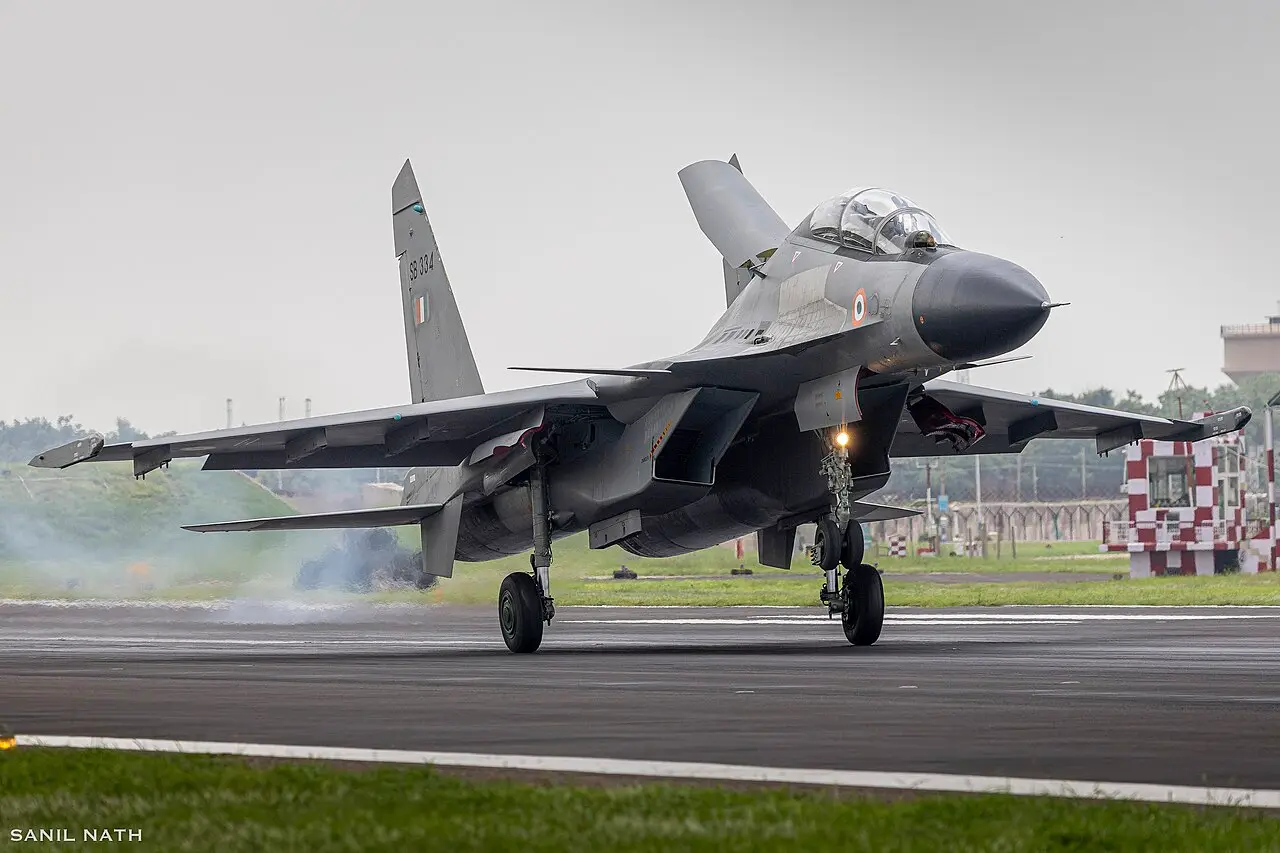
The massive dorsal air brake is strategically located near the aircraft's natural centre of gravity behind the canopy. This central placement ensures that deploying the brake creates perfectly symmetrical drag across the airframe. It guarantees 100 per cent stability and prevents sudden pitch changes during rapid deceleration.
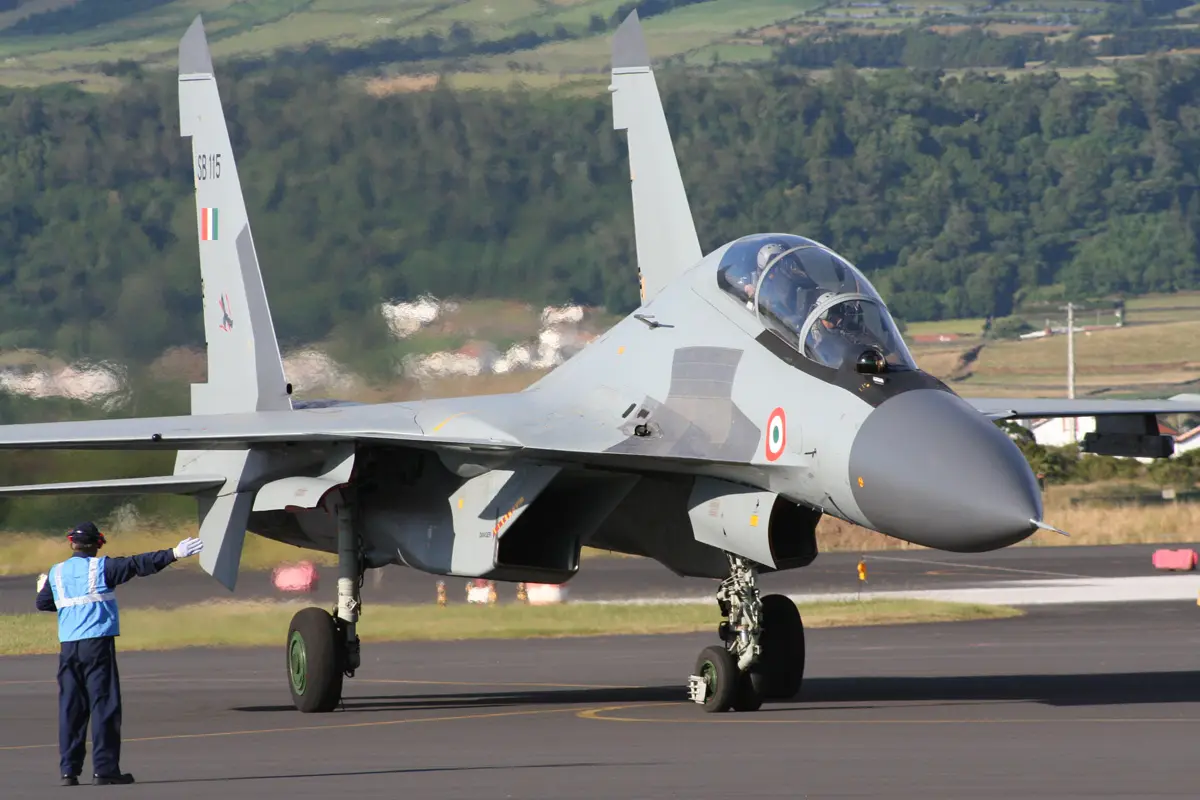
Stopping 38,800 kg Jets
The Su-30MKI is a heavy air superiority fighter with a massive maximum take-off weight of 38,800 kilogrammes. Slowing down such a heavy aircraft mid-air requires immense aerodynamic drag. The large metal panel that flips up on the spine acts as a giant aerodynamic shield to provide this stopping power.
)
)
)
)
)