Why the glass canopy on the Su-30MKI has a distinct golden tint

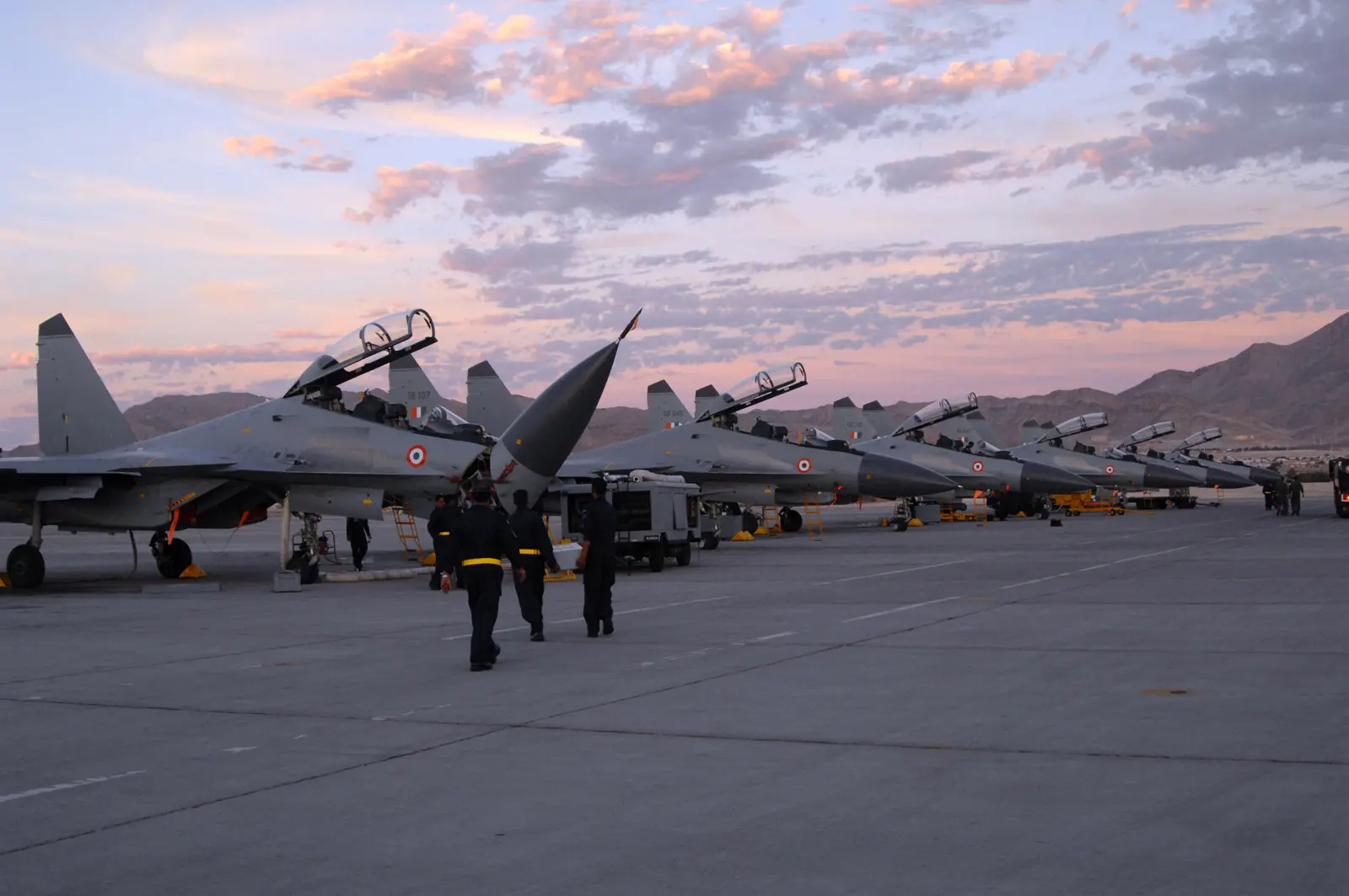
Unlike stealth jets, the Su-30MKI uses a clear canopy without a golden Indium Tin Oxide tint. This design maximises night vision clarity, reduces maintenance, and suits 4th-gen combat needs.
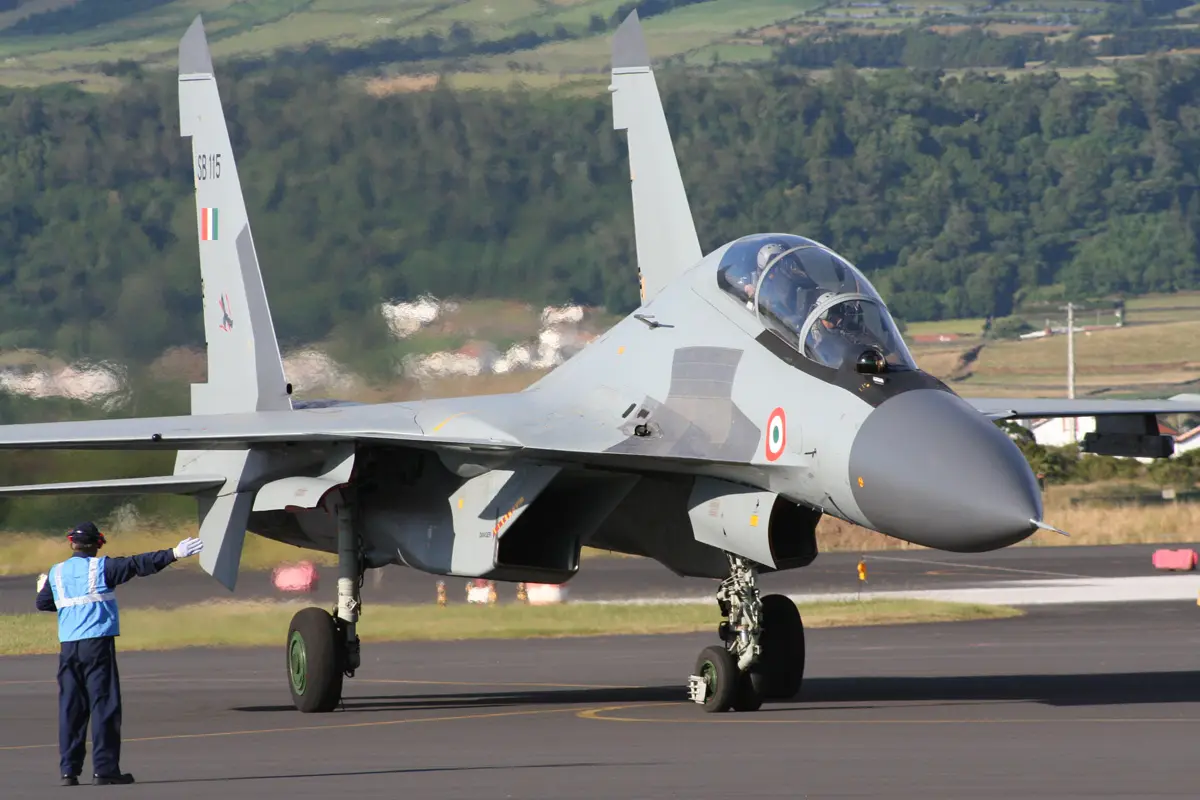
Skipping The 90:10 ITO Coating
Stealth fighters use a 90:10 weight ratio of Indium Tin Oxide on their canopies to deflect enemy radar. However, the Su-30MKI entirely avoids this golden metallic tint. As a fourth-generation aircraft, it prioritises supermanoeuvrability and heavy payload capacity over absolute radar invisibility.
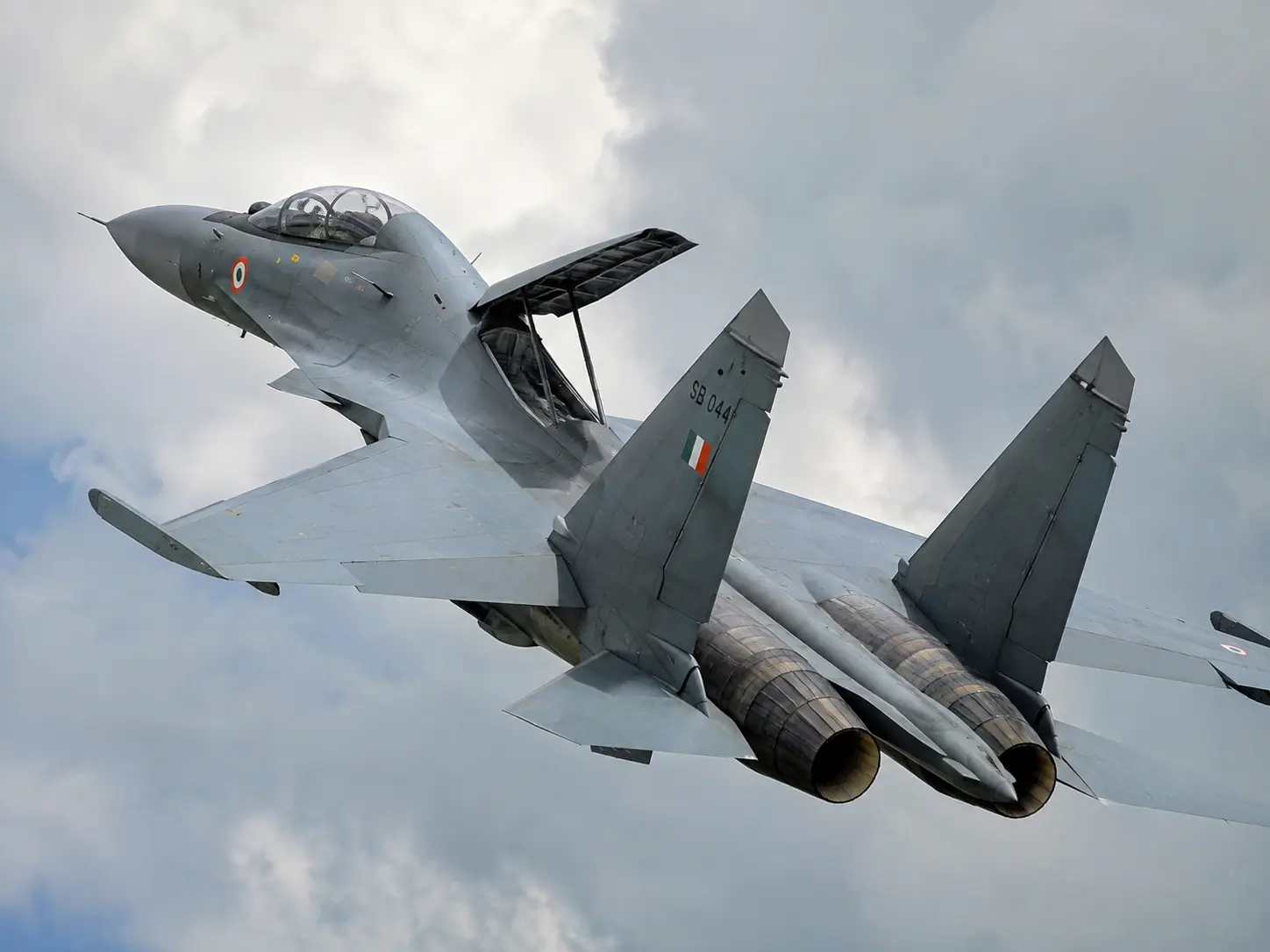
Ensuring 100 Per Cent Vision
Metallic canopy tints actively block specific light wavelengths, which can noticeably reduce natural visibility during dusk or dawn. The Su-30MKI uses a completely clear, advanced transparent material instead. This practical design ensures the two-man crew maintains 100 per cent optical clarity during complex aerial dogfights.
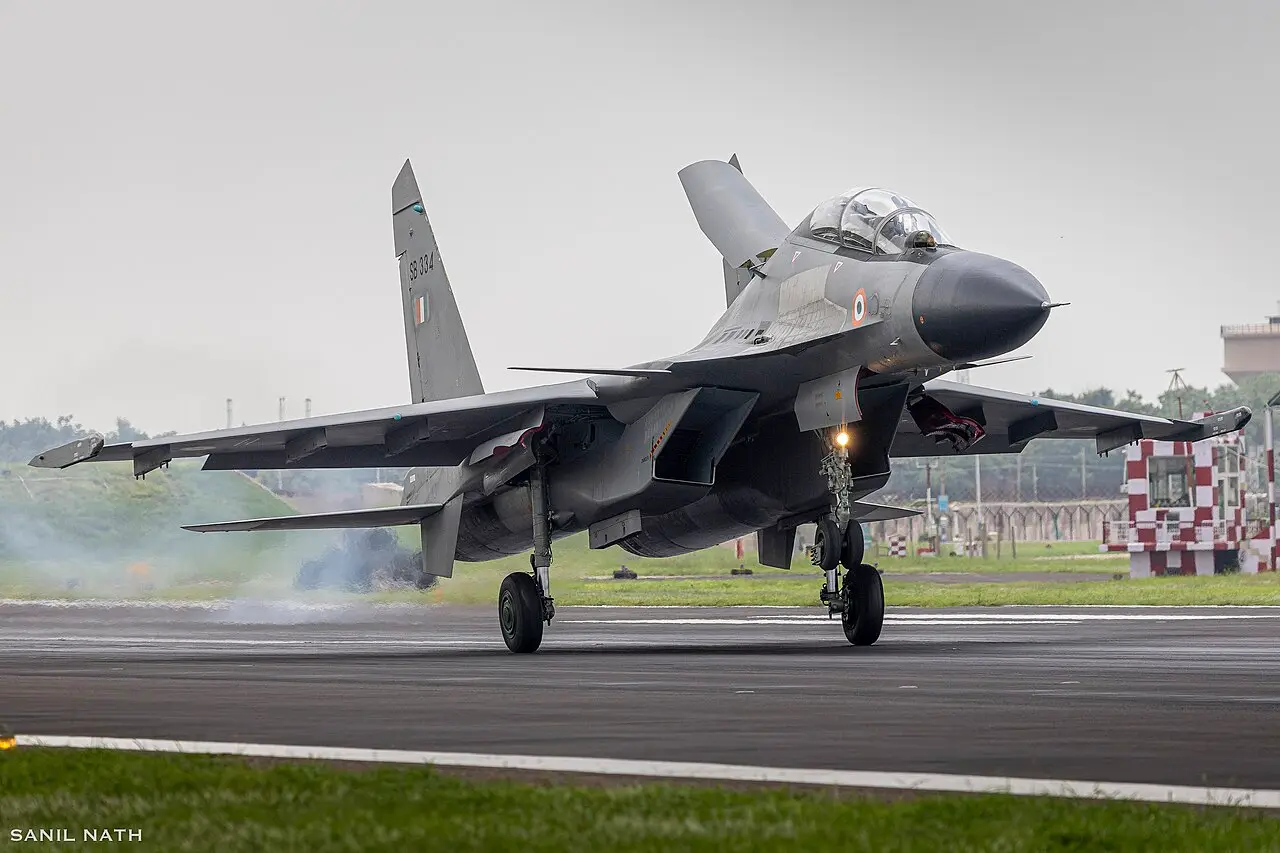
Enhancing 24-Hour Combat Optics
Indian Air Force pilots routinely execute combat missions in complete darkness using highly sensitive night vision goggles. A clear canopy allows maximum ambient starlight to safely enter the cockpit. This guarantees that night vision sensors operate flawlessly without any visual interference from a reflective golden film.
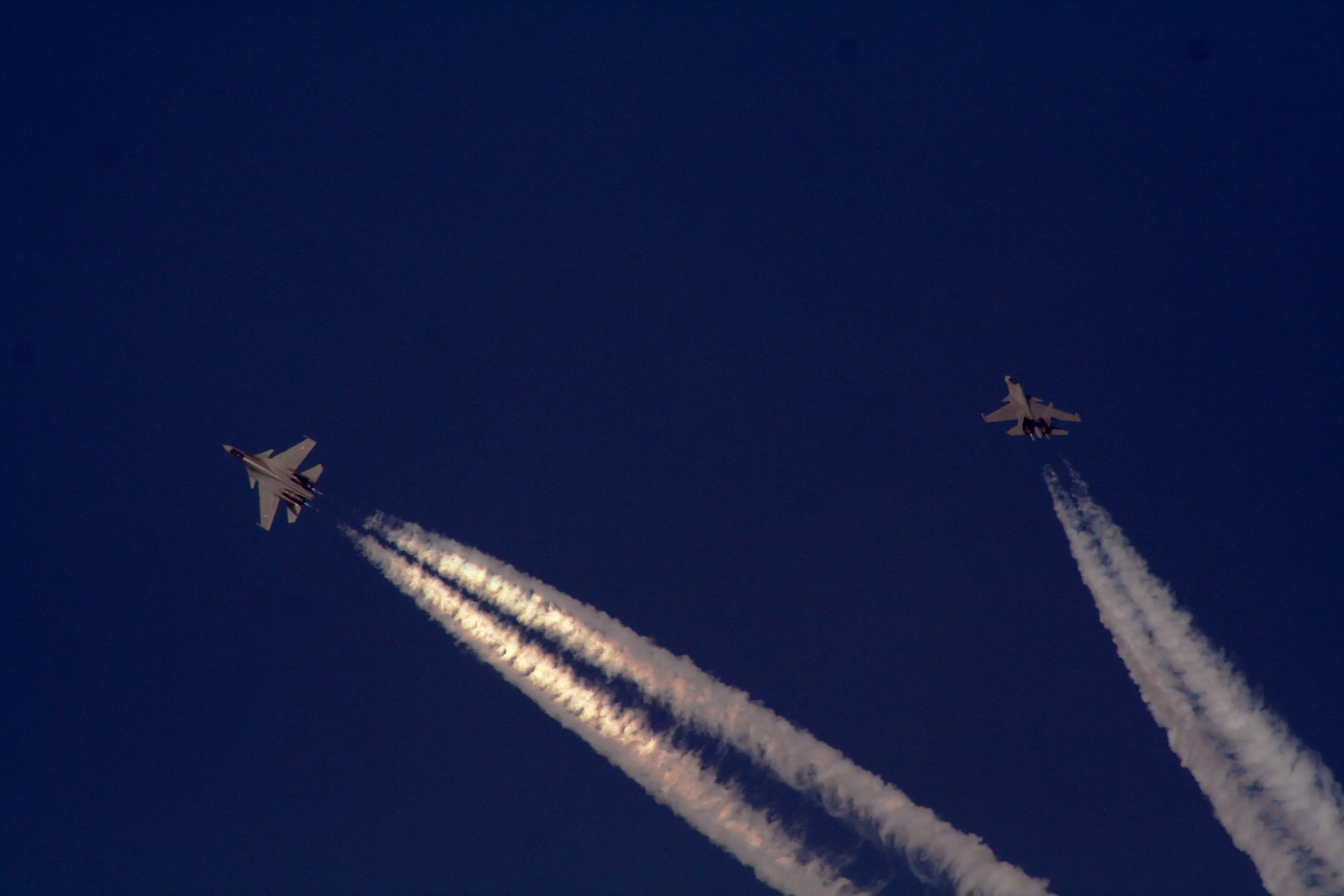
Securing A 30-Year Lifespan
Applying a microscopic radar-deflecting metallic film to a large canopy is structurally fragile and highly susceptible to rapid wear. By using un-tinted, crack-resistant transparent materials, Hindustan Aeronautics Limited significantly reduces fleet upkeep expenses. This ensures the canopy safely lasts throughout the jet's 30-year service life.
Hiding A 38,800 kg Fighter
Instead of using golden canopies to hide the massive 38,800-kilogramme fighter, the Indian Air Force employs alternative radar reduction methods. According to defence researchers, engineers actively apply polyurethane-based Radar Absorbing Material paint to high-reflection areas like the air intakes to effectively reduce the jet's overall radar cross-section.
)
)
)
)
)