US Supreme Court allows Trump administration to resume third-country deportations for now

&imwidth=600&imheight=450&format=webp&quality=medium "US Supreme Court allows Trump administration to resume third-country deportations for now")
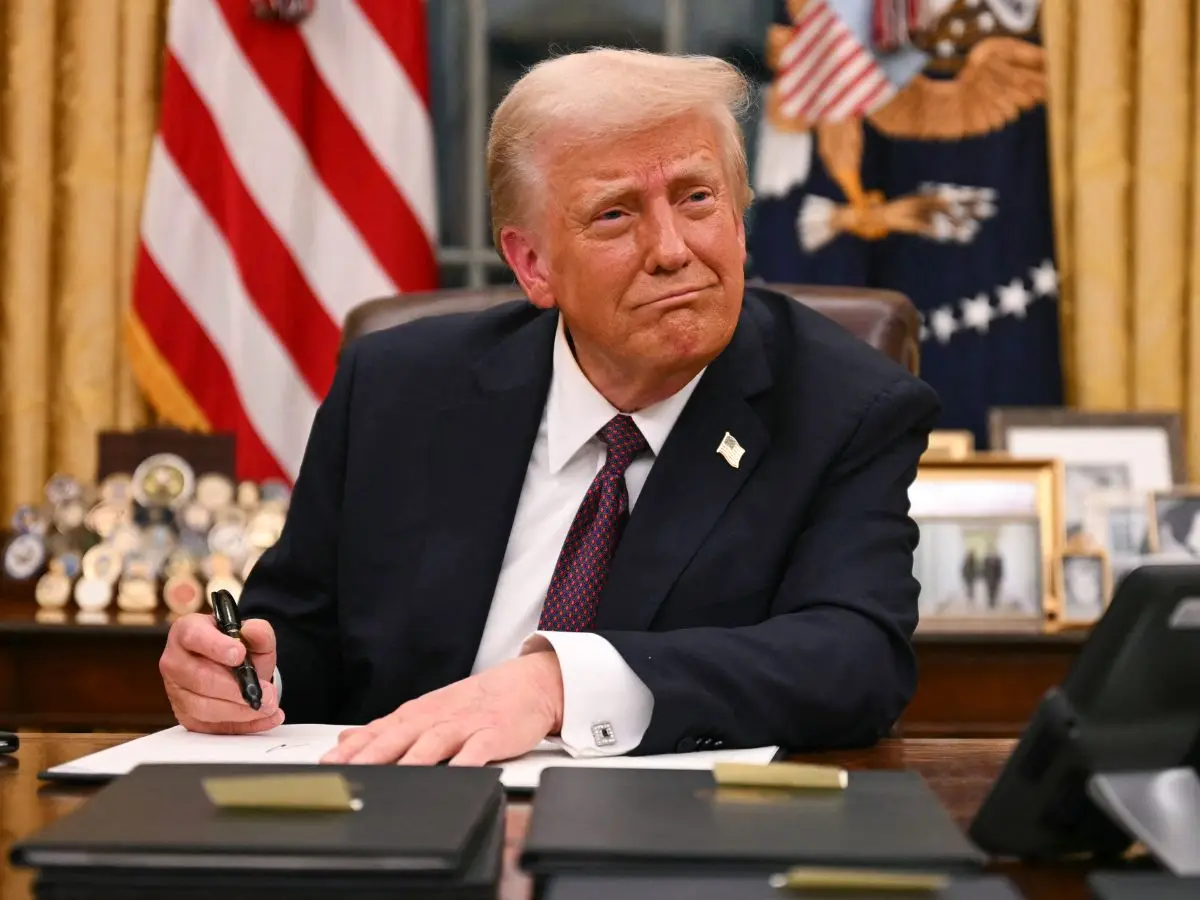
US Supreme Court allows Trump administration to resume third-country deportations for now Photograph: (AFP)
The US Supreme Court has temporarily allowed the Trump administration to resume deporting migrants to countries other than their own. The court did not rule on the policy’s legality and is set to hear arguments in December over whether such deportations can proceed under the circumstances
The US Supreme Court has temporarily allowed President Donald Trump’s administration to resume deporting migrants to countries other than their own. This comes after a lower court order stated that they be given an opportunity to object before being transferred. However, the SC order did not rule if the policy is lawful. Instead, the Supreme Court will hear arguments in December on whether the administration can deport people to third countries under the circumstances at issue.
The Trump administration had told the Supreme Court last week that the lower court order had forced it to cancel a deportation flight carrying about 70 people who were due to be sent to three countries It defended sending migrants to third countries but stated that they cannot be returned to their home countries or when their governments will not accept them. Federal attorneys have said the policy can also cover people with criminal convictions. They argue that governments receiving the deportees provide assurances that the individuals will not be persecuted or tortured.
Attorney General Todd Blanche defended the policy in a social media post, calling it “an entirely lawful and critical tool for immigration enforcement.”
Attorneys representing migrants have challenged the policy on the grounds that some people are being sent to countries where they have no connection and where they could face serious danger. Trina Realmuto, executive director of the National Immigration Litigation Alliance and one of the lawyers representing immigrants in the case, criticised Tuesday’s order, according to AP. "The order has now allowed the administration to resume sending people to third countries where they may face persecution, torture, imprisonment, or other grave danger. But today’s order does not decide that the government’s policy is lawful. The Court will hear that question on an expedited schedule,” said Trina Realmuto, executive director of the National Immigration Litigation Alliance and one of the lawyers representing immigrants in the case.
)
)
)
)
)
)
)
)
)
)
)
)
)
)
)
)
)
)
)
)
)
)
)
)
)
)
)
)
)
)
)
)
)
)
&im=FitAndFill=(700,400))
)
)
)
)

