US detains woman allegedly spying on Taiwanese president's family for China

&imwidth=600&imheight=450&format=webp&quality=medium "US detains woman allegedly spying on Taiwanese president's family for China")
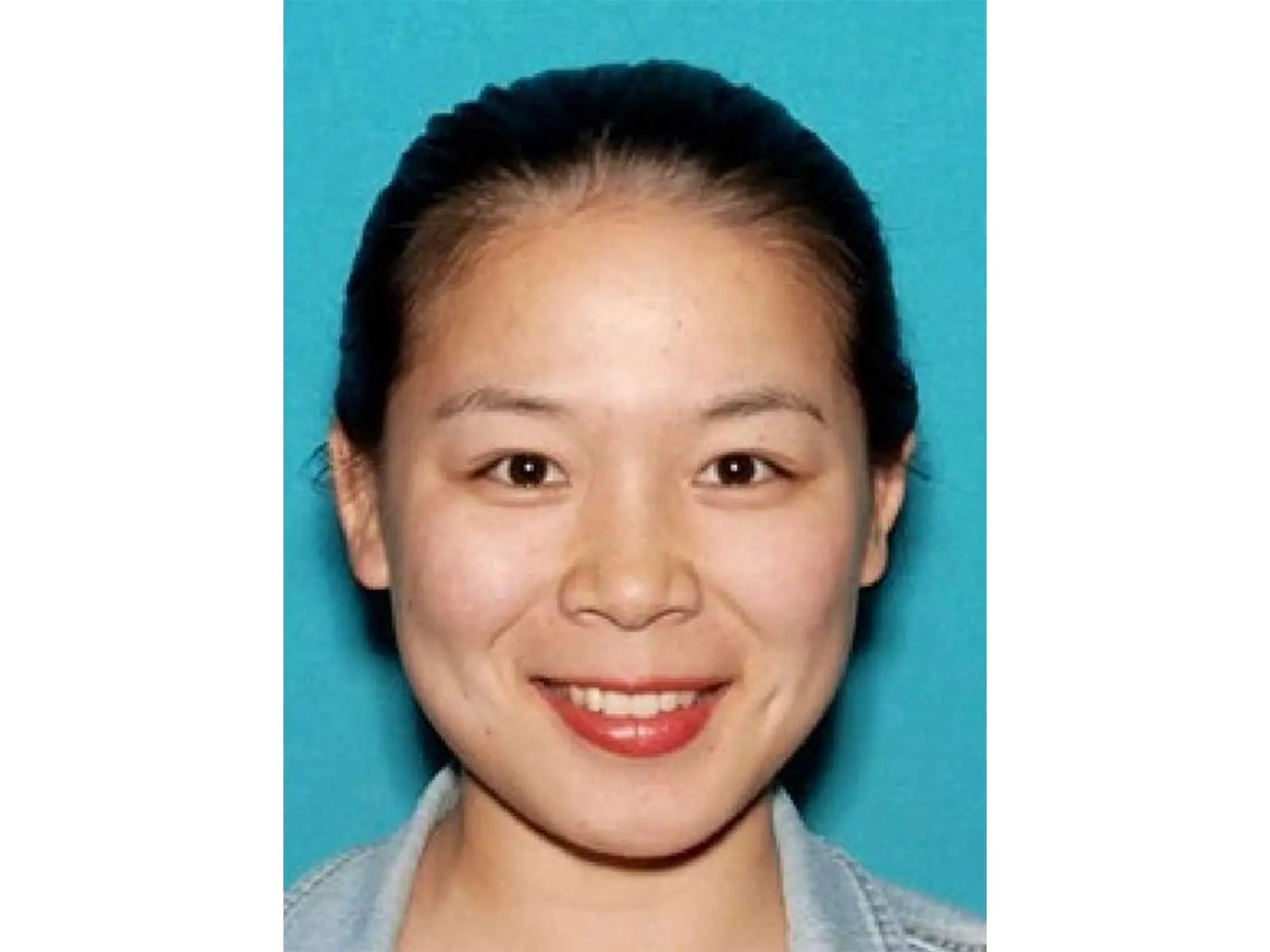
FBI detained Wanying Zhang at Los Angeles airport Photograph: (Credit: X/@USAttyEssayli)
US authorities have arrested a woman accused of spying on the family of Taiwan's president on behalf of the Chinese government, escalating national security and foreign espionage concerns.
A 34-year-old woman accused of spying for China on the family of Taiwanese President Lai Ching-te was arrested in the United States on Sunday (Oct 4), according to US and Taiwanese officials. The FBI detained Wanying Zhang at Los Angeles airport as she attempted to leave for China, First Assistant United States Attorney Bill Essayli said in a post on X. Zhang, who lives in Irvine, California, is accused of working as an unregistered agent of China and surveilling a "close relative of a Taiwanese government official" in the United States.
The FBI said on its rapid response account on X that Zhang allegedly monitored Lai's son and his family, filming their home and vehicles and passing information to handlers from the People's Republic of China. Essayli said Zhang travelled to Seattle in 2025 at the direction of Chinese officials and sent them photos, videos and license plate information. He added that she coordinated the trip with an associate and used tradecraft to avoid detection.
FBI Director Kash Patel welcomed the arrest, he said America is no longer a safe place for foreign adversaries to run espionage operations. Patel also questioned how anyone could allegedly surveil a foreign leader's family on US soil for the PRC and then try to catch a flight back to Shanghai.
Lai's office condemned what it called "barbaric acts" and confirmed that the president's family had been targeted. It described the case as one of "transnational repression." Presidential Office spokeswoman Karen Kuo said such behaviour should not be tolerated in the civilised world and thanked US judicial authorities for assisting and protecting Taiwanese citizens.
China claims Taiwan as part of its territory and has threatened to use force to annex the island. Lai, elected president in January 2024, has been an outspoken defender of Taiwan's sovereignty and is detested by Chinese leaders.
Taiwan's government has warned its citizens of growing risks to their safety in China and elsewhere since Beijing's ethnic unity law took effect in July. The Law on Promoting Ethnic Unity and Progress aims to forge a "shared" national identity among ethnic groups. Overseas campaigners argue it will further erode the rights of minorities such as Uyghurs and Tibetans, whom Beijing is accused of persecuting. They also point to a clause under which people can be held liable for violating the law even when outside China, saying it gives the Chinese government more justification for targeting its opponents abroad.
Trending Stories
)
)
)
)
)
)
)
)
)
)
)
)
)
)
)
)
)
)
)
)
)
)
)
)
)
)
)
)
)
)
)
)
)
)
&im=FitAndFill=(700,400))
)
)
)
)
Zhang is expected to make her initial appearance in federal court on Monday (Oct 5).

