Trump warns of ‘economic D-Day’ against Iran, but Tehran knows sanctions well

&imwidth=600&imheight=450&format=webp&quality=medium "Trump warns of ‘economic D-Day’ against Iran, but Tehran knows sanctions well")
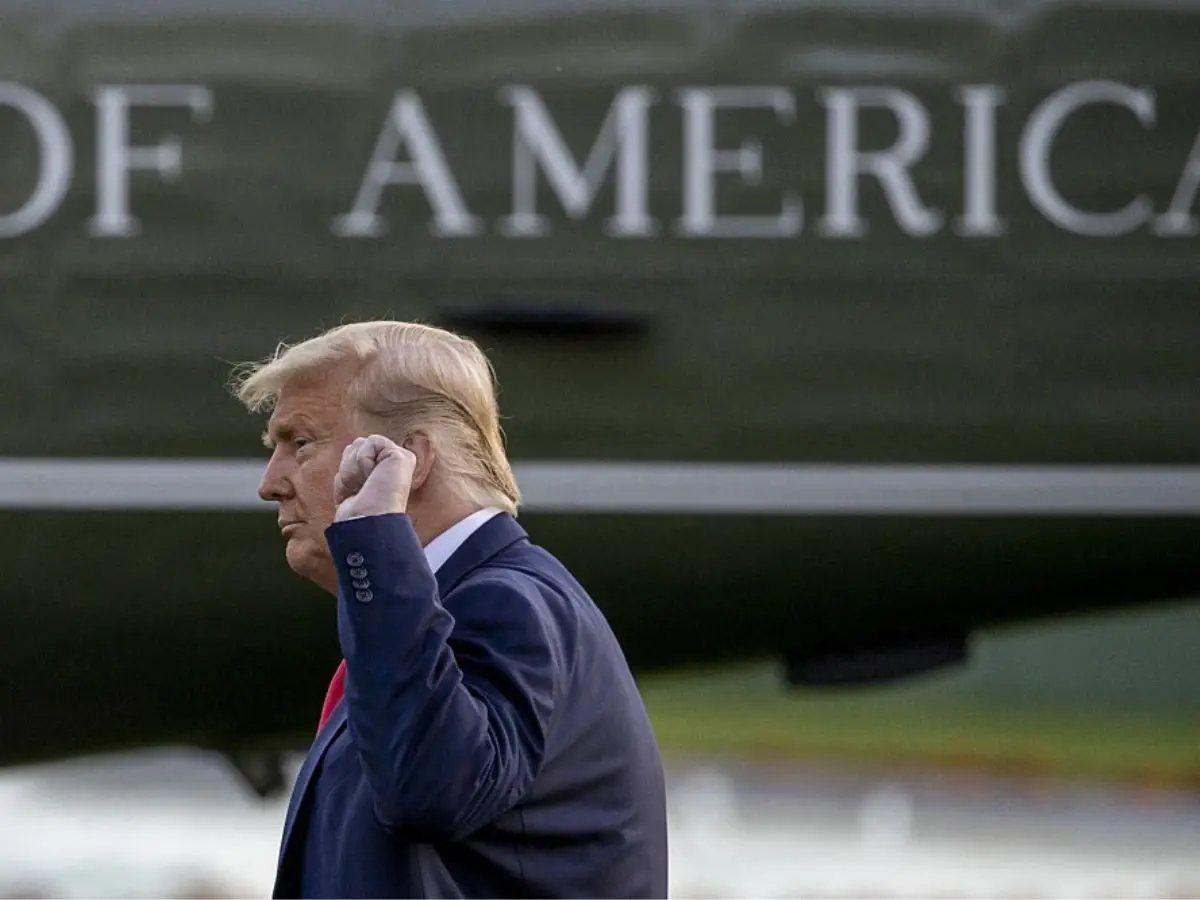
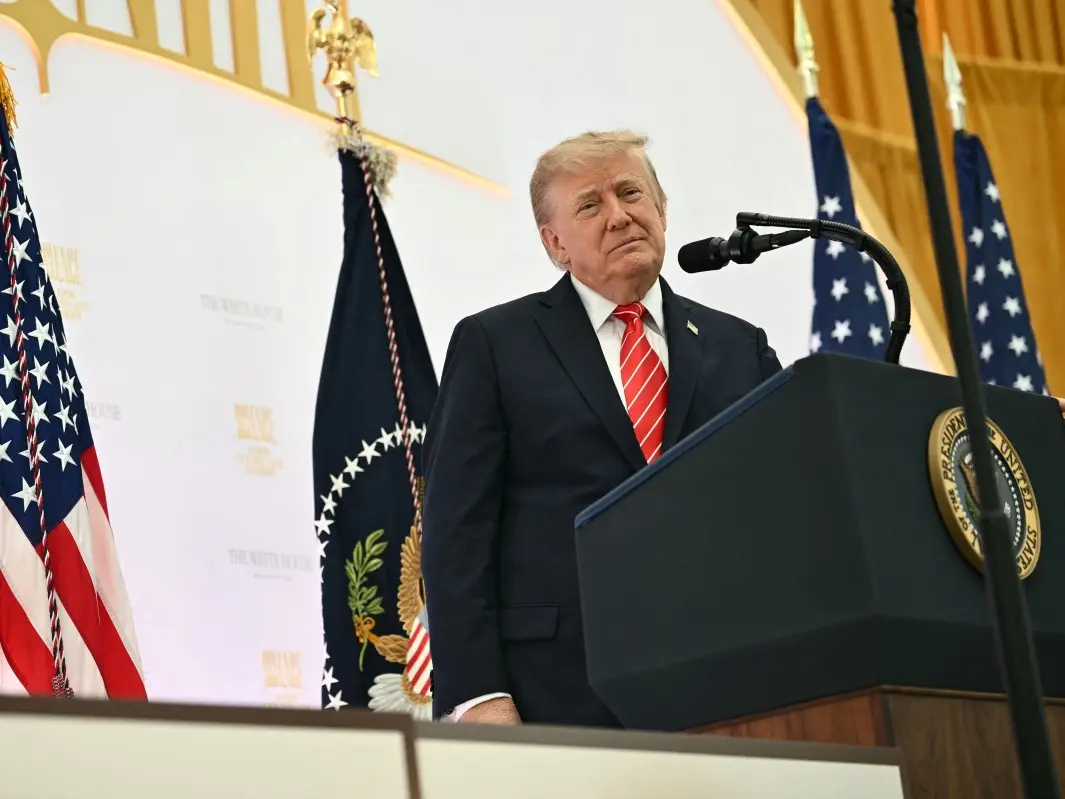
US President Donald Trump Photograph: (AFP)
Trump is escalating economic pressure on Iran as the war nears six months, threatening secondary sanctions to force Tehran to surrender its nuclear ambitions
As the war with Iran approaches the six-month mark and US stockpiles of key weapons come under increasing pressure, the Trump administration is shifting its focus toward an aggressive economic campaign against Tehran. President Donald Trump this week announced what he described as an ‘unprecedented’ level of economic warfare and isolation against Iran. The administration says the campaign is designed to pressure Iran’s leadership into abandoning its nuclear program and fully reopening the strategically vital Strait of Hormuz to oil and natural gas tankers.
The economic push comes as Trump confronts an increasingly unpopular war that has so far failed to produce a clear path toward an end. With crucial midterm elections approaching and control of Congress at stake, the administration is putting greater emphasis on sanctions and financial pressure in an effort to force Tehran into submission. Iran, however, has experienced decades of U.S. sanctions and has repeatedly demonstrated its ability to adapt to economic restrictions. Iranian Foreign Minister Abbas Araghchi responded to the latest threat Friday by posting the history of US sanctions against Iran on X. “We have seen this movie before. Same bull. Different bullies.”
The administration’s strategy has received support from Iran hawks, who argue that intensified economic pressure could eventually force Tehran to make major concessions. Other analysts, however, warn that Washington may be repeating mistakes made by previous administrations.
Threat of secondary sanctions
Treasury Secretary Scott Bessent offered a glimpse into the next phase of the campaign during a CNBC interview on Thursday. He warned that the United States could impose secondary sanctions on countries and companies that continue doing business with Iran. Bessent did not identify potential targets. The earlier phase of Operation Economic Fury focused largely on individuals and entities involved in buying Iranian oil or accessing the country’s financial system.
China and India are among the major purchasers of Iranian oil, meaning any broader secondary-sanctions campaign could have significant consequences for Washington’s relations with two major Asian powers. “If you insist on doing business with them, then the U.S. Treasury and U.S. government will put its full might and force against you,” Bessent said. “It’s time for our allies and the rest of the world to make a decision.”
Trending Stories
&imwidth=280&imheight=210&format=webp&quality=medium)
&im=FitAndFill=(700,400)&imwidth=280&imheight=210&format=webp&quality=medium)
&imwidth=280&imheight=210&format=webp&quality=medium)
&imwidth=280&imheight=210&format=webp&quality=medium)
&imwidth=280&imheight=210&format=webp&quality=medium)
&imwidth=280&imheight=210&format=webp&quality=medium)
&imwidth=280&imheight=210&format=webp&quality=medium)
&imwidth=280&imheight=210&format=webp&quality=medium)
&imwidth=280&imheight=210&format=webp&quality=medium)
&imwidth=280&imheight=210&format=webp&quality=medium)
&imwidth=280&imheight=210&format=webp&quality=medium)
&imwidth=280&imheight=210&format=webp&quality=medium)
&imwidth=280&imheight=210&format=webp&quality=medium)
&imwidth=280&imheight=210&format=webp&quality=medium)
&imwidth=280&imheight=210&format=webp&quality=medium)
&imwidth=280&imheight=210&format=webp&quality=medium)
&imwidth=280&imheight=210&format=webp&quality=medium)
&imwidth=280&imheight=210&format=webp&quality=medium)
&im=FitAndFill=(700,400)&imwidth=280&imheight=210&format=webp&quality=medium)
&imwidth=280&imheight=210&format=webp&quality=medium)
&imwidth=280&imheight=210&format=webp&quality=medium)
&imwidth=280&imheight=210&format=webp&quality=medium)
&imwidth=280&imheight=210&format=webp&quality=medium)
&imwidth=280&imheight=210&format=webp&quality=medium)
&imwidth=280&imheight=210&format=webp&quality=medium)
&imwidth=280&imheight=210&format=webp&quality=medium)
&imwidth=280&imheight=210&format=webp&quality=medium)
&imwidth=280&imheight=210&format=webp&quality=medium)
&imwidth=280&imheight=210&format=webp&quality=medium)
&imwidth=280&imheight=210&format=webp&quality=medium)
&imwidth=280&imheight=210&format=webp&quality=medium)
&imwidth=280&imheight=210&format=webp&quality=medium)
&im=FitAndFill=(700,400)&imwidth=280&imheight=210&format=webp&quality=medium)
&imwidth=280&imheight=210&format=webp&quality=medium)
&imwidth=280&imheight=210&format=webp&quality=medium)
&imwidth=280&imheight=210&format=webp&quality=medium)
Secondary sanctions could hurt US interests
Most major parts of Iran’s energy, financial and transportation sectors are already subject to US sanctions. The administration’s next step therefore appears likely to involve targeting countries and companies that continue maintaining economic ties with Tehran. The strategy resembles the “maximum pressure” campaign Trump pursued during his first term, but this time it is being combined with military action.
The experience of the first administration demonstrated the difficulties involved in enforcing secondary sanctions. Washington frequently faced pressure to grant waivers to countries dependent on Iranian oil, while aggressive enforcement risked damaging US economic and diplomatic interests. “Trump’s strategy now rests on targeting Tehran directly by impeding its touch points and access to the formal financial system and international economy,” said Behnam Ben Taleblu, senior director of the FDD’s Iran program. “This will require making the Iran issue more important in U.S. bilateral relations with countries in Europe and Asia.”
The challenge for Washington will be persuading allies and trading partners to accept the economic costs of cutting ties with Iran.
Tehran says sanctions will not force surrender
Iranian officials have rejected the idea that escalating economic pressure will force the government to accept Washington’s demands. Iranian Foreign Ministry spokesman Esmail Baghaei accused the United States of returning to sanctions whenever diplomatic efforts become difficult. “Iran has demonstrated over decades that it will not be strangled by these exhausted refrains,” he said. “The real risk is that American politicians, clinging to this bad habit, will instead strangle their own remaining chances of a less humiliating exit from a crisis of their own making.”

