

&imwidth=800&imheight=600&format=webp&quality=medium "Why DR Congo's Bundibugyo Ebola outbreak became its deadliest? EXPLAINED")
The Ebola outbreak in the Democratic Republic of the Congo (DRC) has passed 5,000, prompting a global health emergency in the country. In the recent emergency meeting, the World Health Organisation (WHO) called on the international community to help in efforts to curb the outbreak, which has claimed the lives of over 2,320 people.
This is the seventeenth outbreak in the DRC, which is now also being considered the deadliest, crossing the total deaths during the 2018 to 2020 outbreak, 2,299. The emergency has prompted major concern for several reasons, as there is currently no approved vaccine or treatment for this strain of Ebola, known as Bundibugyo.
As of now, confirmed Ebola cases and outbreaks have been reported in the Democratic Republic of the Congo, Uganda, and via one travel-imported case in France. The outbreak has extended beyond Ituri to five more provinces in the DRC. The outbreak has extended beyond Ituri to five more provinces in DRC: North Kivu, South Kivu, Haut-Uélé, Tshopo and Bas-Uélé. In addition, cases were reported in Uganda's capital, Kampala.
How did Ebola become the deadliest in DR Congo?
The ongoing outbreak of Ebola stems from Bundibugyo virus disease (BVD), a rare form of Ebola that was first identified in Uganda in 2007. Unlike the Zaire strain, which has vaccines and certain treatments already available, Bundibugyo currently has no approved vaccines or specific licensed therapies.
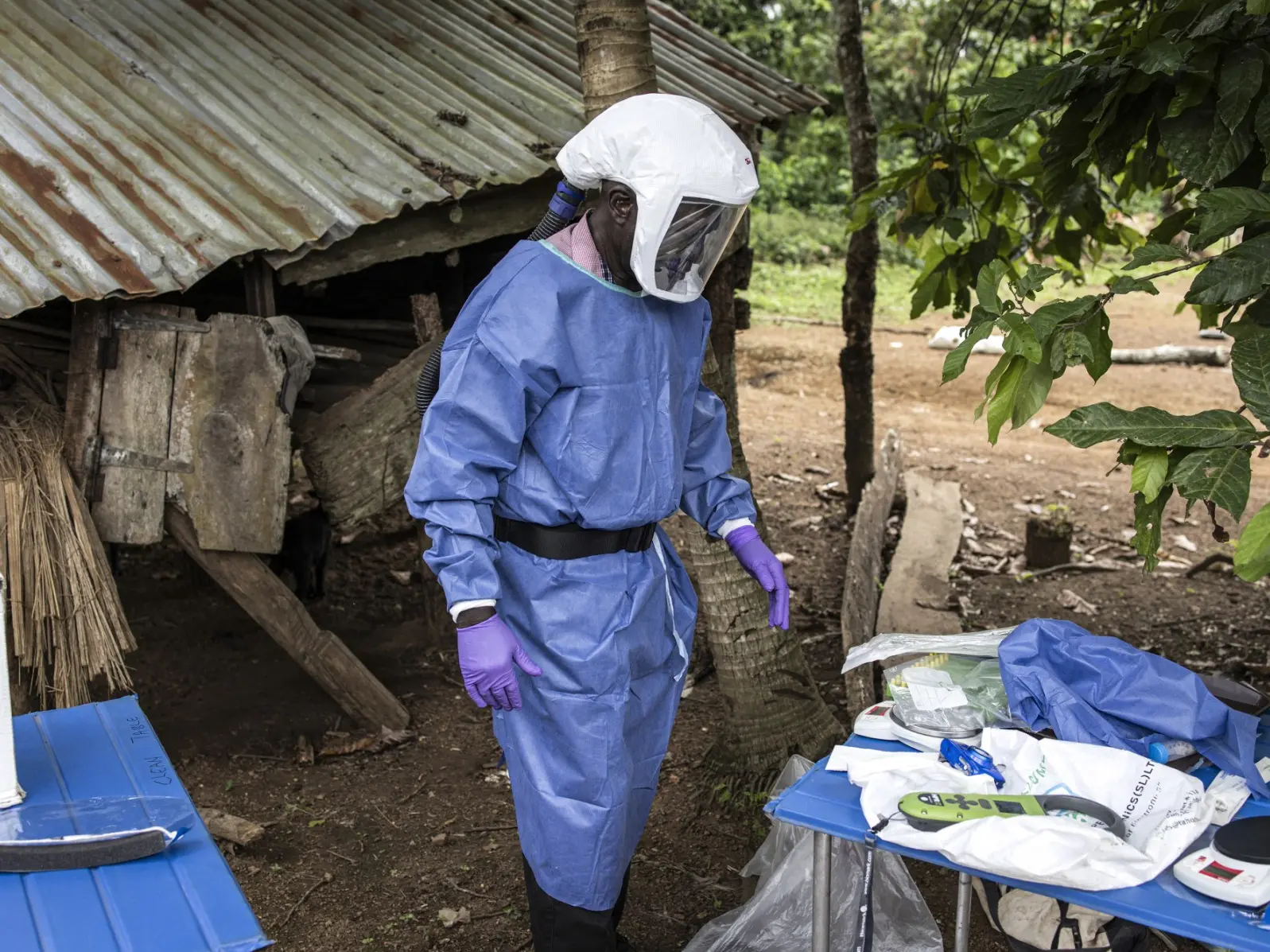
To curb the spread of the virus, health workers are heavily depending on early detection, supportive care, infection-control practices, and community engagement to limit transmission. According to the World Health Organisation (WHO), the outbreak originated in Ituri Province and later spread to other areas. The agency has cautioned that armed conflict, displaced population, and delays in spotting new cases have complicated efforts to contain the virus.
Trending Stories
Officials note that the virus was already spreading before the outbreak was formally declared on May 15. By the time it was identified, transmission had already taken hold within communities, giving infection chains time to grow before response teams could be fully mobilised. WHO reported that the outbreak was initially centred in Ituri's Mongbwalu Health Zone before extending into other provinces, with Congolese authorities acknowledging that delayed case identification helped fuel its spread.
Cultural and regional issues
The outbreak took root in Ituri, an eastern DRC province long scarred by ethnic conflict. The region holds significant mineral wealth, including gold, tin, tungsten and tantalum, most of which is extracted through small-scale artisanal mining. Control over these lucrative mining zones is fiercely contested by armed factions such as the ADF, CODECO, and the Rwanda-backed M23. Ongoing fighting and movement restrictions imposed by these groups have hampered humanitarian access, disrupted aid delivery, limited civilian mobility, and reduced access to essential services.
Efforts to trace contacts of infected individuals are further complicated by large-scale refugee movements, cross-border travel, and mining-related migration. Compounding this, traditional burial customs in the region often unfold over several days and can involve washing and dressing the body, transporting it to ancestral land, and physically touching the deceased during burial rites, practices that put mourners at heightened risk of infection.

