Trump says Greenland should be under US control, Denmark rejects claim at NATO Summit

&imwidth=600&imheight=450&format=webp&quality=medium "Trump says Greenland should be under US control, Denmark rejects claim at NATO Summit")
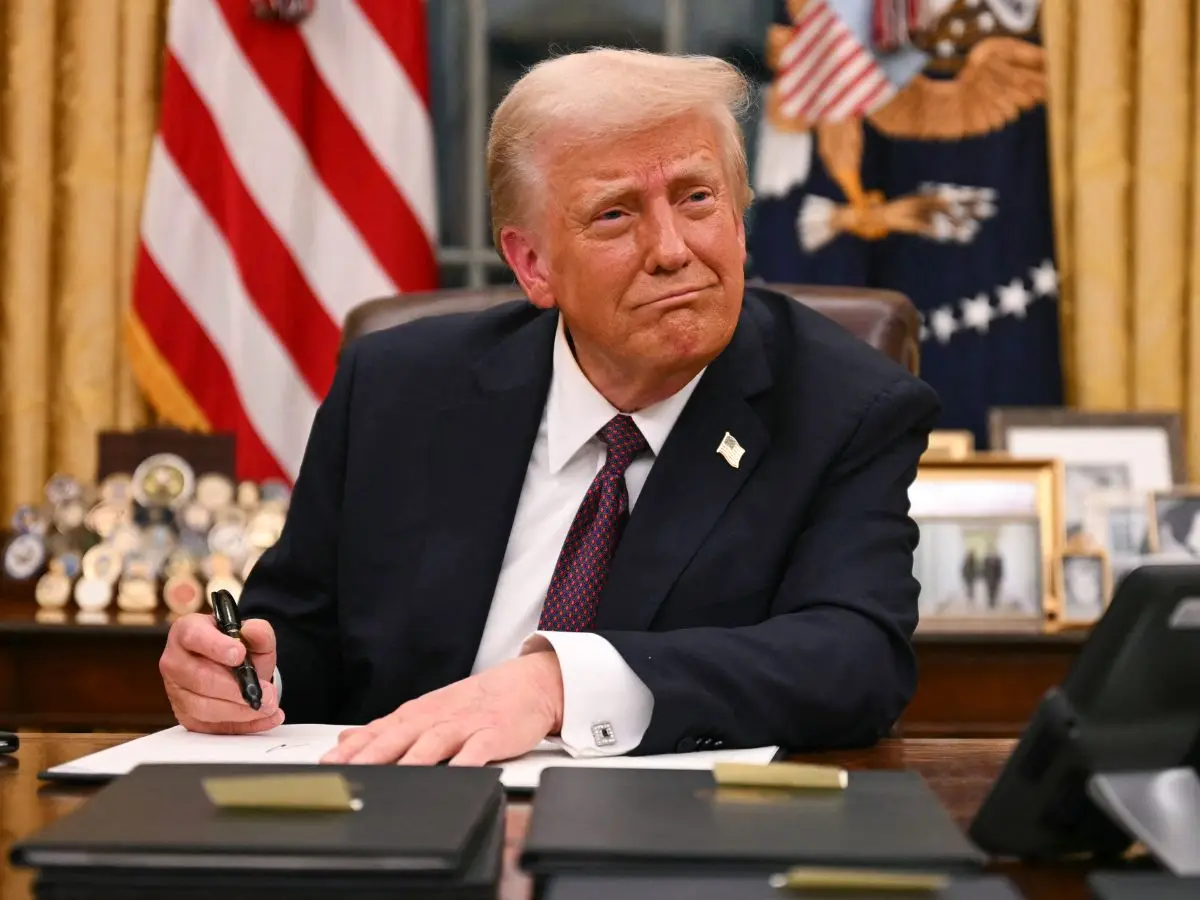
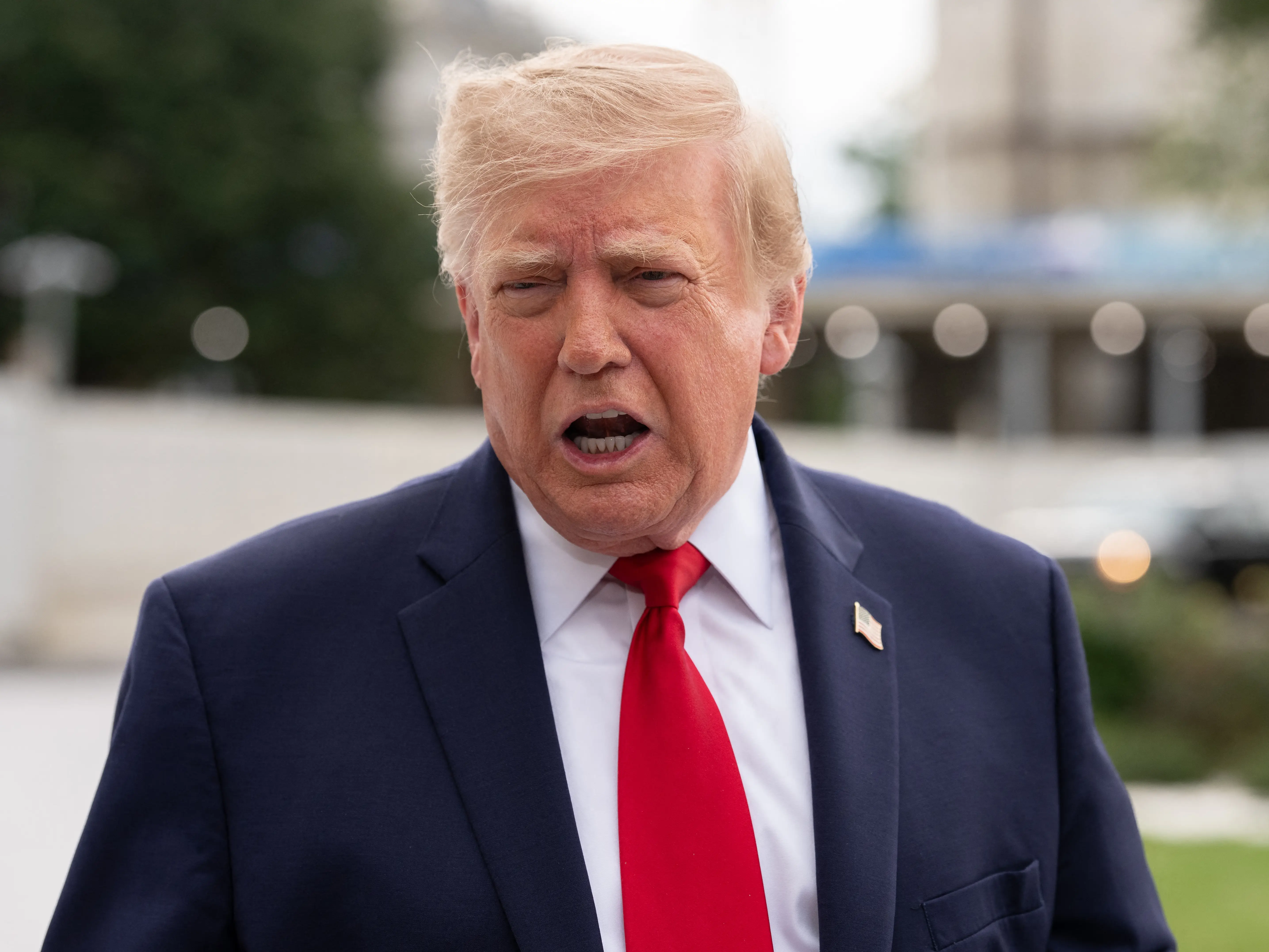
File image of US President Donald Trump Photograph: (AFP)
US President Donald Trump renewed his push for the US to take control of Greenland, citing its strategic importance in the Arctic. Denmark and Greenland's leaders firmly rejected the proposal, maintaining it is not for sale.
US President Donald Trump on Tuesday (July 7) renewed his push for the US to take control of Greenland, saying the strategically important Arctic territory “should be controlled by the United States, not by Denmark” during remarks made alongside the NATO summit.
Greenland is an autonomous territory within the Kingdom of Denmark. Trump’s latest comments revived a long-running dispute that first emerged during his previous presidency and risked adding fresh strain to relations between Washington and its European allies at a time when US-Europe ties remain under pressure.
Trump acknowledged that his repeated calls for the US to acquire Greenland had created friction within NATO, arguing that the territory was of strategic importance to Washington.
“That’s what hurt my relationship with NATO, because Greenland doesn’t help Denmark. Denmark doesn’t spend money to really help Greenland, but it’s an important part for the United States, and it’s surrounded by China ships and Russian ships, and that’s not going to happen,” Trump said. He added: “They wouldn’t go along with it, and with all the money we spend to help them with Russia.”
Danish Prime Minister Mette Frederiksen rejected Trump's remarks, insisting there was no possibility of Greenland changing hands and indicating the issue would not feature in discussions at the NATO summit.
Trending Stories
&imwidth=280&imheight=210&format=webp&quality=medium)
&imwidth=280&imheight=210&format=webp&quality=medium)
&imwidth=280&imheight=210&format=webp&quality=medium)
&imwidth=280&imheight=210&format=webp&quality=medium)
&imwidth=280&imheight=210&format=webp&quality=medium)
&imwidth=280&imheight=210&format=webp&quality=medium)
&imwidth=280&imheight=210&format=webp&quality=medium)
&imwidth=280&imheight=210&format=webp&quality=medium)
&imwidth=280&imheight=210&format=webp&quality=medium)
&imwidth=280&imheight=210&format=webp&quality=medium)
&imwidth=280&imheight=210&format=webp&quality=medium)
&imwidth=280&imheight=210&format=webp&quality=medium)
&imwidth=280&imheight=210&format=webp&quality=medium)
&imwidth=280&imheight=210&format=webp&quality=medium)
&imwidth=280&imheight=210&format=webp&quality=medium)
&imwidth=280&imheight=210&format=webp&quality=medium)
&imwidth=280&imheight=210&format=webp&quality=medium)
&imwidth=280&imheight=210&format=webp&quality=medium)
&imwidth=280&imheight=210&format=webp&quality=medium)
&imwidth=280&imheight=210&format=webp&quality=medium)
&imwidth=280&imheight=210&format=webp&quality=medium)
&imwidth=280&imheight=210&format=webp&quality=medium)
&imwidth=280&imheight=210&format=webp&quality=medium)
&imwidth=280&imheight=210&format=webp&quality=medium)
&imwidth=280&imheight=210&format=webp&quality=medium)
&imwidth=280&imheight=210&format=webp&quality=medium)
&imwidth=280&imheight=210&format=webp&quality=medium)
&imwidth=280&imheight=210&format=webp&quality=medium)
&imwidth=280&imheight=210&format=webp&quality=medium)
&im=FitAndFill=(700,400)&imwidth=280&imheight=210&format=webp&quality=medium)
&imwidth=280&imheight=210&format=webp&quality=medium)
&imwidth=280&imheight=210&format=webp&quality=medium)
&imwidth=280&imheight=210&format=webp&quality=medium)
&imwidth=280&imheight=210&format=webp&quality=medium)
“It is a well-known position of the United States that it wants to own and take over Greenland. I hope that it is equally well-known everywhere that this is not going to happen,” Frederiksen said.
Greenland’s Foreign Minister Mute Egede also dismissed any suggestion of external control, saying the island’s future would be determined solely by its people.
In a social media post, he reaffirmed Greenland’s commitment to maintaining close ties with its allies while stressing that decisions about the territory’s future rested with Greenlanders. “That’s how it has always been. And that’s how it always will be,” he said.

