New EHRC code excludes transgender people from single-sex toilets - Details and what it means

&imwidth=600&imheight=450&format=webp&quality=medium "New EHRC code excludes transgender people from single-sex toilets - Details and what it means")
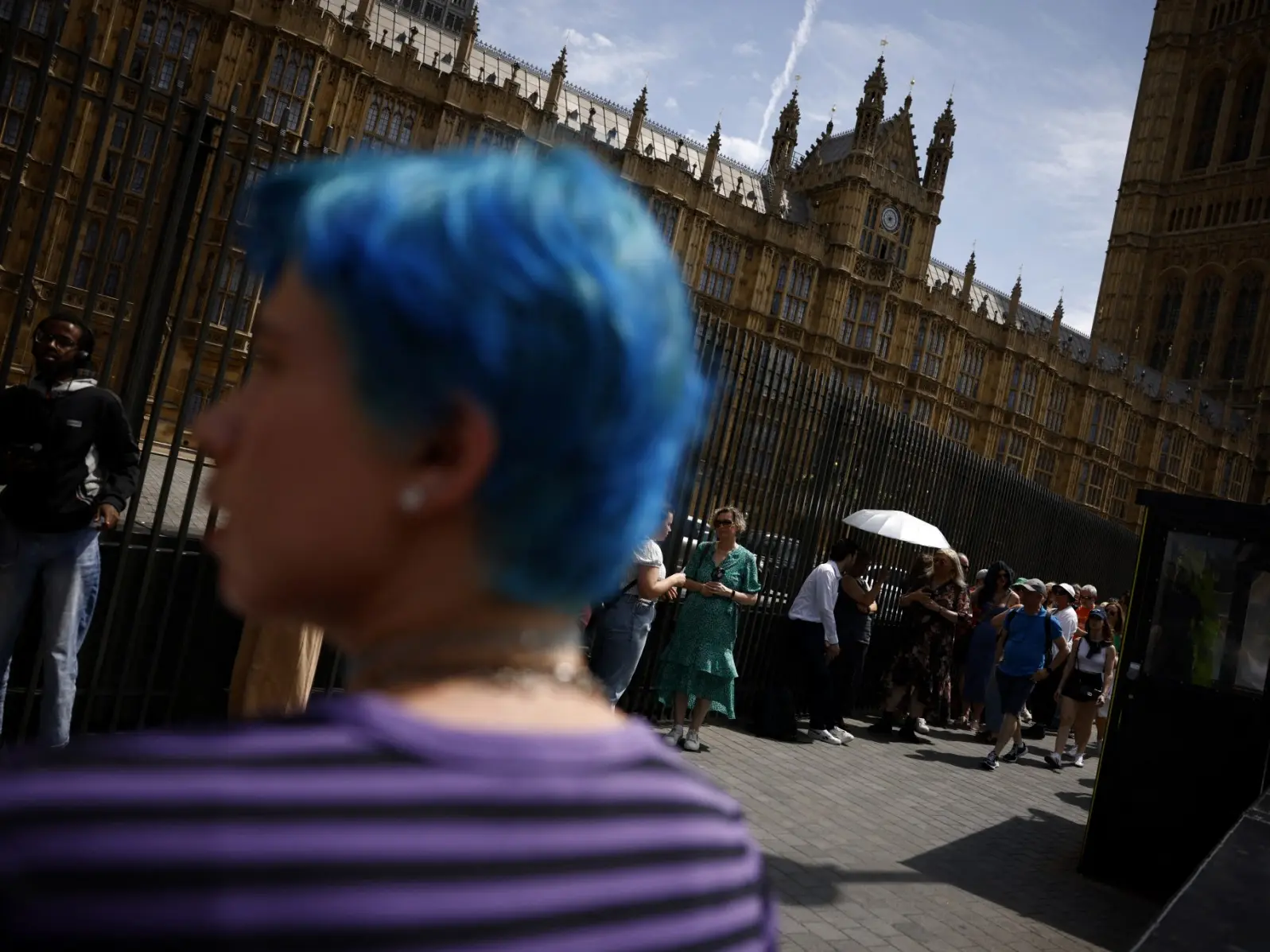
New EHRC code excludes transgender people from single-sex toilets - What it means Photograph: (AFP)
Updated EHRC code of practice on single-sex bathroom use: Toilets and changing rooms must be used based on a person's biological sex. Trans people should be offered gender-neutral toilets. In healthcare, patients should be accommodated in a single-sex ward in line with their biological sex.
A UK equalities watchdog has ruled that changing rooms and toilets must be used based on biological sex. According to the code of practice, a trans woman - a biological male who identifies as a woman - should not use female single sex spaces. The Equality and Human Rights Commission (EHRC) states that it would be discriminatory to leave trans people without access to any service, and so service providers should offer alternatives such as gender-neutral toilets for those who do not wish to use facilities for their biological sex. They should also not be asked about their gender in public. The guidance is a win for gender-critical campaigners who have argued that trans women should be excluded from women-only services. However, critics fear that it could lead to a chilling effect where trans people avoid public places altogether. The guidance follows the landmark Supreme Court ruling last year, which stated that the definition of a woman under the Equality Act should be based on biological sex.
Why does this guidance matter?
Trans advocacy groups fear that this ruling could lead trans people to avoid public spaces. Rather than navigating the anxiety and safety risks and being forced into separate "third spaces," many trans and non-binary people will simply avoid public venues, workplaces, and leisure spaces altogether, they said. The UK government’s own equality impact assessment acknowledges that the code's impact that the likely impact of the code on transgender people is “negative”. The guidance is also being compared to a "Section 28 moment"—referencing the infamous Thatcher-era law that banned the "promotion" of homosexuality.
Can the guidance be implemented? What officials say
Women and Equalities Minister Bridget Phillipson said, "Our focus has always been making sure organisations have clear, accessible guidance on how to implement the law," adding that the aim is to allow people to live free from discrimination and harassment. The guidance recommends that gender neutral toilets or changing rooms should have self-contained lockable areas with floor-to-ceiling walls and wash basins. The commission believes that it is not a tough ask since they can let trans people use the toilets for disabled people. In case it only has two toilets, one each for men and women, they could be converted into unisex facilities.
Clubs and associations can also remain trans inclusive. However, in healthcare, where mixed-sex accommodation is not available, trans patients must be put up in a single-sex ward that aligns with their biological sex. However, the code notes that it would not be proportionate to exclude a trans man from obstetrics and gynaecology outpatient services if female patients object.
Trending Stories
&imwidth=280&imheight=210&format=webp&quality=medium)
&imwidth=280&imheight=210&format=webp&quality=medium)
&imwidth=280&imheight=210&format=webp&quality=medium)
&imwidth=280&imheight=210&format=webp&quality=medium)
&imwidth=280&imheight=210&format=webp&quality=medium)
&imwidth=280&imheight=210&format=webp&quality=medium)
&imwidth=280&imheight=210&format=webp&quality=medium)
&imwidth=280&imheight=210&format=webp&quality=medium)
&imwidth=280&imheight=210&format=webp&quality=medium)
&imwidth=280&imheight=210&format=webp&quality=medium)
&imwidth=280&imheight=210&format=webp&quality=medium)
&imwidth=280&imheight=210&format=webp&quality=medium)
&imwidth=280&imheight=210&format=webp&quality=medium)
&imwidth=280&imheight=210&format=webp&quality=medium)
&imwidth=280&imheight=210&format=webp&quality=medium)
&imwidth=280&imheight=210&format=webp&quality=medium)
&imwidth=280&imheight=210&format=webp&quality=medium)
&imwidth=280&imheight=210&format=webp&quality=medium)
&im=FitAndFill=(700,400)&imwidth=280&imheight=210&format=webp&quality=medium)
&imwidth=280&imheight=210&format=webp&quality=medium)
&imwidth=280&imheight=210&format=webp&quality=medium)
&imwidth=280&imheight=210&format=webp&quality=medium)
&imwidth=280&imheight=210&format=webp&quality=medium)
&imwidth=280&imheight=210&format=webp&quality=medium)
&im=FitAndFill=(700,400)&imwidth=280&imheight=210&format=webp&quality=medium)
&imwidth=280&imheight=210&format=webp&quality=medium)
&imwidth=280&imheight=210&format=webp&quality=medium)
&imwidth=280&imheight=210&format=webp&quality=medium)
&imwidth=280&imheight=210&format=webp&quality=medium)
&im=FitAndFill=(700,400)&imwidth=280&imheight=210&format=webp&quality=medium)
&imwidth=280&imheight=210&format=webp&quality=medium)
&imwidth=280&imheight=210&format=webp&quality=medium)
&imwidth=280&imheight=210&format=webp&quality=medium)
&imwidth=280&imheight=210&format=webp&quality=medium)
The guidance, which is more than 300 pages long, will be presented before the parliament. They will examine it and will have 40 days to raise objections. If there are none, it becomes statutory. It was first sent to the government in September 2025. EHRC chair Dr Mary-Ann Stephenson said the code should be seen with an "open mind." "I think we do need to broaden out the debates, and we need to start from a point of saying, how do we make sure that everyone has access to the services they need, and that will be different things for different people," she said. “The Supreme Court was very clear … if you are providing separate toilets for women and men, that has to be on the basis of biological sex," she added.

