Missile, drone alerts across Gulf nations soon after US–Iran ceasefire deal - What's happening

&imwidth=600&imheight=450&format=webp&quality=medium "Missile, drone alerts across Gulf nations soon after US–Iran ceasefire deal - What's happening")
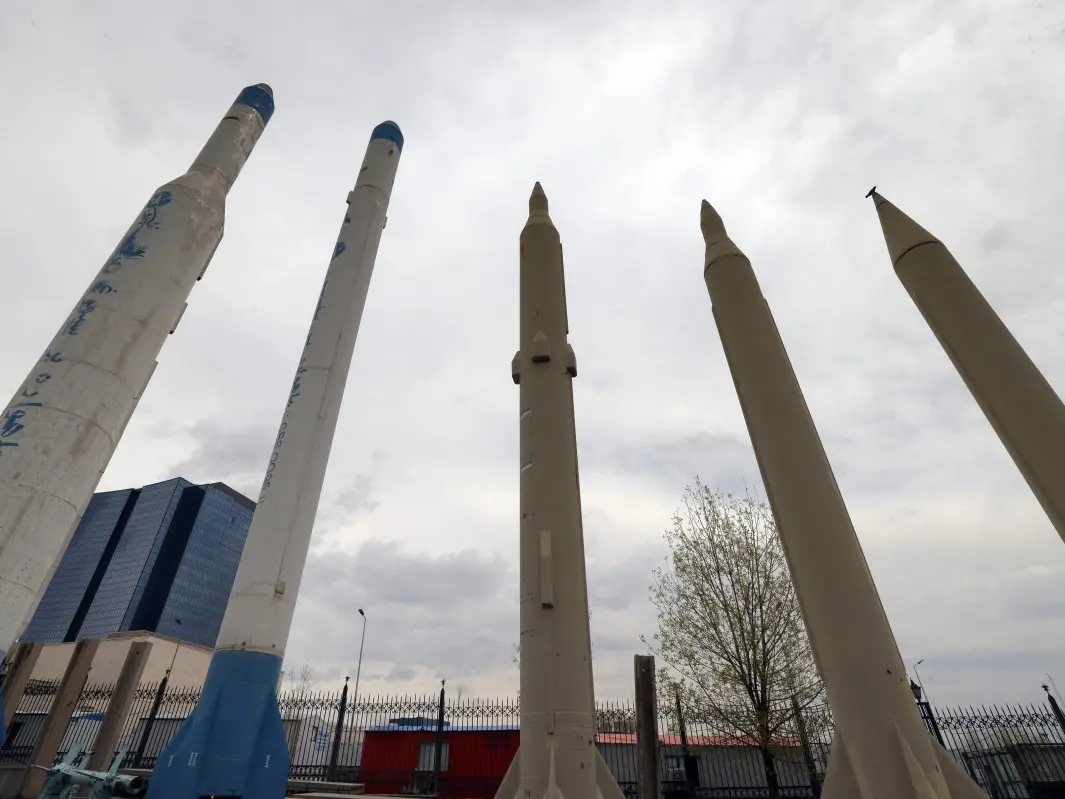
Mockups of domestically-made Iranian missiles are displayed at an exhibition in Tehran on March 31 Photograph: (AFP)
The US and Iran agreed to a two-week ceasefire, pausing attacks and reopening the Strait of Hormuz. Despite the deal, missile alerts across Gulf nations raised concerns. Both sides claimed victory, with Pakistan credited for mediating talks.
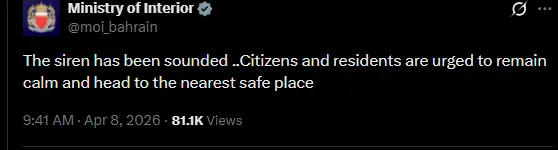
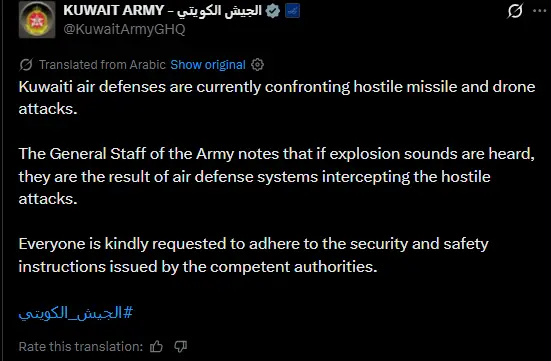
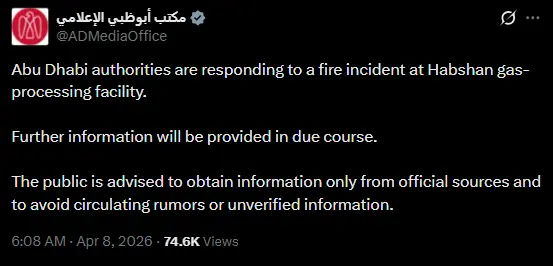
Soon as US and Iran announced a two-week ceasefire deal on the wee hours of Tuesday (Apr 8), missile and drone alerts were reported across multiple Gulf countries, including Saudi Arabia, Kuwait, the United Arab Emirates and Qatar, according to a reports. This has raised serious questions about how quickly the truce would translate into calm on the ground. This also comes after it was reported by state-run Islamic Republic of Iran Broadcasting (IRIB) that all military branches should follow the Supreme Leader's order and cease their fire." Gulf nations were caught in crosshairs after Israel and the US jointly launched strikes on Iran on February 28, amid ongoing nuclear talks between Washington and Tehran.
Also Read: 'Agree to suspend bombing of Iran for two weeks', says Trump; calls it 'double-sided ceasefire'
Also Read: Ctrl+C, Ctrl+Crisis: ‘Draft’ diplomacy? Shehbaz Sharif’s edited X post sparks row amid Iran war
Trending Stories
)
)
)
)
)
)
)
)
)
)
)
)
)
)
)
)
)
)
&im=FitAndFill=(700,400))
)
)
)
&im=FitAndFill=(700,400))
)
&im=FitAndFill=(700,400))
&im=FitAndFill=(700,400))
)
Iran-US ceasefire
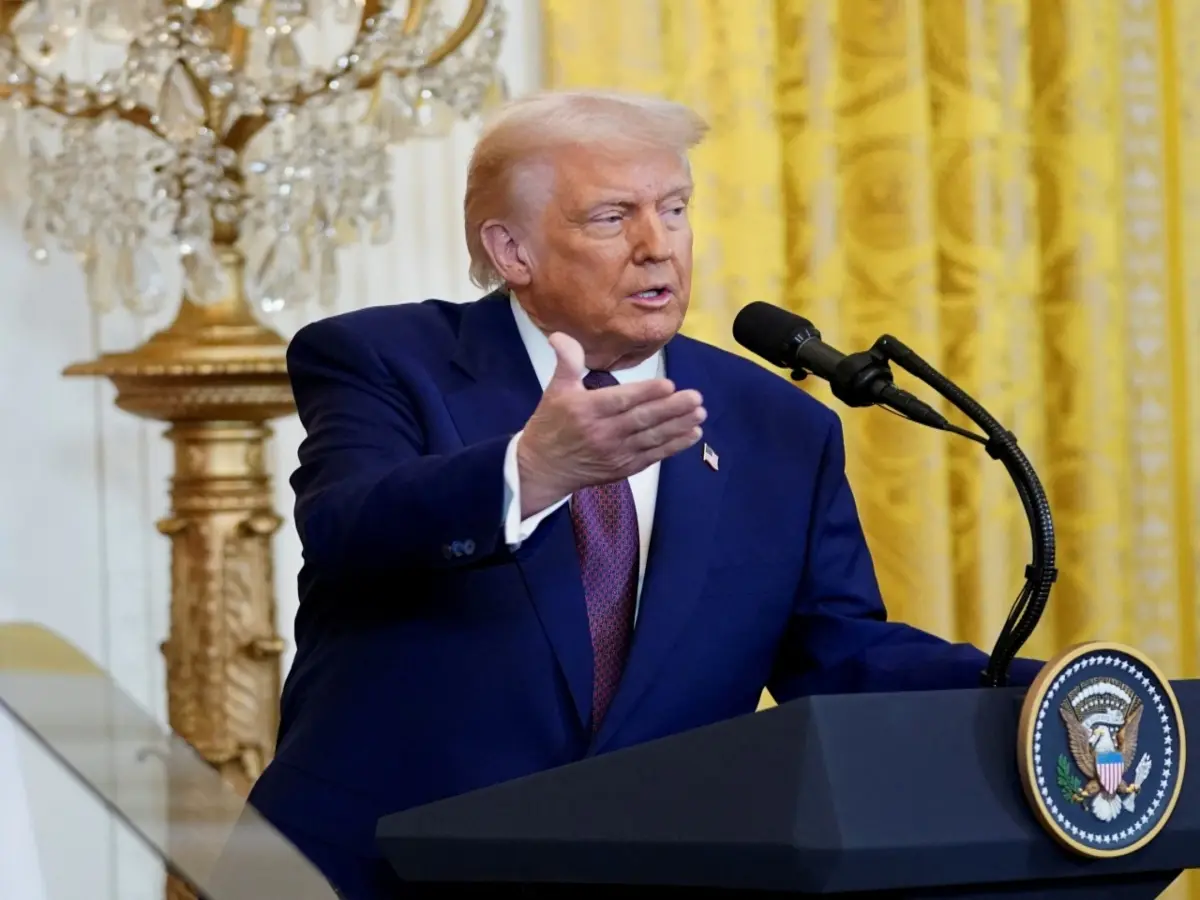
At the 11th hour, US President Donald Trump announced that he has agreed to pause bombing and attack of Iran for a period of two weeks. He said that he will abide by the same only if Iran reopens the Strait of Hormuz immediately. Soon after, Iran, in its statement, said that it has agreed to the request by the US for negotiations based on its 15-point proposal. It also said that the US has accepted the general framework of Iran's 10-point proposal. Iran also said that for a period of two weeks, safe passage through the Strait of Hormuz will be possible. Both the world leaders thanked Pakistan PM Shehbaz Sharif, establishing the country as the chief mediator. Both Iran and the US declared victory as soon as the ceasefire was confirmed.

