JD Vance praises Pope Leo's AI warning encyclical, says 'sounds very profound'

&imwidth=600&imheight=450&format=webp&quality=medium "JD Vance praises Pope Leo's AI warning encyclical, says 'sounds very profound'")
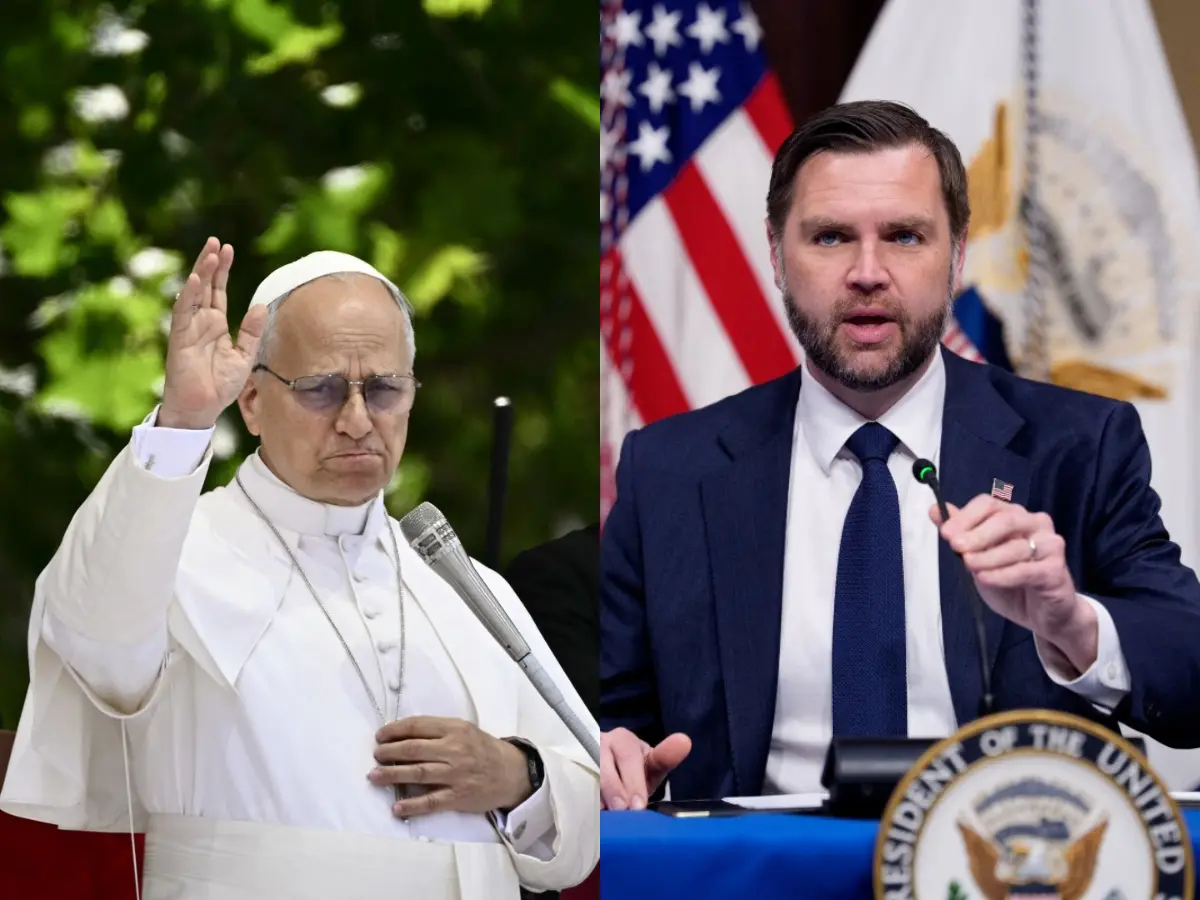
Pope Leo and JD Vance Photograph: (AFP)
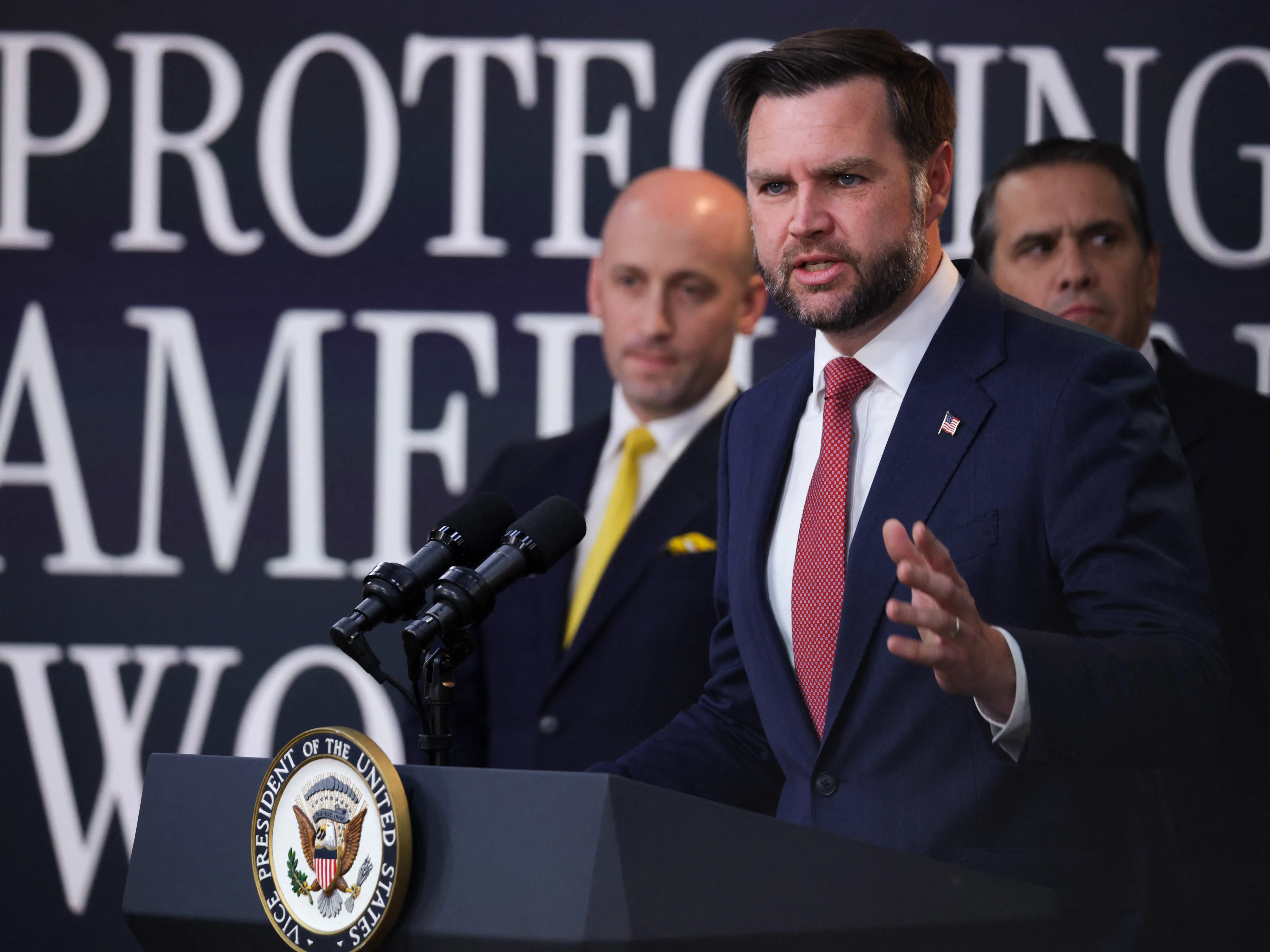
US Vice President JD Vance praised Pope Leo XIV’s AI warning encyclical, calling for moral leadership as artificial intelligence reshapes society
US Vice President JD Vance praised Pope Leo XIV on Tuesday (May 26) for releasing a new theological document warning about unchecked advances in artificial intelligence. The encyclical, the pope’s first since taking office last year, called for restraint that does not halt innovation but instead serves as the exercise of responsible care for the human family. Vance, a Catholic and supporter of AI development, said in a phone interview with NBC News that he had not yet finished reading the document but had reviewed summaries and excerpts. “What I read of it sounds very profound, and the sort of thing that you would expect and hope from a leader of the church,” he said. “The thing about morality is that the principles never change, but the way you apply those principles does, because the world changes, right?”
“You have new technologies and warfare, so you have to update ‘Just War’ doctrine,” Vance added. “New ways of human beings interacting with one another, so you have to kind of rethink the entire Catholic social teaching in light of the new world that we live in. And I think that’s exactly what the pope is trying to do. So I’m glad that he did it.”
The encyclical was released alongside Christopher Olah, co-founder of Anthropic. The company’s involvement drew attention after the Trump administration reportedly ordered federal agencies to stop using Anthropic technology when the company refused unrestricted military access to its AI systems. Tuesday’s interview also served as Vance’s first public preview of his upcoming book, Communion, scheduled for release on June 16 through HarperCollins. The book explores Vance’s spiritual journey from a Protestant childhood to atheism and eventually his conversion to Catholicism.
Vance also confirmed reports that he removed X from his phone during Lent, the Christian season leading to Easter. Although Lent ended on April 2, he said he still has not reinstalled the app. “It’s one of these things where not having that as a distraction, I think, has made me much more productive,” Vance said. “You’re not scrolling all the time when you get five minutes. I can actually read something, as opposed to, you know, scroll or get distracted by X.”
Despite stepping away from the platform, Vance said his account remains active, and many posts are still written by him before staff members publish them. “I live in such a crazy bubble,” Vance said. “I travel with Secret Service all the time. If you think about how many unplanned interactions I have in a given week, it’s close to zero, because I live in such a bubble. And I think one of the good things about social media is that it actually exposes you to unfiltered raw opinions, and that’s one of the things that I need to hear as a political leader. So I will definitely reinstall it, but I’ve enjoyed my little break from it.”
Trending Stories
&imwidth=280&imheight=210&format=webp&quality=medium)
&imwidth=280&imheight=210&format=webp&quality=medium)
&imwidth=280&imheight=210&format=webp&quality=medium)
&imwidth=280&imheight=210&format=webp&quality=medium)
&imwidth=280&imheight=210&format=webp&quality=medium)
&imwidth=280&imheight=210&format=webp&quality=medium)
&imwidth=280&imheight=210&format=webp&quality=medium)
&im=FitAndFill=(700,400)&imwidth=280&imheight=210&format=webp&quality=medium)
&imwidth=280&imheight=210&format=webp&quality=medium)
&imwidth=280&imheight=210&format=webp&quality=medium)
&imwidth=280&imheight=210&format=webp&quality=medium)
&imwidth=280&imheight=210&format=webp&quality=medium)
&imwidth=280&imheight=210&format=webp&quality=medium)
&imwidth=280&imheight=210&format=webp&quality=medium)
&imwidth=280&imheight=210&format=webp&quality=medium)
&imwidth=280&imheight=210&format=webp&quality=medium)
&imwidth=280&imheight=210&format=webp&quality=medium)
&imwidth=280&imheight=210&format=webp&quality=medium)
&imwidth=280&imheight=210&format=webp&quality=medium)
&imwidth=280&imheight=210&format=webp&quality=medium)
&imwidth=280&imheight=210&format=webp&quality=medium)
&im=FitAndFill=(700,400)&imwidth=280&imheight=210&format=webp&quality=medium)
&imwidth=280&imheight=210&format=webp&quality=medium)
&imwidth=280&imheight=210&format=webp&quality=medium)
&imwidth=280&imheight=210&format=webp&quality=medium)
&imwidth=280&imheight=210&format=webp&quality=medium)
&imwidth=280&imheight=210&format=webp&quality=medium)
&imwidth=280&imheight=210&format=webp&quality=medium)
&imwidth=280&imheight=210&format=webp&quality=medium)
&imwidth=280&imheight=210&format=webp&quality=medium)
&imwidth=280&imheight=210&format=webp&quality=medium)
&im=FitAndFill=(700,400)&imwidth=280&imheight=210&format=webp&quality=medium)
&imwidth=280&imheight=210&format=webp&quality=medium)
&imwidth=280&imheight=210&format=webp&quality=medium)
&imwidth=280&imheight=210&format=webp&quality=medium)
&imwidth=280&imheight=210&format=webp&quality=medium)
&imwidth=280&imheight=210&format=webp&quality=medium)
The vice president also discussed lifestyle changes during Lent, including a diet recommended by Robert F. Kennedy Jr., focused on high protein and fermented foods.
“I think it definitely made me feel healthier, and it’s something I’ve continued with,” Vance added. “So, you know, that’s one of the cool things about Lent, is sometimes you do these things as an act of sacrifice, and you realize that not indulging yourself is maybe a very good thing.” Baptized in 2019, Vance has frequently connected his political role with his Catholic faith. He is the second Catholic vice president in US history after Joe Biden and the first Catholic convert to hold the office.
Vance was among the final visitors to meet Pope Francis before his death and later attended the Vatican installation of Pope Leo XIV, the first US-born pope. “I’m really glad” that the pontiff took “the name Leo XIV. I think it was very much a nod to Leo XIII, who, of course, became pope at the beginning of the Industrial Age,” Vance said. “I think that Leo XIV is becoming pope at the beginning of the AI age, and I suspect that if we make it through this successfully, it will be in large part because the pope and the church can provide the kind of moral leadership that we need.”
Vance said artificial intelligence raises critical questions about human interaction, employment, and warfare. “The technology, and I talked a little bit about this in the book, but it just raises such profound questions for how we interact with one another, what kind of skills we need in the workforce, the kind of wars that we’ll fight and how we’ll fight our wars,” Vance said Tuesday. “I think we really need moral leadership to think through those questions, and that’s exactly what the church is the best leader to do.”

