Israel launches ‘wide-scale’ strikes across Iran as thousands in Tehran pledge allegiance to new supreme leader

&imwidth=600&imheight=450&format=webp&quality=medium "Israel launches ‘wide-scale’ strikes across Iran as thousands in Tehran pledge allegiance to new supreme leader")
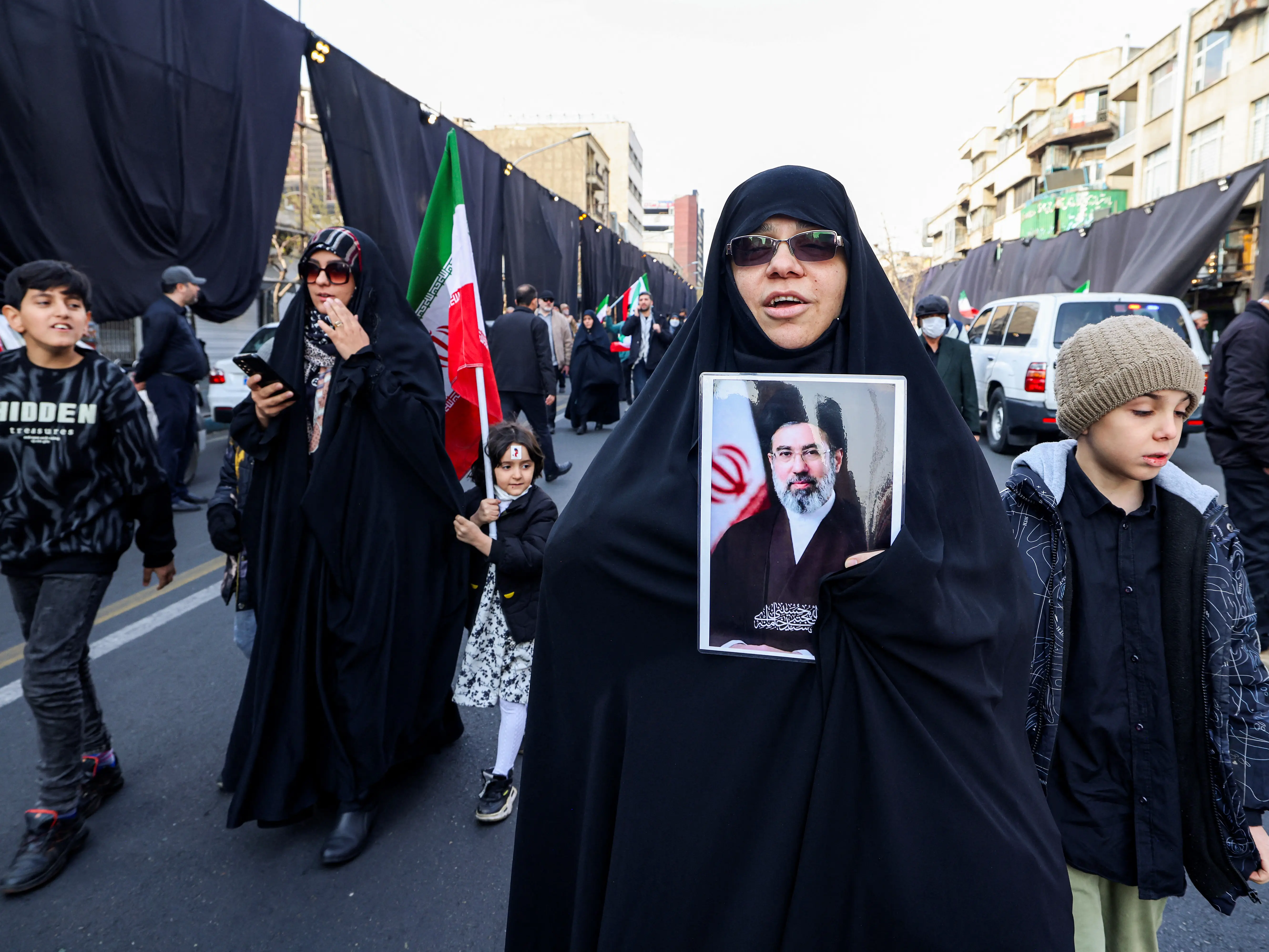
A woman marches with a picture of Iran's new Supreme Leader Ayatollah Mojtaba Khamenei during a rally in support of him at Enghelab Square in central Tehran on March 9, 2026. Photograph: (AFP)
The crowds that were seen at Tehran's central square saw many carrying Iranian flags and portraits of the new supreme leader and were raising anti-American and anti-Israeli slogans.
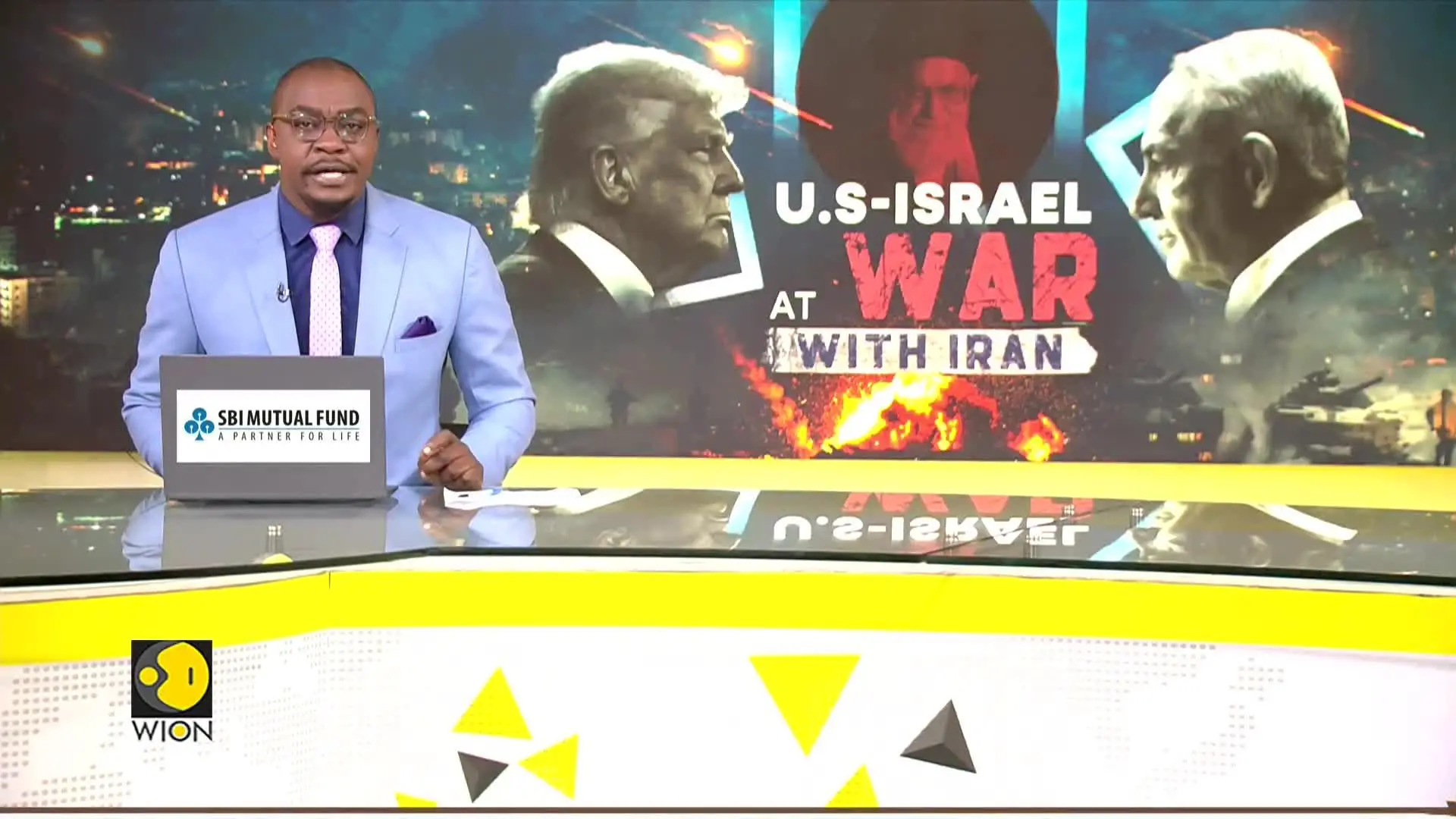
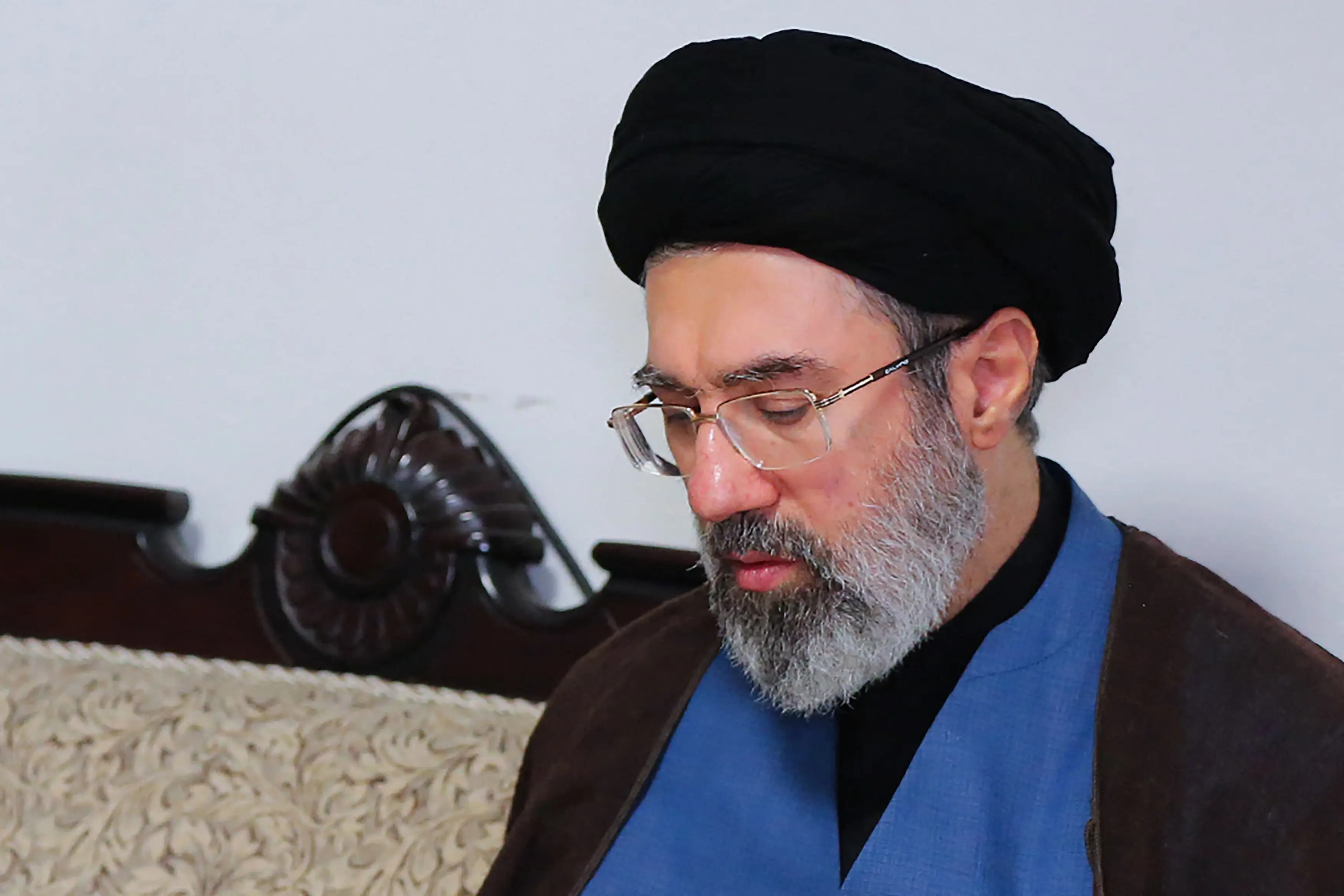
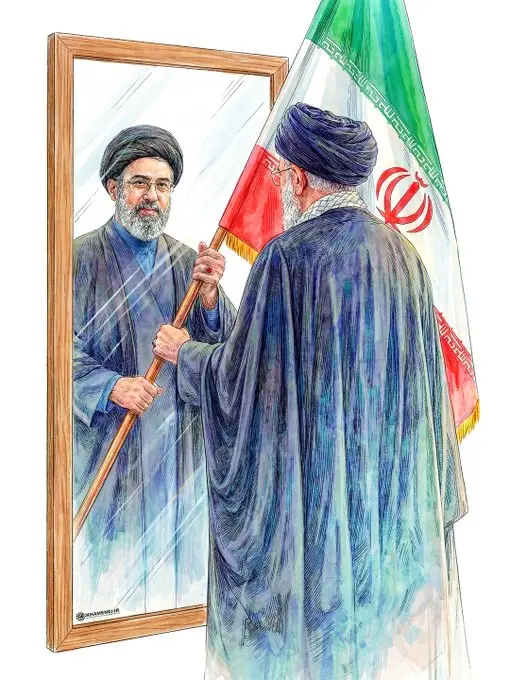
As Iran's Assembly of experts officially appointed Mojtaba Khamenei as the country's third Supreme Leader after his father Ayatollah Ali Khamenei, was killed in a US-Israeli airstrike on 28 February, the Israeli military on Monday (Feb 09) launched a "wide-scale" strikes on Tehran, Isfahan and southern Iran, shortly after one man was killed in Israel following missile launches from Iran.
"The IDF has just begun a wide-scale wave of strikes against the infrastructure of the Iranian terror regime across Tehran, Isfahan, and southern Iran," the military said in a statement.
Amid the strikes, thousands of people gathered at Tehran's Enghelab Square to pledge allegiance to the Islamic Republic's new leader, Ayatollah Mojtaba Khamenei, AFP reported, citing journalists.
Also Read: Israel to attack Mojtaba Khamenei? Ex-ambassador warns, says ‘duty-bound to eliminate...’
The crowds that were seen at Tehran's central square saw many carrying Iranian flags and portraits of the new supreme leader and were raising anti-American and anti-Israeli slogans.
The Islamic Republic on Sunday night named hardline Mojabata as its new leader amid a US-Israeli campaign to trigger regime change in Iran through military strikes. He is known to have close ties with the elite Islamic Revolutionary Guards Corps (IRGC) and wielded significant influence in Israeli politics despite never holding any political office.
Trending Stories
)
)
)
)
)
)
)
)
&im=FitAndFill=(700,400))
)
)
)
)
&im=FitAndFill=(700,400))
)
)
)
)
)
)
)
)
)
)
)
)
)
)
&im=FitAndFill=(700,400))
)
)
)
)
)
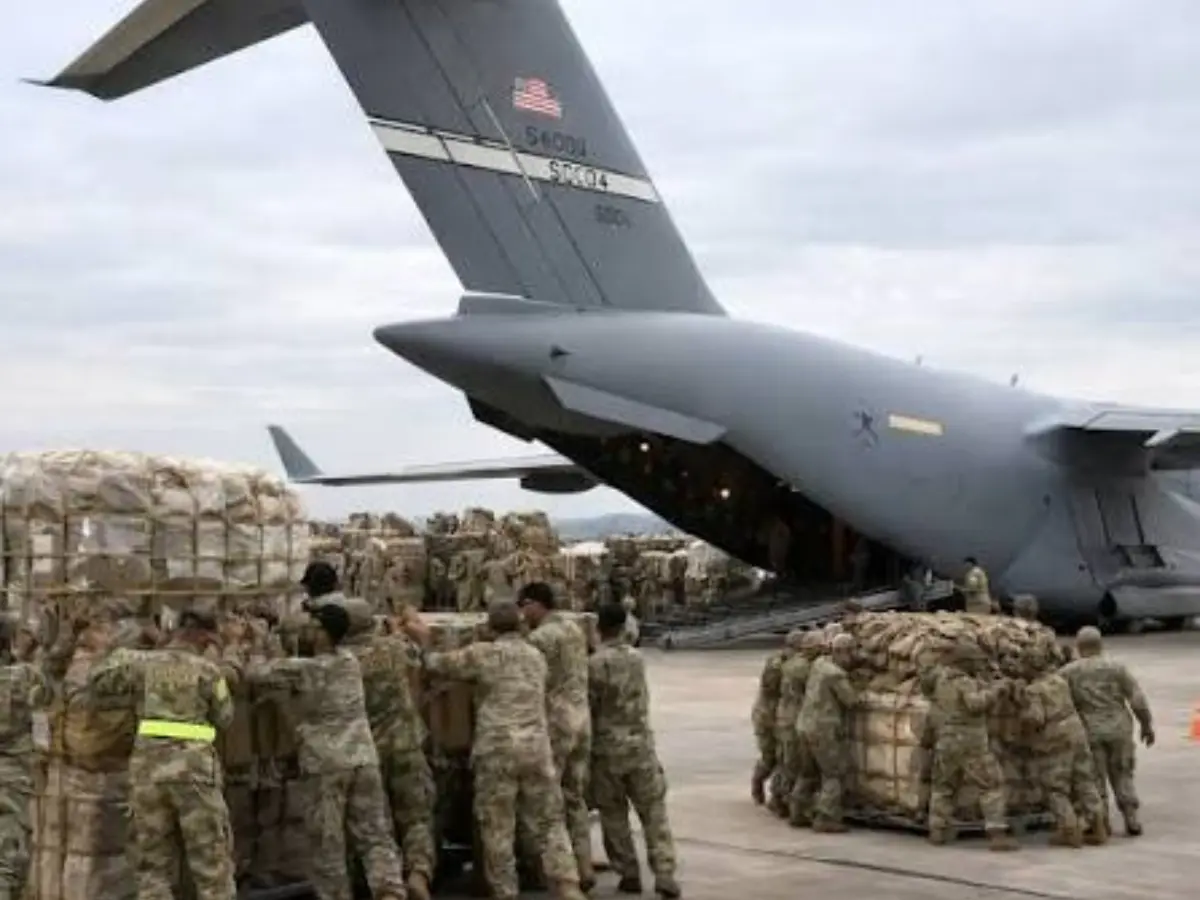
The move comes after a deadly war in West Asia triggered by the launch of a joint military operation by the US-Israeli forces on February 28, targeting top leadership of Iran, including late Supreme Leader Khamenei and multiple sensitive military locations across the Islamic Republic.
In retaliation, the Revolutionary Guards struck US bases and other key locations in the Gulf nations, including the United Arab Emirates, Qatar, Saudi Arabia, Bahrain, Oman, and Kuwait.
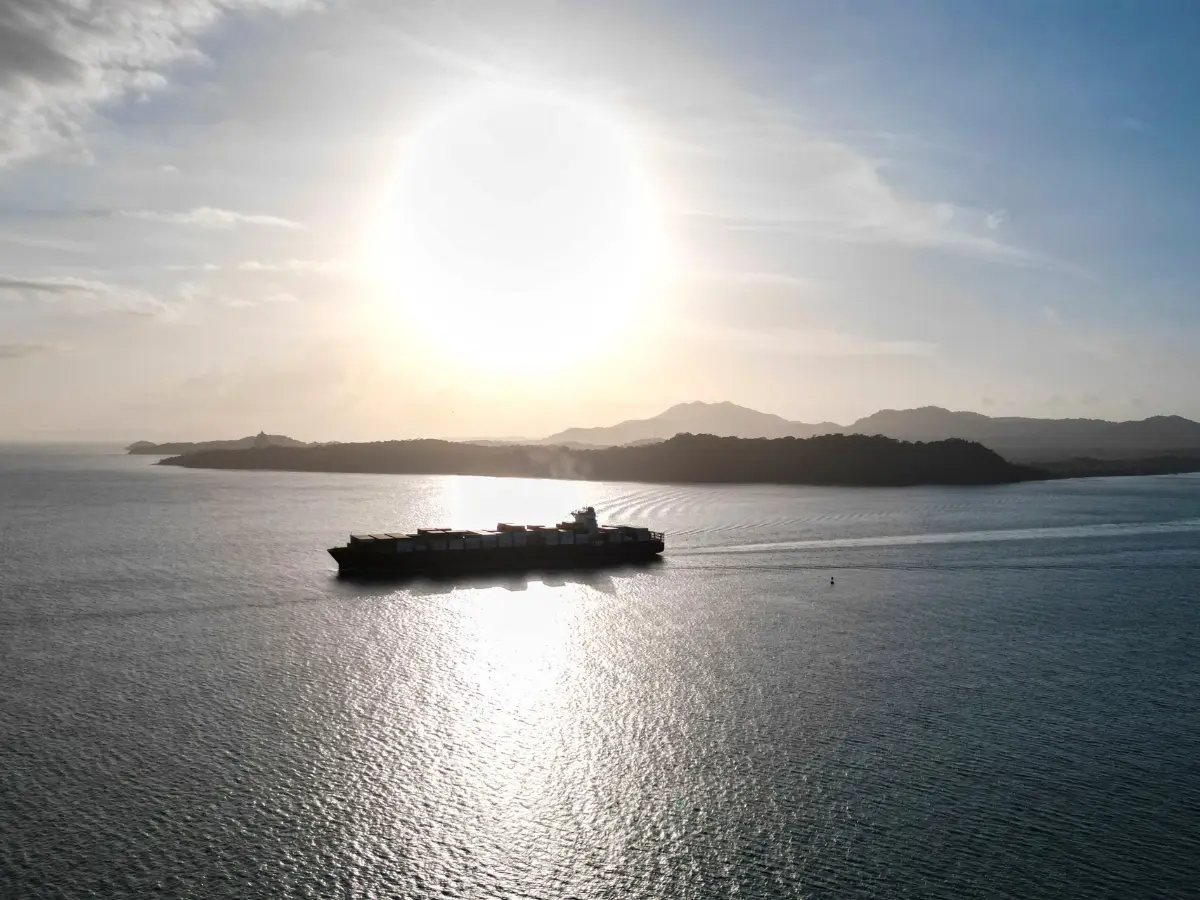
The wave of strikes and counterstrikes turned the West Asia region into a warzone and sparked Brent crude prices to $90-$100 per barrel owing to production interruptions and shipping disruptions caused by the closure of Starit of Hormuz.
(Disclaimer: WION takes utmost care to accurately and responsibly report ongoing conflicts in West Asia involving Israel, Iran, US, Gulf nations and non-state actors like Hezbollah, Hamas, Houthis, Islamic State, and others. Claims and counterclaims, disinformation and misinformation are being made online and offline. Given this context, WION cannot independently verify the authenticity of all statements, social media posts, photos and videos.)