Is Saudi Arabia driving Trump’s Iran war strategy? Here's what report claims

&imwidth=600&imheight=450&format=webp&quality=medium "Is Saudi Arabia driving Trump’s Iran war strategy? Here's what report claims")
Is Saudi Arabia driving Trump’s Iran war strategy? Here's what report claims Photograph: (AFP)
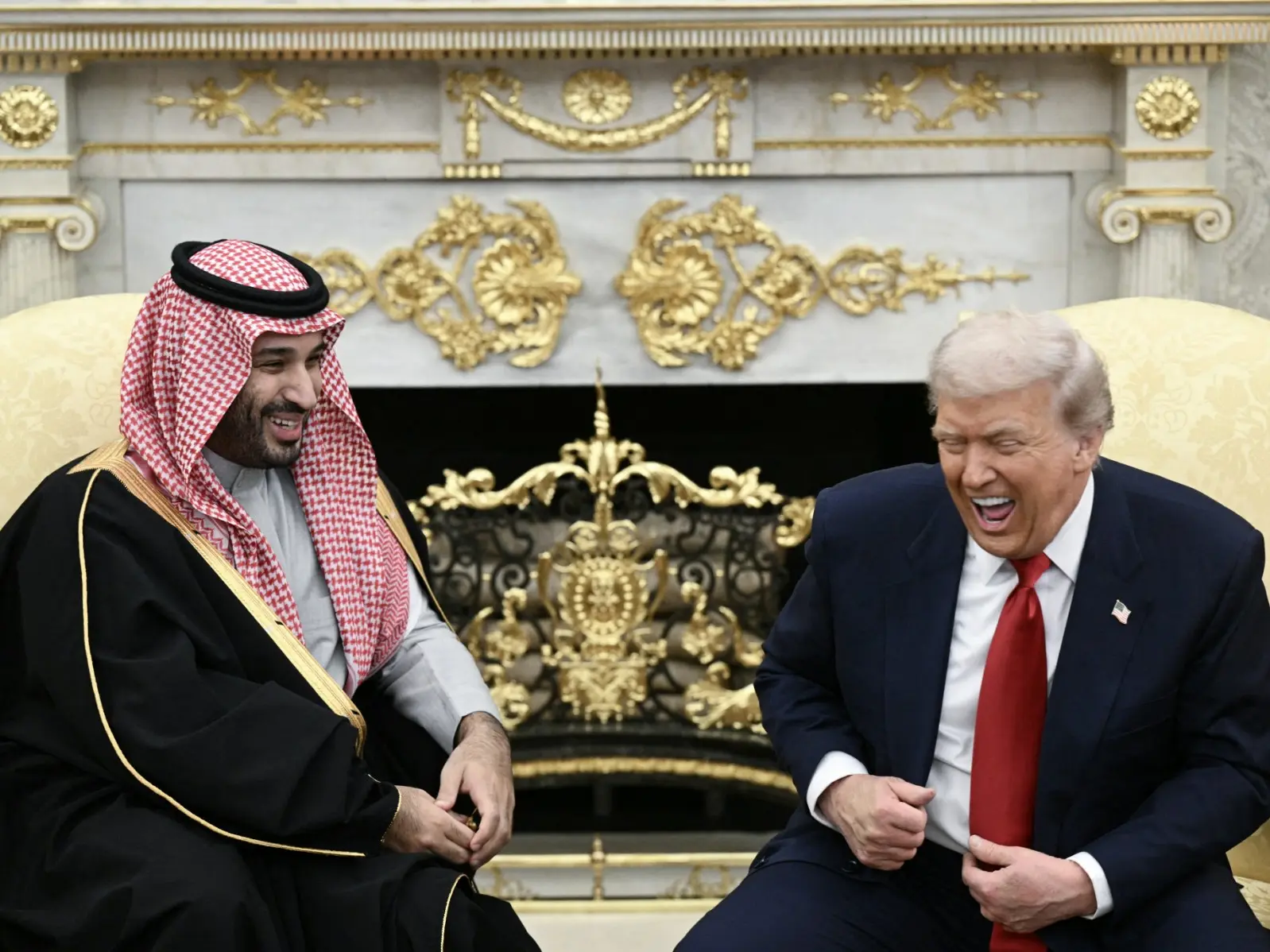
According to reports, Saudi Crown Prince Mohammed bin Salman has urged Trump to continue the Iran war, citing long-term security, despite risks to oil markets and regional stability
Mohammed bin Salman, Saudi Arabia’s de facto ruler, has reportedly urged Donald Trump to sustain military operations against Iran, framing the conflict as a rare chance to reshape the regional order. According to individuals briefed by US officials, the crown prince has emphasised in recent discussions that dismantling Iran’s hard-line regime is essential to eliminating a long-term threat to Gulf nations. During multiple conversations over the past week, Prince Mohammed conveyed that halting the campaign prematurely would be a strategic error. He has argued that Iran’s current leadership poses a persistent danger that can only be neutralised through regime change.
Benjamin Netanyahu shares concerns about Iran’s threat, but analysts suggest Israel might accept a weakened or internally unstable Iran as a favourable outcome. In contrast, Saudi Arabia fears that a collapsed Iranian state could trigger chaos and pose direct security risks. At the same time, officials in both Washington and Riyadh worry that a prolonged conflict could escalate further. Iran may intensify retaliatory strikes on Saudi oil infrastructure, and the United States risks becoming entangled in a drawn-out war.
Public messaging from President Trump has been inconsistent. He has alternated between signaling a potential end to hostilities and hinting at escalation. Recently, he claimed that “productive conversations” had taken place with Iran toward resolving tensions, though Tehran denied that negotiations were happening. The stakes for Saudi Arabia are significant, both economically and strategically. Iranian missile and drone attacks in response to US-Israeli operations have already disrupted oil markets. Despite reports, Saudi officials deny that Prince Mohammed is advocating for an extended war.
“The kingdom of Saudi Arabia has always supported a peaceful resolution to this conflict, even before it began,” the Saudi government said in a statement, noting that officials “remain in close contact with the Trump administration and our commitment remains unchanged.” “Our primary concern today is to defend ourselves from the daily attacks on our people and our civilian infrastructure,” the government added. “Iran has chosen dangerous brinkmanship over serious diplomatic solutions. This harms every stakeholder involved but none more than Iran itself.”
Privately, however, sources indicate that the crown prince has encouraged continued pressure, including strikes targeting Iran’s energy sector. Some discussions have even touched on the possibility of deploying US ground forces to seize critical oil infrastructure, such as Kharg Island, an operation considered highly risky. The conflict has also strained regional energy flows. Iranian retaliation has severely limited access through the Strait of Hormuz, a vital passage for Gulf oil exports. Although alternative pipelines exist, they too have been targeted.
Trending Stories
&imwidth=280&imheight=210&format=webp&quality=medium)
&imwidth=280&imheight=210&format=webp&quality=medium)
&imwidth=280&imheight=210&format=webp&quality=medium)
&imwidth=280&imheight=210&format=webp&quality=medium)
&imwidth=280&imheight=210&format=webp&quality=medium)
&imwidth=280&imheight=210&format=webp&quality=medium)
&imwidth=280&imheight=210&format=webp&quality=medium)
&im=FitAndFill=(700,400)&imwidth=280&imheight=210&format=webp&quality=medium)
&imwidth=280&imheight=210&format=webp&quality=medium)
&imwidth=280&imheight=210&format=webp&quality=medium)
&imwidth=280&imheight=210&format=webp&quality=medium)
&imwidth=280&imheight=210&format=webp&quality=medium)
&imwidth=280&imheight=210&format=webp&quality=medium)
&imwidth=280&imheight=210&format=webp&quality=medium)
&imwidth=280&imheight=210&format=webp&quality=medium)
&imwidth=280&imheight=210&format=webp&quality=medium)
&imwidth=280&imheight=210&format=webp&quality=medium)
&imwidth=280&imheight=210&format=webp&quality=medium)
&imwidth=280&imheight=210&format=webp&quality=medium)
&imwidth=280&imheight=210&format=webp&quality=medium)
&imwidth=280&imheight=210&format=webp&quality=medium)
&im=FitAndFill=(700,400)&imwidth=280&imheight=210&format=webp&quality=medium)
&imwidth=280&imheight=210&format=webp&quality=medium)
&imwidth=280&imheight=210&format=webp&quality=medium)
&imwidth=280&imheight=210&format=webp&quality=medium)
&imwidth=280&imheight=210&format=webp&quality=medium)
&imwidth=280&imheight=210&format=webp&quality=medium)
&imwidth=280&imheight=210&format=webp&quality=medium)
&imwidth=280&imheight=210&format=webp&quality=medium)
&imwidth=280&imheight=210&format=webp&quality=medium)
&imwidth=280&imheight=210&format=webp&quality=medium)
&im=FitAndFill=(700,400)&imwidth=280&imheight=210&format=webp&quality=medium)
&imwidth=280&imheight=210&format=webp&quality=medium)
&imwidth=280&imheight=210&format=webp&quality=medium)
&imwidth=280&imheight=210&format=webp&quality=medium)
&imwidth=280&imheight=210&format=webp&quality=medium)
&imwidth=280&imheight=210&format=webp&quality=medium)
Observers familiar with Saudi policy suggest that while Prince Mohammed may have preferred avoiding war initially, he now fears that a partial campaign could leave Iran emboldened. In that scenario, Gulf states might face ongoing attacks without strong US backing.
Past events have shaped Riyadh’s caution. A 2019 Iran-linked strike on Saudi oil facilities significantly disrupted production, prompting a shift toward diplomacy. By 2023, Saudi Arabia had restored relations with Iran, partly due to doubts about the reliability of US protection. Other Gulf states, including the UAE, followed similar paths. However, the current conflict has undone much of that progress. As Saudi Foreign Minister Faisal bin Farhan said, “What little trust there was before has completely been shattered.”
Saudi Arabia continues to rely heavily on Patriot missile systems to defend against ongoing attacks, though interceptor supplies are limited worldwide. Strikes and debris have already caused casualties and damage within the kingdom. While Israel has pushed for decisive actions that could topple Iran’s leadership, US officials remain doubtful that such an outcome is achievable. Despite significant losses among Iranian leadership, the government remains intact.
Saudi concerns extend beyond regime change. Analysts warn that even if Iran’s government collapses, militant factions or rogue elements could continue targeting Saudi assets, especially oil facilities. President Trump has expressed concern about rising oil prices and economic fallout, but the crown prince has reportedly reassured him that disruptions would be temporary. Many experts, however, are skeptical, noting that alternative export routes cannot fully compensate for the loss of Hormuz access.
Disclaimer: WION takes utmost care to accurately and responsibly report ongoing conflicts in West Asia involving Israel, Iran, the US, Gulf nations, and non-state actors like Hezbollah, Hamas, Houthis, Islamic State, and others. Claims and counterclaims, disinformation and misinformation are being made online and offline. Given this context, WION cannot independently verify the authenticity of all statements, social media posts, photos, and videos.

