Iran’s nationalism is now more important than its Islamism, amid war with US and Israel. Easing of veil curbs is an example

&imwidth=600&imheight=450&format=webp&quality=medium "Iran’s nationalism is now more important than its Islamism, amid war with US and Israel. Easing of veil curbs is an example")
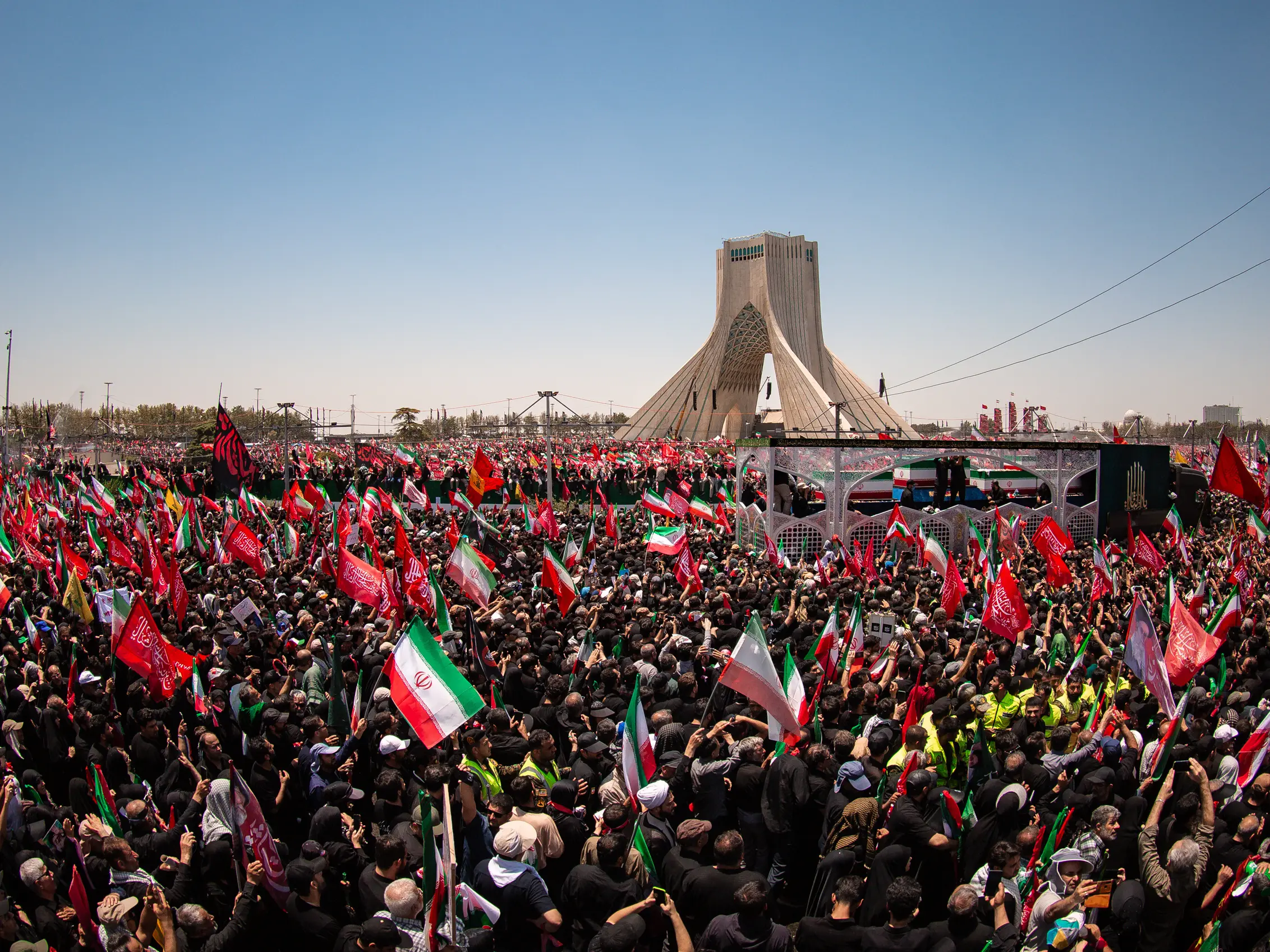
Funeral procession for the late leader of Iran, Ali Khamenei, was a national unity moment for the Islamic Republic Photograph: (Others)
Iran is increasingly using nationalism to unite society amid war with Israel and the US. Weaker hijab enforcement is an example of how Iranian identity is gaining ground against the regime’s Islamist narratives.
Iran appears to be placing nationalism alongside, and at times even ahead of, its traditional Islamist approach. The war with Israel and the US made national-unity messaging a necessity. Purely theocratic mobilisation is no longer enough. The conflicts made the Islamic Republic regime realise it needed support beyond its religion-focused core base. Velayat-e faqih, the doctrine of the guardianship of the Islamic jurist, and the message of revolutionary Shiism have limited appeal among a population increasingly alienated by economic hardship, repression and compulsory hijab.
The regime is placing greater emphasis on “Iran” and national survival
A recent analysis by the Washington Institute’s Patrick Clawson noted a marked shift in the rhetoric, with references to Iran’s ancient civilisation replacing much of the usual emphasis on religious authority. Tehran recently promoted Arash the Archer, a legendary Persian figure associated with defending Iran’s borders. State media also used Achaemenid and Shahnameh imagery belonging to the pre-Islamic Revolution era alongside modern soldiers and missiles. “Ey Iran”, a patriotic song strongly associated with pre-revolutionary Iran, has been performed publicly, including at religious ceremonies. The 1979 Islamic Revolution sought to subordinate Iranian nationalism to Islam. The regime is now drawing on the very Persian identity it once treated with suspicion.
Also read: Who is Parastoo Ahmadi, reportedly sentenced to 74 lashes in Iran for YouTube performance?
Iranian nationalism: A bridge between groups that rarely support the same politics
After months of regional conflict this year, different segments of Iranian society have united against the external enemies. They include secular nationalists, moderates, and even some regime critics who may oppose the Islamic Republic but still support Iran against an external attack. “Neither Gaza nor Lebanon, my life for Iran” captures this distinction: loyalty to the country does not necessarily mean loyalty to the regime.
Trending Stories
)
)
)
)
)
)
)
)
)
)
)
)
)
)
)
)
)
)
)
)
)
)
)
)
)
)
)
)
)
)
)
)
)
)
&im=FitAndFill=(700,400))
)
)
)
)
Easing of the veil curbs: Adaptation to changing times?
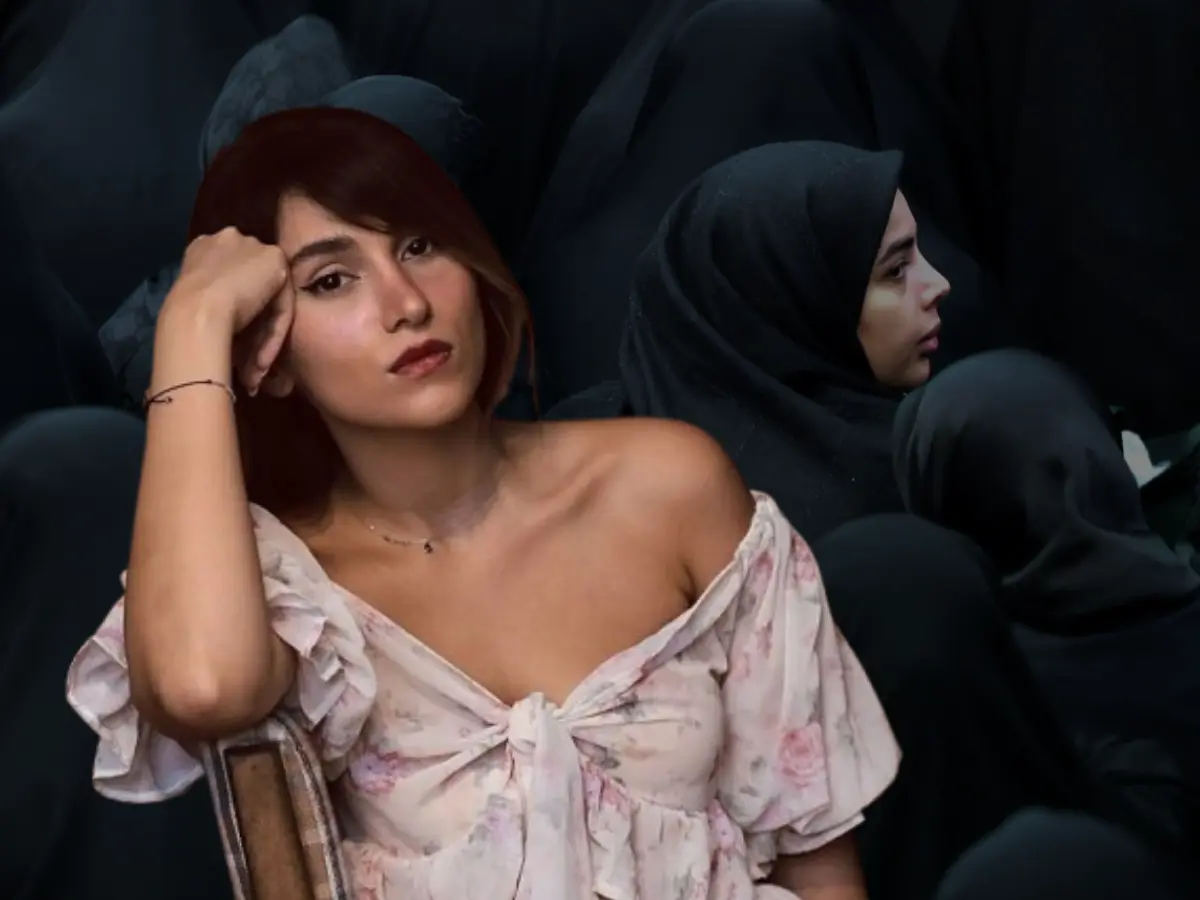
The regime’s new approach to compulsory hijab for women is another reflection of the changing times. The hijab was made mandatory after the 1979 Revolution. But years of resistance, particularly since the 2022 Woman, Life, Freedom protests following the death of Mahsa Amini, have made routine street enforcement of hijab increasingly difficult. Morality patrols for hijab enforcement have largely disappeared from everyday street life in major Iranian cities now. More women are appearing in public without the veil. The Hijab and Chastity law remains on the books but its implementation appears to be suspended rather than formally repealed. Human Rights Watch (HRW) noted recently that the reduced violent arrests in some cities reflect the regime’s focus on national-security priorities, rather than recognition of women’s rights.
Unveiled women appearing at pro-government rallies can now be presented as symbols of national unity, while women elsewhere can still face punishment. State media has shown such unveiled women at pro-government rallies, particularly during periods of conflict. This would have been unthinkable earlier.
The symbolism is significant. Uncovered hair became one of the clearest forms of opposition to the Islamic Republic. The regime now uses the same image to project national unity, provided the woman is seen supporting the state.
Can Iranian nationalism weaken the theocracy?
If the state must invoke ancient Persia, national territory and patriotic music to unite society during war, it implicitly acknowledges that revolutionary religious ideology has only limited reach.
This also reflects a shift in influence from the clerical establishment towards the Islamic Revolutionary Guard Corps (IRGC) and other power centres. National strength and military resilience are increasingly prominent alongside traditional clerical authority. The Islamic Republic has used nationalism before, including during the Iran-Iraq War. But the current emphasis follows years of declining religious legitimacy and widespread social resistance.
Iranians opposing the Islamic Republic have also embraced “Iran” as distinct from the state. Some protesters have used the pre-1979 Lion and Sun flag and Pahlavi-era symbols, showing that nationalism can challenge the regime as easily as it can support it.
Islamism is not gone yet from Iranian identity
The clerical system, Sharia-based laws, IRGC networks, judiciary and surveillance apparatus remain largely intact. Hardliners continue to demand strict hijab enforcement and defend the revolutionary ideology. Nationalism is therefore being added to Islamism, rather than cleanly replacing it. The authorities’ nationalist campaign has not necessarily produced genuine loyalty. Many Iranians distinguish between defending Iran and supporting the Islamic Republic.
The regime can relax enforcement when national unity matters, then restore pressure when political conditions change.
Wartime nationalism strengthens national identity while weakening the exclusivity of the Islamist narrative. Many Iranians may rally around the country and its people without rallying around the clerical state. The Islamic Republic remains authoritarian, but its growing reliance on Persian history, national unity and Iranian identity reveals how much its original ideological monopoly has weakened.