India, China special representatives on border to meet in Beijing ahead of possible Xi visit to Delhi for BRICS Summit

&imwidth=600&imheight=450&format=webp&quality=medium "India, China special representatives on border to meet in Beijing ahead of possible Xi visit to Delhi for BRICS Summit")
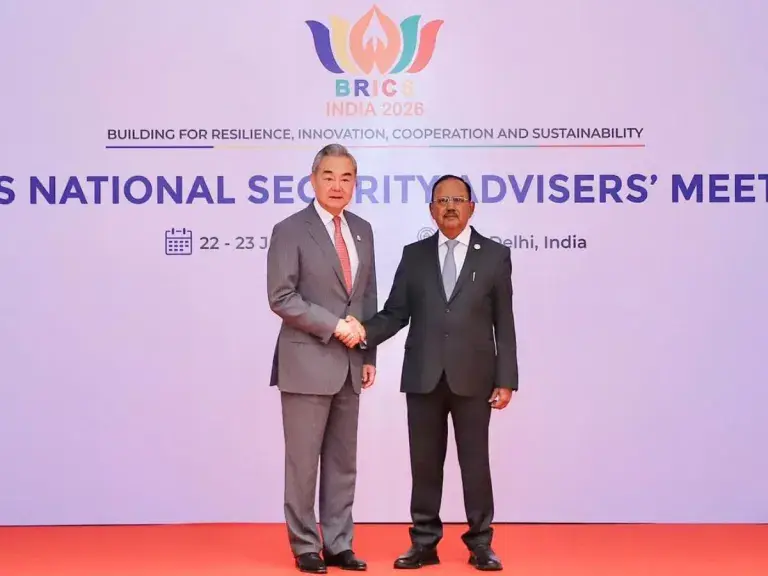
India, China special representatives on border to meet in Beijing ahead of possible Xi visit to Delhi for BRICS Summit Photograph: (Credit: ANI/File Photo)
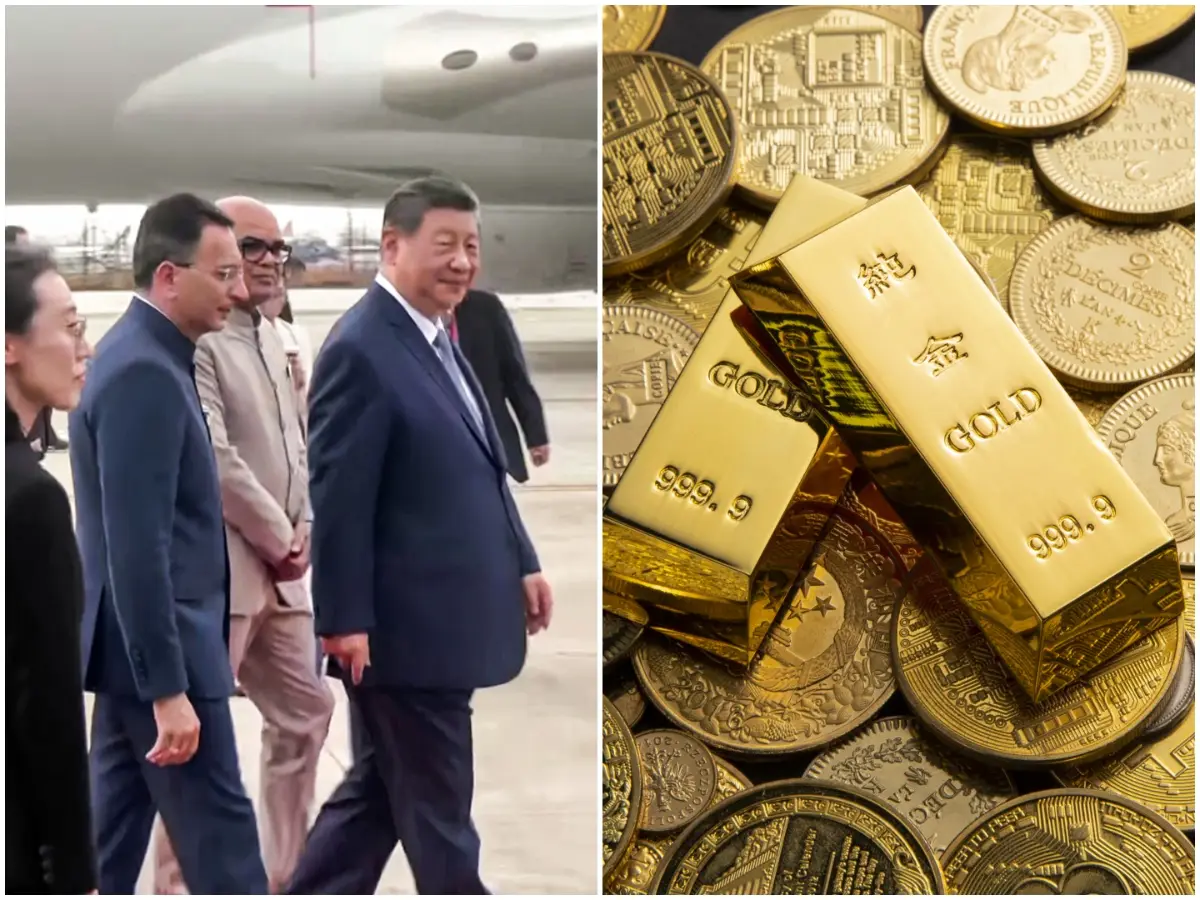
The meeting comes weeks before India hosts the BRICS Summit in New Delhi on September 12-13. Chinese President Xi Jinping is widely expected to attend his first visit to India in seven years, potentially opening the door for further bilateral engagement with India.
India's National Security Advisor Ajit Doval arrived in Beijing on Monday for a two-day visit, setting the stage for the 25th round of Special Representatives’ talks on the India-China Boundary Question with Chinese Foreign Minister Wang Yi on August 25. At the invitation of Wang Yi, who also serves as China’s Special Representative and a Politburo member, Doval will hold talks on boundary disputes and broader bilateral ties. He is also scheduled to call on Chinese Vice President Han Zheng.
Chinese Foreign Ministry spokesperson Lin Jian pointed to the mechanism’s dual role: “The Talks Between the Special Representatives of China and India on the Boundary Question are the main channel for negotiations between China and India on the boundary question, and also an important platform for communication between the two sides on issues of mutual interest.”
He added that the sides will continue “in-depth communication on the boundary question in the spirit of the common understandings between leaders of the two countries to jointly keep the border areas peaceful and tranquil” while exchanging views on bilateral, regional and international issues.
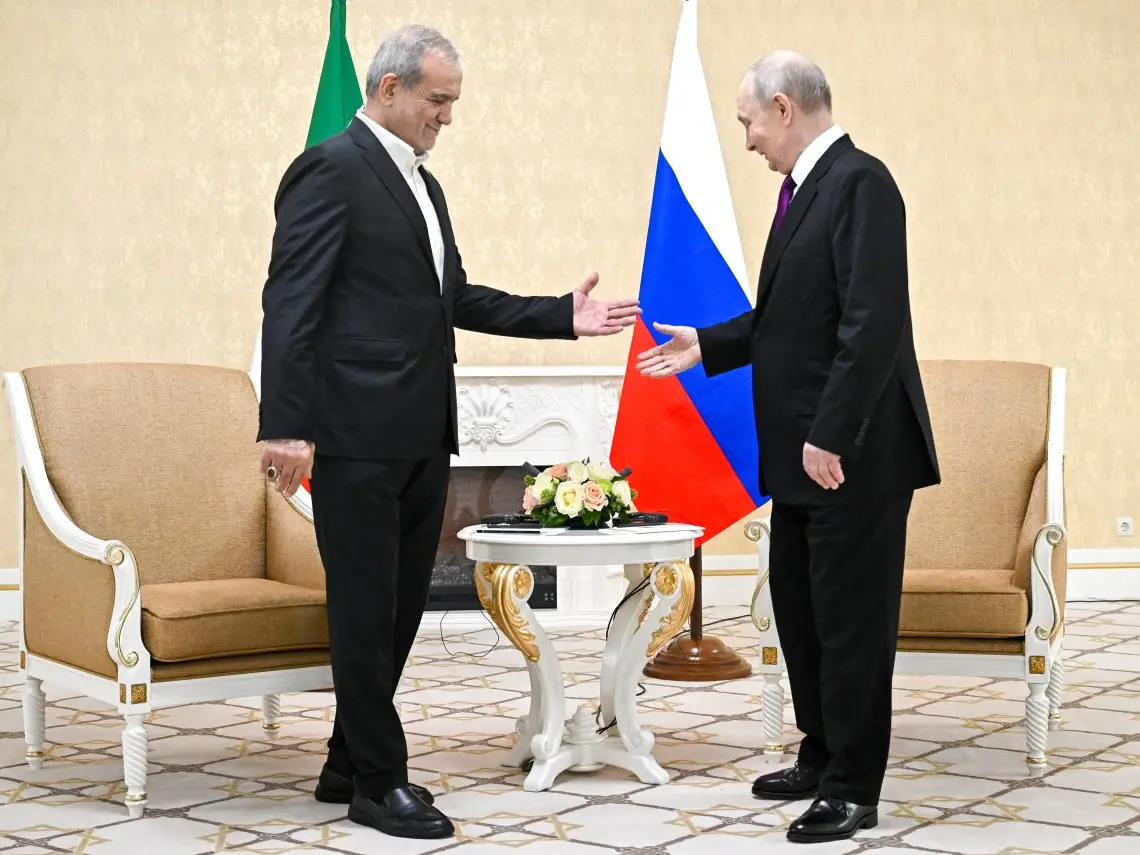
Also read: Iran's President Masoud Pezeshkian to attend BRICS summit in New Delhi, say Iranian sources
These talks carry high stakes. They form the premier political channel for managing a 3,488-km disputed frontier that has repeatedly tested relations between the two Asian giants. Progress here is seen as essential to preventing friction from spilling over into the wider relationship, especially as both sides pursue gradual normalisation after years of strain.
Trending Stories
&imwidth=280&imheight=210&format=webp&quality=medium)
&imwidth=280&imheight=210&format=webp&quality=medium)
&imwidth=280&imheight=210&format=webp&quality=medium)
&imwidth=280&imheight=210&format=webp&quality=medium)
&imwidth=280&imheight=210&format=webp&quality=medium)
&imwidth=280&imheight=210&format=webp&quality=medium)
&im=FitAndFill=(700,400)&imwidth=280&imheight=210&format=webp&quality=medium)
&imwidth=280&imheight=210&format=webp&quality=medium)
&imwidth=280&imheight=210&format=webp&quality=medium)
&imwidth=280&imheight=210&format=webp&quality=medium)
&imwidth=280&imheight=210&format=webp&quality=medium)
&imwidth=280&imheight=210&format=webp&quality=medium)
&imwidth=280&imheight=210&format=webp&quality=medium)
&imwidth=280&imheight=210&format=webp&quality=medium)
&imwidth=280&imheight=210&format=webp&quality=medium)
&imwidth=280&imheight=210&format=webp&quality=medium)
&imwidth=280&imheight=210&format=webp&quality=medium)
&im=FitAndFill=(700,400)&imwidth=280&imheight=210&format=webp&quality=medium)
&imwidth=280&imheight=210&format=webp&quality=medium)
&imwidth=280&imheight=210&format=webp&quality=medium)
&imwidth=280&imheight=210&format=webp&quality=medium)
&imwidth=280&imheight=210&format=webp&quality=medium)
&imwidth=280&imheight=210&format=webp&quality=medium)
&imwidth=280&imheight=210&format=webp&quality=medium)
&imwidth=280&imheight=210&format=webp&quality=medium)
&imwidth=280&imheight=210&format=webp&quality=medium)
&imwidth=280&imheight=210&format=webp&quality=medium)
&imwidth=280&imheight=210&format=webp&quality=medium)
&imwidth=280&imheight=210&format=webp&quality=medium)
&imwidth=280&imheight=210&format=webp&quality=medium)
&im=FitAndFill=(700,400)&imwidth=280&imheight=210&format=webp&quality=medium)
&imwidth=280&imheight=210&format=webp&quality=medium)
&imwidth=280&imheight=210&format=webp&quality=medium)
&imwidth=280&imheight=210&format=webp&quality=medium)
&imwidth=280&imheight=210&format=webp&quality=medium)
&imwidth=280&imheight=210&format=webp&quality=medium)
&imwidth=280&imheight=210&format=webp&quality=medium)
The meeting comes weeks before India hosts the BRICS Summit in New Delhi on September 12-13. Chinese President Xi Jinping is widely expected to attend his first visit to India in seven years, potentially opening the door for further bilateral engagement withIndia. Doval’s presence in Beijing is widely viewed as part of the groundwork for that high-level interaction and for consolidating recent diplomatic gains.
A limited reset has taken shape since the October 2024 disengagement arrangements in eastern Ladakh that followed the deadly 2020 Galwan Valley clash. Direct flights have resumed, the Kailash-Mansarovar yatra has restarted, some visa and investment restrictions have eased, and trade has continued at high levels. Yet the core border dispute remains unresolved.
The Special Representatives mechanism itself has a long history. Proposed conceptually by Atal Bihari Vajpayee in 1979 and formally established during his 2003 visit to China, it was designed to seek a political framework for settlement from the perspective of the overall bilateral relationship. The 2005 Agreement on Political Parameters and Guiding Principles remains a key reference. Twenty-four previous rounds have been held, with a multi-year pause after Galwan before talks resumed in late 2024. While no final settlement has emerged, the channel has repeatedly helped manage crises and explore confidence-building steps, including recent a discussions of an “early harvest” on boundary delimitation.
